
If you’ve ever woken up with unexplained itchy bites or worried about bringing bed bugs home from a hotel stay, you’ve probably asked: do mattress covers prevent bed bugs? The answer is a definitive yes—when you select and install the right type of mattress encasement. These specialized protective covers create an impenetrable physical barrier that either traps existing bed bugs inside your mattress, preventing them from feeding and eventually causing them to die, or keeps new invaders from establishing a foothold in your sleeping area. Understanding the specific features that make mattress covers effective against bed bugs is crucial, as not all products marketed for this purpose actually deliver the promised protection. By the end of this guide, you’ll know exactly what to look for in a quality encasement and how to implement it as part of your comprehensive bed bug defense strategy.
Bed bugs have made a dramatic resurgence in recent decades, infesting homes, hotels, and apartment complexes across the country. These pests are particularly drawn to mattresses and box springs because the seams, stitching, and internal structures provide perfect hiding spots where they remain concealed during daylight hours and emerge at night to feed. Once bed bugs establish themselves in your mattress, eliminating them becomes notoriously difficult as conventional treatments often fail to reach insects deeply embedded within the materials. Mattress encasements address this core challenge directly by sealing off these hiding places with a continuous barrier that bed bugs cannot penetrate.
How Mattress Encasements Trap and Block Bed Bugs

Mattress encasements work through complete physical exclusion—a simple but highly effective principle that creates an environment where bed bugs cannot survive. When properly installed, these covers seal your mattress and box spring in a continuous barrier that bed bugs cannot penetrate, regardless of whether they’re already present inside or trying to invade from outside your sleeping area.
Physical Barrier Mechanics That Actually Work
Effective mattress encasements use tightly woven, tear-resistant synthetic materials that bed bugs cannot puncture or chew through, even when starving. The fabric weave must be tight enough to prevent even tiny bed bug nymphs and eggs from passing through—a critical feature many cheap covers lack. Quality encasements eliminate all potential hiding spots by creating a smooth exterior surface with no cracks, seams, or crevices where bed bugs could conceal themselves. This continuous barrier means that any bed bugs inside your mattress become trapped with no access to blood meals, while new invaders find no suitable harborage in your sleeping area.
Trapping Existing Infestations Without Chemicals
For mattresses already harboring bed bugs, a properly installed encasement functions as a passive starvation device that requires no chemicals or repeated treatments. Once sealed, any bed bugs trapped inside cannot escape to feed, and without access to blood meals, they will die within several weeks to a few months depending on environmental conditions and life stage. The key to success is ensuring complete installation without gaps—any openings compromise the entire barrier. This method works continuously 24/7, eliminating the need for disruptive and potentially hazardous chemical treatments while providing peace of mind that the infestation is contained and gradually being eliminated.
Preventing New Infestations Before They Start
The preventive power of mattress encasements proves equally valuable, especially in high-risk environments like apartments, hotels, or after travel. Clean, properly encased mattresses offer no hiding spots for bed bugs that might migrate from adjacent units, luggage, or used furniture. The complete perimeter seal—including the zipper mechanism—ensures bed bugs cannot enter through any access point. This prevention benefit makes encasements particularly valuable if you live in multi-unit housing or frequently travel, creating a protected zone where bed bugs simply cannot establish themselves despite potential exposure elsewhere in your home.
Critical Features That Make Mattress Covers Effective
Not all mattress covers marketed as “bed bug proof” actually provide adequate protection. Selecting an encasement that genuinely works requires understanding which specific features determine real protection versus marketing hype. The durability and construction quality of the encasement material stands as the most critical factor, as bed bugs will exploit any weakness in the fabric or seams to escape or access your sleeping surface.
Tear-Resistant Fabric That Withstands Bed Bug Attacks
Quality encasements use durable, tightly woven synthetic materials that resist both puncture attempts and general wear from regular use. Bed bugs have surprisingly strong mandibles capable of puncturing many common fabrics, especially when desperate to reach a blood meal. The fabric must maintain its integrity over time despite being stretched over your mattress and subjected to nightly movement and weight. When shopping, look for encasements specifically mentioning “bed bug proof” fabric with verified tear resistance—not just standard mattress protectors that may claim protection but lack the necessary construction.
Secure Zipper Systems That Eliminate Weak Points
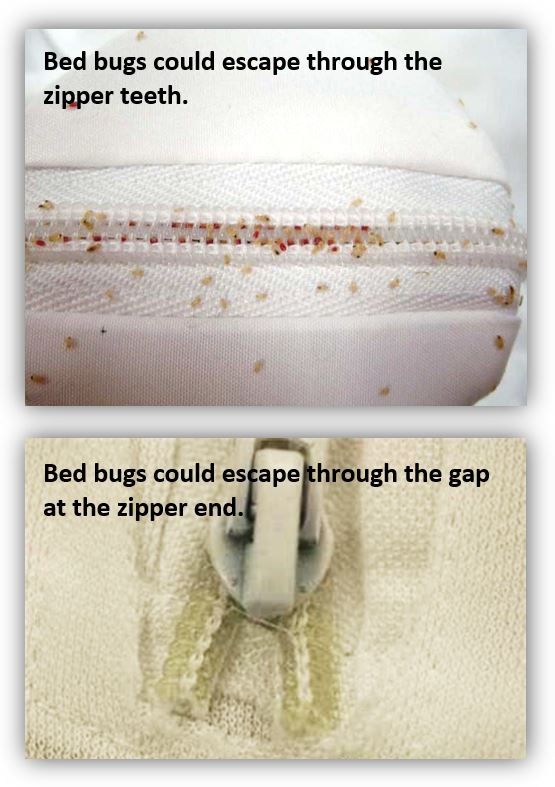
The zipper represents the most vulnerable component of any bed bug encasement, making its design critical to overall effectiveness. Effective zippers must close tightly with no gaps along their entire length—fine teeth that create a complete seal plus additional closure mechanisms like fabric flaps covering the zipper track. Without these features, bed bugs can manipulate the zipper to create openings or squeeze through tiny gaps. When testing potential encasements, run your fingernail along the closed zipper—if you feel any gaps or openings, the product won’t provide adequate protection.
Third-Party Verified Protection
Independent laboratory testing provides essential confirmation that an encasement has been evaluated for actual bed bug resistance under controlled conditions. Products with evidence of third-party verification have had their claims validated by objective parties rather than relying solely on manufacturer assertions. This verification step is particularly important given the significant price variations among products and the prevalence of misleading marketing claims in this category. Always look for specific documentation of bed bug resistance testing before making your purchase.
Why Chemical-Treated Covers Create More Problems Than They Solve
Many mattress covers on the market include pesticide treatments claiming enhanced bed bug protection, but these chemically treated products present significant limitations and potential health concerns that make them unsuitable for effective bed bug management.
Limited Effectiveness of Chemical Treatments
Despite marketing claims, chemically treated covers don’t effectively kill bed bugs or eliminate existing infestations. Any bed bugs contacting the treated fabric might experience initial effects, but the chemicals dissipate over time and with washing. More importantly, bed bugs can often avoid treated areas rather than receiving a lethal dose. The brief feeding time—typically just a few minutes—further reduces the likelihood of sufficient chemical exposure to kill the insect. This limited effectiveness means you’re paying for chemical protection that simply doesn’t deliver meaningful results.
Health Risks Outweigh Questionable Benefits
The more concerning aspect of chemically treated mattress covers involves direct, prolonged skin exposure to insecticides during every hour spent sleeping. This nightly exposure occurs for eight hours or more, with chemicals in continuous contact with your largest organ—your skin. The cumulative effects of such exposure, particularly for children, pregnant women, or individuals with chemical sensitivities, remain incompletely studied and may pose health risks that far outweigh any marginal benefit. Quality physical encasements provide more reliable protection without introducing unnecessary chemical exposure into your sleeping environment.
Proper Installation Steps That Guarantee Protection
Even the highest-quality encasement will fail if not installed correctly. Rushing this process or skipping preparation steps can leave bed bugs with opportunities to escape or access blood meals, undermining your entire control effort.
Essential Pre-Installation Preparation
Before applying any encasement, thoroughly inspect and clean your mattress and box spring to remove as many bed bugs and eggs as possible. Focus on all potential hiding spots—wooden frameworks, coils, padding, piping, and seams. Use a stiff brush to scrub mattress seams and stitching to dislodge firmly attached eggs, then wipe visible bed bugs with a damp paper towel (crush them inside the towel and seal in a plastic bag before disposal). Vacuum all surfaces and crevices, disposing of the vacuum contents immediately in sealed bags outdoors. Finally, inspect your bed frame for sharp edges that could puncture the encasement and apply adhesive felt pads to cover them.
Correct Application Techniques for Complete Coverage
When installing the encasement, work systematically to ensure complete coverage without rips or tears. Position the encasement over one corner of the mattress and gradually work it over the entire surface, smoothing out wrinkles. Carefully close the zipper along its entire length without catching or bunching, then engage any secondary closure flaps to completely seal the zipper track. For box springs, pay special attention to corners and edges where sharp frame components might be present. A properly installed encasement should lie smoothly against all surfaces with no gaps or openings anywhere along the perimeter.
Long-Term Maintenance for Continuous Protection
Once installed, mattress encasements must remain in place continuously to maintain effectiveness. Removing the encasement, even temporarily, provides bed bugs with opportunities to escape or access protected surfaces.
Regular Inspection Procedures You Should Follow
Schedule inspections every few months to examine the entire encasement surface for rips, tears, or worn spots. Run your hands over the entire surface to feel for thin spots or developing tears that might not yet be visible. Pay particular attention to high-stress areas like corners, seams, and the zipper region. Document inspection results with dates to maintain a clear maintenance history and track when replacement may be needed.
Cleaning Without Compromising Protection
If your encasement becomes soiled, spot clean only with a damp cloth and mild detergent—avoid harsh chemicals or abrasive cleaning methods that could damage the fabric. Never machine wash or dry encasements unless the manufacturer specifically indicates these methods are safe, as agitation and heat can degrade the material and compromise the protective barrier. Remember that fitted sheets should be laundered regularly according to normal hygiene practices, but the encasement itself must stay in place to continue functioning as intended.
Top-Rated Brands That Deliver Real Protection
Protect-A-Bed and Mattress Safe represent two well-established brands that consistently deliver the features necessary for genuine bed bug protection. Both manufacturers design encasements specifically for bed bug control, incorporating durable materials, secure zipper systems, and independent laboratory testing. While available through various retail channels, online purchasing typically offers the widest selection and most competitive pricing. Verify that the specific model you select includes all essential features discussed here, regardless of brand reputation, as product lines within a single manufacturer may vary in specifications and intended uses. The investment in a quality encasement from a reputable manufacturer provides better value over time than cheaper alternatives that may fail when you need protection most.