If you’ve ever woken up drenched in sweat at 3 AM, tossing off blankets only to pull them back on because you got cold, you know how frustrating temperature disruptions can be. Night sweats and overheating don’t just make you uncomfortable—they fragment your sleep cycles, reduce restorative deep sleep, and leave you exhausted the next day. Cooling mattresses have emerged as a popular solution, but do they actually work, or is it just clever marketing? The answer lies in understanding how your body temperature naturally fluctuates during sleep and what mattress technologies actually influence those thermal dynamics.
The reality is that cooling mattresses can work—sometimes remarkably well—but their effectiveness depends on several factors including the specific technology used, your individual physiology, and how the mattress integrates with your overall sleep environment. Not all cooling mattresses are created equal, and understanding the science behind temperature regulation will help you make an informed decision about whether investing in a cooling mattress is right for you. This guide examines the mechanisms behind cooling mattress technology, evaluates the evidence for their effectiveness, and provides practical advice for choosing a mattress that actually delivers on its cooling promises.
How Cooling Mattress Technology Actually Manages Body Heat

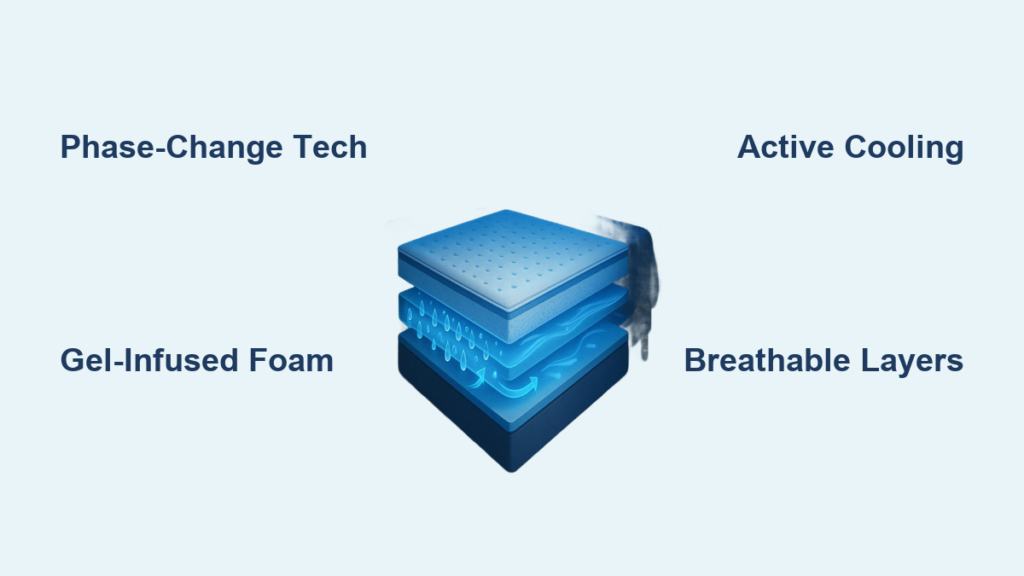
Cooling mattresses employ several distinct technologies, each working through different physical mechanisms to manage heat. Understanding these mechanisms helps you evaluate marketing claims and select a mattress that actually addresses your specific cooling needs. The most common approaches include phase-change materials, gel-infused foams, conductive minerals, breathable constructions, and active cooling systems—each with their own strengths and limitations.
Why Phase-Change Materials Deliver Consistent Temperature Control
Phase-change materials represent one of the most sophisticated approaches to passive cooling. These substances absorb excess heat when your body temperature rises above a certain threshold, storing the thermal energy as they change from solid to liquid state. As your body temperature drops, the material releases the stored heat and returns to its solid state, creating a self-regulating thermal buffer. The effectiveness of phase-change materials depends heavily on their heat capacity and the specific transition temperature they’re engineered for. Quality phase-change mattresses can absorb significant heat without feeling noticeably damp, maintaining a relatively consistent surface temperature throughout the night.
Pro Tip: Look for mattresses specifying the PCM’s transition temperature—ideally around 82-86°F (28-30°C), which aligns with typical skin surface temperatures during sleep. Materials engineered for higher transition temperatures won’t activate until you’re already uncomfortably warm.
How Gel-Infused Foam Cooling Actually Works (And Why It Fades)
Gel-infused foams work by improving the thermal conductivity of traditional memory foam. Standard memory foam is notorious for trapping body heat because its dense, closed-cell structure doesn’t allow air to circulate. Gel particles embedded in the foam increase heat dissipation by conducting thermal energy away from your body more efficiently than plain foam. However, gel’s cooling effect is often temporary—the gel eventually reaches thermal equilibrium with your body and stops pulling heat away. Some manufacturers combine gel with graphite or copper particles to enhance this conductive cooling effect.
Critical Warning: Be wary of marketing claims about “cooling gel” without specifics. Independent testing shows many budget-friendly gel foams provide only 15-20 minutes of noticeable cooling before reaching thermal equilibrium with your body.
When Active Cooling Systems Become Worth the Investment
Active cooling systems take a fundamentally different approach by using external power to move heat away from the sleeping surface. These systems typically incorporate water-filled tubes, thermoelectric cooling plates, or small fans built into the mattress foundation. While more complex and requiring access to power, active systems can maintain substantially lower surface temperatures than passive technologies. The tradeoff includes added cost, potential noise from fans or pumps, and the need for maintenance or repairs if components fail. For severe hot sleepers or those with medical conditions causing excessive sweating, active systems may provide the only effective solution.
Which Mattress Construction Types Sleep Coolest
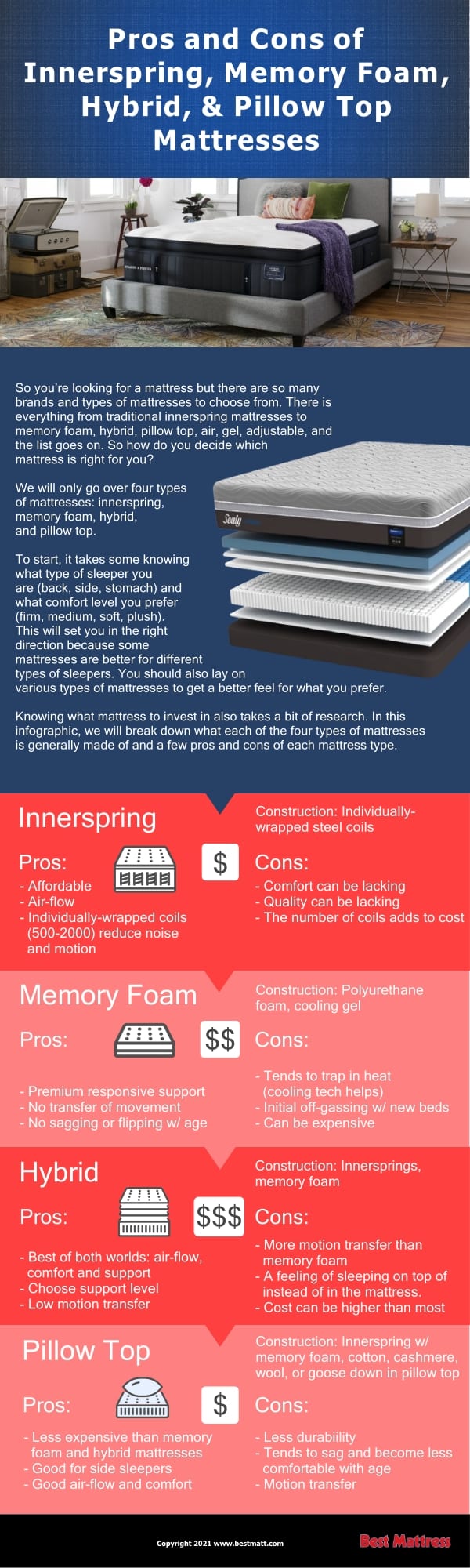
Manufacturers implement cooling technologies through various mattress constructions, and the underlying design significantly impacts both cooling effectiveness and overall sleep quality. The choice between foam, hybrid, innerspring, and latex constructions involves tradeoffs between contouring support, durability, and thermal management.
Foam Mattresses: Balancing Pressure Relief With Heat Trapping
Foam mattresses present both challenges and opportunities for cooling. Traditional memory foam conforms closely to your body, creating a thermal seal that traps body heat. However, this same close conformity means foam mattresses can incorporate cooling technologies directly into the material that contacts your body. Gel-infused memory foam, copper-infused foam, and open-cell foam structures that allow airflow within the material itself are common approaches. Premium foam cooling mattresses often combine multiple technologies—gel or graphite for conductivity, open-cell structure for airflow, and phase-change layers for thermal buffering. The densest, highest-quality foams tend to retain more heat, so balancing foam density with cooling features is essential.
What to Look For: Foam mattresses with open-cell structure (look for terms like “AirCool” or “BreezeFoam”) combined with phase-change technology typically offer the most reliable cooling among all-foam options.
Hybrid Mattresses: Getting the Best of Both Worlds for Temperature Control
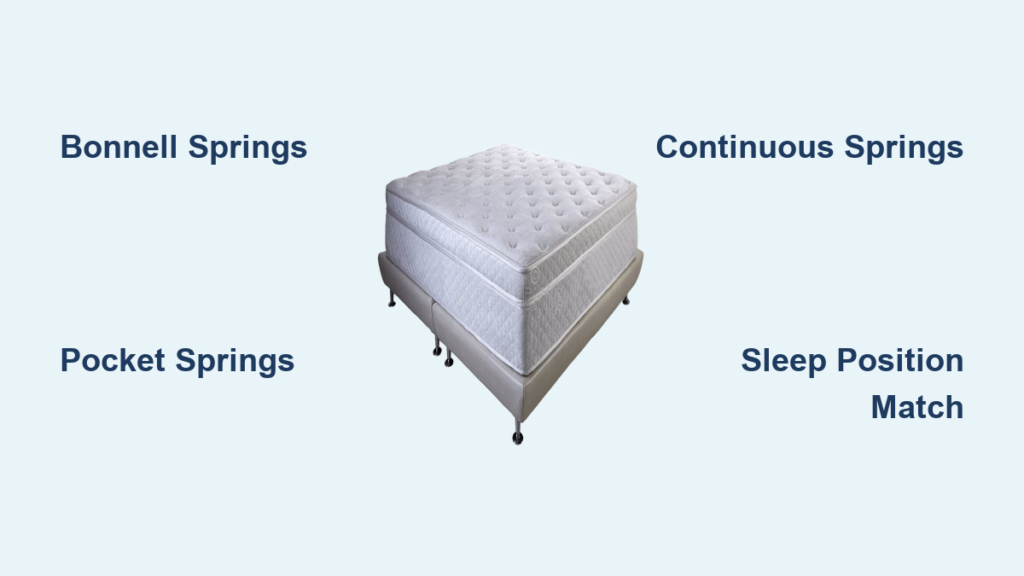
Hybrid mattresses combine foam comfort layers with innerspring support systems, offering a natural advantage for temperature regulation. The coil system creates natural air channels throughout the mattress, allowing heat to dissipate more readily than in all-foam constructions. Manufacturers typically add cooling foams or phase-change covers to the hybrid design, leveraging both the airflow benefits of coils and the advanced thermal management of specialty foams. Hybrids often sleep cooler than comparable all-foam mattresses while still providing substantial pressure relief and motion isolation.
Who Actually Benefits Most From Cooling Mattress Technology
While anyone can appreciate a comfortably cool sleep surface, certain populations benefit disproportionately from effective cooling mattress technology. Understanding whether you fall into these categories can help you determine whether investing in a cooling mattress is likely to provide meaningful improvements.
Menopausal Women: How Cooling Mattresses Reduce Night Sweat Disruption
Menopausal and perimenopausal women frequently experience hot flashes and night sweats that disrupt sleep architecture. The hormonal fluctuations characteristic of this life stage cause sudden, unpredictable increases in body temperature that can wake women multiple times per night. While cooling mattresses can’t prevent hot flashes, they can minimize their impact by providing a sleep surface that absorbs and dissipates heat more effectively, allowing women to return to sleep more quickly after temperature spikes. This benefit extends beyond comfort to genuine sleep quality improvements that affect daytime functioning and overall health.
Couples With Different Temperature Preferences: Solving the Blanket Wars
Couples with different temperature preferences often find cooling mattresses help resolve nighttime conflicts over blankets and thermostat settings. When one partner runs hot while the other prefers warmth, finding a comfortable sleep environment becomes challenging. A cooling mattress allows the heat-prone partner to sleep comfortably while the other uses additional bedding to stay warm—providing a compromise that neither could achieve with a standard mattress. Some couples specifically seek dual-zone cooling systems that allow each person to control their side of the bed independently.
What Real Research Says About Cooling Mattress Effectiveness
Scientific evaluation of cooling mattress effectiveness has produced meaningful, though sometimes nuanced, results. Understanding both the demonstrated benefits and the limitations of existing research helps set realistic expectations when shopping for a cooling mattress.
Phase-Change Material Testing: Measurable Temperature Reduction

Phase-change material testing has demonstrated measurable effects on sleep surface temperature. Studies evaluating mattresses with PCM technology show reduced peak skin temperatures and more stable thermal conditions throughout the night compared to control mattresses. The magnitude of temperature reduction varies based on the PCM’s heat capacity and the specific testing conditions, but the directional effect is consistent—PCM-treated surfaces maintain lower temperatures during periods of elevated body heat. Importantly, these studies also show improved sleep efficiency metrics, suggesting that the thermal benefits translate into actual sleep quality improvements.
Active Cooling Systems: Dramatic Results With Practical Limitations
Active cooling system research demonstrates the most substantial temperature reductions but also reveals important limitations. Mattress cooling pads with thermoelectric or water-based systems can maintain surface temperatures 5-15°F below ambient conditions—dramatic improvements that benefit even severe hot sleepers. However, user compliance with active systems is lower than passive alternatives, as some users find the systems noisy, cumbersome, or inconvenient to operate nightly. For those who consistently use active cooling systems, polysomnographic studies show meaningful improvements in sleep continuity and deep sleep percentage.
Choosing Your Most Effective Cooling Mattress
Selecting a cooling mattress requires balancing multiple factors beyond just temperature management. Firmness level, materials, motion isolation, edge support, and price all influence which mattress will best serve your needs.
Match Cooling Technology to Your Overheating Severity
Consider the severity of your overheating issues when evaluating cooling technologies. Individuals who experience occasional warmth may find adequate relief with gel-infused foams or breathable innerspring constructions at moderate price points. Those with persistent, severe overheating typically need phase-change materials or active cooling systems to achieve meaningful temperature reduction. Investing in more sophisticated cooling technology pays dividends in sleep quality when milder approaches prove insufficient—but overspending on advanced cooling when simpler solutions would suffice doesn’t make financial sense.
Critical Questions to Ask Before Buying
Evaluate cooling claims critically by understanding the specific technologies mentioned. Mattresses marketed simply as “cooling” without detailing the mechanism may offer minimal thermal benefit beyond breathable covers. More substantive claims like “phase-change technology,” “gel-infused memory foam,” or “copper-infused latex” indicate specific technologies with known cooling mechanisms. Manufacturers confident in their cooling claims typically provide temperature regulation data or third-party testing results—absence of such evidence suggests the cooling benefit may be modest.
Maximizing Your Cooling Mattress Performance With Simple Adjustments
Getting the most from your cooling mattress involves optimizing the broader sleep environment and using proper bedding choices that enhance rather than undermine thermal management.
Bedding Choices That Make or Break Your Cooling System
Pair your cooling mattress with breathable bedding that allows heat to escape from the sleep surface. Natural fibers like cotton and linen breathe better than synthetic alternatives, allowing air circulation that complements your mattress’s cooling technology. Heavy blankets and comforters can trap heat even against a cooling mattress surface, negating the benefit. Consider lighter bedding options or layered blankets that can be adjusted throughout the night as your temperature needs change.
Pro Tip: Bamboo-derived rayon sheets provide excellent moisture-wicking properties while maintaining a cool-to-the-touch feel that enhances your mattress’s cooling technology.
Room Temperature Management That Works With Your Mattress
Maintain appropriate bedroom ventilation and temperature. Opening windows or using exhaust fans promotes air circulation that helps your mattress dissipate absorbed heat. Room temperatures between 60-67°F optimize the conditions for effective cooling mattress performance. If your room tends to run warm, a simple fan pointed at the bed can enhance airflow and improve the cooling effect significantly.
Final Verdict: Do Cooling Mattresses Actually Work?
Cooling mattresses do work—effective technologies exist that measurably improve sleep surface temperature and, consequently, sleep quality for those who tend to overheat at night. The key to success lies in selecting the appropriate technology for your specific needs, maintaining realistic expectations about performance limitations, and optimizing your overall sleep environment to support the mattress’s cooling function.
Phase-change materials offer the most sophisticated passive cooling, absorbing and releasing heat to maintain stable temperatures throughout the night. Gel-infused foams provide more modest cooling at lower price points, making them appropriate for moderately warm sleepers. Active cooling systems deliver the most dramatic temperature reductions but require power and add complexity. Your individual physiology, budget, and sleep preferences determine which approach will serve you best.
The investment in a quality cooling mattress pays dividends in improved sleep quality, reduced nighttime awakenings, and better daytime energy for those who genuinely struggle with overheating during sleep. If you regularly wake up hot, struggle to fall asleep because of warmth, or experience night sweats that disrupt your rest, a cooling mattress likely represents a worthwhile investment in your health and wellbeing. For those without significant thermal issues during sleep, cooling features remain a bonus rather than a necessity—and standard mattresses may serve perfectly well.