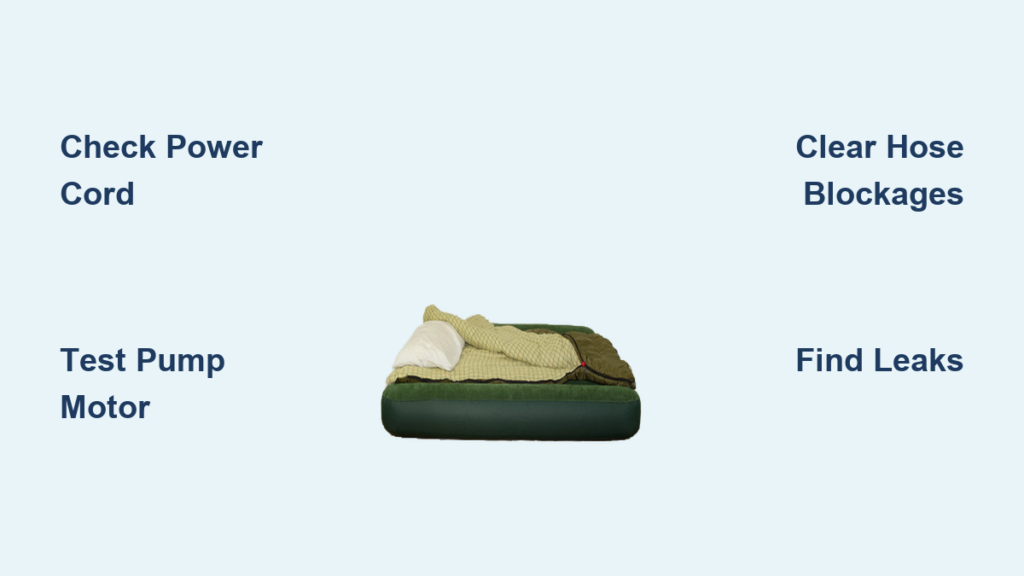
Nothing ruins a camping trip or unexpected guest visit faster than discovering your air mattress won’t inflate when you need it most. When your air mattress not inflating with pump, the problem could stem from electrical issues, mechanical failures, blockages, or leaks—and identifying the root cause quickly saves time, money, and unnecessary replacement purchases. This comprehensive troubleshooting guide walks you through every major cause of inflation failure, providing clear diagnostic steps and practical solutions you can implement immediately. Whether your pump runs silently, makes noise but delivers no airflow, or shuts down after brief operation, you’ll find the specific guidance needed to restore your air mattress to full functionality.
The complexity of air mattress inflation systems means that symptoms often overlap between different failure modes. A pump that appears dead might simply have a loose connection, while a mattress that won’t hold air might actually have a functional pump fighting against an undiagnosed leak. Understanding these distinctions prevents wasted effort and ensures you address the actual problem rather than chasing symptoms. By following this systematic approach, you can diagnose issues accurately, attempt appropriate repairs, and determine definitively whether replacement is truly necessary.
Diagnose Why Your Air Mattress Won’t Inflate
Before touching any components, spend sixty seconds observing and listening carefully to understand exactly how your inflation system is failing. The specific symptoms you notice provide crucial clues about which system—electrical, mechanical, or structural—requires attention. Air mattress inflation failures generally fall into four distinct categories, each with recognizable diagnostic indicators that guide your troubleshooting approach.
If your pump produces absolutely no sound when activated, the problem almost certainly involves power delivery or motor failure rather than airflow restrictions or mattress leaks. Conversely, if the pump runs normally but the mattress inflates slowly or not at all, you’re likely dealing with blockages, valve problems, or air leakage. A pump that starts strongly but stops after ten to thirty seconds typically indicates thermal protection activation from overheating, while gradual loss of pressure after successful inflation points toward leaks in the mattress material or seams. Recording your observations before beginning repairs prevents confusion and helps you work through solutions methodically.
Listen closely to any changes in pump behavior during your initial testing. Does the motor hum weakly or not at all? Does it start strong then sputter or stop? Do you hear airflow that doesn’t reach the mattress? These audio cues, combined with visual observations about inflation progress, narrow down the problem area significantly. Taking notes as you test prevents repetitive diagnostic steps and helps you track which solutions you’ve attempted.
Check Power Cord and Connection Points
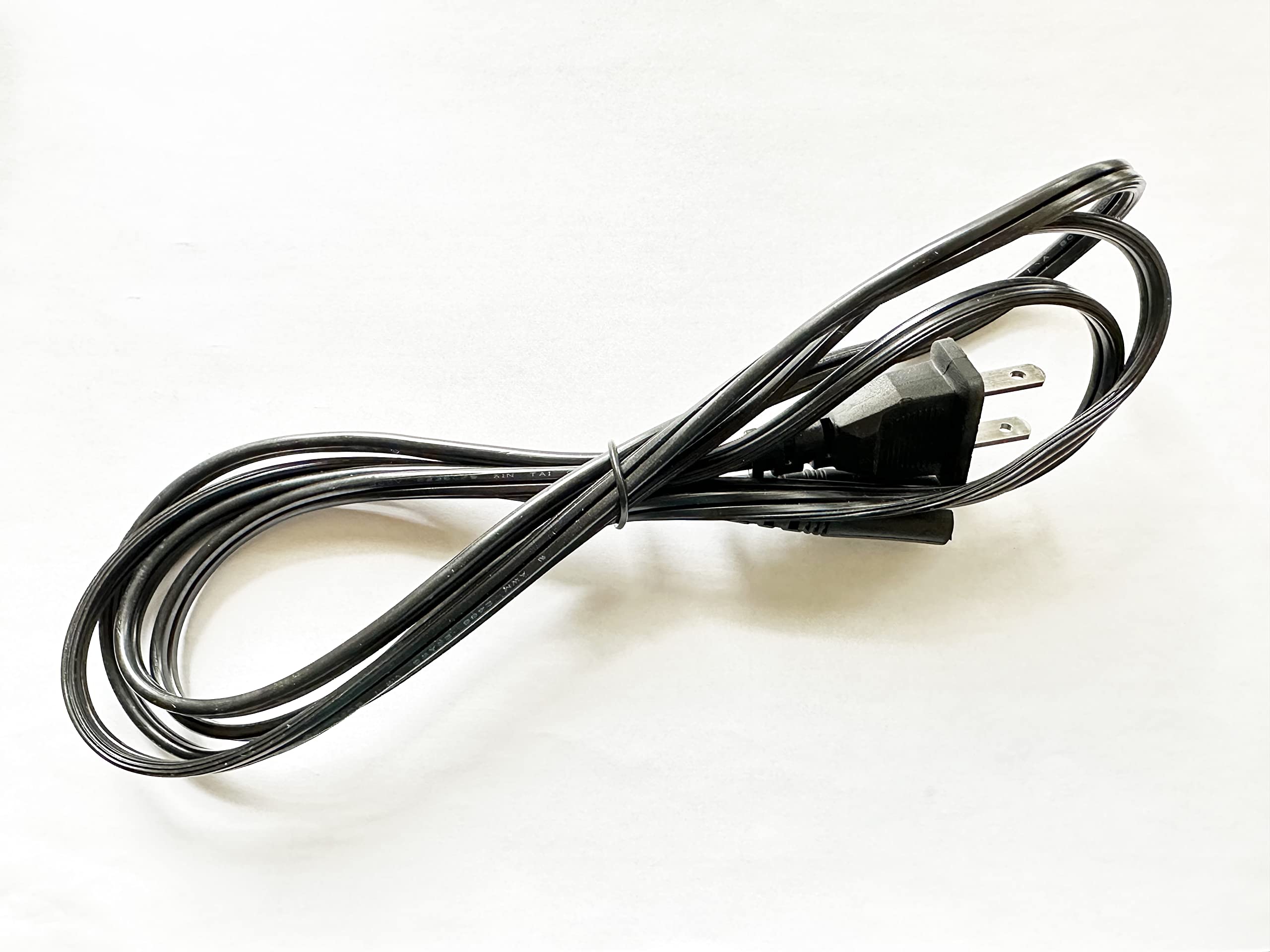
Electrical supply problems cause a surprisingly large percentage of inflation failures, yet many users immediately assume pump malfunction without verifying their power connections. Before inspecting any internal components, confirm that electricity is actually reaching your pump through a systematic verification of the entire power delivery pathway.
Begin by unplugging the pump entirely and examining the power cord from end to end, looking for visible damage such as fraying, cuts, kinks, or exposed wiring. Even minor cord damage can create intermittent connections that prevent sufficient power delivery, and such damage often develops in areas that receive frequent bending or stress during storage and use. Run your fingers along the cord length (with the pump unplugged) to feel for internal wire breaks that might not be visible externally—these feel like localized swelling or irregularity in the cord texture.
The connection point between the pump and air hose deserves equal scrutiny, as these interfaces can develop problems over time through repeated assembly and disassembly. Ensure that all connections click securely into place and form airtight seals, as even small gaps can dramatically reduce inflation performance. If your pump uses battery power rather than AC current, remove the batteries and inspect both the batteries and battery contacts carefully. Corroded contacts or depleted batteries frequently cause symptoms that exactly mimic complete pump failure, and this possibility is easily overlooked when troubleshooting more complex systems. Install a fresh set of batteries even if your existing batteries show nominal charge, as batteries that appear functional often fail under the electrical load that pumps demand.
Verify Wall Outlet and Voltage Stability
When using AC-powered pumps, the wall outlet itself may be the source of the problem rather than any component of the air mattress system. Test the outlet by plugging in a different device—a lamp, phone charger, or any small appliance—to confirm that the outlet delivers consistent power. If your test device operates normally, try the pump in a different outlet to eliminate the possibility of circuit-specific issues that might not affect other outlets in your home.
Some air mattress pumps incorporate thermal protection mechanisms that automatically shut down the motor when voltage drops below acceptable levels. These safety features protect the motor from damage but can confuse troubleshooting by making the pump appear completely non-functional. If your pump worked previously but now shows no signs of life, and you’ve verified that the outlet and cord are functional, allow the pump to rest for at least fifteen minutes in case thermal protection has activated. After this rest period, attempt inflation again with the pump in a well-ventilated area where overheating is less likely to recur.
Test Pump Motor Function Without Mattress
Disconnect the pump from your air mattress and perform a direct test of motor function by activating the pump while holding your hand near the air outlet. Strong, consistent airflow indicates that your pump is working correctly, suggesting that the problem lies somewhere in the connection pathway between pump and mattress. No airflow despite normal motor sounds points toward internal pump blockages or mechanical failures requiring more detailed investigation.
A pump that runs but produces noticeably reduced airflow may be struggling against internal debris accumulation, motor degradation, or mechanical wear that reduces efficiency over time. These symptoms often develop gradually, with users noticing progressively longer inflation times before recognizing that pump performance has degraded significantly. In some cases, disassembly and cleaning can restore some lost performance, while severely degraded motors may require complete pump replacement.
Pay attention to the sound your pump makes during operation. Healthy motors produce consistent whirring or humming sounds without rattling, grinding, or intermittent sputtering. Unusual sounds often precede complete motor failure and can help you diagnose developing problems before they leave you without a functional pump during an inconvenient time. If your pump sounds abnormal but still produces adequate airflow, schedule replacement planning rather than waiting for complete failure.
Clear Hose and Nozzle Blockages in 3 Steps
The inflation pathway between pump and mattress offers numerous opportunities for airflow restriction that mimics pump failure or significantly impairs inflation performance. Dust, sand, small debris, and accumulated lint can build up within flexible hoses, creating partial blockages that reduce airflow below levels required for efficient mattress inflation. Connection points where hoses attach to pumps and mattresses prove particularly prone to such obstructions, as these junctions naturally collect foreign material during use and storage.
Follow this simple three-step process to clear blockages:
1. Disconnect the hose from both pump and mattress completely
2. Flush thoroughly with warm soapy water to dislodge accumulated debris
3. Allow to dry completely before reassembly (moisture can promote mold growth)
Inspect the hose interior by holding it up to a light source—if you cannot see light clearly through the entire length, remaining debris may still be restricting airflow. The nozzles included with your pump require equal attention, as their small orifices easily become clogged with dust or debris from previous inflation sessions. Clean nozzles using warm water and a thin, flexible object like a pipe cleaner to remove any visible blockage. Verify that you are using the correct nozzle size and style for your specific mattress valve, since mismatched connections restrict airflow even when both components function perfectly.
Fix Mattress Valve Airflow Restrictions
Some air mattresses feature valve designs requiring specific orientation or insertion depth to achieve proper sealing, and these requirements vary significantly between manufacturers. Review your mattress documentation to confirm correct connection techniques, paying particular attention to any locking mechanisms or specific insertion requirements. If the valve appears damaged, cracked, or warped, it may need replacement rather than simple adjustment.
Inspect your mattress valve carefully while the pump runs to determine whether air escapes around the valve body rather than flowing into the mattress—a clear sign of valve problems or improper connection. Internal valve components can fail or become damaged in ways that restrict airflow without completely preventing inflation. Small plastic pieces within the valve mechanism can crack, warp, or break in ways that partially block the air pathway while still allowing some airflow to pass.
The pump’s own intake vents deserve inspection and cleaning if airflow seems restricted. These vents can accumulate dust, pet hair, and debris that forces the motor to work harder than designed, eventually leading to premature overheating and thermal shutdown. Clean intake vents using a small brush or compressed air, working carefully to avoid forcing debris deeper into the pump housing. Regular cleaning of these intake areas prevents repeated overheating incidents and extends your pump’s operational life considerably.
Locate and Repair Air Mattress Leaks
When your pump runs normally but the air mattress fails to inflate or loses pressure rapidly after achieving inflation, air leakage is almost certainly the culprit. The most effective leak detection method involves applying soapy water to all surfaces of the inflated mattress while listening carefully for escaping air that creates characteristic hissing or bubbling sounds. Focus particularly on seam lines, valve surrounds, and any areas where the material shows visible signs of wear, creasing, or damage.
For smaller leaks that prove difficult to locate through sound alone, submerging sections of the mattress in water and watching for bubble trails reveals even minute holes that might otherwise escape detection. Once you’ve located a leak, several repair approaches offer varying durability depending on the damage size and location. Small punctures can be sealed effectively using vinyl repair kits available at most camping supply and hardware stores, with success depending on thorough cleaning of the repair area and adequate curing time before re-inflation.
Apply patch materials slightly larger than the damaged area, pressing firmly to ensure complete adhesion, and allow the recommended cure time before testing the repair under pressure. For larger leaks or those occurring along seams, consider using a hot glue gun as a temporary solution (though this carries risks of material damage from excessive heat). Remember that proper repair materials designed specifically for vinyl or PVC surfaces will yield more durable results than household alternatives.
Emergency Inflation Alternatives When Pump Fails
When pump failure leaves you without functional inflation equipment, several alternative approaches can provide sufficient air to make your mattress usable until proper repairs or replacement can be arranged. A household vacuum cleaner equipped with a blow function reverses airflow direction and can direct air into your mattress through appropriate nozzle attachments. This approach requires experimentation to achieve proper sealing between vacuum nozzle and mattress valve, but it generates substantial airflow volumes that often rival or exceed dedicated air mattress pumps.
A hairdryer set to its lowest heat setting and operated in cool-air mode offers another inflation alternative, though this method requires careful temperature control to avoid damaging mattress material through excessive heat exposure. Always monitor the mattress surface temperature during this process and discontinue if you notice any material distortion or damage. The hairdryer method’s primary advantage lies in its universal availability in most households, making it valuable for emergency situations when no other inflation equipment is accessible.
Prevent Future Air Mattress Inflation Failures
Proactive maintenance significantly extends the life of your air mattress inflation system and prevents the frustration of unexpected failures when you need functionality most. Establish a routine of inspecting all components before extended storage or anticipated use, checking for visible damage, debris accumulation, and proper connection integrity. Catching developing problems early allows for low-cost repairs before failures escalate to requiring complete replacement.
Store your air mattress and pump in a clean, dry location away from extreme temperatures and direct sunlight that can degrade materials over time. Avoid storing either component in a fully compressed state for extended periods, as this places constant stress on seams and materials that accelerates degradation. Rolling or folding your mattress loosely and storing it in a breathable bag prevents moisture accumulation while protecting against physical damage.
Regularly exercise your pump by performing test inflations even during periods when the mattress isn’t needed for sleeping. This practice keeps internal mechanisms lubricated, identifies developing problems early, and ensures that your equipment will function reliably when actually required. Document any performance changes you notice over time, creating a history that helps predict when replacement might become necessary before complete failure occurs.
Replace or Repair: Making the Right Decision
Despite extensive troubleshooting options, certain failure modes make repair impractical compared to replacement. Pumps with burned-out motors, damaged internal circuitry, or failed thermal protection systems typically require complete assembly replacement rather than component-level repair, and replacement costs often approach or exceed the price of new pump units. Similarly, air mattresses with extensive damage, multiple leak locations, or severely degraded materials prove more economical to replace than to repair, particularly when considering ongoing reliability concerns that accompany patched equipment.
Consider total replacement when repair costs exceed fifty percent of new equipment prices, when multiple failure modes exist simultaneously, or when equipment age suggests additional failures are likely in the near future. In many cases, the modest investment in replacement equipment provides superior value compared to repeated repairs of aging systems that never quite restore original performance levels. Remember that consumer-grade air mattresses and pumps generally fall into the replacement category when major failures occur, while higher-end commercial-grade equipment may justify professional repair service investment.