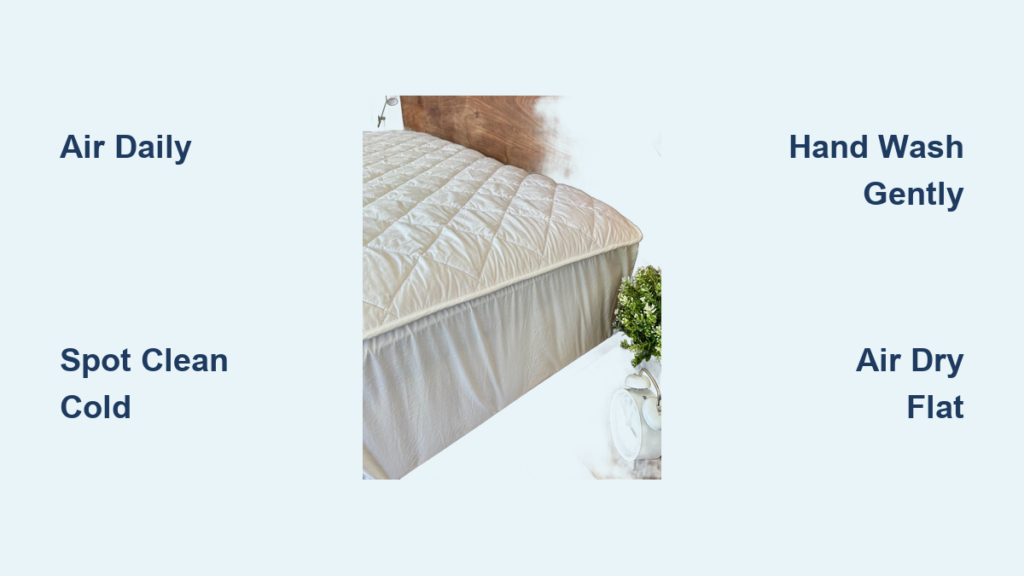
Your wool mattress pad represents a significant investment in sleep comfort, offering natural temperature regulation, moisture-wicking properties, and hypoallergenic benefits that synthetic alternatives simply cannot match. However, unlike conventional bedding, this luxurious addition to your bed requires specific care techniques to maintain its softness, loft, and beneficial properties over time. Improper cleaning methods—whether too frequent washing, using the wrong detergents, or applying excessive heat—can cause irreversible damage including shrinkage, felting, and loss of that beloved silky texture you paid for. This comprehensive guide walks you through everything you need to know about how to clean wool mattress pad properly, from daily maintenance habits that minimize deep cleaning needs to detailed stain removal processes and drying techniques that preserve your investment for years to come.
Understanding the correct approach to wool mattress pad care starts with recognizing that wool is fundamentally different from synthetic fibers or even cotton. The natural structure of wool fibers—with their overlapping scales and lanolin coating—responds uniquely to water, agitation, and temperature. What works perfectly fine for your cotton sheets may ruin your wool pad permanently. By learning these essential care principles now, you’ll avoid costly mistakes and keep your mattress pad feeling plush and fresh throughout its lifespan.
Why Wool Mattress Pads Demand Special Cleaning Methods
Before attempting any cleaning, you must understand the science behind wool’s unique behavior. Natural wool fibers feature tiny overlapping scales on their exterior surface, similar to roof shingles pointing in the same direction. These scales interact with each other in ways that synthetic fibers simply don’t replicate. When wool becomes wet, the fibers swell and the scales lift, allowing them to interlock more readily. Add heat and agitation to this equation, and the scales lock together permanently—resulting in the shrinkage and felting that has ruined countless wool garments and bedding items.
The lanolin coating on wool fibers adds another dimension to care considerations. This natural oil provides wool with its characteristic silky feel while also contributing to dust mite and mildew resistance. Harsh detergents strip this lanolin away, removing some of wool’s most valuable natural properties. Regular laundry detergents contain enzymes and brighteners designed for cotton and synthetic fibers that can break down wool fibers over time, gradually reducing your mattress pad’s softness and loft.
Perhaps most importantly, wool possesses remarkable self-cleaning capabilities that most people never fully utilize. The fiber actively wicks moisture away from your body during sleep and releases it into the air, making wool bedding naturally hygienic. This means frequent machine washing isn’t just unnecessary—it actually diminishes the very properties that make wool special. Understanding these fundamental characteristics empowers you to care for your mattress pad in ways that enhance rather than undermine its natural benefits.
Daily Maintenance That Reduces Deep Cleaning Needs
Establishing consistent maintenance routines represents the most effective strategy for keeping your wool mattress pad clean while dramatically reducing how often you need thorough cleaning. These simple practices take only minutes each day but significantly extend the pad’s lifespan.
The single most impactful habit involves unmaking your bed every morning and allowing the mattress pad to breathe. Pull back all sheets, blankets, and comforters to expose the pad completely, giving it one to two hours to release the moisture it wicked away from your body overnight. This practice addresses the primary source of odor and potential mildew concerns before they can develop. Think of it as giving your mattress pad a chance to “exhale” after a night of work keeping you comfortable.
Monthly rotation and flipping provides another simple maintenance step that distributes wear evenly across the surface. Pull the pad down over the foot of your bed to expose the middle section to air, then rotate it 180 degrees and flip it over if construction allows. This prevents the compression and flattening that naturally occurs in areas where you regularly sleep, maintaining consistent comfort throughout the pad’s surface rather than developing dips and valleys over time.
How to Spot Clean Spills on Wool Mattress Pads
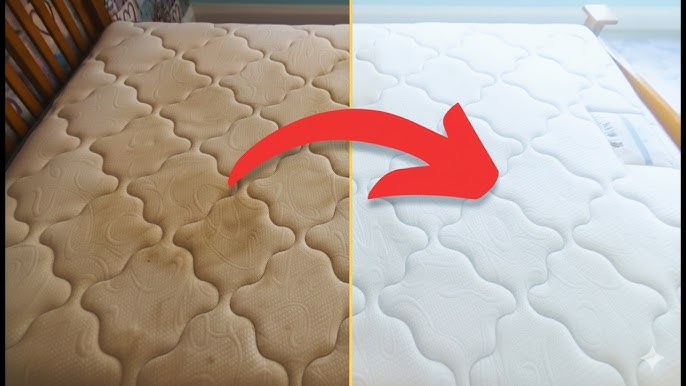
When accidents happen, prompt and proper spot cleaning prevents permanent staining and damage. The guiding principle for all wool cleaning remains gentle action: blot rather than rub, use cold water exclusively, and avoid aggressive agitation of any kind.
Begin any spot cleaning effort by blotting the affected area with a clean, dry cloth or paper towel to absorb as much liquid as possible. Press firmly and hold for several seconds to draw moisture out, then lift straight up without rubbing. Repeating this process with fresh dry areas of the cloth removes more liquid than a single initial blot. Rubbing pushes stains deeper into fibers and damages the wool structure through friction.
Once you’ve removed excess moisture, prepare a cleaning solution by mixing a small amount of mild, wool-safe detergent with cool water. Dampen a clean cloth with this solution and gently dab the stained area, working from the outside edges toward the center to prevent the stain from spreading outward. Avoid soaking the pad—damp is sufficient. Rinse by blotting with a separate cloth dampened with clean water to remove any detergent residue. Finally, press a dry towel onto the cleaned area to absorb remaining moisture, and allow the pad to air dry completely before placing it back on the bed.
Pro Tip: For natural stain removal without commercial products, a thick paste made from salt, baking soda, and water works effectively for many liquid stains. Apply the paste to the affected area, allow it to dry completely, then gently brush away the powder. For urine stains, a 50/50 mixture of white vinegar and water helps neutralize odors and lift staining without damaging wool fibers when used properly. Always use cold water—hot water sets protein-based stains like urine and blood permanently into wool fibers.
Machine Washing Wool Mattress Pads: When & How
Machine washing a wool mattress pad requires careful attention to settings, products, and technique. Not all wool mattress pads tolerate machine washing—always verify manufacturer instructions before proceeding.
Some manufacturers treat their wool fibers with specialized processes that change how the fibers interact during washing, preventing the felting and shrinkage that typically occur. Woolroom and similar companies offer machine-washable lines specifically designed for this treatment. However, even treated wool requires specific settings. Untreated or minimally processed wool generally should never go in a washing machine, as the water and agitation will cause significant shrinkage and fiber damage.
When machine washing is appropriate, follow these critical guidelines:
- Use a front-loading washing machine exclusively—top-loaders with agitators create excessive agitation that damages wool fibers beyond recovery
- Select the “delicate,” “woolen,” or “hand wash” cycle with cold water only
- Choose a mild detergent formulated specifically for wool, such as Eucalan or Kookaburra
- Avoid bleach, fabric softeners, and enzyme-based cleaners entirely
- Use the lowest water level setting appropriate for the load size
Never machine wash in hot water, never use regular laundry detergent, and never place wool in a dryer after machine washing. Each of these common mistakes causes permanent damage that cannot be reversed.
Hand Washing Your Wool Mattress Pad Safely

Hand washing provides the safest method for deep cleaning wool mattress pads that need more attention than spot cleaning provides but aren’t suitable for machine washing. This gentle approach protects fibers while effectively removing accumulated dirt and oils.
The bathtub method works well for most home cleaning situations. Fill a bathtub with a few inches of cool to tepid water, adding a small amount of wool-specific detergent. Press the mattress pad into the water, ensuring it’s completely saturated, and allow it to soak for approximately thirty minutes. During this time, gently knead and swoosh the pad to release dirt and oils without vigorous agitation. Avoid wringing or twisting, which damages fibers and causes distortion.
Drain the tub and refill with clean, non-soapy water for rinsing. Swoosh and knead the pad again to remove all detergent residue, which is crucial—remaining detergent attracts more dirt and can damage fibers over time. Allow the pad to continue draining for another thirty minutes or more, periodically ringing out excess water by pressing rather than twisting. When the pad is damp but not dripping wet, remove it from the tub and lay it flat on a clean, waterproof surface to finish drying.
Proper Drying Techniques That Prevent Shrinkage
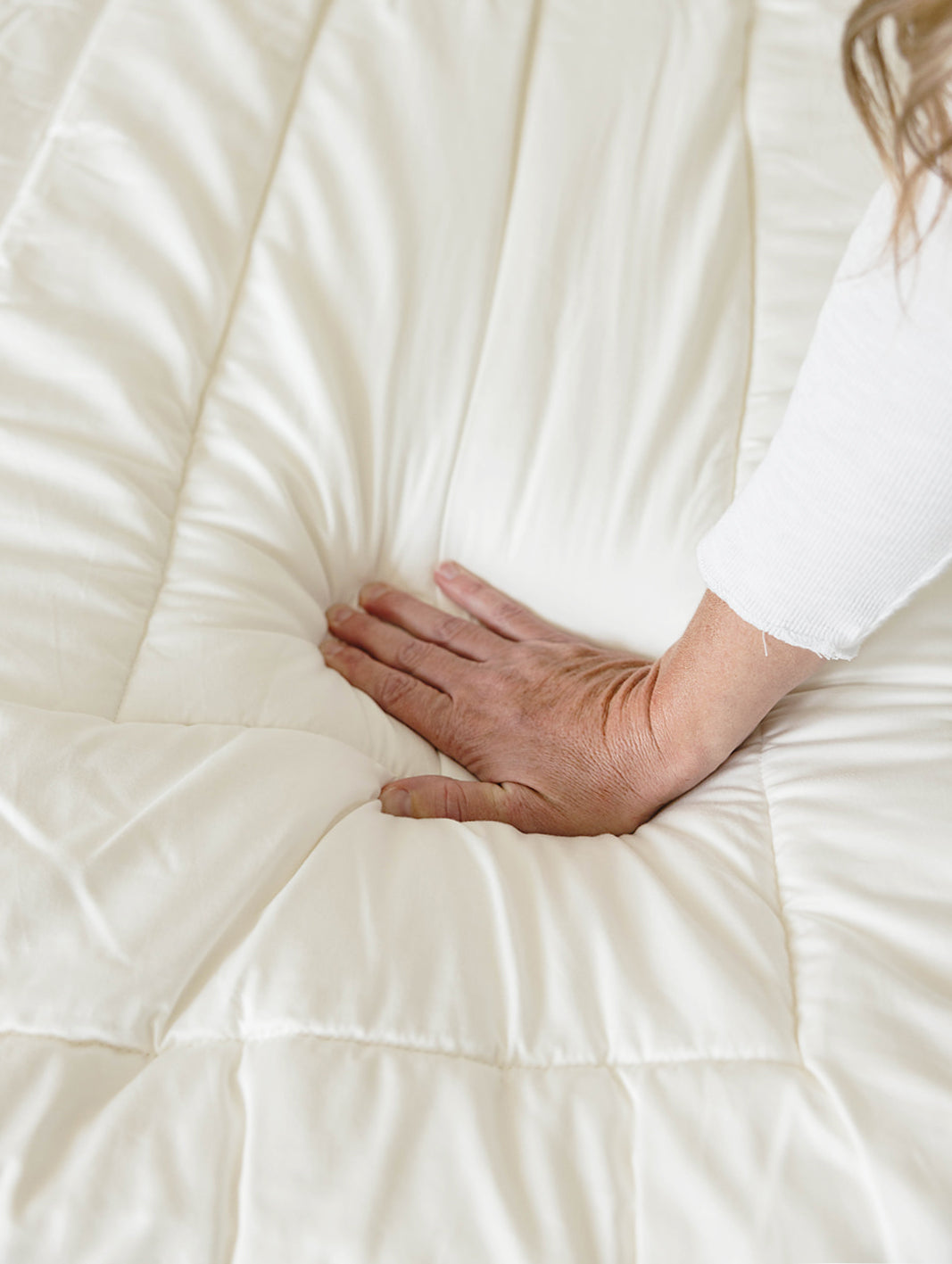
Drying is equally critical as washing when it comes to maintaining your wool mattress pad’s shape, loft, and quality. Improper drying can undo all the benefits of careful washing and cause permanent damage.
Flat air drying represents the preferred method for all wool mattress pads. Lay the clean, damp pad on a clean, waterproof surface such as a clean floor, drying rack, or flat outdoor area in shade. Arrange the pad completely flat and smooth, reshaping it to original dimensions. Allow it to dry completely before use, which may require 24-48 hours depending on humidity and thickness. During drying, periodically smooth and reshape the pad to prevent bunching or uneven drying.
Never use high heat, never dry in direct sunlight during the actual drying process (brief pre-dry sun exposure is fine), never hang wet wool to dry, and never wring or twist to remove water. Each of these common mistakes causes permanent damage. The weight of water stretching wet hung wool distorts shape beyond recovery. High heat causes shrinkage and fiber damage. Direct sunlight during drying weakens fibers and causes fading.
7 Critical Mistakes That Ruin Wool Mattress Pads
Certain cleaning methods cause irreversible damage to wool fibers. Understanding these pitfalls helps you avoid costly errors that cannot be undone.
-
Never use aggressive agitation such as beaters or heavy beating. While beating rugs and blankets was once common practice, this technique absolutely destroys wool mattress pads.
-
Never soak or submerge wool excessively. Getting a wool mattress pad completely sodden does internal fibers no favors and results in difficult-to-address clumps.
-
Never steam clean wool bedding despite steam cleaners’ reputation for antibacterial cleaning. Excess moisture causes fibers to clump together, and heat can set stains rather than removing them.
-
Never use hot water for any wool cleaning purpose. Hot water causes fibers to swell, uncurl, and lock together as they cool, resulting in shrinkage and felting.
-
Never use regular laundry detergents. Standard detergents contain enzymes, brighteners, and harsh chemicals designed for cotton and synthetics that strip lanolin and damage wool fibers.
-
Never wash wool frequently. Wool’s self-cleaning properties make frequent washing unnecessary and progressively harmful.
-
Never machine dry wool. The heat and tumbling action causes irreversible shrinkage and felting that cannot be corrected.
Quick Reference for Wool Mattress Pad Care
Keep these essential practices in mind whenever caring for your wool mattress pad:
– Air daily by unmaking the bed and allowing moisture to escape
– Rotate and flip monthly to distribute wear evenly
– Give your pad seasonal sun exposure for natural deodorizing
– Address spills immediately with cold water and gentle blotting
– Machine wash only treated wool on delicate cycles with wool-specific detergent
– Hand wash in cool water with gentle agitation for deepest cleaning
– Always air dry flat, never use heat or hang wet wool
By following these comprehensive guidelines for how to clean wool mattress pad properly, your investment will remain clean, fresh, and comfortable for many years. The natural properties that make wool superior to synthetic alternatives—temperature regulation, moisture management, and hypoallergenic benefits—remain intact when you care for your mattress pad correctly. A little attention to proper technique delivers returns in extended lifespan and consistent comfort that makes the effort worthwhile.