When shopping for a new mattress, most people focus on size, firmness, and price—but few consider a critical factor that directly impacts comfort and longevity: mattress weight capacity. Ignoring this specification can lead to premature sagging, uneven wear, and inadequate support that ruins your sleep quality within months. Understanding weight limits isn’t just for heavier individuals—it’s essential knowledge for anyone seeking durable, supportive sleep. This guide reveals how different mattress types handle weight, when to consider specialized options, and how to maximize your mattress lifespan regardless of your body type.
The reality is that standard mattresses support about 350 pounds per person, but this number changes dramatically based on your foundation and frame. Many sleepers exceed this threshold without realizing their mattress requires specific support infrastructure to perform properly. Whether you’re a petite individual concerned about longevity or someone needing specialized support, knowing your mattress weight capacity ensures you invest in a sleep system that delivers years of restful nights rather than months of discomfort.
How Standard Mattresses Handle Different Weight Loads
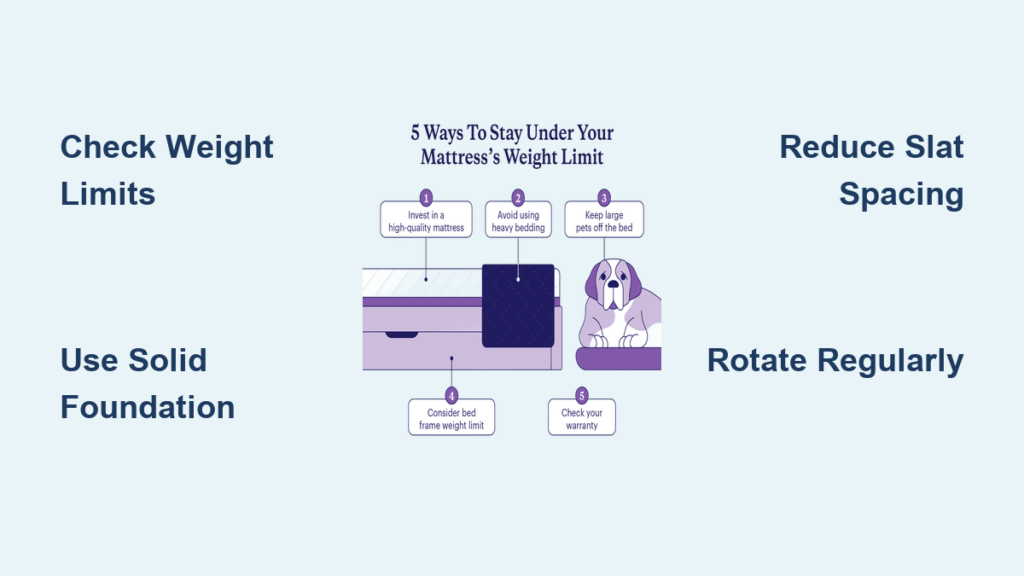
Most quality adult mattresses support approximately 350 pounds per person, or 700 pounds total for queen and king sizes. This isn’t a strict limit but a performance threshold where manufacturers guarantee proper support and structural integrity. However, your actual experience depends heavily on the foundation beneath your mattress—many premature failures occur not because sleepers exceed weight limits, but because worn or inadequate foundations fail to distribute weight properly.
Premium mattresses with high-density foams and reinforced coil systems maintain support characteristics longer under heavy use than economy options. These constructions feature:
– Denser comfort layers that resist deep body impressions
– Reinforced edge support to prevent roll-off
– Multi-layered internal structures that distribute weight evenly
For sleepers near or above standard limits, investing in premium materials delivers tangible benefits. Higher-density foams (5 PCF or greater) maintain their shape under sustained pressure, while reinforced coil systems prevent excessive sinkage. Just remember that even the highest-quality mattress requires proper foundational support to reach its full weight-bearing potential.
Bariatric Mattresses for 750+ Pound Weight Capacity

When standard mattresses prove insufficient, specialized bariatric air mattresses accommodate 750 to 850 pounds with engineered precision. These aren’t merely thicker versions of standard mattresses—they incorporate fundamentally different construction principles to handle extreme weight while maintaining comfort and therapeutic benefits.
The secret lies in their multi-layered laminated core featuring high-density Visco elastic memory foam across the entire surface. This design simultaneously provides pressure-relieving comfort at the top layer while maintaining structural stability beneath. Unlike standard mattresses that may bottom out under heavy weight, bariatric models incorporate alternating pressure technology that cycles air through cells every 5-10 minutes.
This continuous pressure redistribution delivers two critical benefits for heavier sleepers:
– Prevents pressure ulcers by allowing blood flow to restore to compressed tissues
– Eliminates concentrated pressure points that cause discomfort and premature wear
– Maintains proper spinal alignment regardless of body position
For individuals spending extended time in bed due to health conditions, this technology transforms sleep quality while addressing specific medical needs that standard mattresses cannot accommodate.
Solid Foundations Beat Box Springs for Heavy Sleepers
:max_bytes(150000):strip_icc()/platform-bed-vs-box-spring-5216570-5acea4bcf8f641d8a0c4e1a44e5ad321.png)
Your mattress weight capacity depends as much on what’s underneath it as the mattress itself. Traditional box springs fail dramatically for heavier sleepers—designed for shock absorption rather than rigid support, their internal springs compress permanently under sustained heavy loads, creating uneven support that accelerates mattress degradation.
Instead, prioritize these foundation solutions:
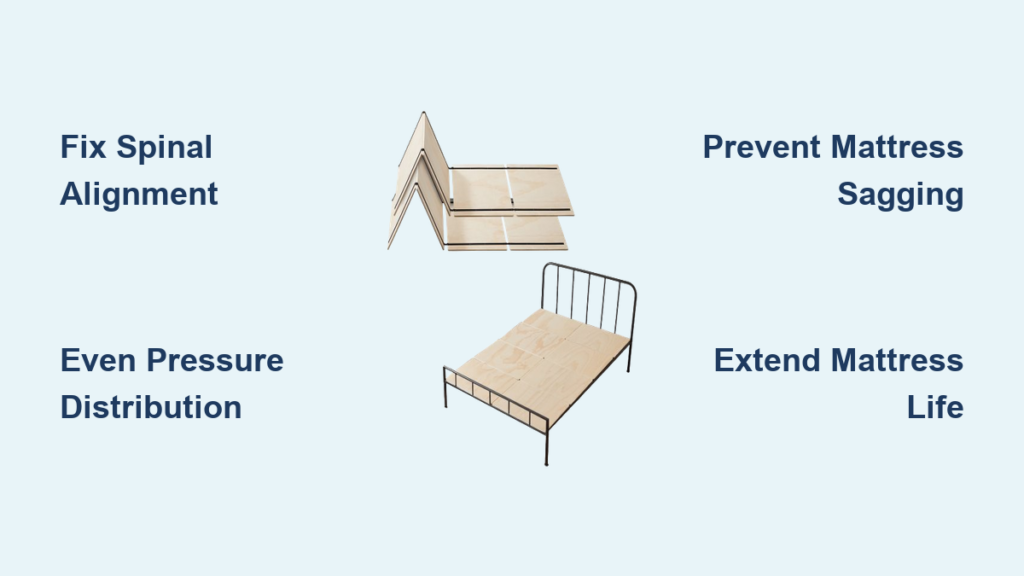
– Solid platform beds with continuous plywood or particleboard surfaces
– Metal foundation frames with wire mesh instead of slats
– Reinforced platform bases specifically rated for higher weight capacities
For slatted frames that remain your preference, slat spacing becomes critical. Standard frames with 4-6 inch spacing create unsupported zones where mattress materials compress excessively. Heavier sleepers need slats no more than 2-3 inches apart, with thicker slats (minimum 0.75 inches) that resist bending under load. The frame itself requires central support legs extending to the floor and reinforced corner joints to prevent shifting or collapse.
Optimal Slat Configuration for Maximum Weight Support

The precise spacing between bed frame slats directly determines how well your mattress handles weight. Wider gaps allow mattress materials to stretch between support points, creating a hammocking effect that concentrates pressure and accelerates wear. For sleepers approaching standard weight limits, reducing slat spacing to 2 inches or less provides dramatically better support distribution.
When evaluating slatted frames, consider these specifications:
– Slat thickness: Minimum 0.75 inches for adequate rigidity
– Material: Solid wood outperforms thin metal for consistent support
– Spacing: 2 inches maximum for sleepers over 250 pounds
– Frame reinforcement: Central support legs essential for queen/king sizes
Metal slat systems designed specifically for higher weight capacities offer excellent alternatives to wood. These feature thicker gauge metal, closer spacing, and reinforced mounting points that maintain structural integrity under heavy, consistent loads. Always verify manufacturer weight ratings for both mattress and foundation—they work as a system, and the weakest component determines your effective mattress weight capacity.
Mattress Rotation Strategies That Extend Lifespan
Heavier sleepers experience accelerated compression patterns that require proactive maintenance. Standard rotation recommendations of every 6-12 months prove insufficient—implement a schedule of rotating your mattress head-to-foot every 2-3 months to distribute wear evenly across the entire surface.
This simple routine prevents permanent body impressions that compromise support in specific zones. As you rotate, check for these warning signs of inadequate weight support:
– Visible sagging exceeding 1.5 inches in depth
– Increased morning aches or stiffness
– Difficulty finding comfortable sleeping positions
– Noticeable wear patterns on comfort layers
Address foundation issues immediately when these signs appear. Replacing worn slats or upgrading to a solid platform bed often resolves support problems without requiring premature mattress replacement. Remember that your foundation components wear out faster under heavy loads—inspect them quarterly for bending, weakness, or instability.
Children’s Mattresses: Surprising Weight Capacity Margins
Parents often worry about children outgrowing their mattresses, but quality kids’ models feature generous weight margins. The Avocado Eco Organic Kids Mattress, for example, supports at least 250 pounds—far exceeding typical childhood weight ranges. This substantial safety buffer ensures the mattress maintains structural integrity throughout growth spurts and active use.
Children’s mattress testing protocols frequently exceed adult product standards due to additional safety considerations for minors. The rigorous testing accounts for:
– Vigorous play and jumping
– Uneven weight distribution during sleep
– Extended use throughout developmental stages
Teenagers approaching adult size typically transition to adult mattresses not because of weight concerns, but due to changing sleep preferences and support needs. Most quality children’s mattresses comfortably accommodate users through late adolescence without weight-related issues.
Memory Foam Density: The Hidden Weight Capacity Factor
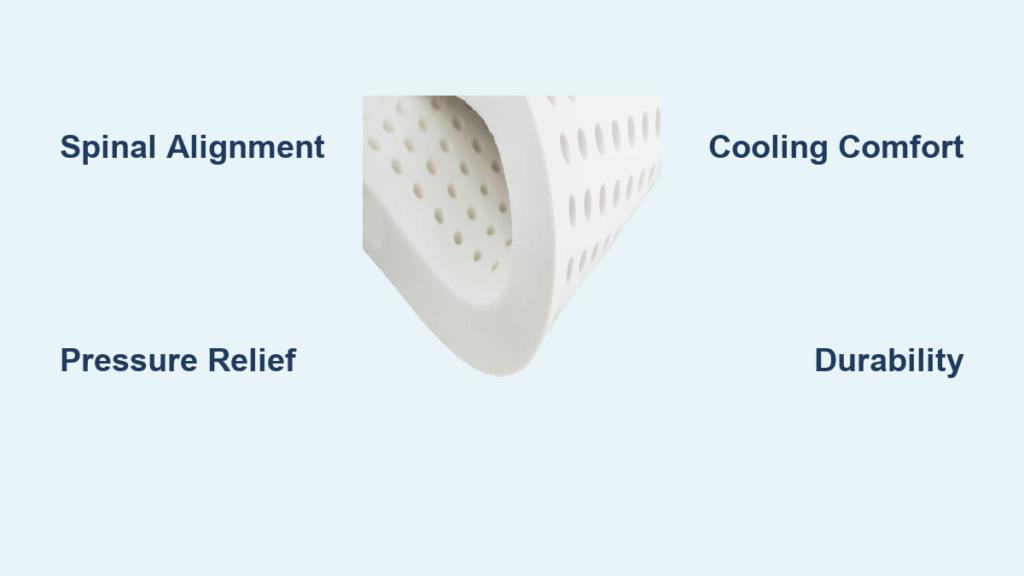
Foam density, measured in pounds per cubic foot (PCF), directly determines weight-handling capabilities. Higher-density foams (5 PCF or greater) maintain structural integrity under sustained pressure, resisting the deep impressions that plague lower-density alternatives. While initially feeling firmer, this density provides genuine support that won’t compress quickly under heavy use.
Premium bariatric constructions layer multiple foam densities to achieve both comfort and support:
– High-density Visco elastic memory foam (5+ PCF) at the surface for pressure relief
– Transitional foam layers that distribute weight evenly
– High-resilience base foams that prevent bottoming out
This strategic layering ensures heavier sleepers receive both the cushioning comfort they need and the structural support their bodies require—without compromising either aspect.
Choosing Your Perfect Mattress Weight Capacity
Selecting the right mattress requires honest assessment of your current weight, reasonable future projections, and sleeping patterns. Consider these decision factors:
– Single vs. couple use: A 300-pound single sleeper has different needs than a 600-pound couple
– Foundation quality: A solid platform bed significantly boosts effective weight capacity
– Sleep position: Side sleepers concentrate weight differently than back sleepers
– Long-term expectations: Allow margin for natural weight fluctuations
When your weight approaches standard limits, prioritize mattresses with:
– Higher foam densities (5+ PCF for memory foam models)
– Reinforced coil systems with thicker gauge wires
– Multi-layered construction with dedicated support cores
– Manufacturer specifications explicitly addressing higher weight needs
The right mattress weight capacity isn’t about limitations—it’s about matching your unique body to the sleep system that best supports your health and comfort for years to come. By understanding these specifications and implementing proper maintenance, you’ll enjoy restful, supportive sleep regardless of your size.