Waking up with lower back pain that gradually improves as you move through your morning routine isn’t just bad luck—it’s your mattress actively damaging your spine while you sleep. The connection between poor sleep surfaces and chronic back pain involves precise biomechanical failures that most people never consider. How does a bad mattress cause back pain? It forces your spine out of its natural S-shaped alignment, strains muscles all night, and compresses discs in ways that trigger inflammation and nerve irritation. This isn’t about comfort—it’s about your skeletal structure being compromised for 6-8 hours every single night, creating cumulative damage that often takes weeks to notice but can take months to reverse.
Unlike daytime pain from obvious injuries, mattress-related back pain develops invisibly through repeated micro-traumas during sleep. Your body expects restorative recovery during deep sleep stages, but a deficient mattress prevents complete muscular relaxation, leaving you waking up more fatigued than when you went to bed. The good news is that identifying and replacing a problematic mattress can deliver dramatic pain relief—sometimes within just a few nights—once you understand exactly how your current sleep surface is sabotaging your spinal health.
Why Your Mattress Flattens Your Natural Spinal Curve
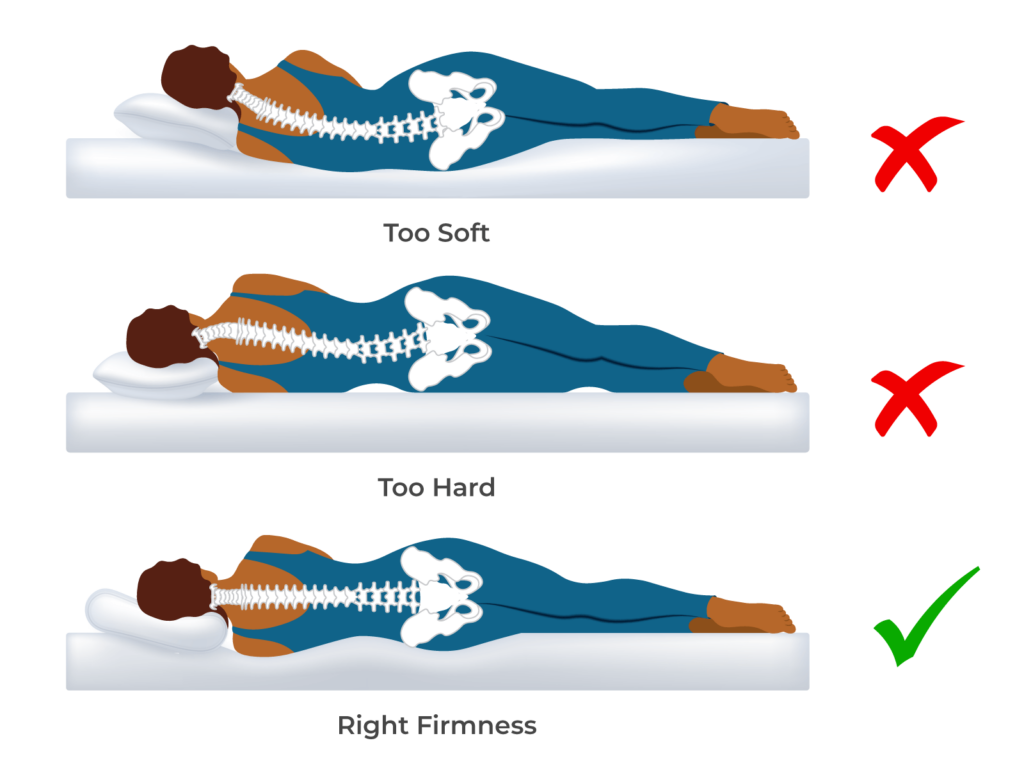
When you lie down on a mattress that’s too soft, your pelvis sinks excessively while your upper body remains elevated, forcing your lumbar spine into an unnatural C-shaped curve instead of maintaining its proper S-curve. This position stretches your posterior spinal ligaments while your erector spinae muscles engage in continuous eccentric contraction all night to prevent complete collapse. The result? Morning stiffness that takes 30-60 minutes of movement to resolve as your spine gradually returns to proper alignment.
Conversely, an overly firm mattress creates the opposite problem by preventing your pelvis from tilting naturally when lying on your back. This forces your lumbar spine into extension, compressing the front portions of your intervertebral discs while overstretching posterior ligaments. Many back pain sufferers discover that both extremely soft and firm surfaces worsen their symptoms, revealing that their ideal mattress must provide adaptive support—firm enough to prevent excessive sinking but soft enough to contour to their body’s natural curves.
How Different Sleep Positions Exacerbate Spinal Misalignment
Back sleeping on a soft mattress: Creates the most dramatic lumbar misalignment as your pelvis sinks while your shoulders remain suspended, flattening your lower back curve. You’ll typically wake with deep aching in your lower lumbar region that improves when standing.
Side sleeping on a firm mattress: Prevents adequate shoulder and hip immersion, causing your spine to bend laterally toward the mattress. This strains muscles along your entire spinal column and often manifests as pain radiating from your lower back up through your shoulder blades.
Stomach sleeping on any mattress: Forces your lumbar spine into hyperextension while twisting your neck to breathe, creating the most damaging combination for spinal health. Even high-quality mattresses can’t fully compensate for this problematic position.
Pressure Points That Trigger Nerve Compression and Pain

Bad mattresses create dangerous pressure concentrations at your body’s bony prominences—particularly your shoulders, hips, and heels—restricting blood flow and triggering localized inflammation. But the real danger lies in how these pressure points compress nerves passing near these areas, causing symptoms that extend far beyond the immediate pressure site. When your hip sinks too deeply into a soft mattress or rests on an unyielding firm surface, the piriformis muscle in your buttocks can spasm and compress the sciatic nerve, producing classic sciatica symptoms that many mistakenly attribute to other causes.
Recognizing Mattress-Induced Nerve Pain Patterns
- Sciatica symptoms that improve on weekends: If your radiating leg pain diminishes when sleeping elsewhere (like at a hotel), your mattress is likely compressing nerves during sleep
- Tailbone pain that worsens nightly: Coccydynia develops when inadequate padding over firm support surfaces creates direct pressure on your coccyx
- Morning numbness in hands or feet: Indicates nerve compression at shoulder or ankle points that resolves as you move throughout the day
The most insidious aspect of mattress-related nerve compression is that symptoms often develop gradually over months, making it difficult to connect your worsening pain with your sleep surface. Many patients undergo unnecessary treatments for “idiopathic” sciatica before discovering that simply replacing their mattress resolves their symptoms.
How Mattress Failure Accelerates Disc Damage
During sleep, your intervertebral discs undergo a critical hydration cycle where they absorb fluid to maintain shock absorption capacity. A bad mattress disrupts this process by creating uneven pressure distribution that prevents proper fluid exchange. Research shows sustained poor spinal positioning during sleep accelerates degenerative disc disease by limiting nutrient circulation within these cartilage structures. Without proper support, discs become dehydrated and compressed, losing their ability to cushion vertebrae and absorb impact.
Warning Signs Your Mattress Is Damaging Discs
Visible body impressions deeper than two inches indicate your mattress has lost structural integrity, creating uneven support that concentrates pressure on specific disc segments. Morning pain that takes hours to improve suggests discs haven’t had adequate time to rehydrate overnight. Increased pain after prolonged sitting reveals compromised disc function that can’t handle additional daytime compression after nightly mattress-related stress.
The most concerning pattern occurs when back pain progressively worsens over months despite conservative treatments—this often indicates cumulative disc damage from sleeping on a deteriorating mattress that continues to undermine your spinal health night after night.
Why Mattress Heat Retention Worsens Back Pain
Memory foam and other heat-retaining mattresses create a hidden problem that most back pain sufferers never consider: thermal discomfort fragments your sleep, preventing the deep REM cycles essential for muscular recovery. When your body overheats, you experience more nocturnal movements—sometimes dozens per night—as you instinctively seek cooler spots, subjecting your spine to repetitive micro-traumas. This constant repositioning prevents complete muscular relaxation, leaving you waking up with accumulated fatigue that amplifies pain perception.
The Sleep Quality-Pain Perception Cycle
Poor temperature regulation triggers a vicious cycle where thermal discomfort → fragmented sleep → reduced growth hormone production → impaired tissue repair → increased pain sensitivity → more difficulty sleeping. This explains why the same mattress might feel merely uncomfortable to a well-rested person but causes genuine pain for someone already sleep-deprived. If you frequently wake up sweating or notice increased nighttime movement, your mattress’s thermal properties may be significantly contributing to your back pain.
Selecting Your Pain-Relieving Mattress Based on Body Type
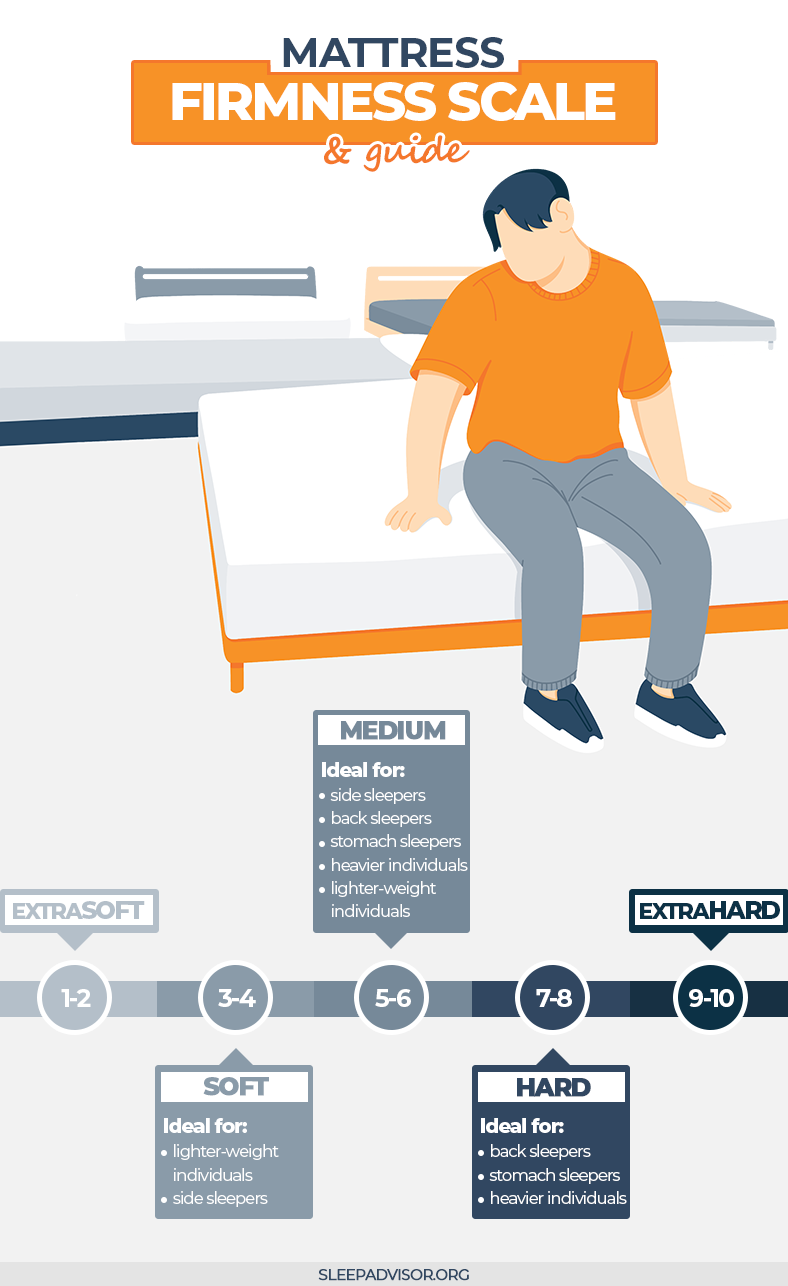
The ideal firmness level depends entirely on your weight and sleep position—there’s no universal “best” mattress for back pain. Lightweight side sleepers (under 130 pounds) typically need softer surfaces (3-5 on a 1-10 firmness scale) to allow adequate shoulder and hip immersion. Average-weight back sleepers (130-230 pounds) generally benefit from medium-firm support (5-7 firmness) that contours to lumbar curves without excessive sinking. Heavier stomach sleepers (over 230 pounds) often require firmer surfaces (7-9 firmness) to prevent pelvic sinking that exacerbates lumbar hyperextension.
Critical Support Features for Back Pain Sufferers
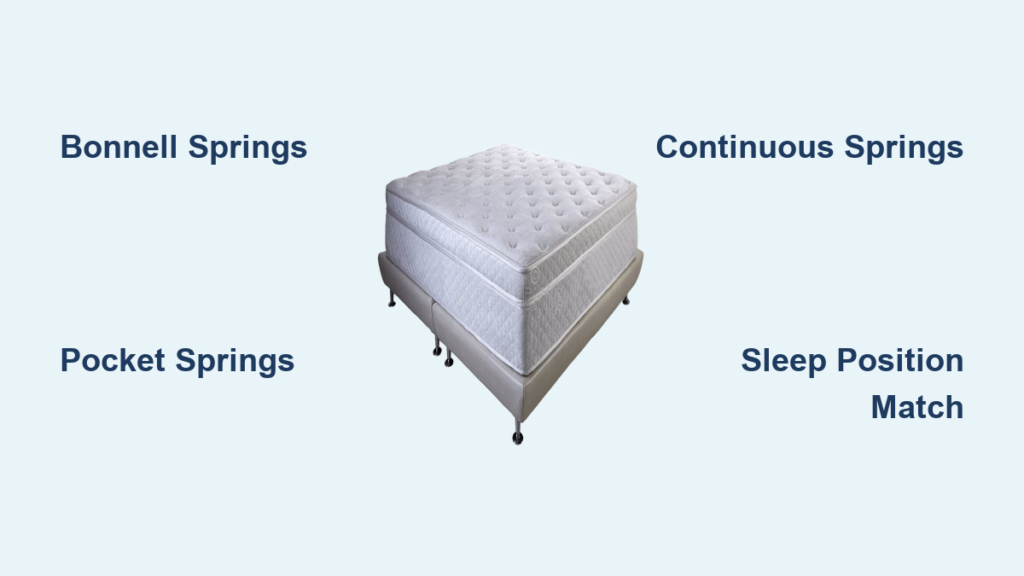
- Pocketed coil systems that move independently to accommodate body contours without creating pressure points
- Zoned support with reinforced lumbar areas providing targeted lower back support
- Latex or hybrid constructions that offer responsive support without excessive heat retention
- Minimum 10-inch profile to ensure adequate support layers beneath comfort materials
When testing mattresses, pay attention to how your lumbar curve feels after 15 minutes in your normal sleep position—proper support should eliminate gaps beneath your lower back without creating pressure points at your hips or shoulders.
Recognizing When Your Mattress Has Reached End-of-Life
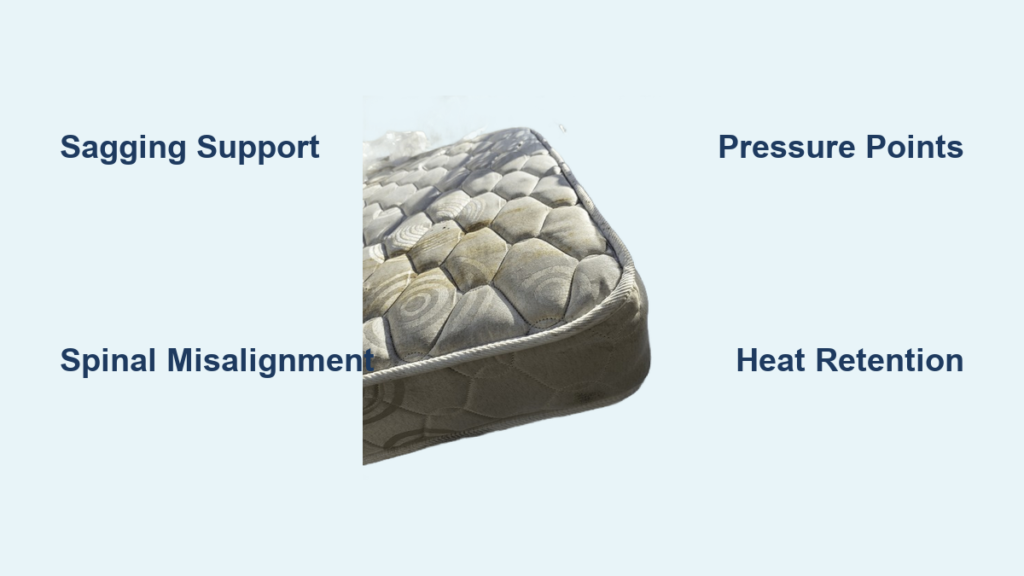
Most mattresses develop permanent body impressions within 3-5 years, creating uneven support that gradually worsens back pain. Visible sagging deeper than two inches, audible spring creaking, and increased morning stiffness compared to when the mattress was new all signal that replacement is overdue. High-quality mattresses typically last 7-10 years, but heavier individuals or couples may need replacement after just 5-7 years due to accelerated wear.
The Two-Finger Mattress Test
Place your hand flat on the mattress where you normally sleep. If you can easily sink your two fingers deeper than 2 inches into the surface, your mattress has lost adequate support and likely contributes to your back pain. Don’t wait for complete failure—replace your mattress when it shows early signs of deterioration to prevent cumulative spinal damage.
Immediate Relief Strategies While Mattress Shopping
Until you can replace your mattress, implement these pain-reducing modifications tonight:
- For back sleepers: Place a rolled towel (2-3 inches diameter) beneath your lumbar curve to restore natural lordosis
- For side sleepers: Position a firm pillow between your knees to maintain spinal alignment
- For all sleepers: Add a 2-3 inch latex topper to provide pressure relief without sacrificing support
These temporary fixes can reduce morning pain by 30-50% while you evaluate new mattress options, but remember they’re only stopgaps—the underlying problem requires proper mattress replacement.
Preventing Future Mattress-Related Back Pain
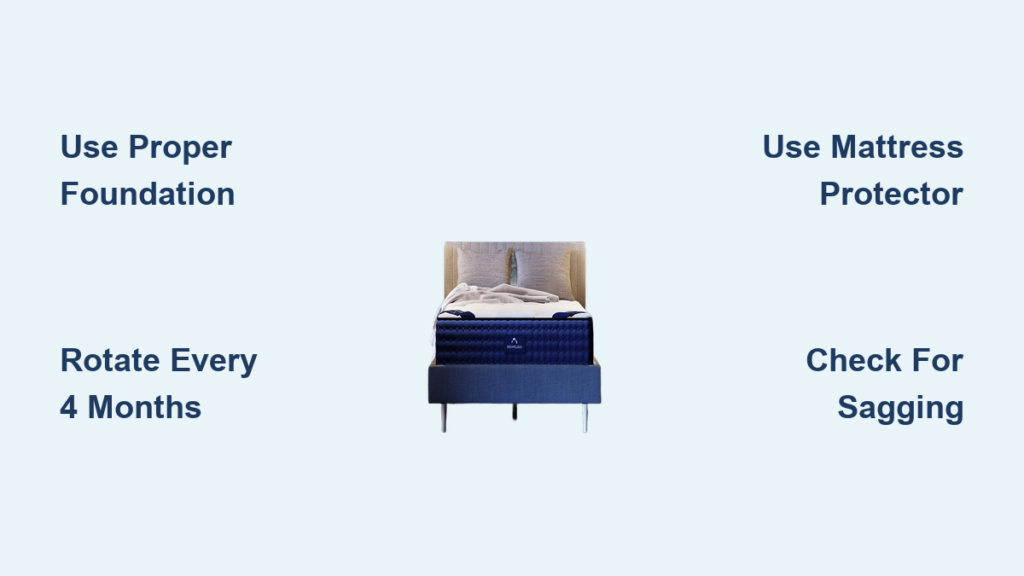
Proactive mattress maintenance significantly extends support life and prevents gradual development of pain-causing deficiencies. Rotate your mattress head-to-foot every 3 months to distribute wear evenly, and use a breathable waterproof protector to shield against moisture that accelerates material breakdown. Most importantly, track your purchase date and set a replacement reminder for 7 years out—don’t wait for obvious sagging when support has already deteriorated enough to damage your spine.
Investing in proper sleep support represents one of the highest-return health interventions available. When you understand exactly how a bad mattress causes back pain, you gain the power to eliminate this preventable source of chronic discomfort. Your spine works hard supporting you all day—give it the proper nighttime support it needs to recover and keep you pain-free for years to come.