That irritating creaking sound every time you shift position in bed? A squeaky mattress box spring transforms your sanctuary of rest into a noisy disturbance that disrupts sleep quality for you and your partner. Most people don’t realize that nearly 90% of box spring squeaks originate from just a few common mechanical issues that you can fix yourself with basic tools. This comprehensive guide reveals exactly how to diagnose, repair, and prevent those annoying noises so you can reclaim peaceful nights and wake up refreshed.
Pinpoint Your Box Spring’s Squeak Source

Before grabbing tools, you must accurately identify where the noise originates. Different squeak types indicate specific problems requiring tailored solutions. Start by removing your mattress and bedding to access the box spring directly. Have someone gently press down on various sections while you listen closely from underneath. Move systematically across the surface—many people mistakenly treat the wrong area because they can’t precisely locate the squeak source.
Listen carefully to the sound’s characteristics: a high-pitched metallic screech typically indicates loose springs or brackets grinding together, while a deeper wooden creak suggests frame joints have separated. Pay special attention to corners and center support areas, as these experience the most stress during normal use. Test each leg connection point by applying downward pressure while rocking the frame slightly. Document exactly where pressure creates the noise—this precise diagnosis prevents wasted effort on ineffective repairs.
How to Test Metal Components for Noise
Metal springs and support wires create distinctive sounds when loose. Run your fingers along visible wire grids to detect any sections that move independently from the main structure. Gently tap suspect areas with a rubber mallet to replicate movement that occurs during sleep. If you hear a rattle, that component needs securing. For internal springs you can’t see, press firmly on the fabric covering while listening for movement sounds from beneath. Metal-on-metal squeaks often respond well to lubrication, but first confirm the noise isn’t actually coming from the frame-to-bed connection.
Wooden Frame Inspection Techniques
Wooden frame squeaks develop as joints separate from normal wear or humidity changes. Run your hand along all frame edges feeling for gaps between connecting pieces. Look for visible cracks in corner joints where stress concentrates. Check that all fasteners remain tight—loose screws create movement that worsens over time. Pay special attention to the center support rail, as this critical component bears the most weight and often develops the first squeaks. If you find separated joints, note whether the wood shows signs of splitting that might require glue reinforcement rather than simple tightening.
Immediate Fixes for Loose Frame Connections
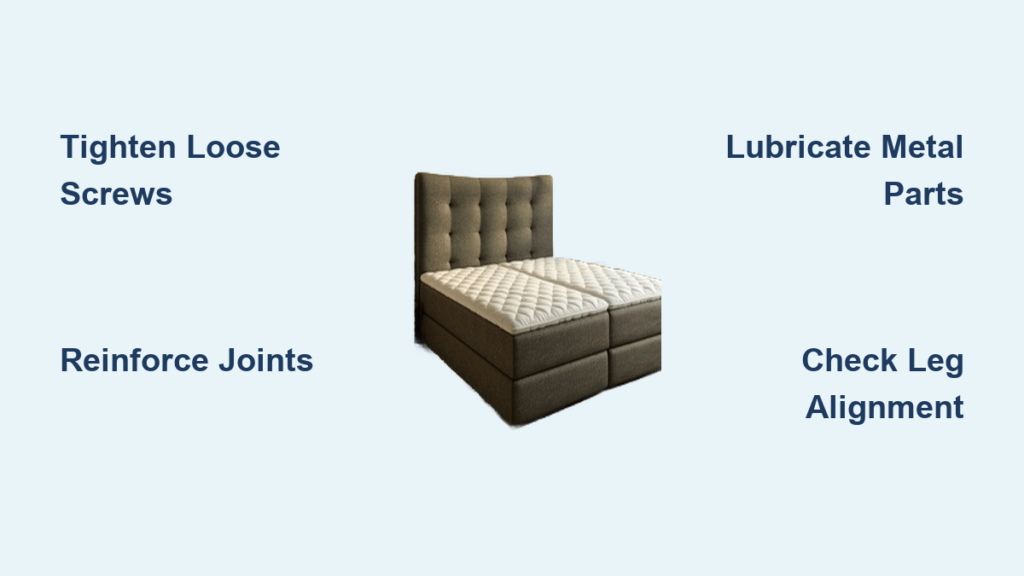
Most squeaky mattress box spring problems stem from loosened wooden frame components. The good news is these often require minimal tools and effort to resolve. Begin by tightening all visible screws and fasteners using the appropriate screwdriver—don’t force them, as stripped wood creates bigger problems. If screws spin without tightening, remove them and fill the enlarged holes with a toothpick dipped in wood glue. Reinsert the screw once the glue sets slightly for a secure hold.
Reinforcing Separated Joints
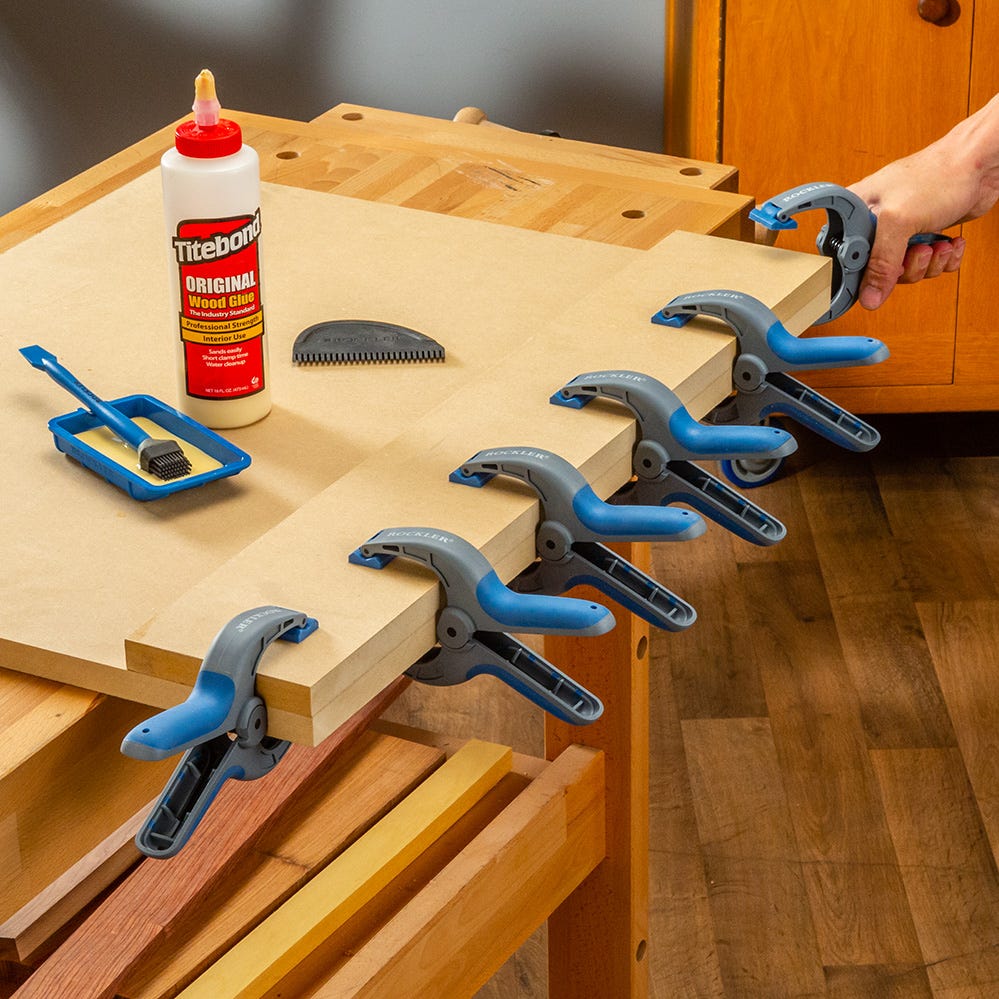
When frame corners show visible gaps, apply wood glue to the separation and clamp the pieces together. If you lack clamps, place heavy books on the joint and let it dry overnight. For immediate relief before glue sets, insert thin cardboard shims into the gap and secure with small brad nails. This temporary fix reduces movement until proper repair can be completed. Never force separated wood pieces together, as this often creates new cracks that worsen the squeak.
Stabilizing Center Support Rails
The center rail bears the most weight and frequently develops squeaks. Check that support legs sit squarely on the floor without wobbling. Add rubber foot pads if legs don’t make full contact. If the rail itself has separated from end frames, drill pilot holes through both pieces and secure with longer screws. For severe separation, install a metal corner brace underneath the joint for additional stability without visible hardware.
Silencing Metal Component Noises
Metal springs and support wires create distinctive high-pitched squeaks when they rub against each other or their mounting points. Never use oil-based lubricants like WD-40, as these attract dust that eventually worsens the noise. Instead, apply graphite powder or silicone-based dry lubricant directly to contact points between wires. Work the lubricant into joints by gently flexing the affected area after application.
Securing Loose Spring Units
When individual springs shift position, they create rhythmic squeaking with movement. Carefully reposition displaced springs to their original alignment using needle-nose pliers. If mounting staples have pulled loose, replace them with slightly larger staples or small screws for better hold. For persistent spring noise, place thin felt pads between problem springs to prevent metal-on-metal contact while maintaining proper support.
Addressing Bracket and Clip Issues
Metal brackets securing wire grids often loosen over time. Check all attachment points for visible gaps between brackets and frame. Reattach loose brackets using a staple gun with heavy-duty staples or small wood screws. If brackets show signs of bending, replace them with new hardware from a hardware store. Apply a small amount of thread locker to screw threads to prevent future loosening from vibration.
Eliminating Frame-to-Bed Connection Squeaks
Many people mistakenly treat their box spring when the noise actually comes from where it meets the bed frame. Check that all support points make full contact without rocking. Place thin rubber pads or folded fabric between metal contact points to eliminate vibration noise. For wooden frames, rub candle wax or furniture polish on contact surfaces to reduce friction while maintaining grip.
Center Support Leg Adjustments
Improperly adjusted center legs create uneven pressure that leads to squeaks. Ensure all legs make firm contact with the floor without forcing the frame into unnatural position. If legs extend too far, they can actually lift corners off the main frame, creating movement. Adjust legs until the box spring sits perfectly level with no rocking when pressure is applied. Add felt pads under leg tips if floor contact remains uneven.
Prevent Future Squeaks with Proactive Maintenance
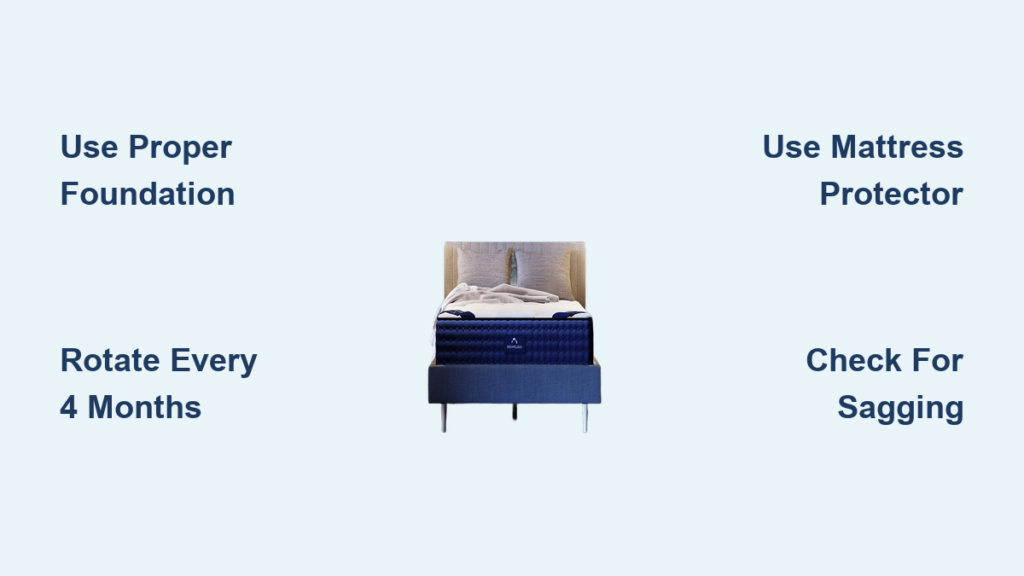
Once you’ve silenced current noises, implement these preventive measures to avoid future issues. Rotate your box spring 180 degrees every three months to distribute wear evenly across all components. During rotation, quickly inspect for early signs of loosening you can address before they become noisy problems. Avoid sitting on bed edges where frame stress concentrates, and never allow jumping that accelerates component wear.
Strategic Lubrication Schedule
Apply dry lubricant to metal contact points every six months as preventative maintenance. Focus on spring connection points and any areas previously treated for squeaks. Use minimal amounts—excess lubricant can migrate through fabric. For wooden frames, rub a small amount of furniture wax on joints twice yearly to reduce wood-on-wood friction while allowing natural expansion and contraction.
Proper Weight Distribution Practices
Uneven weight distribution creates premature wear in specific areas. Encourage even mattress usage by rotating sleeping positions if possible. For couples, alternate which side of the bed you enter from to balance stress points. Never place heavy objects like suitcases on the bed for extended periods, as concentrated weight stresses components beyond normal use parameters.
Knowing When Replacement Beats Repair

Some box spring issues indicate it’s time for replacement rather than continued repair. If multiple frame sections show significant cracking, if center support has collapsed, or if the unit is more than ten years old, replacement offers better value than temporary fixes. Sagging that affects mattress performance often means internal structure has failed beyond economical repair.
Cost-Benefit Analysis for Repairs
Calculate whether repair makes financial sense by comparing costs to replacement value. If repair materials and your time exceed 40% of a new box spring’s price, replacement becomes more practical. Consider that newer models often incorporate improved designs that resist squeaking better than older units. Factor in how much longer you expect to use the bed—extensive repairs on an aging set may not provide sufficient return on investment.
A silent night’s sleep is within reach when you properly address a squeaky mattress box spring. By methodically diagnosing the noise source—whether from loose wooden frames, shifting metal components, or connection points—you can apply targeted solutions that provide lasting relief. Most squeaks yield to simple tightening, strategic lubrication, or minor reinforcements that take less than an hour with basic household tools. Implement regular maintenance to prevent future issues, and recognize when replacement offers better value than continued repairs. With these proven techniques, you’ll transform your bedroom back into the peaceful retreat it should be, ensuring both you and your partner enjoy undisturbed, restorative sleep night after night.