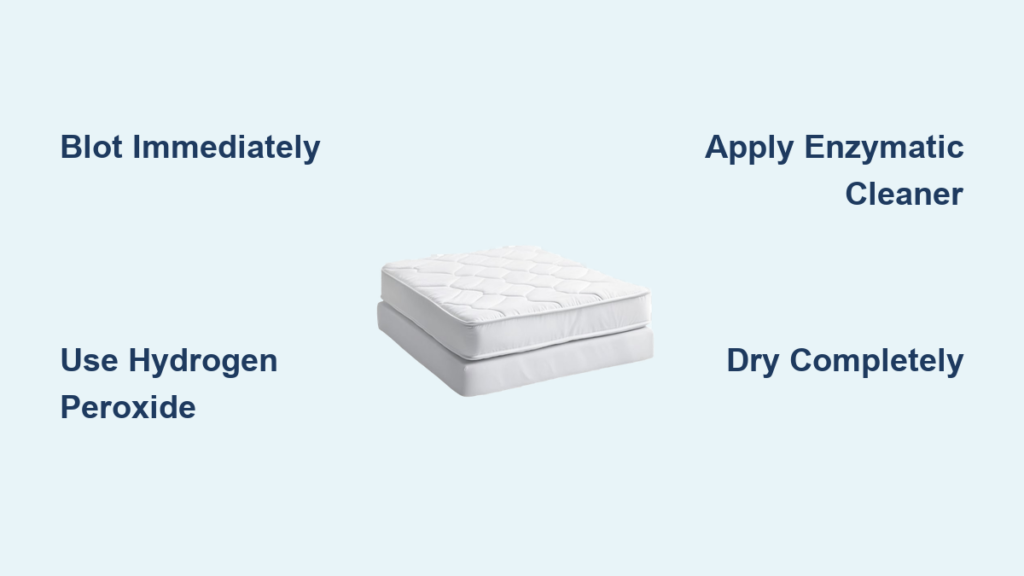
Waking up to find drool stains on your mattress is a common yet frustrating experience whether you’re dealing with your own nighttime drooling, a partner’s habit, or a pet’s accident. That damp, yellowish patch not only looks unsightly but can lead to lingering odors and potential damage if not addressed properly. The good news is you don’t need expensive equipment or professional help for most drool stains—just the right technique and timing. By acting quickly with household items you likely already have, you can effectively remove both the visible stain and the underlying bacteria causing odors, restoring your mattress to clean, fresh condition without replacing it.
Drool contains proteins, enzymes, and sometimes food particles that penetrate deep into mattress fibers, making it more than just a surface issue. When left untreated, these organic compounds break down and cause yellowing while creating an environment where bacteria thrive. The key to successful removal is understanding that drool stains require protein-focused cleaning methods rather than standard spot treatment. This guide provides step-by-step instructions using safe, effective techniques that work whether the stain is fresh or has set in over time, helping you preserve your mattress investment and sleep soundly on a clean surface.
Remove Fresh Drool Stains Before They Set
When you discover a wet drool spot, immediate action prevents permanent staining. Grab a clean white microfiber cloth and press it firmly against the damp area without rubbing—rubbing pushes moisture deeper into the mattress layers. Apply steady pressure for 15-20 seconds, then lift and repeat with a dry section of cloth until no more moisture transfers. This simple blotting process removes up to 80% of the stain if done within minutes of discovery.
Why Blotting Beats Rubbing for Mattress Stains
Rubbing creates friction that drives liquid further into the mattress core while spreading the stain outward. Blotting works like a sponge, drawing moisture upward through capillary action. For best results, use multiple clean cloths in sequence rather than reusing the same section. If the drool contains food particles, gently lift these with the corner of your cloth before blotting the liquid. Always work from the outer edge of the stain toward the center to prevent spreading.
How to Handle Dried Drool Stains
For stains that have dried overnight, skip the blotting step and proceed directly to deep cleaning. Dried drool forms a protein crust that requires rehydration before removal. Lightly mist the stained area with cool water using a spray bottle—just enough to dampen the surface without soaking through. Wait 5 minutes for the water to loosen the dried proteins, then proceed with cleaning solutions. Never use hot water on dried stains as it can set proteins permanently.
Apply the Right Cleaning Solution for Your Stain Type
:max_bytes(150000):strip_icc()/clean-your-mattress-the-natural-way-350742-dd95404f7ac54f9b90f09045d9b4e98c.png)
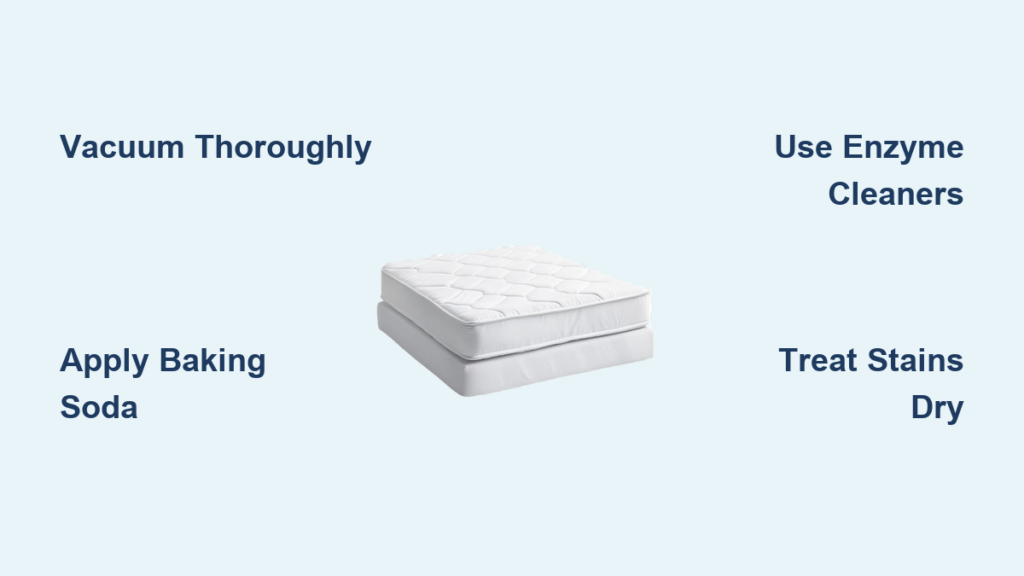
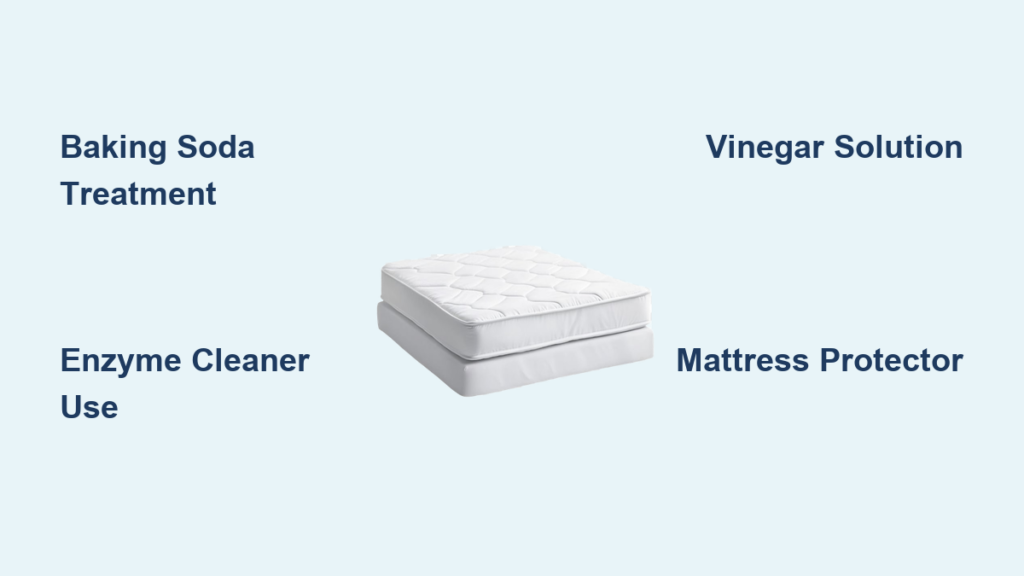
The effectiveness of your cleaning depends on matching the solution to your stain’s severity. For fresh stains under 24 hours old, the baking soda and vinegar method works remarkably well. Combine one tablespoon of mild dish soap with one cup of cool water in a spray bottle, then lightly mist the affected area. Sprinkle a generous layer of baking soda over the damp spot and let it sit for 30 minutes before vacuuming. The baking soda draws out moisture while neutralizing odors, and the soap solution breaks down surface proteins.
Hydrogen Peroxide Treatment for Yellowed Stains
For stains that have turned yellow or are more than 24 hours old, hydrogen peroxide provides superior results. Mix ½ cup of 3% hydrogen peroxide with ½ cup cool water and one drop of dish soap in a spray bottle. Test this solution on an inconspicuous mattress corner first to check for colorfastness. Once confirmed safe, apply to the stain, cover with plastic wrap, and place a book on top to maintain contact. After 30 minutes, remove the covering and blot thoroughly with a clean cloth. The oxygenating action of hydrogen peroxide breaks down stubborn protein bonds causing yellowing.
Enzymatic Cleaners for Complete Odor Elimination
When odors persist after visible stain removal, enzymatic cleaners are essential. These specialized products contain bacteria that consume organic matter at the molecular level. Apply generously to the entire stained area following package instructions, typically allowing 10-15 minutes of dwell time before blotting. Unlike masking agents, enzymatic cleaners eliminate odors at their source by breaking down the proteins in saliva that cause smells. Keep the area undisturbed during treatment—walking on or covering the wet cleaner reduces effectiveness.
Ensure Complete Mattress Drying to Prevent Mold
Drying properly is more critical than the cleaning itself—moisture trapped inside your mattress creates ideal conditions for mold and mildew growth within 24-48 hours. After cleaning, place a box fan at the foot of your bed set to oscillate, directing airflow across the treated area. Open windows to create cross-ventilation when weather permits. For faster results, position a hair dryer on its cool setting 12 inches above the mattress, moving continuously to avoid concentrated heat.
How to Test If Your Mattress Is Fully Dry
Press your palm firmly against the cleaned area for 30 seconds—if it feels cool or damp, it needs more drying time. Alternatively, lay a sheet of clear plastic over the spot and secure the edges with tape; if condensation appears underneath after one hour, moisture remains trapped. Most mattresses require 4-8 hours of active drying, but thicker memory foam models may need 12-24 hours. Never remake your bed until the mattress feels completely dry to the touch throughout.
Eliminate Lingering Odors with Deep Absorption

Sometimes stains disappear but odors remain because saliva proteins have penetrated deeper than your cleaning solution reached. For these stubborn smells, baking soda provides powerful odor absorption. Sprinkle a ¼-inch layer over the entire mattress surface, not just the stained area, as odors can migrate. For enhanced effectiveness, mix 10 drops of tea tree or lavender essential oil into one cup of baking soda before application. Let it sit for at least 8 hours (overnight is ideal), then vacuum thoroughly using an upholstery attachment.
When to Use Commercial Odor Neutralizers
For severe or persistent odors, commercial enzymatic odor neutralizers outperform home remedies. These products contain live cultures specifically designed to break down organic compounds in saliva. Spray generously over the entire mattress surface according to manufacturer instructions, typically requiring 15-30 minutes of dwell time before airing out. Unlike baking soda which absorbs odors, these neutralizers eliminate them at the source by consuming the odor-causing bacteria. One application usually suffices, but severe cases may require treatment every 48 hours until odors disappear completely.
Prevent Future Drool Stains with Smart Protection
The most effective cleaning strategy is preventing stains before they happen. Invest in a high-quality waterproof mattress protector that’s breathable and noiseless—cheap vinyl covers create uncomfortable sleeping surfaces and trap heat. Look for protectors with Tencel or cotton tops that feel like regular sheets while providing a liquid barrier. These protectors allow you to simply remove and wash the cover after drool incidents, protecting your mattress investment long-term.
Create Multiple Layers of Defense
For chronic droolers or pet owners, add a washable mattress pad beneath your sheets for an extra protective layer. These pads absorb surface moisture while providing cushioning, and can be laundered weekly. Train pets to sleep on designated beds rather than your mattress, and address underlying causes of excessive drooling like sleep apnea or allergies through medical consultation. Regularly washing bedding in hot water (130°F+) kills bacteria and prevents residue buildup that attracts more drool.
Avoid These Common Mattress Cleaning Mistakes
Many well-intentioned cleaning attempts backfire due to preventable errors. Never saturate your mattress—excessive moisture takes days to dry internally and promotes mold growth. Apply cleaning solutions sparingly, dampening rather than soaking the surface. Avoid bleach and ammonia-based cleaners which damage mattress fibers and create toxic fumes when mixed with other cleaners. Never use direct sunlight for drying as UV rays degrade fabric and foam over time, and never apply heat directly to wet areas as this sets protein stains permanently.
When Professional Cleaning Becomes Necessary
If DIY methods fail after three attempts, or if stains cover more than 20% of your mattress surface, professional cleaning becomes cost-effective compared to replacement. Certified mattress cleaners use industrial extraction equipment that removes 3-5 times more moisture than home methods while applying specialized enzymatic treatments. Expect to pay $100-$200 depending on mattress size and stain severity—significantly less than replacing a quality mattress. Professionals can also identify if mold has developed beneath the surface, which requires specialized remediation.
By following these targeted techniques based on stain age and severity, you can effectively remove drool stains while protecting your mattress investment. Remember that immediate blotting, proper solution selection, and thorough drying form the foundation of successful stain removal. With the right approach, even stubborn yellowed stains yield to consistent treatment, restoring your mattress to clean, fresh condition. Implementing preventive measures like quality mattress protectors ensures you spend less time cleaning and more time enjoying restful, worry-free sleep on a pristine surface.