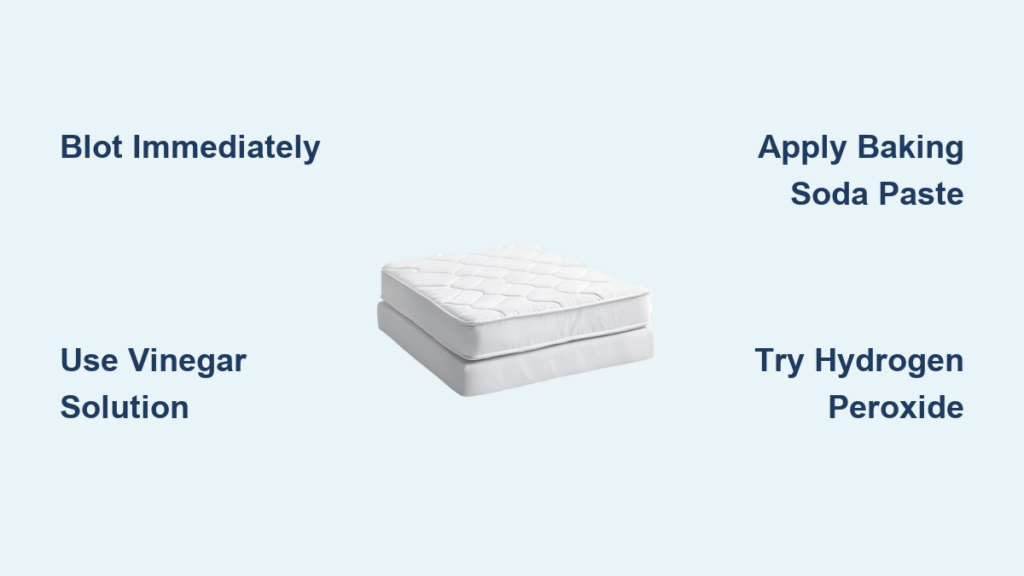
That moment when your tea cup slips and spills across your mattress can send panic through any homeowner. Tea stains on your mattress aren’t just unsightly—they contain tannins that create stubborn yellowish-brown discoloration as they penetrate deep into fabric fibers and foam layers. Unlike surface spills, tea seeps through mattress covers into comfort layers and even reaches core support systems, making thorough cleaning essential to prevent permanent damage. Whether it’s your morning Earl Grey or bedtime herbal blend, knowing how to clean tea stains from mattress surfaces properly can save you hundreds in replacement costs.
The right approach depends on how long the stain has been there, what type of tea was spilled, and your mattress construction. Fresh stains respond dramatically well to simple natural remedies, while set-in discoloration may require multiple treatments or professional intervention. Below you’ll find everything from immediate first-response techniques to deep cleaning protocols, specialized solutions for different mattress types, and prevention strategies to keep your mattress stain-free for years to come.
Blot Fresh Spills Immediately
The critical window for effective tea stain removal is the first few minutes after a spill. Acting quickly can mean the difference between complete restoration and permanent discoloration that haunts your mattress for its entire lifespan. Begin by grabbing clean, white microfiber cloths or paper towels—white is essential because colored fabrics might bleed dye onto your mattress when wet, creating additional problems.
Never rub or scrub the stained area. This forces tea deeper into mattress fibers and spreads contamination to surrounding regions. Instead, apply firm, consistent pressure while lifting straight up, replacing the cloth with a clean section as it becomes saturated. Work from the outer edges of the stain toward the center to prevent the tea from spreading outward into clean areas. Continue blotting until no more tea transfers to your cloth, which may require multiple cloths and several minutes of persistent effort.
For larger spills, lay clean towels over the area and apply body weight to absorb tea that has seeped into deeper layers. Replace towels as they become saturated. After removing excess liquid, create a containment barrier around the stained area by applying a thin line of distilled white vinegar or club soda around the perimeter. This helps keep tea compounds contained within the treatment area during cleaning.
Collect Essential Cleaning Supplies
Successful tea stain removal requires having the right tools ready before you begin. Rushing to gather supplies while the stain sets costs you valuable time and reduces your chances of complete removal. Stock up on several clean white microfiber cloths in abundance—you’ll need fresh cloths for blotting and applying solutions throughout the process.
Select a spray bottle that produces a fine mist rather than a heavy spray, as excessive moisture in mattress layers leads to mold and mildew problems. Prepare multiple spray bottles if you plan to use different cleaning solutions in sequence, since mixing chemicals can create dangerous reactions even with household cleaners. Essential cleaning agents include:
- Distilled white vinegar for breaking down tannin bonds
- Baking soda for deodorizing and gentle abrasion
- Hydrogen peroxide (3% concentration) for oxidizing stubborn stains
- Mild liquid dish soap for its surfactant properties
Add a soft-bristled brush for gentle scrubbing without damaging fabric fibers, a vacuum with upholstery attachments for drying and debris removal, a fan or hair dryer on low heat for accelerated drying, and protective gloves to keep your hands safe from cleaning solutions. Old towels placed under the mattress during cleaning protect your flooring and provide an absorbent surface for the process.
Apply Vinegar Solution
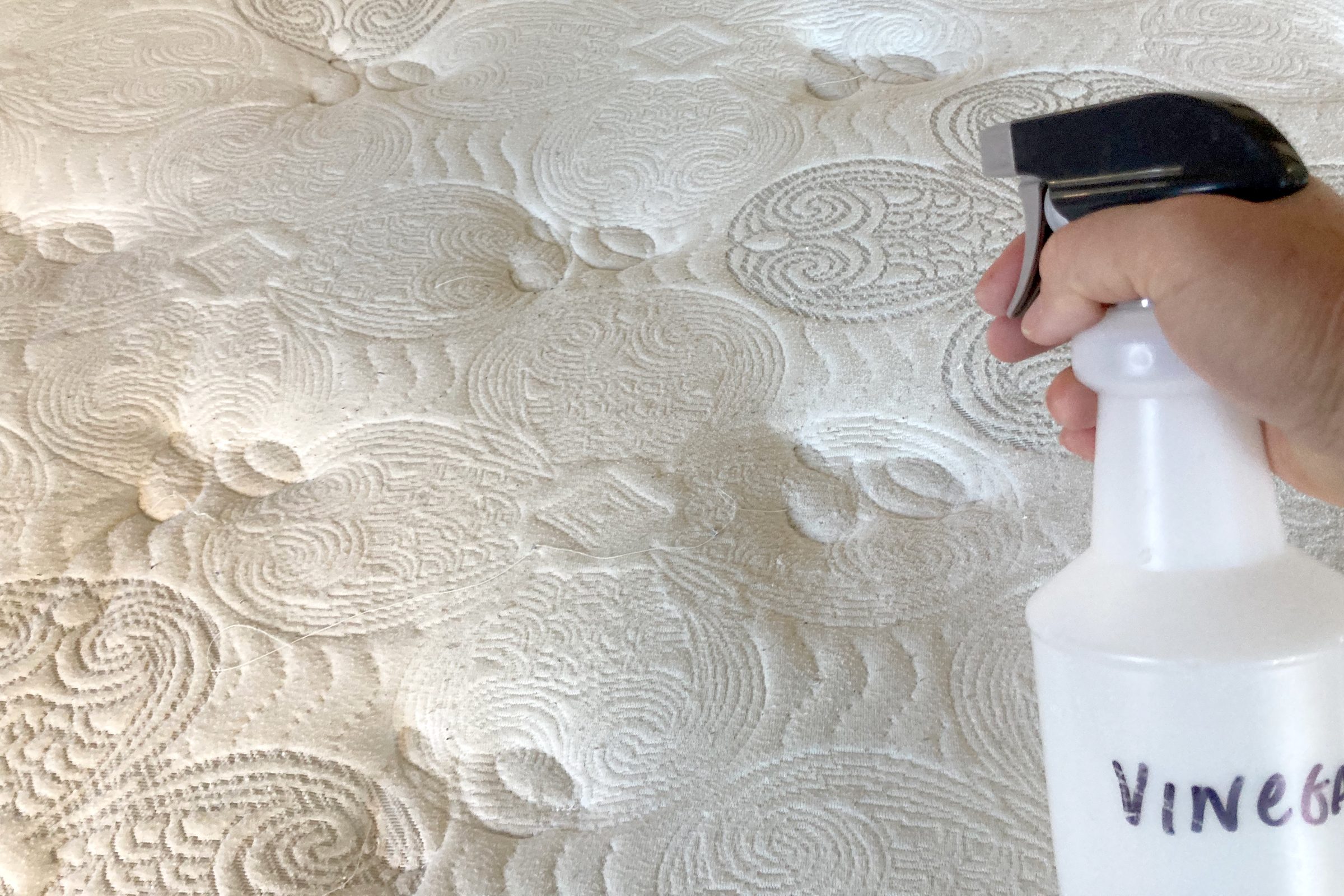
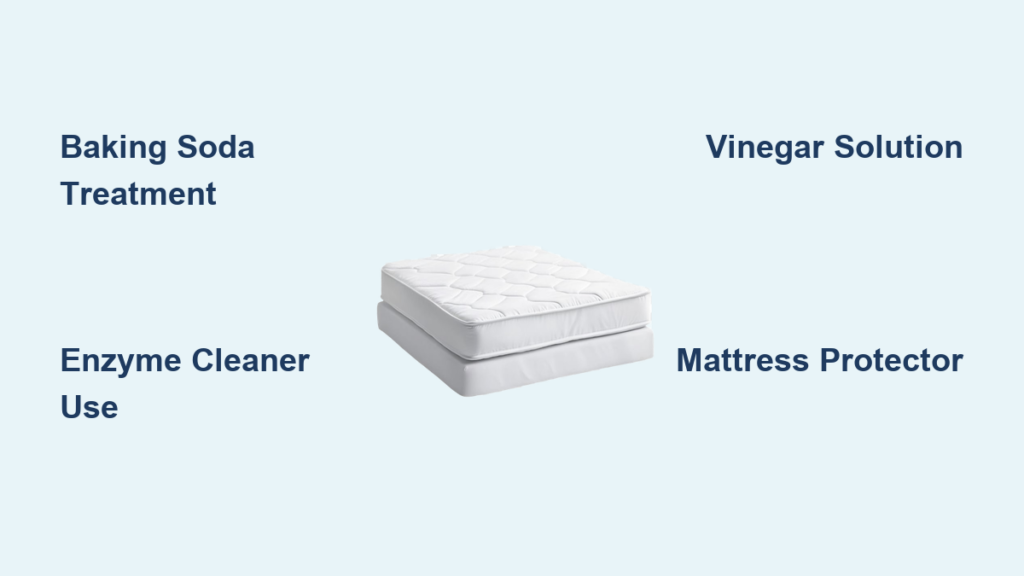
White vinegar serves as one of the most effective natural agents for tea stain removal due to its acetic acid content, which breaks down the tannin molecules causing discoloration. Mix equal parts distilled white vinegar and lukewarm water in your spray bottle. For more stubborn stains, increase the concentration to two parts vinegar to one part water, though test this stronger solution on an inconspicuous area first to ensure it doesn’t damage your mattress fabric.
Apply the vinegar solution generously to the stained area, ensuring the fabric is damp but not soaked through to the foam layers. Allow the solution to sit for five to ten minutes, giving the acid time to break down tea compounds. During this waiting period, watch for visible lightening of the stain, particularly with fresh spills. The vinegar begins dissolving tannin bonds, making stains easier to lift in subsequent steps.
After the dwell time, blot the area firmly with clean microfiber cloths, working from outside edges inward. The cloths absorb both the vinegar solution and dissolved tea compounds. Continue blotting with fresh cloths until no more color transfers. For particularly stubborn stains, repeat the application and blotting process two or three times, allowing the mattress to dry partially between applications if excessive moisture becomes a concern. The vinegar solution also neutralizes odors that may have developed, especially important if the tea was sweetened or the stain has been present for some time.
Use Baking Soda Paste
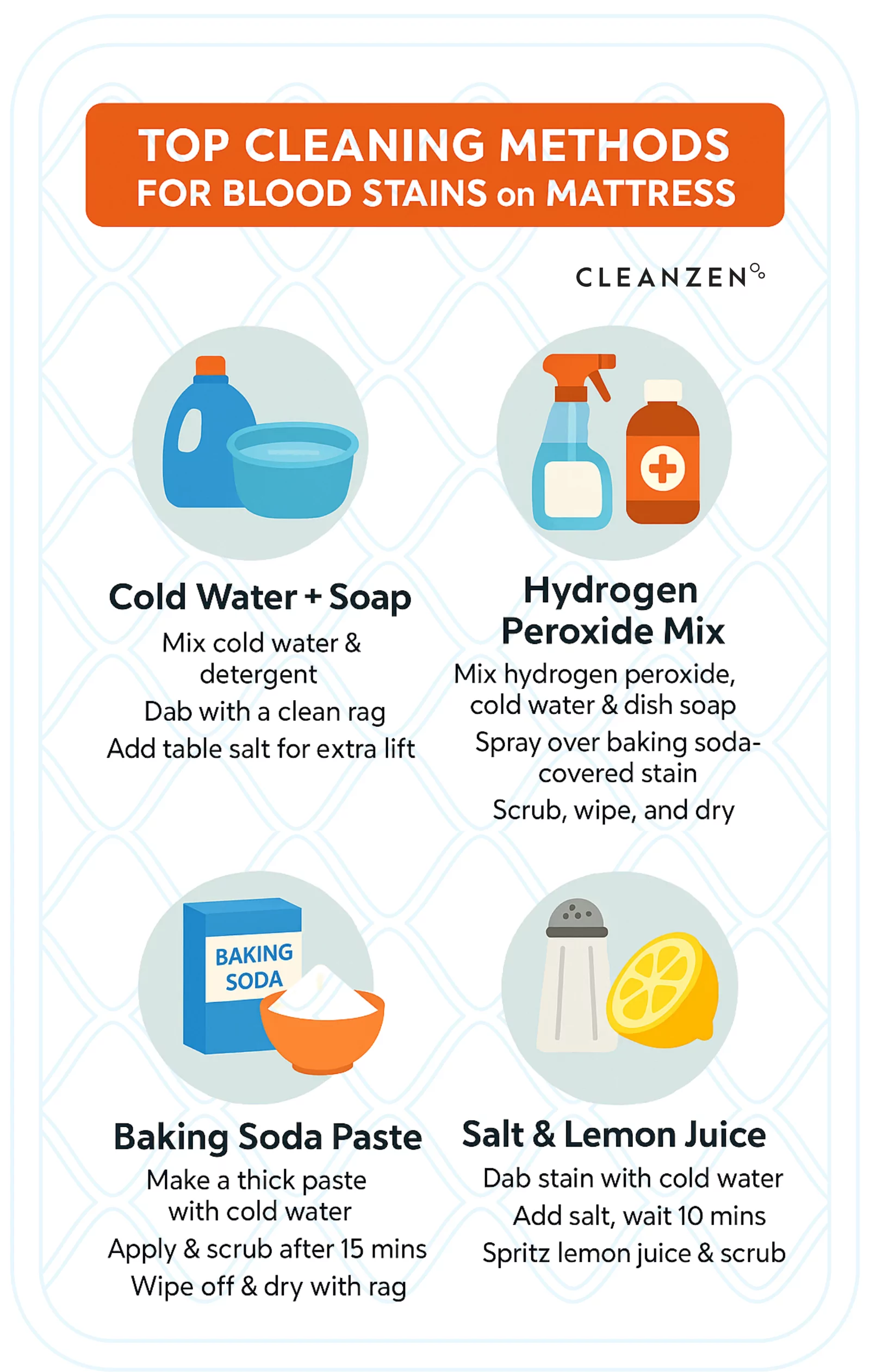
Baking soda offers dual functionality in tea stain removal, acting as a gentle abrasive to lift stains while absorbing odors and moisture. Create a paste by mixing three parts baking soda with one part water, adjusting ratios to achieve a spreadable consistency similar to thick toothpaste. For enhanced effectiveness, substitute the water with hydrogen peroxide, which adds oxidizing power to the treatment.
Apply the baking soda paste directly to the stained area using a soft-bristled brush or spatula, spreading it evenly across the affected zone. Work the paste gently into fabric fibers using circular motions, being careful not to scrub too aggressively—this can damage the mattress cover or push the stain deeper into foam. The mild abrasive action lifts tea particles while the alkaline nature neutralizes acidic tannins.
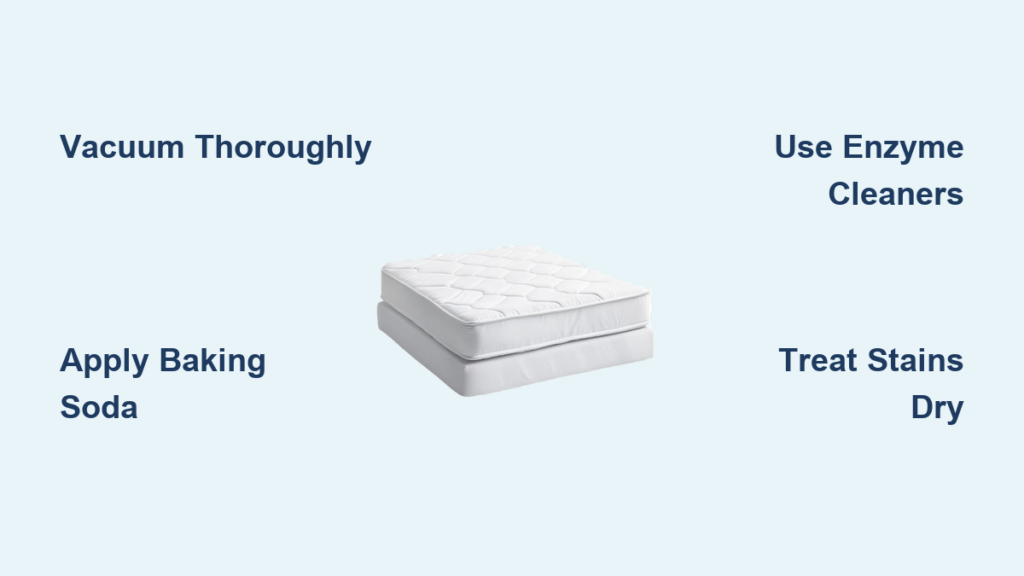
Allow the paste to dry completely, which typically takes two to four hours depending on room temperature and humidity. The drying process is essential because as the paste dries, it draws dissolved tea compounds upward and outward from fabric fibers. Once fully dry, the baking soda forms a crust that vacuums away, taking dissolved stains with it. For deep or set-in stains, add a few drops of lavender, tea tree, or lemon essential oil to the paste—these oils add pleasant fragrance and possess natural antibacterial properties.
Try Hydrogen Peroxide Treatment
Hydrogen peroxide acts as a powerful oxidizing agent that breaks down organic compounds in tea stains, making it particularly effective for older, set-in stains that haven’t responded to milder treatments. Use only 3% concentration hydrogen peroxide, the standard household formulation available at pharmacies. Higher concentrations can damage fabric and foam materials.
Apply the solution directly to the stain using a spray bottle or by pouring a small amount onto a clean cloth and dabbing it onto the affected area. The fabric should be damp but not saturated. Allow hydrogen peroxide to work for approximately fifteen to twenty minutes, watching for visible lightening of the stain as the oxidation process breaks down tea compounds.
Enhance effectiveness by applying a thin layer of baking soda over damp hydrogen peroxide. This creates a foaming reaction that helps lift stains while dual action of oxidation and abrasion delivers superior results. However, use this combination cautiously and test first—the fizzing action can spread the stain if not contained properly. Hydrogen peroxide can lighten or bleach certain fabrics, so always test on an inconspicuous area first and limit dwell time to prevent foam degradation.
Select Commercial Cleaners
Enzyme-based cleaners represent the most scientifically advanced option for tea stain removal, particularly effective because they target organic components at a molecular level. These products contain protease, amylase, and lipase enzymes that break down proteins, starches, and fats found in tea—especially sweetened varieties or tea with milk added. Enzymatic action continues working even after initial application, making these products effective for deep, set-in stains.
Choose a product specifically formulated for upholstery and fabrics, verifying it is safe for mattress materials. Apply according to package directions, typically spraying the solution and allowing ten to fifteen minutes dwell time. Keep the stained area damp throughout the recommended dwell time—cover with a clean, damp cloth to prevent premature drying, which halts enzymatic activity. After treatment, blot thoroughly to remove dissolved compounds and remaining cleaner.
Carpet and upholstery shampoos can be adapted for mattress cleaning with modifications. These products contain surfactants that lift dirt and stains along with deodorizing agents. Select a shampoo designed for your mattress cover’s synthetic or natural fibers. Mix according to directions to create foam rather than liquid, work into the stained area with gentle circular motions, then blot thoroughly to remove shampoo and dissolved tea. Oxygen bleach products containing sodium percarbonate offer powerful stain-fighting without chlorine bleach damage—these work particularly well on light-colored mattresses.
Deep Clean Your Mattress
Begin deep cleaning by assessing the stain and checking your mattress care tag for specific instructions. Remove all bedding and wash according to manufacturer instructions before re-making the bed. Position the mattress in a well-ventilated area or lay old towels beneath the stained area to protect flooring. Open windows and turn on fans to promote air movement essential for thorough drying.
Vacuum the entire mattress surface using the upholstery attachment, paying attention to seams and crevices where debris accumulates. Apply your chosen primary cleaning solution generously, ensuring the stain area is thoroughly dampened. Work the solution into the stain using gentle techniques—soft-bristled brush with light circular motions for most fabrics, gentle blotting only for delicate materials. Allow recommended dwell time without letting the solution dry on the surface.
Extraction removes dissolved tea compounds and cleaning solutions. Using clean white microfiber cloths, apply firm consistent pressure while lifting straight up. Work methodically across the treated area, moving to fresh cloth sections as they saturate. For larger stains, create an absorption pad by folding several cloths into a thick stack, placing over the stained area, and applying body weight to force liquid upward. Rinse by applying clean water and blotting until no residue transfers. Ensure complete drying over twenty-four to forty-eight hours before making the bed.
Remove Old Set-In Stains
Old tea stains present significantly greater challenges because tannin compounds have bonded with fabric fibers and may have oxidized into more stable pigment structures. For set-in stains, combine multiple cleaning approaches and repeat treatments several times for satisfactory results.
Create a strong solution using one part hydrogen peroxide to one part water with a few drops of dish soap added. Apply to the stain and allow thirty minutes working time—longer than fresh stain treatments—to penetrate deeper fibers and break established tannin bonds. After initial treatment, apply a thick paste of baking soda and hydrogen peroxide directly to the stain and allow complete drying. The drying process draws dissolved compounds upward while baking soda provides gentle abrasion and deodorizing.
Vacuum thoroughly and assess results. You may need to repeat this process multiple times for severe stains. For extremely stubborn set-in stains that resist home treatment, consult a professional upholstery cleaner with access to specialized extraction equipment and commercial-grade cleaning solutions. Professional cleaners use hot water extraction methods penetrating deeper than home treatments.
Clean Different Mattress Types
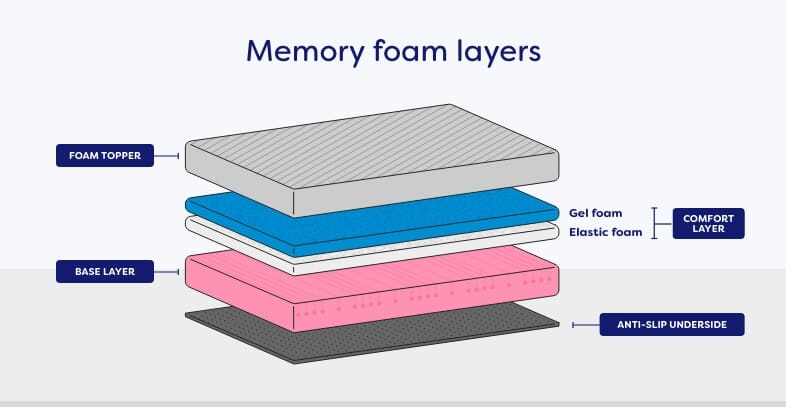
Memory foam requires special consideration because its structure traps liquid and dries slowly. Use minimal liquid to prevent oversaturation and foam damage. Apply cleaning solutions using fine mist settings and limit applications to small sections at a time. After cleaning, press dry cloths firmly into foam to extract moisture and allow extended drying of at least forty-eight hours before use.
Innerspring mattresses typically have quilted covers that may be removable for separate machine washing. If removable, unzip and wash according to care tag instructions. Clean exposed inner surfaces with standard techniques, paying attention to pillow-top layers that may have absorbed tea and require thorough extraction.
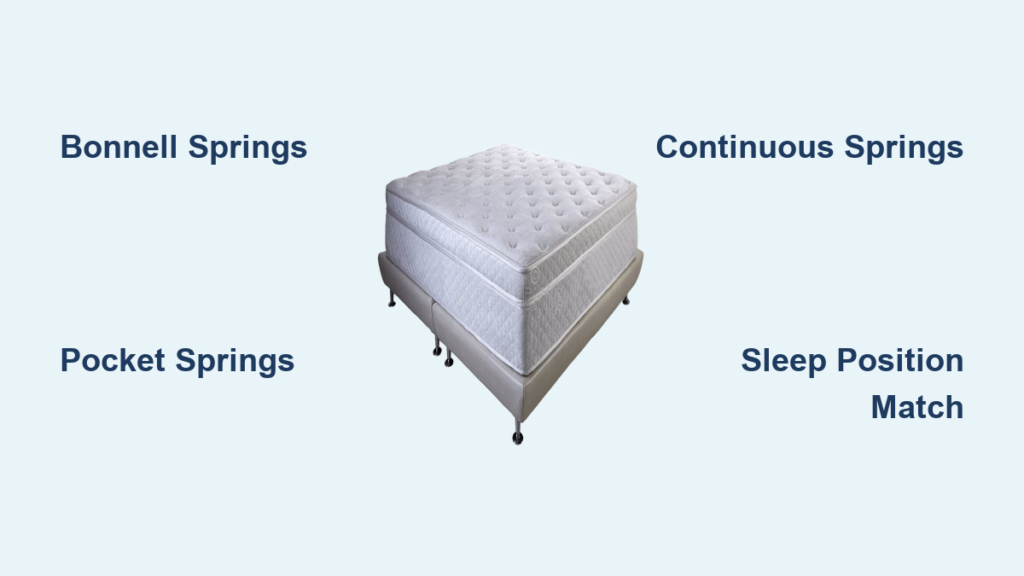
Latex foam mattresses respond well to similar cleaning methods, though natural latex absorbs and retains odors more readily. Thorough cleaning and drying become especially important. Enzyme-based cleaners work particularly well on latex by breaking down organic components causing persistent odors. Hybrid mattresses combining foam with innerspring coils require attention to both components—treat foam layers gently while covers typically withstand more vigorous cleaning. Avoid excessive moisture around coil units to prevent rust.
Eliminate Persistent Odors
Tea stains, particularly from sweetened tea or long-standing spills, create odors from bacteria feeding on sugar and organic compounds. Address residual odors with enzyme-based cleaners specifically formulated for odor elimination—these contain bacteria consuming organic matter at its source rather than masking with fragrances.
Apply enzyme cleaner liberally and allow extended dwell time, keeping the area damp for several hours if possible. Baking soda treatments effectively absorb odors after the mattress is clean and dry. Sprinkle generous baking soda over the entire surface, concentrating on the previously stained area, and leave in place for at least twenty-four hours before vacuuming. The baking soda absorbs moisture and odors from fabric and foam layers.
For severe odor issues, consider ultraviolet ozone generation in the room with the mattress. Ozone treatments oxidize and eliminate organic odor compounds, though the room must be unoccupied with proper ventilation afterward. Professional mattress cleaning services may offer ozone or specialized odor elimination treatments.
Prevent Future Stains
Mattress protectors serve as first-line defense against future spills. These protective covers create waterproof barriers preventing liquids from reaching the mattress surface. Select protectors with comfortable breathable fabric tops that won’t affect sleep temperature, and ensure secure fit with elastic corners or straps to prevent shifting.
Keep a spill response kit readily available containing clean white cloths, a spray bottle with distilled water, and contact information for professional cleaners if needed. Train household members on proper spill response—immediate blotting rather than rubbing, working from outside edges inward, and alerting an adult immediately. Reduce accidents by placing drinks on stable surfaces away from the mattress and using bedside tables with raised edges or drink holders.
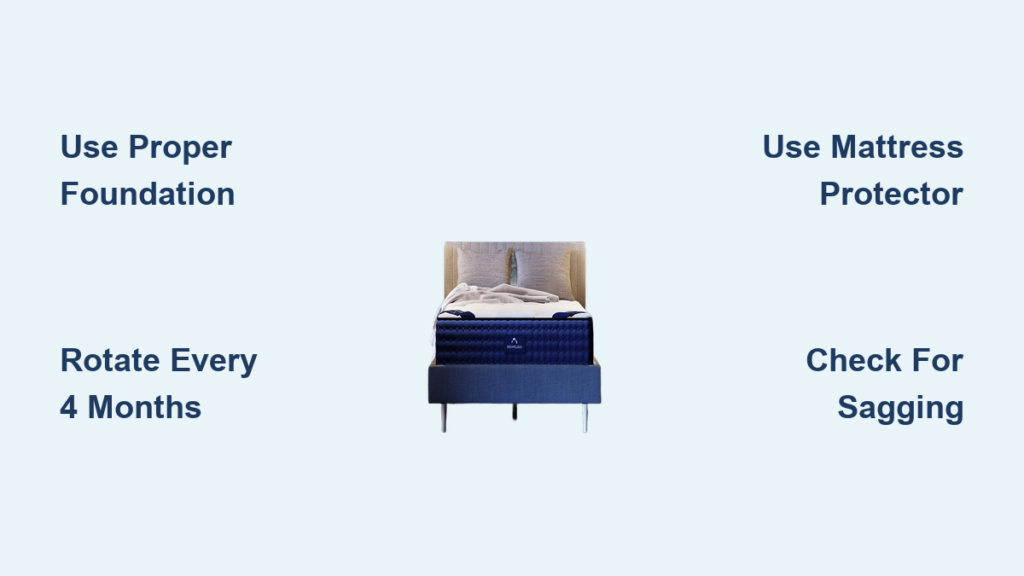
Implement regular maintenance including monthly vacuuming with upholstery attachments and rotating the mattress every three to six months for even wear. Address any spills immediately rather than waiting for regular cleaning days—the longer a stain sets, the more difficult removal becomes.
Troubleshoot Common Problems
Stain reappearance after apparent successful cleaning, known as wicking, occurs when tea compounds from deep mattress layers migrate upward during use as foam flexes. Address this by repeating cleaning with extended dwell times and using absorption pad techniques with clean cloths to draw deep-seated compounds from lower layers rather than surface blotting only. Thorough extraction during initial cleaning prevents wicking—take additional time with blotting steps and allow longer drying times between applications.
Persistent discoloration may indicate fiber damage or uneven wear rather than incomplete removal. Try cleaning the entire mattress surface to even out appearance—the “stained” area might simply appear different because it was protected from general wear. For permanent discoloration, consider upholstery colorants designed to even out color differences, testing in inconspicuous areas first.
Skin sensitivity or allergic reactions to cleaning products may occur if the mattress wasn’t rinsed thoroughly or you react to product ingredients. Use fragrance-free, hypoallergenic products for sensitive individuals and ensure extremely thorough rinsing with plain water. Allow extra drying time before use to let off-gassing dissipate.
When to Call Professionals
Professional cleaning becomes advisable when home methods fail to completely remove stains, when large spills penetrate deeply, when the mattress is antique or high-value requiring specialized care, or when you lack time or equipment for thorough cleaning. Professional cleaners access truck-mounted hot water extraction systems removing significantly more moisture and compounds than home methods.
Select cleaners with specific mattress experience rather than general carpet cleaners who may not understand unique mattress construction. Ask about their process, products used, stain removal guarantees, and any certifications completed. Professional cleaning typically involves inspection with black lights to identify full stain extent, pre-treatment with specialized solutions, hot water extraction, industrial air movement for drying, and optional fabric protector application. The process takes two to four hours with mattress ready for use within six to twelve hours.
Maintaining records of mattress cleaning and treatment helps track effectiveness of different approaches. Document dates, products used, stain severity and location, and results achieved. Include photographs before and after significant stains. These records become valuable for future reference and communicating with professional cleaners if needed. Knowing how to clean tea stains from mattress surfaces properly saves you money and extends your mattress lifespan significantly.