When your Sealy mattress protector starts showing signs of wear or develops that familiar musty smell, proper cleaning becomes essential to maintain your sleep sanctuary. Knowing exactly how to wash Sealy mattress protector correctly preserves its waterproof barrier while eliminating allergens and bacteria that accumulate over time. Many sleepers make critical mistakes—using hot water that damages waterproof membranes or harsh detergents that degrade fabric integrity—unknowingly shortening their protector’s lifespan. This guide delivers precise, manufacturer-aligned washing instructions so your Sealy protector continues shielding your mattress investment for years rather than months.
Regular cleaning of your mattress protector does more than just remove visible stains—it eliminates the invisible accumulation of sweat, skin cells, and dust mites that compromise sleep quality. When properly maintained, your Sealy protector maintains its moisture-wicking properties and waterproof effectiveness, ensuring your mattress stays protected against spills and stains. Following these evidence-based washing techniques prevents common pitfalls that lead to premature protector failure and costly mattress damage.
Prepare Your Mattress Protector for Washing
Skipping proper preparation before washing can cause irreversible damage to your Sealy mattress protector’s waterproof layer and elastic corners. Taking just five minutes to prepare correctly preserves the protector’s integrity through multiple wash cycles.
Inspect and Address Stains First
Examine your protector surface thoroughly for yellowed areas around shoulder and hip contact points where body oils concentrate. For fresh spills, immediately blot (never rub) with a clean microfiber cloth to absorb liquid before it penetrates the waterproof barrier. For set-in stains, apply a dime-sized amount of mild liquid detergent directly to the affected area and gently rub with your fingertips for 30 seconds. Let the pretreatment sit for 15 minutes—long enough for detergent to break down oils but not so long that it dries and becomes difficult to rinse out completely.
Secure Zippers and Fastenings
Zippers left unfastened become dangerous projectiles inside your washing machine, potentially tearing the protector fabric or damaging the drum. Always zip your Sealy protector completely closed before washing, then turn it inside out to shield the waterproof membrane from direct contact with other fabrics. If your model features elastic corner straps, tuck them securely inside the protector to prevent tangling during the wash cycle. This simple step prevents stretched-out corners that compromise the snug fit essential for proper mattress protection.
Check Manufacturer Tags for Specific Instructions
Locate the care tag sewn along the protector’s edge—typically near the foot of the mattress—and verify any model-specific requirements. While most Sealy protectors follow standard care guidelines, specialty models with cooling technologies or enhanced waterproof membranes may have unique temperature restrictions. Never assume all protectors share identical care requirements; following these precise manufacturer specifications maintains your warranty coverage and prevents accidental damage during cleaning.
Set the Right Wash Cycle and Temperature
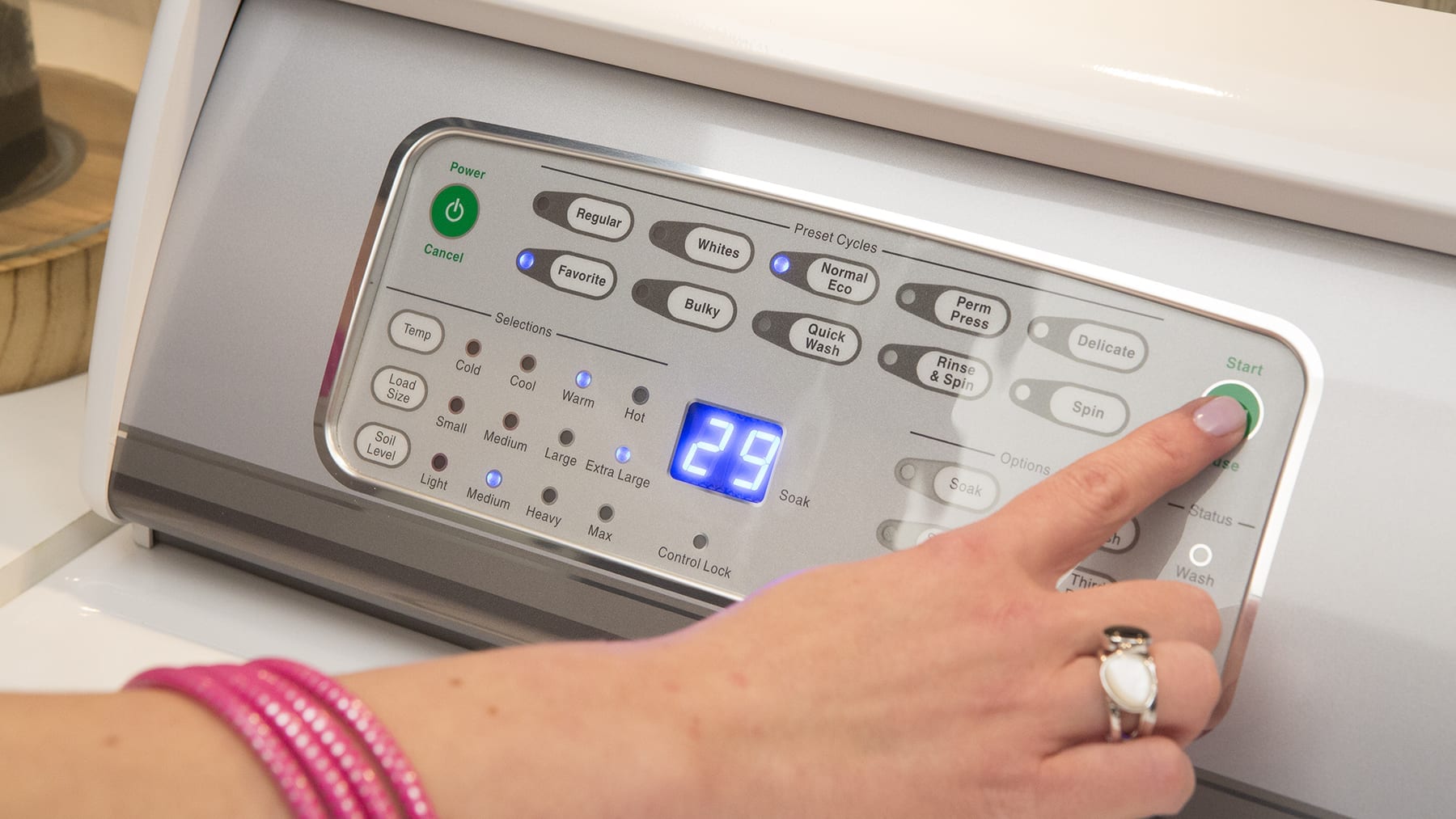
Water temperature and cycle selection determine whether your washing process rejuvenates or ruins your mattress protector’s protective capabilities. Understanding these settings prevents the most common cause of premature protector failure.
Optimal Water Temperature Settings
Use warm water between 90-110°F (32-43°C) for effective cleaning without membrane damage. This temperature range dissolves body oils while preserving the integrity of polyurethane waterproof barriers. Hot water above 110°F causes waterproof layers to become brittle and crack, while cold water fails to adequately remove oily residues that accumulate from nightly use. For protectors used by heavy sweaters or in humid climates, add an extra rinse cycle to ensure complete detergent removal that prevents residue buildup.
Select the Gentle or Delicate Cycle
Choose the gentle cycle with slow agitation to prevent excessive twisting that separates the waterproof membrane from the fabric backing. High-speed cycles create centrifugal force strong enough to delaminate the protector’s layers, especially during the spin cycle. If your machine offers a “bedding” setting, verify its agitation intensity before use—some bedding cycles still operate too vigorously for delicate waterproof membranes. The protector should move freely in the drum without violent tumbling that stresses the elastic corners.
Load the Washer Properly
Wash your Sealy protector alone or with one additional lightweight item like a pillowcase—never with towels, jeans, or other heavy fabrics that create uneven weight distribution. Overloading prevents proper water circulation, leaving detergent residue that attracts dirt and creates stiff spots. For queen or king-sized protectors, pause the wash cycle after initial filling to manually adjust the protector’s position, ensuring even water distribution across the entire surface for thorough cleaning.
Choose the Right Detergent and Additives

The cleaning products you select directly impact your protector’s longevity—some common laundry additives silently destroy waterproof barriers with each wash cycle.
Mild Liquid Detergent Works Best
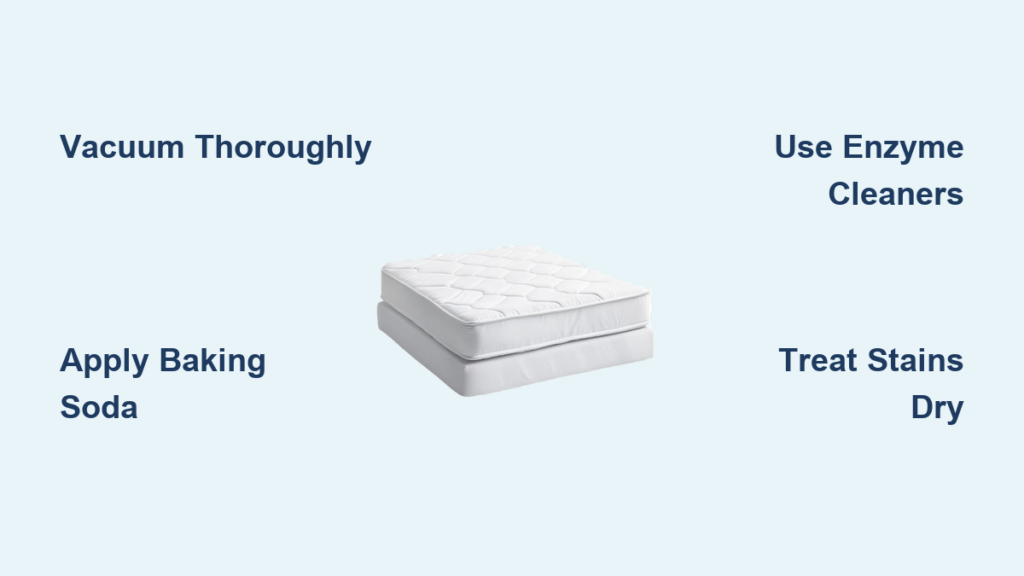
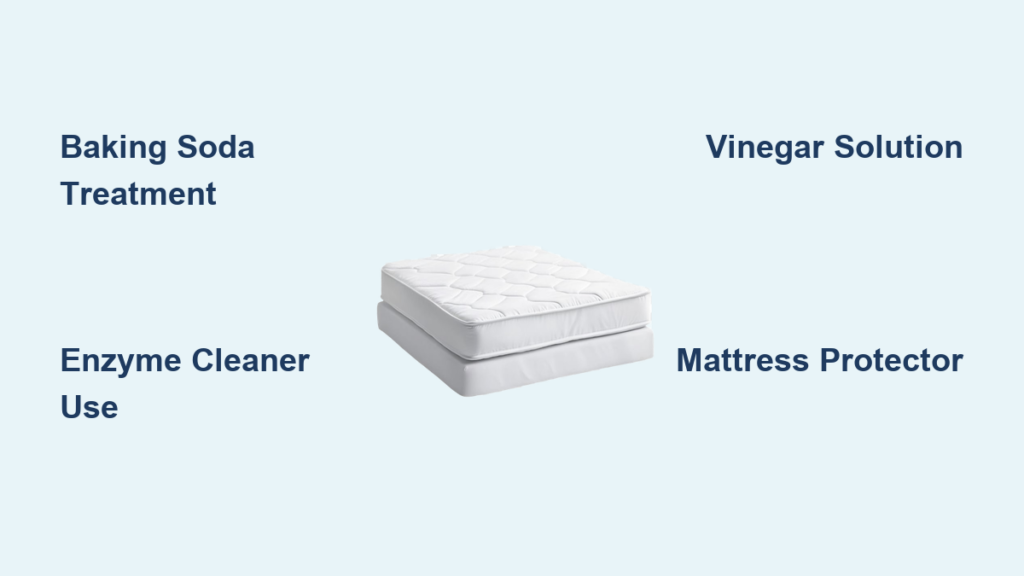
Use just one tablespoon of dye-free, fragrance-free liquid detergent formulated for delicates. Powder detergents often fail to dissolve completely in warm water cycles, leaving gritty residues that wear down waterproof membranes over time. Measure detergent carefully—excess amounts create buildup that reduces breathability and attracts more dirt. For protectors with persistent odors, add ¼ cup baking soda directly to the drum before starting the wash cycle to neutralize smells without harsh chemicals.
Skip the Bleach and Harsh Chemicals
Chlorine bleach and oxygen brighteners degrade polyurethane waterproof layers within just one or two washes, causing irreversible pinhole leaks. Even “color-safe” bleaches contain oxidizing agents that compromise membrane integrity. For stubborn stains, create a paste of baking soda and water, apply to the affected area, and let sit for 20 minutes before washing. Never use stain removers containing enzymes or optical brighteners, as these break down the very fibers designed to protect your mattress.
Avoid Fabric Softeners Entirely
Fabric softeners coat fibers with waxy residues that clog the microscopic pores in waterproof membranes, reducing breathability and creating uncomfortable sleeping conditions. These residues also attract dirt, causing your protector to soil faster between washes. If you prefer softer fabric, add ½ cup white vinegar to the rinse cycle instead—it naturally softens fibers without compromising waterproof performance or leaving chemical buildup.
Dry Your Mattress Protector Correctly
Improper drying causes more protector failures than any other care mistake—even perfect washing can’t compensate for heat damage during the drying phase.
Use Low to Medium Heat Settings
Tumble dry on the lowest heat setting for 30 minutes, then switch to air-only fluff cycle until completely dry. High heat causes polyurethane membranes to melt and fuse to fabric layers, creating permanent stiff spots that crack when bent. Remove the protector while slightly damp (about 80% dry) and finish air-drying to prevent heat damage from extended dryer exposure. Check the protector every 15 minutes during drying to ensure elastic corners aren’t shrinking from excessive heat.
Add Dryer Balls for Even Drying
Toss two clean wool dryer balls into the dryer with your protector to prevent fabric layers from sticking together during drying. These balls separate the material, allowing warm air to circulate through all layers for consistent drying. Without them, moisture becomes trapped between the fabric and waterproof membrane, creating ideal conditions for mildew growth even after the outer surface feels dry.
Air Drying as an Alternative
For maximum longevity, air-dry your Sealy protector by laying it flat on a clean drying rack away from direct sunlight. Smooth out all wrinkles to prevent creases from setting into the waterproof membrane. Flip the protector after 2 hours to ensure both sides dry evenly. Air drying takes 6-8 hours but completely eliminates heat damage risk—ideal for protectors showing early signs of membrane separation or those used on adjustable bases that experience extra stress.
Establish a Proper Washing Schedule
Your washing frequency should match your specific sleeping environment rather than following arbitrary calendar dates.
Weekly Washing for High-Risk Households
Families with children, pets, or allergy sufferers should wash protectors weekly to eliminate dust mites, pet dander, and other allergens before they accumulate to problematic levels. During allergy season or illness outbreaks, increase to twice weekly to prevent contaminant buildup. This frequent washing schedule requires extra attention to gentle care techniques to maintain protector integrity through the increased cycle count.
Bi-Weekly Washing for Standard Use
Most adults without special considerations should wash their Sealy protector every 10-14 days to prevent oil buildup from reaching levels that degrade waterproof membranes. Track your personal sweat patterns—if you consistently wake with damp sheets, increase frequency to weekly. Always wash immediately after known spills or accidents rather than waiting for your regular schedule to prevent stains from setting permanently.
Store Clean Protectors Properly Between Uses
Keep spare protectors in breathable cotton storage bags rather than plastic to prevent moisture retention that causes mildew. Never store protectors while still damp—residual moisture creates yellow stains and musty odors that become permanent after just 24 hours. Rotate between two protectors to extend the lifespan of each by reducing washing frequency while always having a clean, dry option available.
By implementing these precise washing techniques, your Sealy mattress protector will maintain its waterproof integrity and comfort for 3-5 years rather than failing prematurely. The key lies in consistent gentle care—each properly executed wash cycle preserves the delicate balance between protective performance and sleep comfort. When you notice reduced water beading or thinning fabric, it’s time for replacement, but with these methods, you’ll maximize your protector’s service life while keeping your mattress perfectly shielded.