Your Nectar mattress protector serves as an essential barrier between you and your mattress, shielding it from spills, stains, allergens, and everyday wear. However, this protective layer itself requires regular cleaning to maintain its effectiveness and hygiene. Learning how to wash Nectar mattress protector correctly ensures it continues protecting your mattress while lasting for years to come. Many owners overlook proper care techniques, inadvertently damaging the waterproof membrane or reducing the fabric’s breathability through improper washing methods. This guide walks you through every step of the washing process, from machine settings to drying techniques, helping you preserve both the protector’s protective properties and your investment in quality sleep.
Understanding the correct maintenance routine for your mattress protector goes beyond simply tossing it in the wash. The waterproof backing and specialized fabrics require specific handling to remain effective. By following these care guidelines, you’ll extend the lifespan of your protector, maintain its moisture-wicking properties, and ensure your mattress stays clean and protected night after night.
Machine Washing Guidelines for Nectar Mattress Protectors
/how-to-wash-mattress-protector-5220415-05-4aed9eee4652482ea04bfc8fb40bf7a6.jpg)
Washing your Nectar mattress protector correctly is the most critical step in maintaining its protective qualities. Incorrect washing techniques can compromise the waterproof barrier or cause premature wear, rendering your protector less effective at shielding your valuable mattress.
Warm Water Temperature: The Perfect Balance for Effective Cleaning
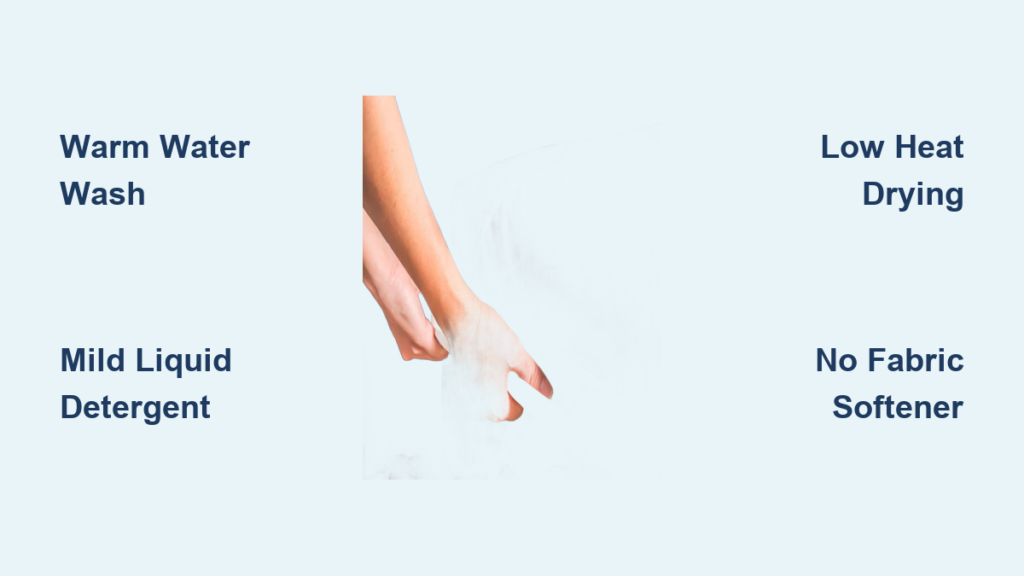
Use warm water between 30-40°C (85-105°F) when washing your Nectar mattress protector. This specific temperature range effectively lifts dirt and body oils from the fabric fibers while remaining gentle enough to protect the waterproof backing. Hot water above 40°C can gradually degrade the waterproof coating, causing it to crack or peel away from the fabric over multiple wash cycles. Cold water alone may not adequately remove stubborn stains or eliminate dust mites that accumulate in the fabric. The warm temperature provides optimal cleaning power without risking damage to the protector’s essential components.
Choosing the Right Detergent for Waterproof Fabric Protection
Always select a mild, liquid detergent specifically for washing your Nectar mattress protector. Powder detergents often fail to dissolve completely during the wash cycle, leaving behind residue that can attract more dirt and reduce the protector’s breathability. Liquid detergents rinse away cleanly and are gentler on the delicate waterproof layer. Crucially, skip fabric softeners entirely, as these coat the fibers with a waxy residue that diminishes moisture-wicking properties and creates an uncomfortable barrier between you and the breathable fabric. Similarly, never use bleach or harsh chemical cleaners, as these can break down the waterproof coating, cause discoloration, and significantly shorten your protector’s lifespan.
Selecting the Proper Washing Machine Cycle
Choose the gentle or delicate cycle on your washing machine to minimize agitation that could stress seams or damage the waterproof barrier. The reduced movement during this cycle protects the elastic edges from stretching out of shape and prevents unnecessary wear on the fabric surface. Avoid heavy-duty cycles or excessive spin speeds, as these create friction that compromises the protector’s construction over repeated washings. If your machine offers a “bulky items” setting, this often provides the right balance of cleaning action and gentle handling for mattress protectors. Ensure the washing machine isn’t overloaded—your protector needs space to move freely for thorough cleaning without excessive rubbing against other items.
Drying Recommendations for Longevity
https://www.nectarmattress.com/care-and-maintenance/
Proper drying ensures your Nectar mattress protector emerges from the laundry completely dry without sustaining heat damage. Taking care during this phase protects both the fabric and the waterproof membrane, which is essential when you’re learning how to wash Nectar mattress protector correctly.
Tumble Dry on Low Heat: Preserving Elasticity and Waterproofing
Tumble dry your Nectar mattress protector on a low heat setting—this remains the preferred method for drying while maintaining protector integrity. High temperatures pose a significant risk to the elastic components and can gradually compromise the waterproof barrier. Remove the protector promptly once the cycle completes to prevent residual heat from building up inside the dryer and causing damage. Add clean dryer balls or tennis balls to the dryer to help fluff the protector during drying, ensuring even heat distribution and preventing clumps that might leave some areas damp. This simple step helps maintain the protector’s loft and prevents uneven drying that could lead to mildew growth.
Air Drying Alternatives for Heat-Sensitive Protect
If you prefer air drying, hang the protector in a well-ventilated area away from direct sunlight to ensure proper drying without UV damage. Good air circulation accelerates drying time and helps prevent the musty odor that can develop when damp fabric sits too long. However, avoid direct sun exposure, as UV rays can fade colors over time and potentially weaken fabric fibers with prolonged exposure. Ensure the protector dries completely before reattaching it to your mattress, as any trapped moisture creates an environment where mold and mildew can develop underneath the protector, potentially damaging your mattress and creating health concerns. Check both sides thoroughly before use to confirm complete dryness.
How Often to Wash Your Protector for Optimal Performance
Establishing the right washing frequency keeps your Nectar mattress protector hygienic without subjecting it to unnecessary wear from over-washing. The ideal schedule depends on your household circumstances and personal factors that affect how quickly your protector accumulates soil.
Normal Use Washing Schedule
For most households without pets or allergy sufferers, washing your Nectar mattress protector every one to two months maintains optimal hygiene. This frequency removes the normal accumulation of body oils, sweat, and dead skin cells that transfer through sheets during sleep while allowing the protector to wear evenly over time. If you use a top sheet between yourself and the protector, you might extend this interval slightly, as the sheet provides an additional barrier against direct contact and soil. Never wait longer than two months between washings, as accumulated body oils can begin to break down the waterproof membrane even if no visible stains are present.
High-Traffic Household Washing Needs
Households with children, pets, or allergy sufferers benefit from more frequent washing, approximately every two to three weeks. Pets bring dander, dirt, and occasional accidents into the bed, while children often have spills and nighttime accidents that require more attention. Individuals with allergies or asthma benefit from more frequent washing to remove dust mites, pollen, and other allergens that accumulate in the fabric. Address any spills or accidents immediately by spot cleaning or running a wash cycle rather than waiting for the next scheduled wash, as prompt treatment prevents stains from setting into the fabric and eliminates odors before they become embedded.
Maintenance Tips for Extended Protector Lifespan
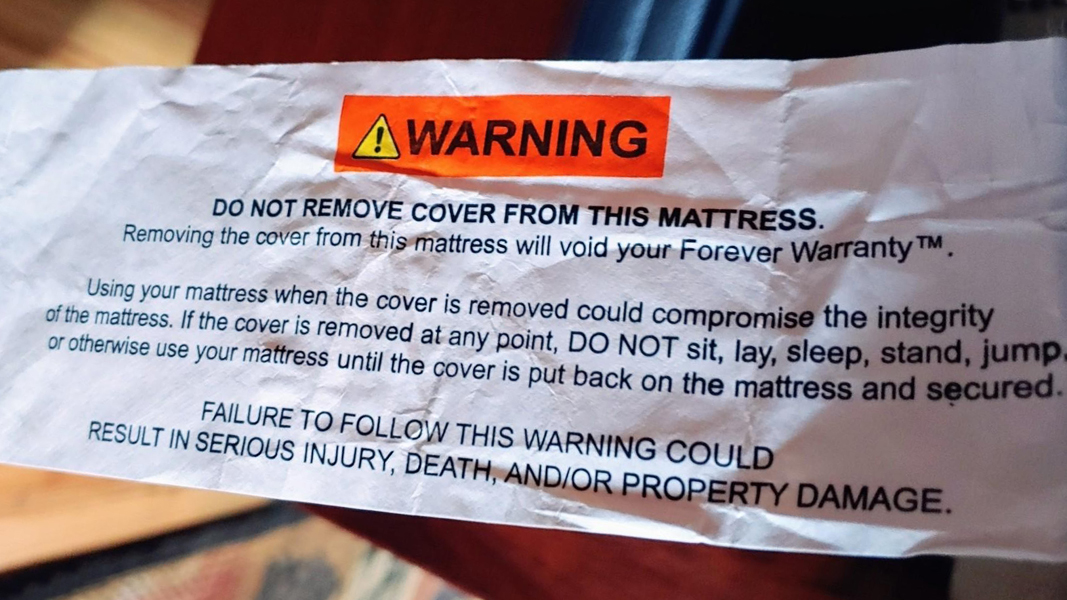
Regular maintenance beyond washing helps maximize the lifespan of your Nectar mattress protector and ensures continued protection for your mattress investment.
Rotate and Inspect Your Protector Monthly
Rotate the protector periodically to distribute wear evenly across its surface, preventing certain areas from thinning or showing signs of age before others. During these rotations, take a moment to inspect the seams, edges, and waterproof backing for any signs of damage. Look for tears, separated seams, or areas where the waterproof layer appears to be peeling or cracking. Check the elastic corners for proper tension—loose elastic won’t stay securely on your mattress. Catching these issues early prevents sudden failures that could result in mattress damage.
Recognizing When Replacement Is Necessary
Even with excellent care, mattress protectors eventually wear out and require replacement. Replace your Nectar mattress protector when you notice leaks or moisture passing through the fabric, indicating the waterproof barrier has failed. Visible thinning of the fabric, persistent odors that don’t wash out, or loss of stretch in the elastic edges all signal that the protector has reached the end of its useful life. Generally, replacing every three to five years provides reliable protection, though households with heavy use may find they need replacement sooner. Don’t wait until your protector fails—proactive replacement protects your more expensive mattress investment.
Essential Care Considerations to Avoid Costly Mistakes
Avoiding common mistakes protects your investment and ensures your Nectar mattress protector performs effectively throughout its lifespan.
Following Manufacturer Care Label Instructions Precisely
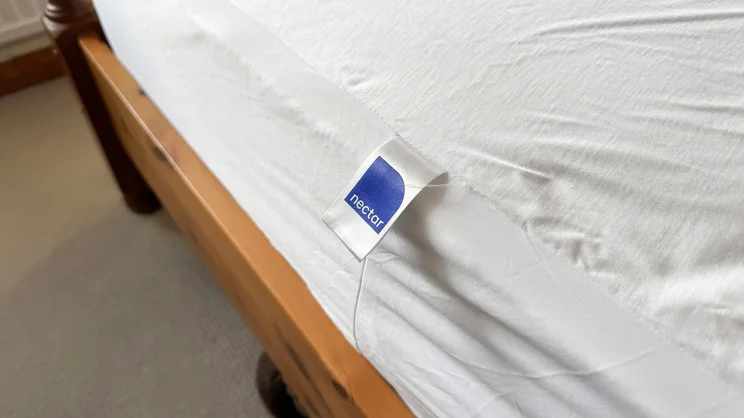
Always consult the specific care label attached to your Nectar mattress protector, as manufacturing variations may warrant slightly different care instructions than general guidelines. The care label provides manufacturer-specific recommendations tailored to the exact materials and construction of your particular protector. When in doubt, the care label takes precedence over general advice, as it reflects the specific requirements of your product. Check this label before every wash—some newer models may have updated care requirements that differ from previous versions you’ve owned.
Critical Mistakes to Avoid When Washing Nectar Protectors
Never iron your mattress protector, as high heat damages synthetic fibers and can melt or degrade the waterproof coating. Avoid dry cleaning entirely, as the chemicals used in professional dry cleaning processes can break down the waterproof membrane and compromise fabric integrity. Steer clear of high-heat drying cycles, even when you’re in a hurry, as the cumulative damage from heat exposure significantly shortens the protector’s useful life. Don’t use stain removers not specifically designed for waterproof fabrics, as many contain chemicals that degrade the protective membrane. By avoiding these common mistakes, you preserve both the protective properties and the comfort of your Nectar mattress protector for years of reliable use.
When you know how to wash Nectar mattress protector properly, you protect your significant mattress investment while maintaining a hygienic sleep environment. Following these specific care guidelines ensures your protector continues to provide effective waterproofing and breathability wash after wash. Remember that proper maintenance isn’t just about cleaning—it’s about preserving the delicate balance of materials that make your protector effective. By incorporating these techniques into your regular household routine, you’ll extend the life of your protector, save money on replacements, and enjoy better sleep knowing your mattress remains protected against spills, stains, and allergens.