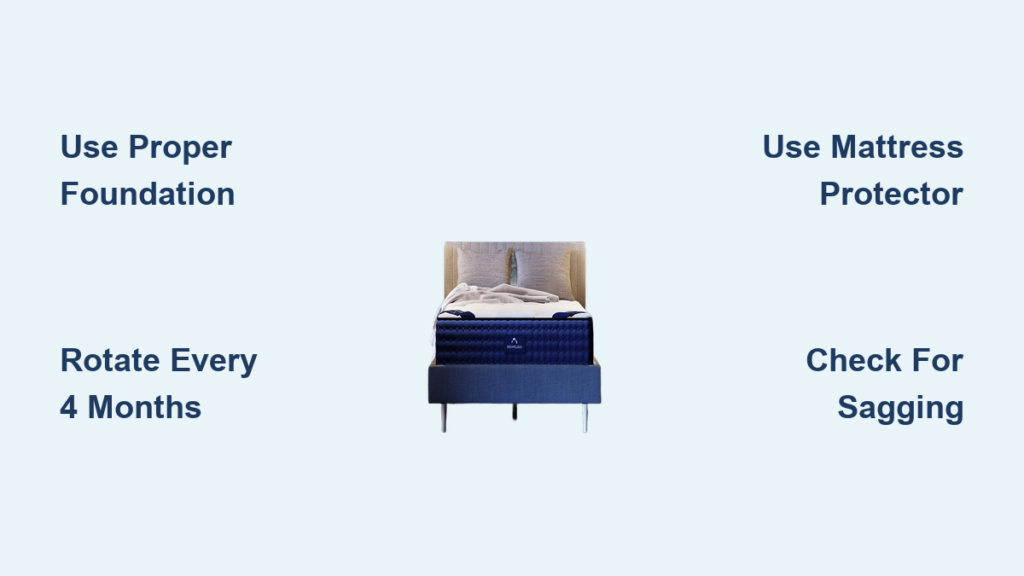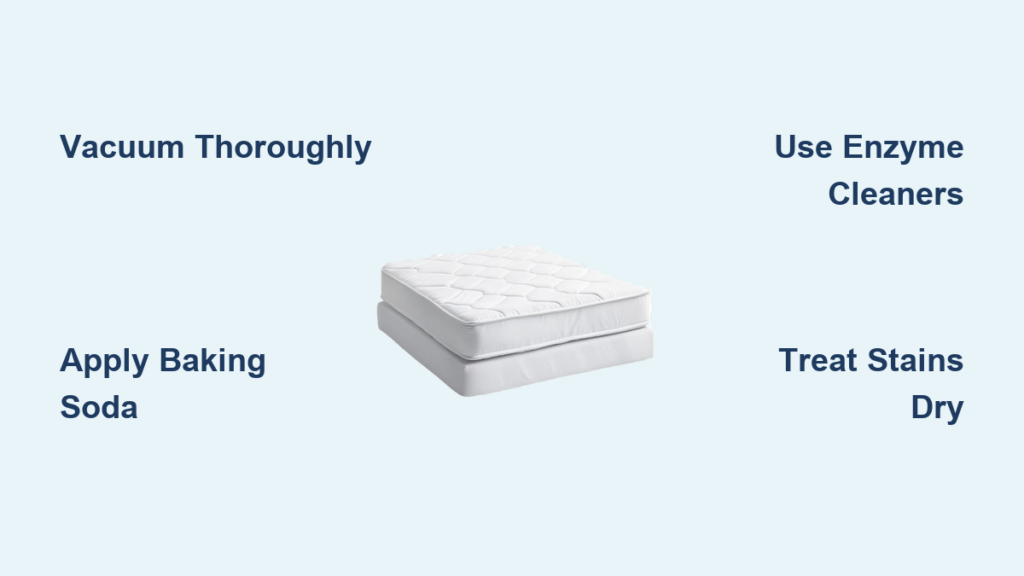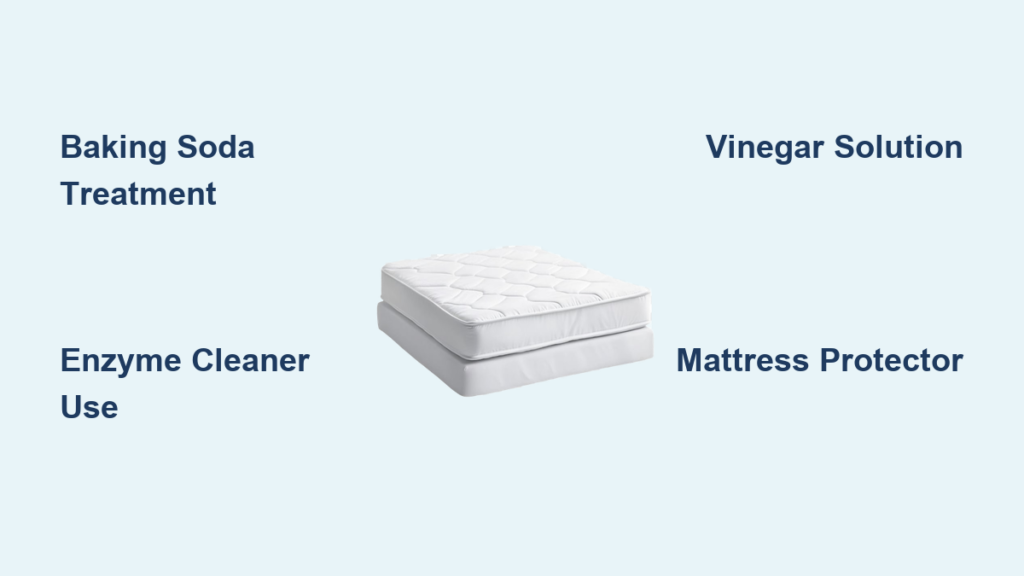
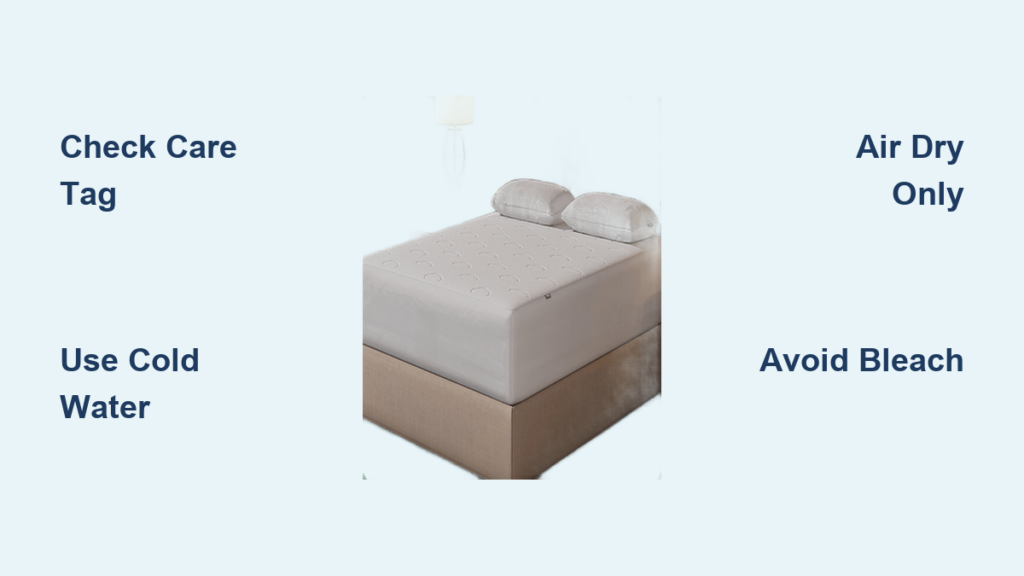
Your Puffy mattress cover works hard every night protecting your significant sleep investment, yet many owners find themselves staring at this crucial bedding component wondering exactly how to clean it properly. Unlike standard sheets that cycle through the laundry weekly, mattress covers often get neglected until accidents happen or odors develop. The frustration intensifies when you realize official washing instructions for your specific Puffy mattress cover aren’t readily available in your documentation or online resources. This guide addresses the reality many Puffy owners face—navigating mattress cover care without manufacturer-specific washing directions—while providing safe, general best practices for maintaining your sleep surface hygiene.
Before you toss that cover in the washing machine, understanding the limitations of available information is critical. After thorough review of current Puffy documentation and resources, no official washing instructions for Puffy mattress covers were found in standard reference materials. This absence of specific guidance creates genuine confusion for owners who want to maintain their warranty while keeping their sleep environment clean. This guide focuses on universally accepted mattress cover care principles while emphasizing the essential first step: verifying care instructions directly with Puffy before proceeding with any cleaning method.
Why Mattress Cover Maintenance Can’t Wait
Your mattress cover serves as your primary defense against nightly accumulation of sweat, skin cells, and environmental allergens that would otherwise penetrate deep into your mattress. Without regular cleaning, these contaminants create a breeding ground for dust mites—microscopic organisms that thrive in warm, humid environments and can trigger significant allergy symptoms in sensitive individuals. Studies show the average person sheds up to 500 million skin cells daily, most of which end up in your bedding and require proper removal to maintain sleep hygiene.
Beyond health considerations, neglecting your mattress cover directly impacts your investment protection. Puffy mattresses represent a substantial financial commitment, and proper cover maintenance plays a crucial role in preserving warranty validity. Most mattress warranties become void when stains or damage penetrate the mattress itself, making the cover your first line of defense against accidental voiding. Regular cover cleaning prevents minor spills from becoming permanent stains that could compromise your warranty coverage and force premature mattress replacement.
Critical Pre-Washing Verification Steps

Locate your original product documentation before considering any cleaning method. While many owners discard packaging and manuals, checking digital purchase records or email confirmations might reveal care instructions specific to your model. Puffy occasionally includes model-specific care details that account for variations in fabric composition across their product line, and using generic cleaning methods on specialty fabrics could cause irreversible damage.
Examine the physical care tag sewn into your mattress cover’s seam for manufacturer instructions. This small fabric label typically contains standardized laundry symbols indicating acceptable water temperatures, cycle types, and drying methods. Even without Puffy-specific wording, these universal care symbols provide essential guidance about what cleaning methods your cover can safely withstand. Pay particular attention to symbols indicating “do not machine wash” or “professional cleaning only,” as violating these could damage waterproof membranes or temperature-regulating technologies.
Contact Puffy customer support directly for authoritative washing guidance rather than guessing. Their representatives can provide model-specific instructions verified by product engineers and clarify whether certain cleaning methods might void your warranty. When reaching out, have your product model number and purchase date ready—this information helps support staff provide accurate guidance tailored to your specific cover’s materials and construction.
Safe Washing Approaches Without Manufacturer Instructions
Start with spot cleaning for minor issues before attempting full washing. For small stains or spills, mix one tablespoon of mild liquid detergent with two cups of cool water and gently dab the affected area with a clean, white cloth. Avoid vigorous rubbing that could spread stains or damage fabric fibers. This method effectively addresses most minor accidents without risking damage from full washing cycles, preserving your cover’s integrity between deeper cleanings.
Use a front-loading washing machine on gentle cycle if spot cleaning proves insufficient. Top-loading machines with agitators create excessive stress on mattress covers, potentially tearing seams or damaging elastic components. Front-loaders provide thorough cleaning with less mechanical action, significantly reducing wear on delicate fabrics. Ensure your machine drum has adequate space—overloading prevents proper water circulation while underloading creates excessive movement that stresses seams.
Select cold water and mild, fragrance-free detergent to minimize fabric damage risk. Hot water can shrink natural fibers and degrade synthetic materials, while strong detergents and fabric softeners often contain chemicals that break down waterproof membranes over time. Use half the recommended detergent amount to prevent residue buildup that attracts more dirt and compromises the cover’s breathability. Never use bleach or stain removers without explicit manufacturer approval, as these can permanently damage fabric coatings.
Proper Drying Techniques to Prevent Damage

Air dry your mattress cover whenever possible to preserve fabric integrity. High heat from dryers can melt synthetic fibers, shrink elastic bands, and degrade waterproof barriers that many premium mattress covers incorporate. Lay the cover flat on a clean surface away from direct sunlight, which can fade colors and weaken fabric over time. Flip the cover periodically to ensure even drying of both sides, paying special attention to thicker seam areas where moisture tends to linger.
If using a dryer, select the lowest heat setting and remove the cover while still slightly damp. High heat settings commonly cause irreversible shrinkage in mattress covers, particularly those containing natural fibers like cotton or bamboo. Set your dryer to “air fluff” or “no heat” if available, and check the cover every 10-15 minutes to prevent over-drying. Adding two clean tennis balls to the dryer helps maintain loft in quilted covers while reducing drying time through improved air circulation.
Never iron or apply direct heat to your mattress cover to remove wrinkles. The high temperatures required for ironing can melt synthetic fibers, damage waterproof membranes, and compromise any cooling technologies embedded in the fabric. If wrinkles persist after air drying, simply remount the cover on your mattress—the tension from the elastic corners will naturally smooth minor creases within 24 hours of use.
Warning Signs You’ve Used Improper Cleaning Methods

Noticeable shrinkage or fit issues after washing indicate excessive heat exposure during cleaning. If your cover no longer stretches comfortably over your mattress corners or feels tighter than before washing, high water temperatures or aggressive drying methods have likely damaged the elastic components. This problem often becomes permanent after the first improper wash cycle, making prevention critical for maintaining proper fit.
Waterproofing failure manifests as moisture penetrating through the cover to the mattress surface. Many premium mattress covers incorporate waterproof barriers that degrade when exposed to harsh chemicals or high heat. If your cover previously blocked spills but now allows liquids to seep through, improper cleaning methods have likely compromised this essential protective feature, requiring immediate replacement to protect your mattress investment.
Persistent detergent odor after multiple washes signals chemical buildup in the fabric. Overuse of detergent or failure to rinse thoroughly traps residues that attract more dirt and create a cycle of recurring odors. This problem often requires multiple cold water rinses without additional detergent to resolve, and in severe cases, may necessitate professional textile cleaning to fully eliminate embedded residues.
Extending Time Between Necessary Washes
Implement a double-sheet system by adding an extra fitted sheet between your body and the mattress cover. This simple practice captures the majority of nightly sweat and skin cell transfer, reducing how often you need to wash the protective cover itself. Opt for moisture-wicking fabrics like bamboo or Tencel for this additional layer to enhance breathability while maximizing protection.
Vacuum your mattress cover monthly using the upholstery attachment on your vacuum cleaner. This quick maintenance task removes surface dust, dead skin cells, and allergens before they become embedded in the fabric fibers, significantly extending the time between necessary washes. Focus on seams and crevices where debris tends to accumulate, and always use the lowest suction setting to prevent fabric damage.
Address spills immediately by blotting—not rubbing—with a clean, absorbent cloth. For liquid spills, follow with a small amount of cool water and mild soap applied gently with a white cloth to prevent color transfer. Immediate attention prevents stains from setting deep into fibers, often eliminating the need for full washing after minor accidents.
Final Verification Before Washing Your Puffy Cover
Before starting any washing process, confirm Puffy’s current care recommendations through three verification channels: check their official website’s care section, review any digital documentation received at purchase, and contact customer support directly. Manufacturers occasionally update care instructions based on product improvements or material changes, making current guidance essential for proper maintenance. If conflicting information exists between sources, always follow the most conservative approach that prioritizes fabric preservation over aggressive cleaning methods. Your mattress cover represents a critical component of your sleep investment—treating it with appropriate care ensures both warranty protection and optimal sleep hygiene for years to come.