Your Allerease mattress cover works tirelessly as your first line of defense against dust mites, allergens, and everyday accidents that can compromise your sleep environment. These specialized protectors feature multi-layer construction with soft fabric tops, waterproof membranes, and allergen-blocking technology—all engineered to keep your mattress clean while reducing allergy triggers. Yet many homeowners unknowingly sabotage this protection by washing their covers incorrectly. Improper cleaning can strip away waterproofing, degrade allergen barriers, and shorten your cover’s lifespan significantly. Whether you’re giving your Allerease protector its first cleaning or have been using it for months, following the exact washing protocol matters more than you might realize. This comprehensive guide delivers step-by-step instructions for properly washing your Allerease mattress cover while preserving its critical protective properties for years to come.
Gather Essential Washing Supplies Before Starting
Before removing your Allerease mattress cover from the bed, assemble all necessary supplies to ensure a smooth, damage-free cleaning process. Having everything ready prevents mid-wash interruptions that could leave your cover soaking too long or improperly treated.
Select Approved Cleaning Products Only
Choose a mild, liquid laundry detergent specifically formulated for sensitive fabrics—powdered detergents often leave residue that clogs the waterproof membrane’s pores. Verify the label states “no bleach,” “no enzymes,” and “no fabric softeners,” as these ingredients break down the specialized layers that make your Allerease cover effective. If treating stains, keep a gentle spot cleaner approved for waterproof fabrics nearby, but test it first on an inconspicuous area of the cover.
Prepare Your Washing Machine Properly
Run an empty rinse cycle if your machine shows detergent residue from previous loads, as leftover chemicals can react with your cleaning products. Ensure the drum has ample space—your mattress cover needs room to move freely for thorough cleaning without stressing seams. Having a second Allerease cover for rotation extends the life of both protectors and guarantees continuous mattress protection during washing.
Check Your Specific Cover’s Care Label First

Every Allerease mattress protector comes with a sewn-in care label containing model-specific washing instructions that override general guidelines. Manufacturing variations mean different Allerease models have unique requirements that affect cleaning safety and warranty coverage.
Identify Correct Water Temperature Range
Your care label specifies whether warm water (105-120°F) is acceptable or if cold water (below 85°F) is required. Some newer Allerease models with advanced waterproof coatings mandate cooler temperatures to prevent membrane damage. If your label has faded, contact Allerease customer service with your model number—they’ll provide exact specifications to prevent accidental damage.
Note Special Cycle Requirements
Certain Allerease variants require specific washing machine settings beyond just “gentle cycle.” Premium models with medical-grade allergen barriers may prohibit spin cycles altogether, while standard versions typically allow low-speed spinning. Ignoring these details can compromise the cover’s protective capabilities and void your warranty.
Address Stains Before Full Washing Cycle
Spot-treating stains before washing dramatically improves cleaning results while protecting your cover’s waterproof membrane from unnecessary chemical exposure during the main cycle.
Immediate Spill Response Protocol
For fresh spills, immediately blot (never rub) with a clean microfiber cloth to absorb liquids before they penetrate the waterproof layer. Work from the stain’s outer edges inward to prevent spreading. For dried spills, gently scrape off solid residue with a dull knife before applying cleaning solution.
Safe Stain Treatment Method
Apply a dime-sized amount of mild liquid detergent directly to the stain, working it gently with your fingertips for 30 seconds. Let it sit for 5-10 minutes before proceeding to the main wash. For stubborn stains, repeat the process rather than using harsh chemicals—most Allerease covers withstand multiple gentle treatments better than one aggressive cleaning.
Set Precise Water Temperature for Optimal Results
Water temperature directly impacts both cleaning effectiveness and your cover’s longevity. Too hot risks melting the waterproof membrane, while too cold fails to eliminate allergens and body oils effectively.
Warm Water Washing Guidelines
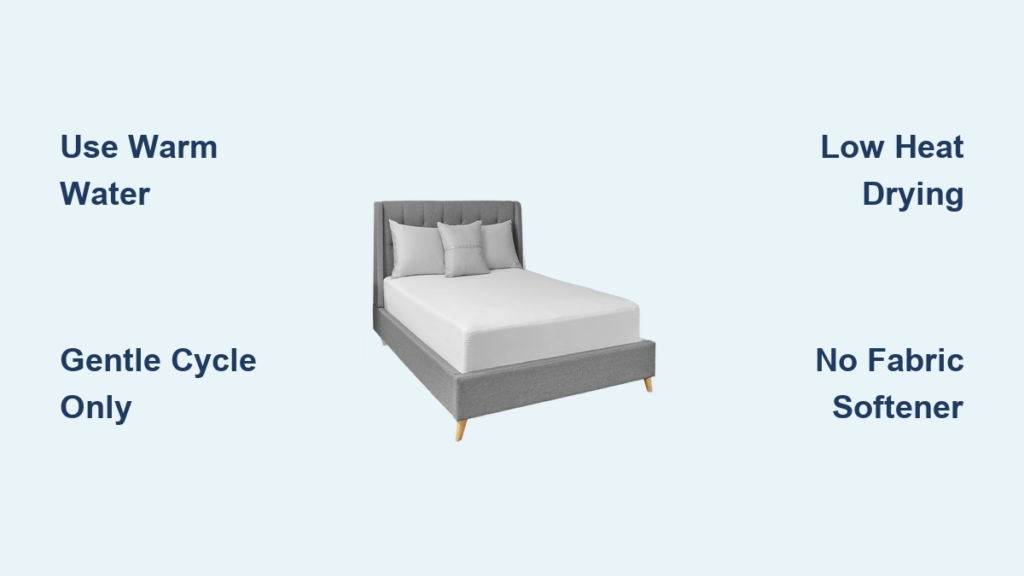
For most standard Allerease protectors, 105-120°F water provides the ideal balance—warm enough to activate detergent and kill dust mites, yet cool enough to preserve membrane integrity. If your machine lacks precise temperature controls, mix hot and cold water until it feels comfortably warm to your wrist.
Cold Water Exceptions
Premium Allerease models with sensitive allergen-blocking layers often require cold water washing. When in doubt, choose cooler temperatures—slightly reduced cleaning power is preferable to irreversible heat damage. Always verify requirements on your specific care label before starting the wash cycle.
Select Detergent That Preserves Waterproofing
Your detergent choice makes or breaks your Allerease cover’s waterproof performance over time. Harsh chemicals gradually degrade the membrane, eventually allowing liquids to reach your mattress.
Approved Detergent Characteristics
Use only fragrance-free, dye-free liquid detergents labeled “safe for waterproof fabrics.” Measure precisely according to load size—excess detergent leaves residues that clog the membrane’s pores. Opt for washing machines with double-rinse cycles to ensure complete detergent removal from the cover’s multiple layers.
Products That Destroy Waterproof Barriers
Never use bleach (even color-safe varieties), fabric softeners, or enzyme-based cleaners—they break down the polymer chains in waterproof membranes. Powdered detergents often contain fillers that crystallize in fabric layers, creating microscopic channels for liquid penetration over time.
Run Gentle Cycle With Proper Load Balance
The mechanical action during washing poses significant risks to your Allerease cover’s seams, elastic edges, and layered construction if you select the wrong cycle.
Ideal Washing Machine Settings
Set your machine to “delicate” or “hand wash” cycle with minimal agitation. If unavailable, choose the shortest cycle with lowest spin speed. Wash with one or two similar lightweight items (like pillowcases) to balance the load without overcrowding the drum.
Dangerous Cycle Mistakes
Avoid standard cycles designed for towels or jeans—their vigorous agitation stresses elastic edges and can cause seam separation. Never wash your mattress cover with heavy items that create uneven drum movement. Overloading prevents proper rinsing, leaving detergent residues that degrade waterproofing.
Dry Using Low Heat to Maintain Integrity
Improper drying causes more Allerease cover failures than incorrect washing. High heat melts waterproof membranes and shrinks elastic edges, rendering your protector ineffective.
Correct Tumble Drying Method
Dry on low heat (125-140°F) with periodic checks—most mattress covers take 60-90 minutes to dry completely due to their layered construction. Remove immediately when dry to prevent heat buildup that degrades the membrane. Add dryer balls to improve airflow without damaging the fabric.
Air Drying Considerations
If your care label permits air drying, hang the cover flat in a well-ventilated area away from direct sunlight. Rotate frequently to ensure even drying, as trapped moisture inside layers promotes mildew growth. Air drying typically takes 24-48 hours—never store or reuse a cover that remains damp.
Protect Waterproof Membrane During Long-Term Use
Your Allerease cover’s waterproof layer requires ongoing maintenance beyond just proper washing to maintain its liquid-repelling capabilities for years.
Regular Waterproofing Tests
Every three months, sprinkle water droplets on the cover’s surface—properly functioning membranes cause immediate beading. If water soaks in instead of beading, the waterproof layer has degraded and replacement is needed regardless of the cover’s apparent condition.
Damage Prevention Practices
Never place pins, tape, or sharp objects directly on the cover. Avoid direct contact with heated mattress pads—the concentrated heat accelerates membrane breakdown. Store clean covers flat or loosely rolled in breathable cotton bags away from direct sunlight and extreme temperatures.
Maximize Your Cover’s Service Life
Extending your Allerease protector’s lifespan saves money while ensuring continuous allergen protection. Strategic maintenance practices significantly impact how many years your cover remains effective.
Rotation System for Longevity
Own two identical Allerease covers and rotate them monthly—this reduces wear from constant use while allowing each cover to fully dry between applications. The resting period lets fibers recover from compression, maintaining both comfort and protective properties.
Warning Signs of Material Fatigue
Check monthly for thinning fabric, stretched elastic, or seam separation—these indicate imminent failure. Most quality Allerease covers last 3-5 years with proper care, but households with children, pets, or allergy sufferers may need annual replacement due to increased wear.
Recognize When Replacement Is Necessary
Even with perfect care, Allerease mattress covers eventually reach the end of their functional lifespan. Knowing when to replace prevents compromised protection that puts your mattress at risk.
Critical Waterproofing Failure Indicators
If liquid spills soak through immediately rather than beading on the surface, the waterproof membrane has failed. Similarly, increased allergy symptoms despite regular washing suggest the allergen barrier has degraded below effective levels—replace immediately regardless of visible condition.
Physical Damage Thresholds
Discard covers with any punctures, tears, or significant seam separation—attempting repairs creates weak points that compromise overall protection. Elastic edges that no longer grip the mattress corners properly also indicate replacement time, as gaps allow allergens to enter the mattress.
Following these precise washing protocols ensures your Allerease mattress cover maintains its allergen-blocking and waterproof capabilities through countless cleaning cycles. By using warm (not hot) water, approved liquid detergents, gentle machine settings, and low-heat drying, you preserve the specialized construction that makes these protectors valuable. When signs of degradation appear, prompt replacement guarantees your mattress continues receiving the comprehensive protection it needs for truly healthy sleep.