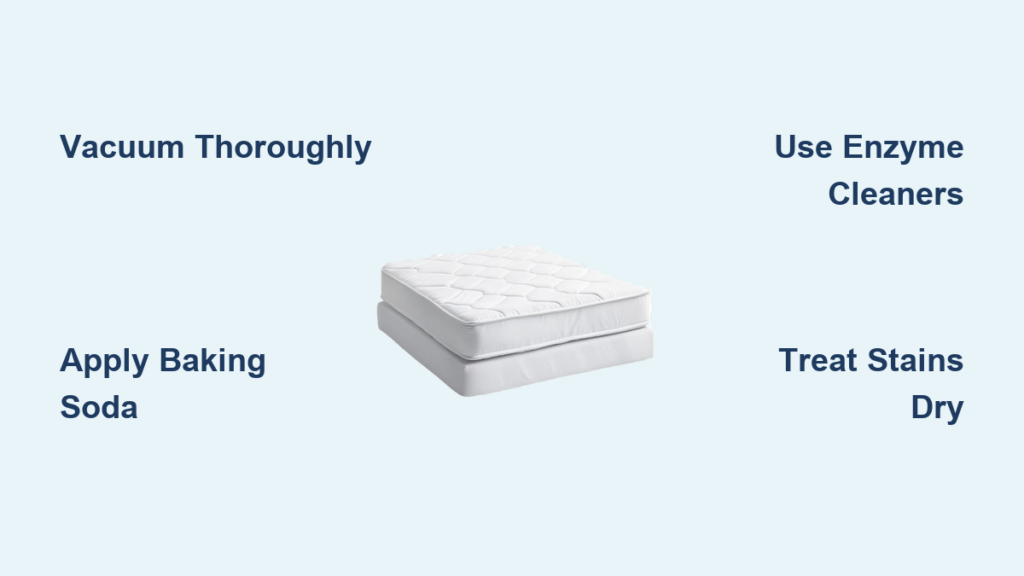
Your mattress silently collects dead skin cells, dust mites, sweat, and allergens while you sleep, yet most people overlook this critical household item in their cleaning routine. Water-based cleaning methods pose significant risks for memory foam and latex mattresses that absorb moisture and can develop mold if not dried completely. Learning how to clean a mattress without water gives you effective options that eliminate moisture concerns while still addressing stains, odors, and allergens. This guide reveals proven dry techniques that refresh your mattress safely, preserve its integrity, and create a healthier sleep environment—all without introducing potentially damaging moisture.
Gather Essential Dry Cleaning Supplies
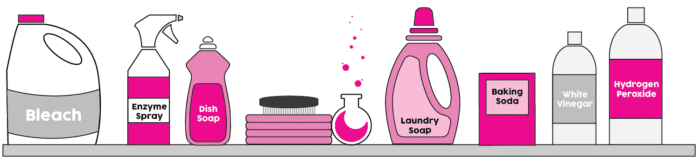
Before you begin learning how to clean a mattress without water, assembling the right supplies makes the process significantly more effective. A high-powered vacuum with upholstery attachments forms the foundation of your dry cleaning arsenal, with a HEPA filter being essential for capturing microscopic dust mites and allergens that standard vacuums recirculate back into your air.
Baking soda serves as your primary dry cleaning agent, with one cup needed for twin or full mattresses and up to two cups for larger queen or king sizes. For enhanced results, combine your baking soda with ten to fifteen drops of essential oil—lavender for relaxation, tea tree for antimicrobial properties, or eucalyptus for refreshing scent—before application. The oils not only improve fragrance but also provide additional cleaning benefits without introducing moisture.
Enzyme-based cleaners specifically formulated for fabrics deliver targeted treatment for organic stains when you clean a mattress without water. Unlike traditional stain removers, these products break down proteins in sweat, blood, or urine stains without requiring water dilution. Always keep clean microfiber cloths, a stiff brush with synthetic bristles, and rubber gloves on hand for effective application and protection during the cleaning process.
Vacuum Thoroughly Before Other Treatments
Vacuuming represents the most fundamental step in how to clean a mattress without water and should never be skipped. Begin by removing all bedding and washing these items separately while you focus on the mattress itself. With the surface exposed, attach your vacuum’s upholstery brush and methodically work across the entire mattress using slow, overlapping strokes that allow maximum suction time.
Pay particular attention to seams, tufted areas, and perimeter edges where dust and dead skin cells accumulate most heavily. Flip the mattress and repeat the process on the opposite side, spending at least two to three minutes per side to ensure thorough extraction of deeply embedded particles. For optimal results, use medium to high suction settings that extract debris without damaging fabric stitching.
Immediately empty your vacuum canister or replace the bag outside after completing this step to prevent collected allergens from re-entering your living space. This precaution proves especially important for allergy sufferers, as disturbed dust mite waste can become airborne and trigger symptoms if not properly contained.
Apply Baking Soda for Deep Deodorizing
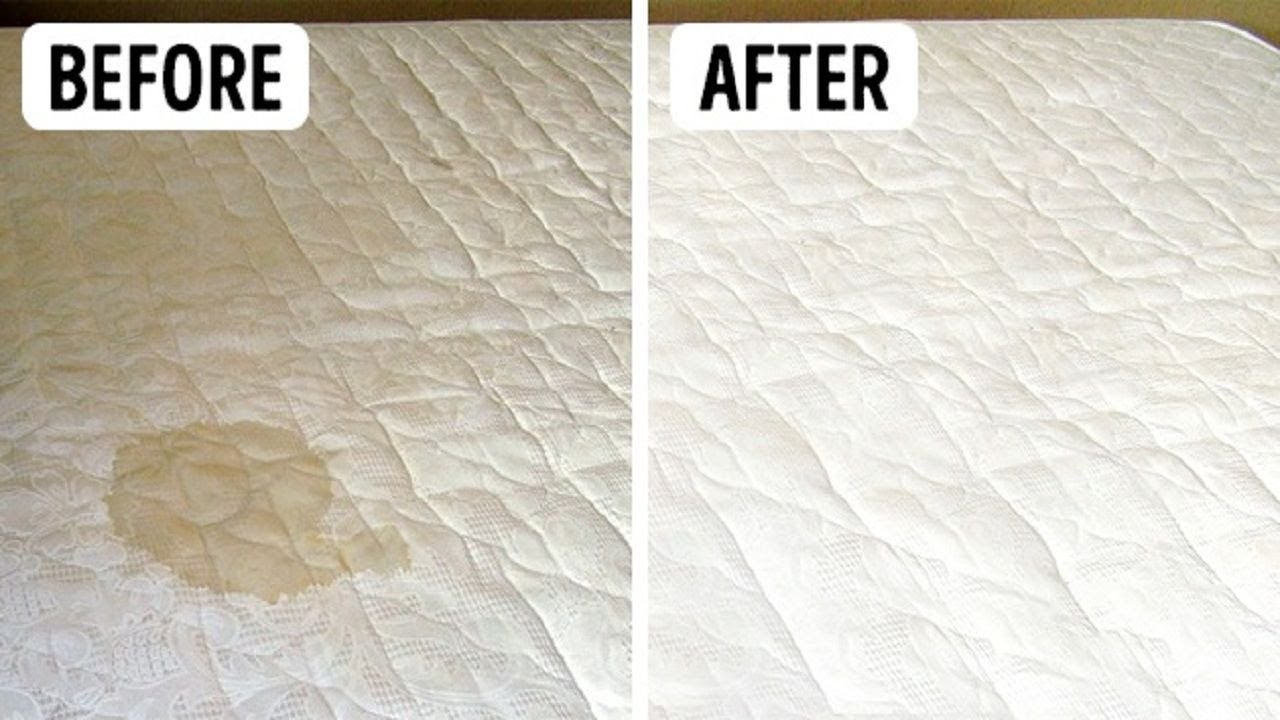
Baking soda stands as the most effective dry method to clean a mattress without water while simultaneously addressing odors and drawing out residual moisture. Generously sprinkle the baking soda across the entire mattress surface, using enough that the fabric is barely visible beneath the white powder—approximately one to one and a half boxes for a standard queen mattress.
Lightly work the baking soda into mattress fibers using your stiff brush, employing circular motions with moderate pressure to help the powder penetrate deeper where odors and oils reside. Focus especially on areas showing discoloration or receiving heavy body contact, as these spots typically harbor the most contaminants. Allow the baking soda to remain in place for at least one hour, though leaving it overnight produces superior odor absorption results.
After the waiting period, vacuum the mattress thoroughly using the same methodical approach as your initial vacuuming. Take extra time with this step—any baking soda left behind can create an uncomfortable gritty feel when you make the bed. For persistent odors, repeat the baking soda treatment multiple times, allowing each application to sit for several hours before vacuuming.
Treat Stains with Enzyme Cleaners
When you need to clean a mattress without water but must address specific stains, enzyme-based cleaners provide targeted treatment without moisture risks. Apply the cleaner directly to stained areas using a clean white cloth, targeting only the affected spots to prevent unnecessary saturation. Blot gently rather than rubbing, as aggressive motion can push contaminants deeper into mattress fibers.
For dried or set-in stains, apply the enzyme cleaner, allow it to sit for five to ten minutes, then blot with a dry cloth to absorb lifted residue. Repeat this process several times if necessary, giving the enzymes adequate contact time to break down stain compounds effectively. After treatment, allow the area to air dry completely before making the bed, placing a fan nearby to speed the process if needed.
Never apply enzyme cleaners to large mattress areas—always target specific spots to maintain the dry cleaning approach. For stubborn stains, multiple treatment sessions over several days may be necessary for optimal results without introducing excessive moisture.
Address Dust Mites with Targeted Methods
Dust mites represent one of the most common mattress problems and a primary reason to master how to clean a mattress without water. These microscopic creatures thrive on dead skin cells and their waste triggers allergies for many people. Regular vacuuming with a HEPA-filtered vacuum forms your first line of defense, capturing particles as small as 0.3 microns including both mites and their allergenic waste.
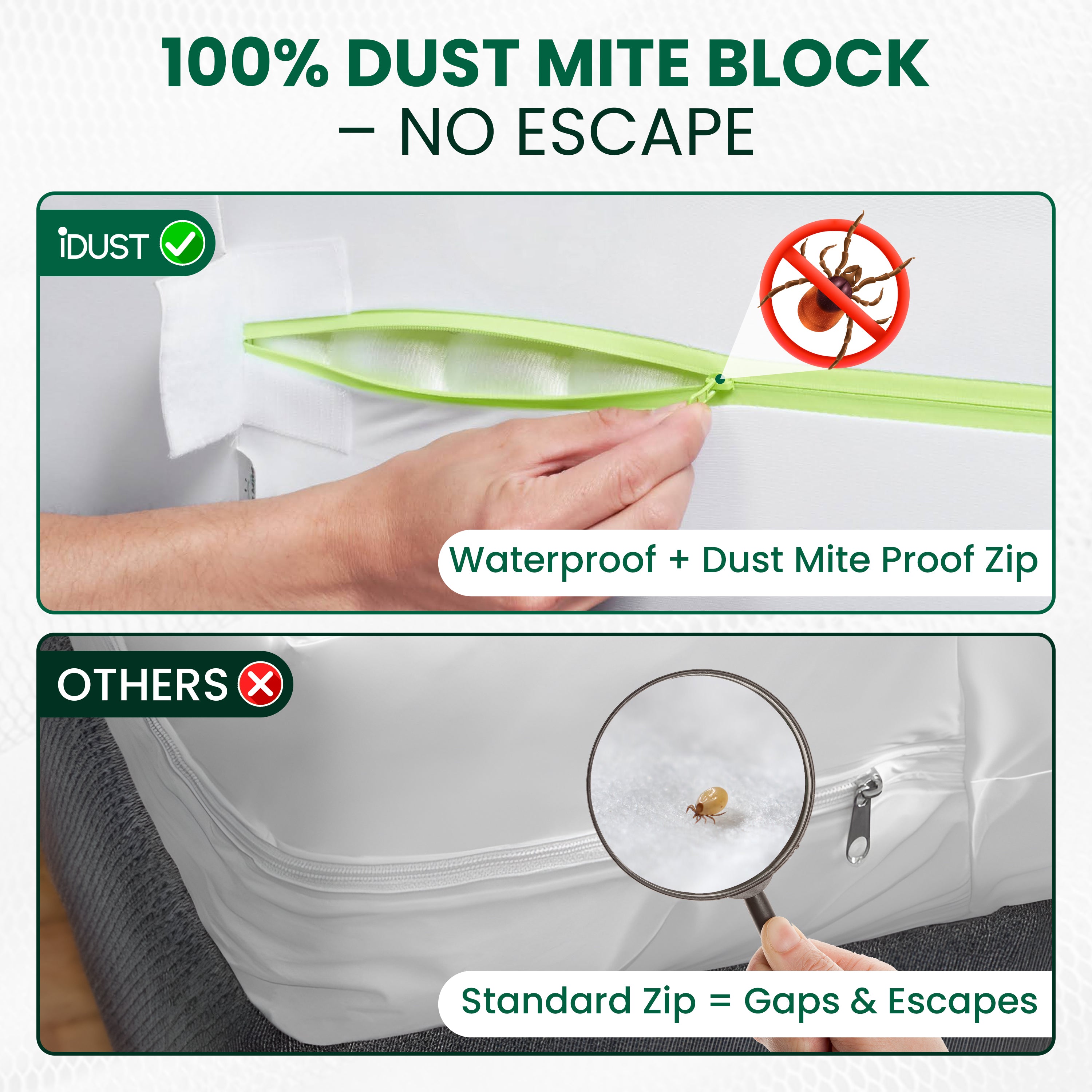
Enhance your baking soda treatment by adding tea tree oil, which possesses natural acaricidal properties that kill dust mites on contact. Work the treated baking soda into mattress fibers and leave it for several hours to maximize the dehydrating effect that makes conditions inhospitable for mites. For severe infestations, consider using a mattress encasement after cleaning—these zippered covers create a barrier that seals away existing populations and prevents new infestations.
Sun exposure offers another effective dust mite solution without chemicals. On a sunny day, place your mattress in direct sunlight for several hours. UV radiation kills dust mites while heat and airflow refresh the mattress. This traditional method works particularly well for seasonal deep cleaning and requires no special equipment.
Maintain a Clean Mattress Between Deep Cleans
Consistent maintenance between intensive cleanings keeps your mattress fresher longer and makes eventual deep cleaning easier. Using a quality mattress protector represents the single most effective maintenance strategy—it creates a barrier against sweat, spills, and dust mites while allowing air circulation. Wash the protector monthly in hot water to eliminate captured contaminants.
Vacuum your mattress monthly using the upholstery attachment, focusing on seams and high-traffic areas. For households with allergy sufferers, bi-weekly vacuuming provides additional protection. Rotate and flip your mattress every three to six months to promote even wear and take the opportunity for a quick vacuum during rotation.
Address spills immediately when they occur, even when cleaning a mattress without water. Blot fresh spills with a clean, dry cloth to absorb as much liquid as possible. For biological stains, apply enzyme cleaner promptly before the stain sets. Quick action prevents stains from becoming permanent and reduces the need for intensive cleaning later.
Final Considerations for Dry Mattress Cleaning
Mastering how to clean a mattress without water provides safe, effective options for maintaining mattress hygiene regardless of your mattress type. The dry methods covered—vacuuming, baking soda treatment, enzyme cleaners, and targeted stain removal—address the full range of mattress care needs without introducing moisture that could damage your investment.
Remember that consistent, regular maintenance prevents the heavy buildup that requires intensive cleaning. Monthly vacuuming, prompt attention to spills, and protective covers work together to keep your mattress fresh and extend its useful life. When deeper cleaning is needed, these dry methods deliver professional-quality results without professional equipment.
For optimal results, clean your mattress seasonally—four times per year—to maintain freshness and address allergen buildup before it becomes problematic. This schedule aligns with typical bedding rotation and provides natural checkpoints for mattress inspection. Your mattress represents a significant investment in your sleep quality and health; proper dry maintenance ensures you get maximum value and comfort for years to come.