Shopping for a new mattress can feel overwhelming when faced with countless options and confusing terminology. When you’re searching for the right different types of spring mattress, understanding what’s inside matters more than flashy marketing claims. Spring mattresses still dominate Australian bedrooms, yet most shoppers don’t realize how dramatically the internal spring system affects comfort, durability, and sleep quality. The wrong spring type could mean years of restless nights, while the right match delivers consistent support that aligns with your body and sleep habits.
Spring units form the critical foundation of any spring mattress, determining how pressure distributes across your body and how long your mattress will maintain its supportive qualities. From traditional Bonnell coils to advanced pocket spring systems, each construction method offers distinct advantages and limitations. This guide breaks down exactly how four primary spring technologies perform in real-world conditions, so you can select the mattress that delivers the sleep experience you deserve without overspending on features you don’t need.
Bonnell Springs: Why This Traditional Budget Mattress Still Serves Specific Sleepers
Bonnell springs represent the original coil technology that established spring mattresses as sleep industry standards decades ago. These hourglass-shaped coils connect with helical wires running horizontally and vertically, creating an interconnected support grid that responds as a unified system rather than allowing individual coil movement. This traditional design delivers a notably firm feel that many budget-conscious shoppers recognize from older mattresses or entry-level options at major retailers.
How Bonnell Spring Construction Creates Firm, Consistent Support
The distinctive hourglass shape of Bonnell springs narrows at the center and widens at connection points, providing predictable compression under weight. When you lie down, pressure transmits across interconnected coils rather than being isolated to specific contact points. This creates the firm, consistent support that back and stomach sleepers often prefer, helping maintain spinal alignment without excessive sinkage. The simplicity of this design keeps manufacturing costs low, making Bonnell spring mattresses the most affordable option in the spring mattress category.
Critical limitation to consider: The interconnected design means significant motion transfer when sharing the bed. If your partner rolls over or gets up during the night, you’ll likely feel those movements across the sleep surface. This makes Bonnell springs less suitable for couples where one partner is a light sleeper.
Who Benefits Most from Bonnell Spring Mattress Performance
Single sleepers who prefer firm surfaces represent the ideal Bonnell spring user profile. If you sleep alone and appreciate resistance against your body without deep compression, these mattresses deliver satisfactory support at accessible price points. They also serve well in practical applications where premium sleep surfaces aren’t necessary:
- Guest rooms used occasionally
- Rental properties requiring durable, serviceable bedding
- Dormitory or student accommodation
- Vacation homes with seasonal use
For these specific scenarios, Bonnell springs provide appropriate firm support without the premium pricing of more advanced spring technologies.
Continuous Spring Mattresses: The Middle-Ground Option You’re Not Hearing About
Continuous spring systems stand apart from traditional coil designs by using a single, unbroken wire formed into geometric patterns that create the entire support structure. Major Australian mattress brands have increasingly adopted this technology, recognizing its ability to deliver performance that bridges the gap between basic Bonnell springs and premium pocket spring alternatives.
How a Single Wire Creates Your Entire Support System
Specialized machinery shapes continuous wire into serpentine wave patterns or more complex helical formations that provide varying support across different mattress zones. Unlike interconnected Bonnell springs where movement transfers freely, the geometric complexity of continuous wire patterns can be engineered to isolate some motion while maintaining structural integrity. The continuous nature means no individual coil connections can weaken over time, potentially enhancing durability compared to traditional coil systems.
Key performance insight: Continuous spring mattresses typically offer medium-firm support with better motion isolation than Bonnell springs but less independence than pocket springs. They respond as an integrated system with engineered flexibility in specific zones.
Pocket Springs: Why Couples Pay Premium for Individual Coil Support
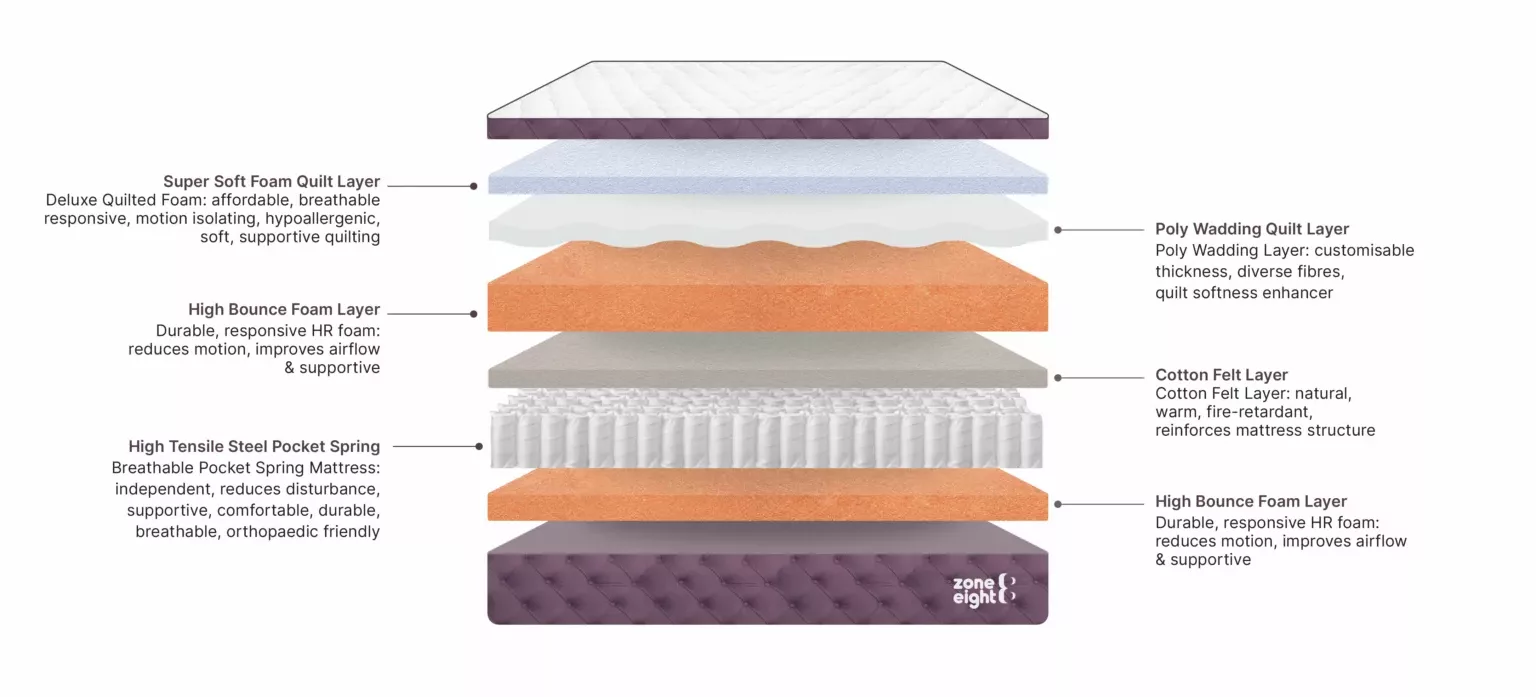
Pocket springs represent the pinnacle of spring mattress technology with each coil individually encased in fabric, creating truly independent support units that respond only to direct pressure. This design fundamentally changes the sleep experience compared to interconnected spring systems, particularly for couples sharing a bed.
How Fabric-Encased Coils Eliminate Partner Motion Transfer
When you move on a pocket spring mattress, only the coils directly beneath you compress while surrounding coils remain unaffected. This independent response means your partner won’t feel you shifting positions, getting up during the night, or adjusting your sleep posture. For couples where one person is a light sleeper or maintains different sleep schedules, this motion isolation capability transforms sleep quality by preventing disruptions that accumulate into chronic sleep deprivation.
Critical quality differentiator: Not all pocket spring mattresses perform equally. Look for:
– Higher coil counts (800+ for queen size)
– Varying wire gauges for targeted support
– Zoned construction with firmer coils under torso
– Breathable fabric encasements preventing heat buildup
Match Your Spring Type to Sleeping Position: Back vs. Side vs. Stomach
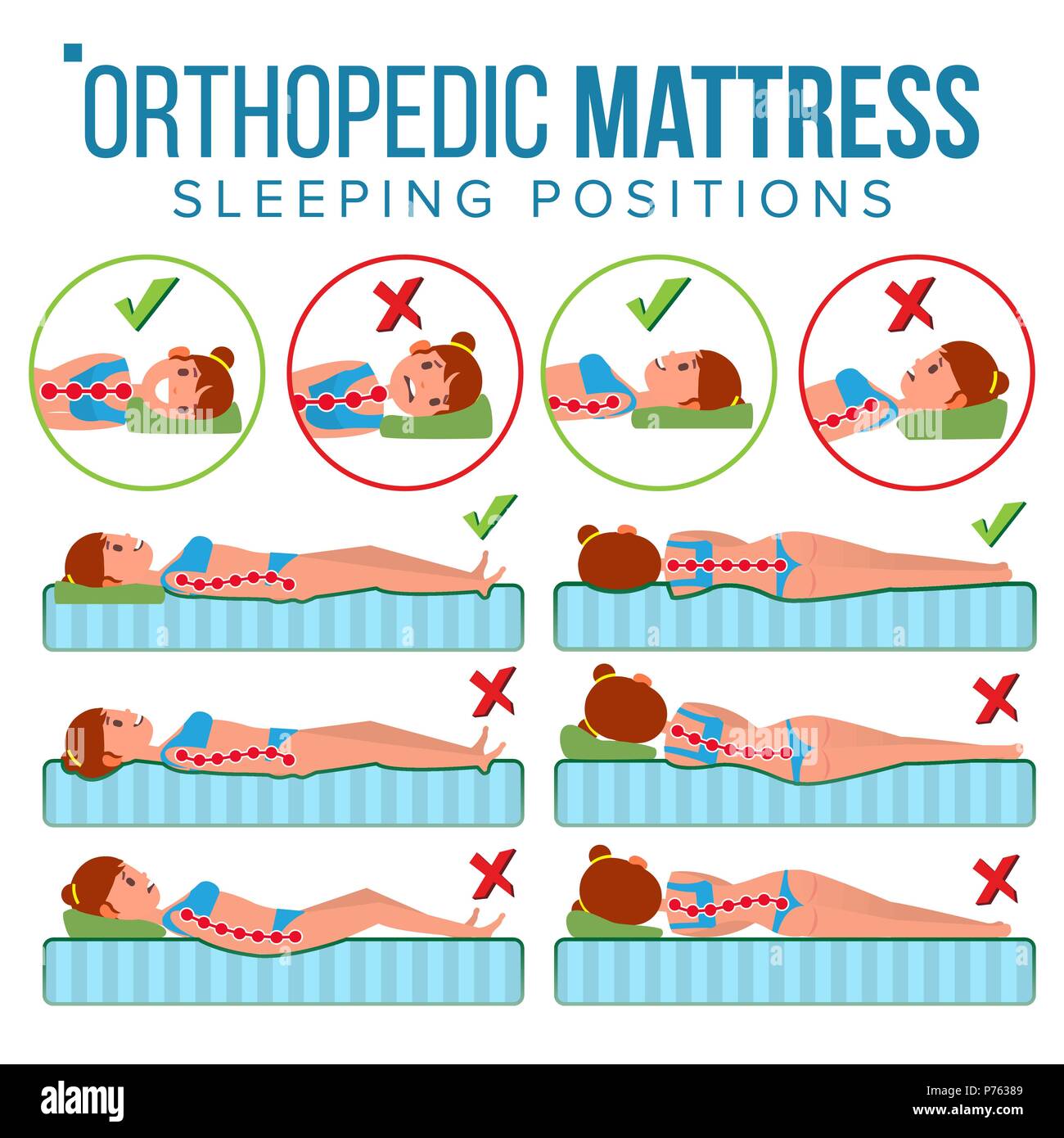
Your preferred sleep position dramatically influences which spring mattress type will deliver optimal comfort and spinal alignment. Understanding these position-specific requirements prevents costly mistakes when selecting different types of spring mattress.
Firm Bonnell Springs for Stomach Sleepers: When Hard Is Healthy
Stomach sleepers require firm support surfaces that prevent excessive hip sinkage, which creates lower back strain and spinal misalignment. Bonnell springs with their characteristically firm feel serve stomach sleepers well, particularly those who prefer very firm surfaces. If you wake with lower back pain on softer mattresses, a Bonnell spring system may provide the consistent resistance needed to maintain proper spinal alignment throughout the night.
Pocket Spring Zoning: Why Side Sleepers Need Targeted Shoulder Support

Side sleepers benefit most from pocket spring systems that allow deep compression at shoulder and hip pressure points while maintaining responsive support across the broader body surface. The independent coil response accommodates shoulder width without sacrificing underlying support, reducing pressure point development that causes morning numbness or pain. Look for pocket spring mattresses with softer coils in shoulder zones and firmer support under the torso for optimal side-sleeping comfort.
Spring Mattress Value: Calculating True Cost Per Night of Sleep
Evaluating spring mattress options requires looking beyond initial price tags to understand long-term value based on your specific needs and expected mattress lifespan.
When Bonnell Springs Offer Best Value (Hint: It’s Not for Everyone)
Bonnell spring mattresses deliver maximum value in specific scenarios where premium features provide no benefit. For guest rooms used occasionally or rental properties requiring basic bedding, their lower price point makes financial sense. However, for your primary bedroom where you spend 7-8 hours nightly, the Bonnell spring’s limitations in motion isolation and pressure relief often justify investing in more advanced spring technologies.
Pocket Spring ROI: Justifying Premium Pricing for Long-Term Sleep Quality
While pocket spring mattresses command premium pricing, their value becomes clear when calculated over an eight to ten year lifespan. The cost per night of undisturbed sleep for couples, reduced morning aches from proper spinal alignment, and extended service life often outweigh the initial price difference. For primary bedroom use where sleep quality directly impacts daily functioning, pocket springs frequently represent the wisest long-term investment among different types of spring mattress.
Compare Spring Types at a Glance: Quick Decision Guide
| Spring Type | Best For | Motion Isolation | Price Range | Ideal User |
|---|---|---|---|---|
| Bonnell | Firm support seekers, single sleepers | Poor | $ | Budget buyers, guest rooms |
| Continuous | Balanced performance seekers | Moderate | $$ | Couples needing middle ground |
| Offset | Durability-focused buyers | Good | $$ | Those upgrading from Bonnell |
| Couples, pressure relief needs | Excellent | $$$ | Premium sleep experience seekers |
Understanding these different types of spring mattress prevents costly trial-and-error purchases. Your perfect match depends on sleep position, partner considerations, and how you prioritize immediate cost versus long-term sleep quality. Test mattresses in-store whenever possible, spending at least 10-15 minutes in your preferred sleep position to assess true comfort and support before making your final decision.