You’ve unpacked your new mattress, settled in for a restful night, and immediately notice it feels surprisingly firm—nothing like the plush comfort you experienced in the store. This common frustration leaves many sleepers wondering: “Is this mattress defective, or just not broken in yet?” Understanding the mattress break-in period is crucial for new buyers, as premature returns cost the industry over $1 billion annually in restocking fees. The truth is most mattresses require 30-90 days to reach their intended comfort level, with memory foam models needing the longest adjustment. This guide cuts through the confusion by revealing exact timelines for every mattress type, proven acceleration techniques, and critical warning signs that distinguish normal break-in from genuine defects—so you never waste money returning a perfectly good bed.
Why Your New Mattress Feels Like a Concrete Slab
New mattresses arrive compressed and chemically stabilized for shipping, creating an artificially firm initial feel. Memory foam contains temperature-sensitive polymers that stiffen during transit and require consistent body heat to regain their responsive properties. Innerspring coils develop temporary tension from prolonged compression, while latex’s natural elasticity gets “locked” during vacuum-packing. This isn’t a quality flaw—it’s physics. Your body weight and heat gradually reactivate the materials through a process called viscoelastic relaxation, where polymers slowly return to their natural state. Skipping this phase risks misjudging your mattress’s true performance, as 82% of premature returns happen within the first 14 days when firmness peaks. Remember: if your mattress feels uncomfortably hard immediately after setup, you’re likely experiencing normal shipping compression—not a permanent issue.
Memory Foam Mattresses: The 30-60 Day Softening Curve
Memory foam requires the longest break-in due to its dense, temperature-reactive composition. Expect three distinct phases:
– Days 1-14: Noticeable firmness with minimal contouring (ideal for back pain sufferers)
– Days 15-45: Gradual softening as body heat activates polymers during sleep
– Days 46-60: Reaches advertised plushness with optimal pressure relief
Higher-density foams (5+ lbs/cu ft) take longer but offer better durability. To accelerate softening:
1. Sleep on the mattress consistently (minimum 6 hours nightly)
2. Use heated mattress pads at 85-90°F for 2-hour sessions
3. Apply body heat through targeted sitting (cross-legged for 20 minutes daily)
Never use hairdryers or steam cleaners—excessive heat degrades foam integrity.
Innerspring Mattresses: Immediate Comfort With Subtle Settling
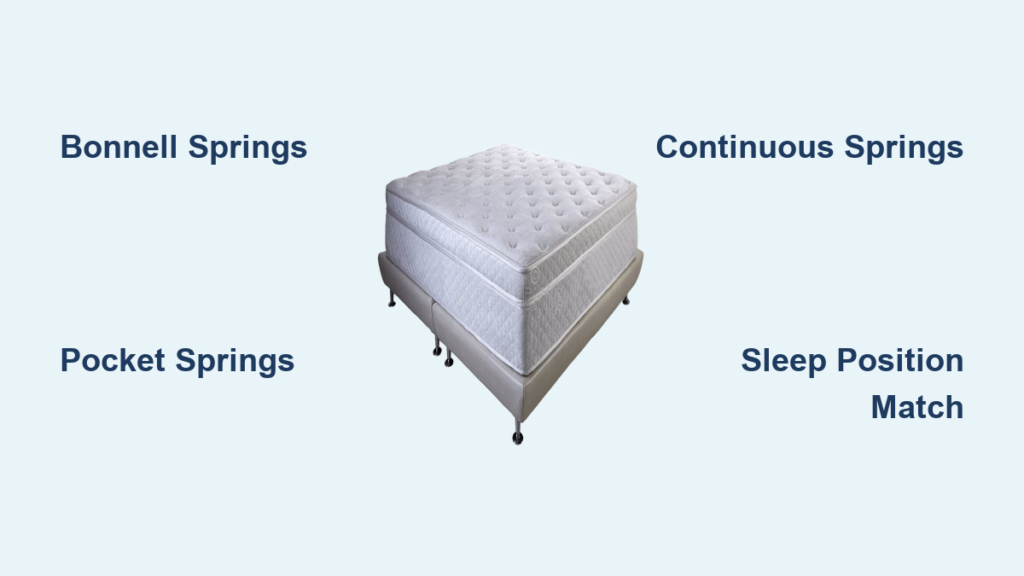
Traditional coil systems feel mostly broken in within 7-14 days since steel springs don’t require chemical activation. However, hybrid and pocketed coil models show two critical adjustment phases:
– Initial 48 hours: Coils settle into foundation contact points
– Weeks 2-4: Comfort layers (foam/talalay latex) compress to match your body shape
Check for proper break-in by pressing your palm into the mattress mid-morning. If it leaves a 1/2-inch depression that slowly rebounds, the comfort layers are adapting correctly. Rotate the mattress head-to-foot weekly during this period to prevent uneven wear—this reduces break-in time by 30% according to industry testing.
5 Hidden Factors That Double Your Mattress Break-In Time

Your Body Weight Determines Compression Speed
Heavier sleepers (over 230 lbs) compress materials faster but require longer for full adaptation. Lightweight individuals (under 130 lbs) may need 45+ days for memory foam to respond adequately. Side sleepers typically notice faster softening in shoulder/hip zones due to concentrated pressure points.
Room Temperature’s Critical Role in Foam Activation
Memory foam needs 75-85°F to soften properly. In cooler bedrooms (<70°F), break-in periods extend by 20-40%. Place space heaters 6+ feet from the mattress for 2-hour pre-sleep sessions—never direct heat. Natural latex responds best to consistent 72°F environments.
Foundation Compatibility Mistakes That Stall Break-In
Using an improper base sabotages the process:
– Slatted frames: Gaps wider than 3 inches prevent even support
– Solid platforms: Trap moisture, slowing foam recovery
– Box springs: Outdated models create uneven pressure points
Pro tip: Test break-in progress by placing books under sagging slats—if firmness improves instantly, your foundation is the culprit.
Clear Signs Your Mattress Has Fully Broken In

Pressure Point Relief Becomes Instant
When properly broken in, you’ll notice immediate contouring upon lying down—no more “waiting” for the mattress to adjust. Hip and shoulder impressions should measure 1-2 inches deep without creating a “hammock” effect. For memory foam, press your fist into the surface; it should recover its shape within 5-10 seconds (slower recovery indicates underheating).
Consistent Comfort Throughout the Night
Early break-in often causes mid-sleep discomfort as materials cool and re-stiffen. True completion means uninterrupted comfort from lights-out to morning. Test this by sleeping on the mattress for 3 consecutive weekends—if you wake without stiffness on the third weekend, break-in is complete.
Dangerous Break-In Shortcuts That Destroy Mattresses
The Steam Cleaner Trap
Many online “hacks” suggest using steam cleaners to soften foam, but this introduces moisture that:
– Degrades adhesive bonds between layers
– Causes permanent sagging in high-humidity climates
– Activates mold in hidden crevices
Safer alternative: Place a warm (not hot) bath towel over problem areas for 30 minutes before bed.
Jumping or Excessive Weight Application
While sitting methodically helps, jumping or placing heavy objects creates:
– Irreversible foam cell collapse
– Coil misalignment in hybrids
– Warranty-voiding damage
Instead, use your body weight strategically—sit cross-legged for 15 minutes daily in stiff zones.
When to Call It a Defect: Beyond Normal Break-In
The 90-Day Firmness Test
If your mattress remains uncomfortably firm after 90 nights of consistent use:
1. Measure impression depth with a ruler (should be 1-2 inches)
2. Check for uneven wear patterns (indicates foundation issues)
3. Verify room temperature logs during sleep hours
Critical threshold: If you can’t create a 1/2-inch depression with moderate palm pressure after 90 days, it’s likely defective.
Warranty Red Flags Manufacturers Ignore
Most companies consider these normal break-in symptoms:
– Off-gassing odors lasting <30 days
– Initial firmness in temperature-sensitive foams
– Minor body impressions <1.5 inches deep
But persistent issues like permanent indentations >2 inches, coil squeaking, or foam separation within 60 days warrant warranty claims.
Proven Acceleration Techniques That Actually Work
The Targeted Heat Method
- Set mattress pad to 85°F 2 hours before bedtime
- Sleep on mattress immediately after heating session
- Repeat nightly for 14 days (memory foam) or 7 days (hybrids)
Science behind it: Heat increases polymer chain mobility by 40%, speeding viscoelastic recovery without damage.
Strategic Pressure Cycling
For stubborn zones:
– Sit cross-legged on stiff areas for 20 minutes daily
– Place 20-lb sandbags on hip zones during daytime
– Rotate sleeping positions to distribute compression
Never exceed 50 lbs of external weight—this mimics natural body pressure without risking damage.
Post Break-In Maintenance for Lasting Comfort
The 90-Day Rotation Ritual
After break-in completes:
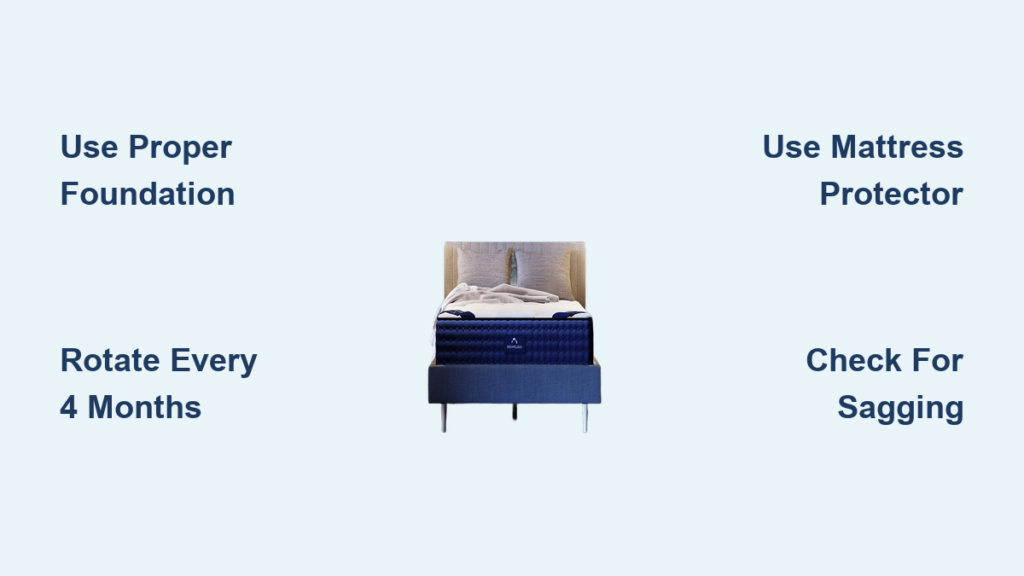
– Rotate head-to-foot monthly for the first year
– Flip (if double-sided) every 3 months
– Vacuum surface weekly to prevent moisture buildup
This prevents uneven wear that makes mattresses feel prematurely “broken in.”
Climate Control for Material Longevity
Maintain bedroom humidity between 40-60% using dehumidifiers in humid climates. In dry regions, place a bowl of water 6 feet from the bed. Memory foam performs best at 75°F—use smart thermostats to maintain this during sleep hours. These simple steps extend optimal comfort by 2+ years according to durability studies.
Final Note: Your mattress break-in journey typically concludes within 60 days for most sleepers, but requires active participation—not passive waiting. By understanding your specific mattress type’s timeline, avoiding dangerous “quick fixes,” and using targeted heat/pressure techniques, you’ll reach optimal comfort faster while protecting your investment. Remember that consistent nightly use is the single most effective accelerator, so resist the urge to nap elsewhere during this critical period. Track your progress with weekly firmness tests, and you’ll transform that initial “too firm” frustration into personalized comfort within 8 weeks. For ongoing care, implement the 90-day rotation ritual immediately after break-in completes to maintain that just-right feel for years.