
Waking up with a sore back because your mattress has developed an uncomfortable ridge can turn your sanctuary into a sleep-disrupting nightmare. That annoying hump in mattress surface creates pressure points that prevent proper spinal alignment, leaving you feeling more tired in the morning than when you went to bed. Whether it’s a subtle bulge forming under your hips or a pronounced ridge running down the center of your bed, mattress humps are surprisingly common yet completely fixable in many cases.
You don’t need to replace your entire mattress immediately when a hump appears—most irregularities can be addressed with proper techniques tailored to your specific mattress type and the hump’s cause. This comprehensive guide walks you through diagnosing why your mattress has developed a hump, implementing effective repair methods you can do at home, and establishing preventive measures to keep your sleep surface smooth for years to come.
Why Your Mattress Developed a Hump
Understanding what causes mattress humps helps you select the most effective repair approach and determine whether the problem warrants professional attention or replacement.
Normal Wear Creates Body Impressions
Body impressions form when foam layers, pocket coils, or latex materials gradually compress under your weight during sleep. These indentations often create the illusion of a hump when surrounding areas remain at their original height. Most manufacturers consider impressions less than 1.5 inches as normal wear, while deeper depressions may indicate material breakdown. Memory foam mattresses particularly show this pattern as the material responds to body heat and weight distribution.
Weak Foundation Support Causes Structural Issues
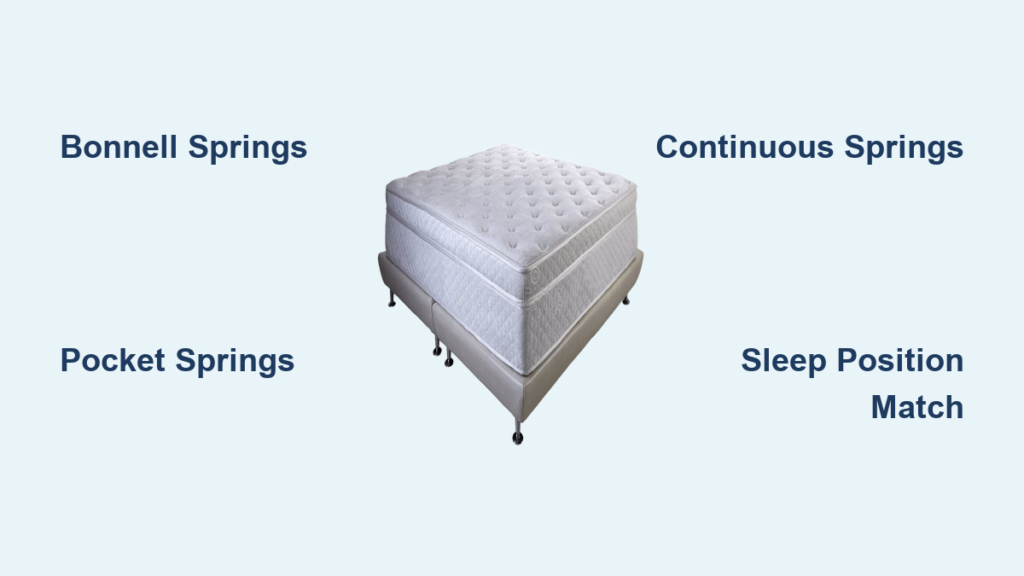
When your mattress rests on a slatted base with gaps wider than three inches or a box spring with broken slats, sections can sag into unsupported spaces. This creates raised edges around compressed areas, producing what feels like a hump in the center or along the sides. Innerspring mattresses especially suffer when foundation support fails, as the coil system requires consistent underlying support to maintain even tension.
Manufacturing Defects Lead to Early Hump Formation
Uneven foam distribution during construction, shifted internal layers, or misaligned pocket coil systems can create lumpy sections right from the start. Defect-related humps often appear within the first few months of use and typically qualify for warranty coverage. These problems usually present as distinct, well-defined humps rather than gradual wear patterns.
Moisture Damage Breaks Down Materials Unevenly
Spills that penetrate the mattress surface, humidity-related mold growth, or accidents involving liquids cause materials to deteriorate at different rates. Affected areas lose structural integrity faster than surrounding materials, creating irregular surfaces. Mattresses in humid environments without proper ventilation often develop moisture-related humps that worsen over time.
How to Diagnose Your Mattress Hump
Before attempting repairs, accurately identifying the hump type ensures you apply the most effective solution.
Perform a Thorough Surface Examination
Remove all bedding and examine your mattress in bright light. Run your hands slowly across the entire sleep surface, pressing firmly to feel for height variations. Mark the hump boundaries with tape so you can track progress. Take photographs from multiple angles to document the current state—this visual record proves valuable if you need to file a warranty claim later.
Check Your Foundation for Structural Problems
Press down on the foundation across its entire surface and note any give or creaking sounds that indicate structural weakness. Look for broken slats, sagging sections, or areas where the support structure has compromised. A mattress placed on a damaged foundation cannot maintain an even surface regardless of its internal condition. Test the foundation by placing a straight board across its surface to identify uneven areas.
Effective DIY Mattress Hump Repair Methods
Most mattress humps respond well to non-invasive techniques you can perform without special tools or professional assistance.
Rotate and Flip Your Mattress Strategically
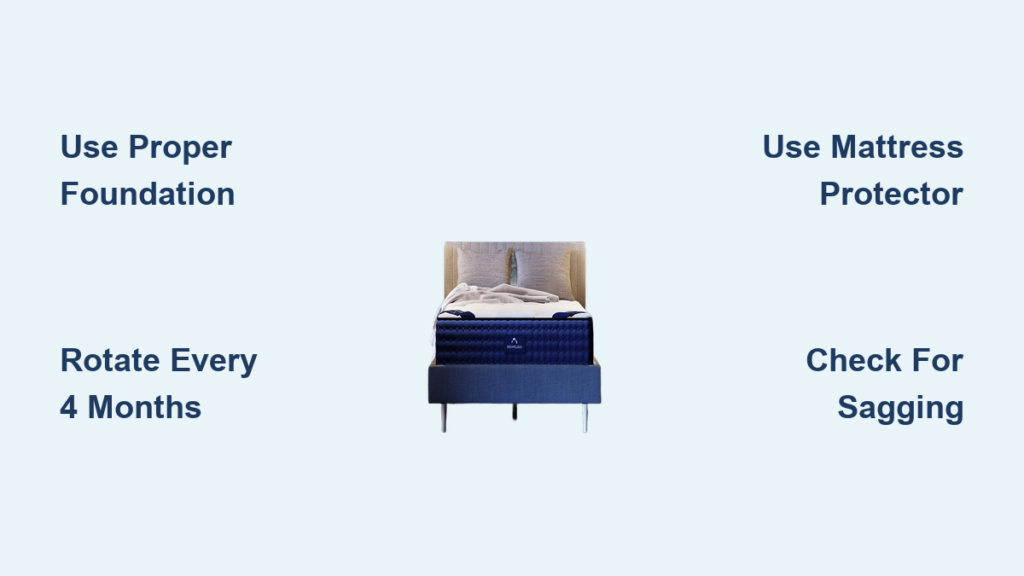
Rotate your mattress 180 degrees end-to-end every two to three months during the first year, then quarterly thereafter. For double-sided mattresses, flip the mattress over to redistribute body impressions across the entire sleep surface. Pillow-top mattresses require rotation only, as flipping would damage the specialized top layer. This simple technique works best when applied consistently before impressions become permanent.
Pro Tip: Grab a helper for queen and king sizes to prevent injury during rotation. Use the mattress handles properly by gripping them firmly and lifting with your legs, not your back.
Apply Heat to Soften Compressed Foam
Place a clean, dry towel over the hump area, then apply a hair dryer on medium heat while moving it slowly across the surface. The warmth makes compressed foam more pliable, allowing you to gently press and smooth the area with your hands. Work the softened material outward from the center of the hump toward surrounding areas. Allow the mattress to cool completely before making the bed—this process may need repeating over several days.
Use Weight Distribution to Reshape the Mattress
Place heavy objects like books, bags of rice, or weighted blankets on the hump for several hours each day. The consistent pressure encourages compressed materials to spread outward and level with surrounding areas. This method works slowly but effectively for mild to moderate body impressions that haven’t fully set into the foam structure. Rotate the weight placement daily to avoid creating new impressions.
When to Consider Mattress Toppers Instead of Repair

When repair techniques prove insufficient, a quality mattress topper can effectively mask humps while you decide whether replacement is necessary.
Choose the Right Topper Thickness and Material
Memory foam toppers ranging from two to four inches effectively cover minor to moderate humps. Select a density of at least four pounds per cubic foot for adequate support and durability. Latex toppers offer better temperature regulation but cost more. Hybrid options with gel infusions balance comfort and cooling properties, while feather toppers work best for minor irregularities in guest rooms.
Warning: Avoid toppers thinner than two inches for hump coverage—they’ll compress too quickly and fail to smooth the surface adequately.
Preventing Future Mattress Humps
Taking proactive measures extends your mattress lifespan and prevents humps from forming in the first place.
Maintain Proper Foundation Support
Ensure platform beds have solid surfaces and slatted bases have slats no more than three inches apart. Replace foundations every eight to ten years or sooner if you notice sagging. Box springs provide essential support for innerspring mattresses but aren’t suitable for foam or latex mattresses.
Establish a Regular Rotation Schedule
Rotate your mattress every two to three months during the first year and quarterly thereafter. For heavier mattresses, consider hiring help or using rotation tools to make the process safer. Consistent rotation prevents body impressions from forming in the same spots night after night.
Control Environmental Factors
Maintain bedroom conditions between 60-67°F with humidity between 30-50%. Use dehumidifiers in damp climates and humidifiers in dry conditions to prevent materials from drying out or absorbing excess moisture. Consistent environmental conditions help maintain material integrity and prevent uneven breakdown.
Signs It’s Time to Replace Your Mattress
Recognizing when repair efforts won’t restore satisfactory performance helps you make informed decisions about your sleep investment.
Structural Failure Indicators
Visible damage such as springs poking through the cover, impressions deeper than two inches, or noticeable curvature when placed on a flat surface typically warrants replacement. These signs indicate internal materials have failed beyond repair.
Persistent Discomfort Despite Repairs
If you’ve tried multiple repair techniques without meaningful improvement, or if the hump returns quickly after treatment, the damage is likely too extensive for DIY solutions. Your body will benefit more from investing in a new mattress that properly supports your spine.
Key Takeaways for Fixing Mattress Humps
Start with the least invasive solutions like rotation and heat application before progressing to more intensive methods. Prevention through proper foundation support, regular rotation, and protective covers remains the most effective strategy for maintaining an even sleep surface. When repair attempts fail or the damage exceeds what DIY methods can address, replacement becomes the practical choice.
Investing in quality materials and proper care extends your mattress lifespan and protects your sleep quality for years to come. If you’ve tried multiple repair techniques without success, or if your mattress shows signs of structural failure, it’s time to start shopping for replacement—your health and daily comfort depend on a supportive sleep surface.