Waking up with itchy red bites and discovering fleas in your mattress can transform your peaceful bedroom into a source of constant irritation and sleepless nights. These tiny blood-sucking pests not only cause uncomfortable welts but can quickly multiply into a full-blown infestation that spreads throughout your home. The urgency of addressing fleas in your mattress cannot be overstated—your sleeping surface provides the perfect environment for fleas with its warmth, darkness, and regular access to blood meals. This comprehensive guide delivers proven, step-by-step methods to eliminate fleas from your mattress completely and restore your bedroom to a sanctuary of restful sleep.
Fleas in your mattress represent more than just a temporary nuisance; they signal a potential infestation that requires immediate and thorough action. These resilient parasites can lay up to 50 eggs per day, with many of those eggs falling into your mattress where they develop undisturbed. Understanding how to properly identify, treat, and prevent fleas in your mattress is essential for complete elimination. Whether you’re dealing with a few stray fleas or a serious infestation, this guide provides the specific techniques and timeline you need to reclaim your sleeping space and prevent future outbreaks.
Confirm Flea Infestation in Your Mattress
Before launching a full-scale treatment campaign, you must verify that fleas are indeed the problem. Fleas in your mattress often remain hidden until their population grows large enough to cause noticeable bites or visible movement. Proper identification prevents wasted effort on the wrong pest and ensures you select the most effective treatment methods for your specific situation.
Recognize Flea Evidence in Your Sleeping Area
Look for fleas themselves—tiny dark specks about 1/8 inch long that move quickly when disturbed. Adult fleas have flattened bodies that make them difficult to crush and powerful hind legs designed for jumping. To spot them more easily, place a white bedsheet on your mattress and wait 30-60 minutes; fleas will stand out as moving black dots against the light background. Check your body for small, red, intensely itchy bites, particularly in clusters around ankles, legs, or any exposed skin while sleeping.
Flea dirt (feces) provides another critical clue. These tiny black or brown specks consist of digested blood and turn reddish-brown when moistened with water. Inspect mattress seams, crevices, and corners with a magnifying glass for these telltale droppings. Flea eggs, though harder to spot, appear as tiny white dots about the size of a grain of sand. If you’re uncertain, place sticky traps near your bed overnight—these will capture fleas while allowing you to examine them closely the next morning.
Prepare Your Mattress for Effective Flea Removal
Proper preparation dramatically increases your success rate when treating fleas in your mattress. Rushing into treatment without proper preparation leaves fleas undiscovered in hidden areas, allowing the infestation to persist despite your efforts. A methodical approach to preparation ensures your treatments reach every potential flea habitat.
Remove and Treat All Bedding Immediately
Begin by stripping every layer from your mattress—sheets, pillowcases, blankets, mattress pads, and protectors. Place each item directly into sealed plastic bags before transporting to your washing machine to prevent fleas from scattering through your home. Wash everything in hot water (at least 130°F) to kill fleas at all life stages, using regular detergent without fabric softeners that can reduce cleaning effectiveness. Dry all items on the highest heat setting possible for the fabric type, as sustained high heat provides a critical second kill step.
Inspect pillows thoroughly, as fleas readily infest pillow fillings. Machine-washable pillows should undergo the same hot water and high-heat drying process as your other bedding. For non-washable pillows showing signs of infestation, consider replacing them entirely or placing them in a sealed plastic bag in direct sunlight for several hours—the combination of heat and dehydration can eliminate fleas. After removing all bedding, vacuum your mattress surface carefully before proceeding to treatment.
Vacuum Your Mattress with Precision Technique

Vacuuming serves as your first line of defense against mattress fleas, physically removing adult fleas, eggs, larvae, and flea dirt from the surface and deep within seams. This mechanical removal significantly reduces the flea population before chemical or natural treatments are applied.
Execute Proper Vacuuming Methodology
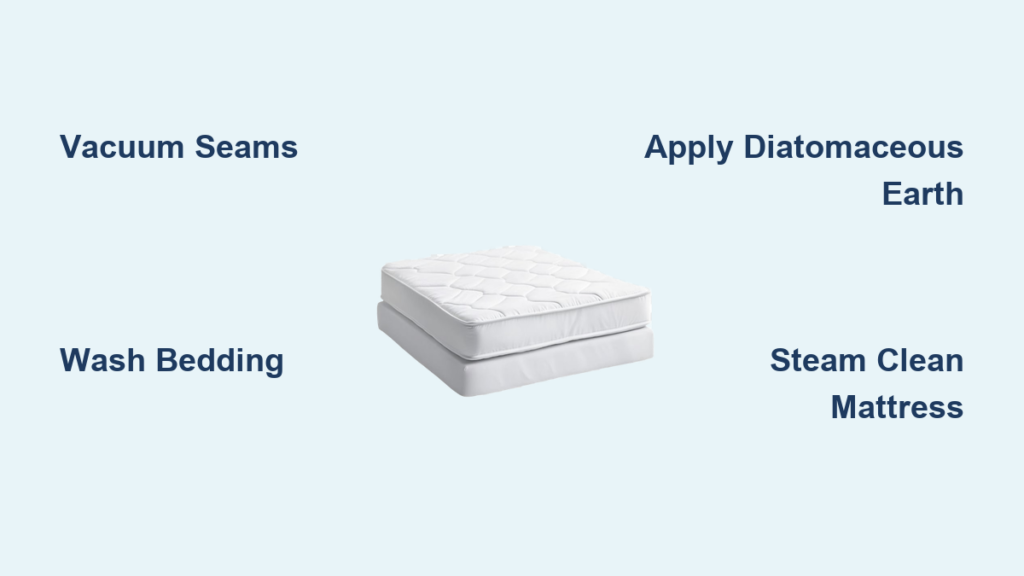
Use a vacuum cleaner with strong suction power and a beater brush attachment for maximum effectiveness. Work systematically across the entire mattress surface, applying firm pressure with the brush to dislodge fleas and eggs from seams, tufts, and crevices. Pay special attention to mattress edges, buttons, and any decorative elements that create hiding spots. Vacuum both sides if possible, and don’t neglect the box spring or mattress foundation, which often harbor substantial flea populations.
Immediately after vacuuming, seal the vacuum contents in a plastic bag and dispose of it in an outdoor trash container. Fleas can survive inside vacuum bags and reinfest your home if not properly contained. For bagless vacuums, empty the canister outdoors and wash it thoroughly with hot, soapy water. Repeat this vacuuming process daily for at least three consecutive days to disrupt the flea life cycle and capture newly hatched adults before they can reproduce.
Apply Targeted Flea Treatment to Your Mattress
After thorough vacuuming, apply appropriate flea treatments to eliminate remaining pests and prevent reinfestation. Selecting the right treatment depends on infestation severity, household occupants, and personal preference for chemical versus natural solutions.
Choose Effective Chemical Treatments
For moderate to severe infestations, EPA-registered insecticides provide the most reliable results. Products containing pyrethrins or pyrethroids effectively kill adult fleas on contact, while insect growth regulators (IGRs) like methoprene or pyriproxyfen prevent eggs and larvae from developing. Apply treatment according to label instructions, focusing on mattress seams and crevices where fleas hide. Allow adequate drying time before remaking your bed—typically 2-4 hours—depending on product specifications.
Some specialized flea sprays for mattresses offer residual protection, continuing to kill fleas for weeks after application. If you have children or pets, select products labeled as safe for use around them, or arrange temporary sleeping accommodations during the treatment period. Always wear gloves during application and ensure proper ventilation in the bedroom throughout the process.
Implement Natural Remedies Safely
For households preferring chemical-free solutions, food-grade diatomaceous earth (DE) provides an effective alternative. This fine powder dehydrates fleas by damaging their exoskeletons. Lightly dust DE onto your mattress surface, working it into seams with a soft brush, and leave it for 48-72 hours before vacuuming thoroughly. While DE is safe for humans and pets when used correctly, avoid inhaling the dust by wearing a mask during application.
Essential oil sprays can supplement your flea treatment regimen. Mix 10-15 drops of flea-repelling oils (lavender, eucalyptus, or peppermint) with water in a spray bottle and lightly mist your mattress. Though these oils don’t kill existing fleas effectively, they create an environment fleas avoid. Always test oil solutions on a small, inconspicuous area first and ensure proper ventilation during application, especially if anyone in your household has respiratory sensitivities.
Steam Clean Your Mattress for Complete Elimination
Steam cleaning delivers a powerful, chemical-free method for killing fleas at all life stages through high-temperature exposure. The intense heat penetrates deep into mattress fibers where fleas hide, providing thorough treatment without chemical residues.
Perform Effective Steam Treatment
Rent or purchase a steam cleaner capable of reaching at least 160°F—the temperature required to kill fleas instantly. Use the upholstery attachment and move slowly across your mattress surface, allowing steam to penetrate deeply into seams and crevices. Maintain consistent coverage without oversaturating the mattress, which could lead to mold growth. Focus extra attention on areas showing the highest flea activity.
After steam cleaning, allow your mattress to dry completely before remaking the bed—this may take 6-12 hours depending on humidity levels. Speed drying by placing fans around the mattress and opening windows for cross-ventilation. A thoroughly dried mattress prevents secondary problems while ensuring no surviving fleas remain in damp areas. Consider repeating steam cleaning weekly for three weeks to catch newly hatched fleas before they mature.
Establish Prevention Protocols to Stop Flea Return
Eliminating current fleas is only half the battle—preventing reinfestation requires ongoing vigilance and environmental management. Fleas typically enter homes through pets, so a comprehensive prevention strategy must address your entire living space, not just the mattress.
Treat Pets and Home Environment Simultaneously
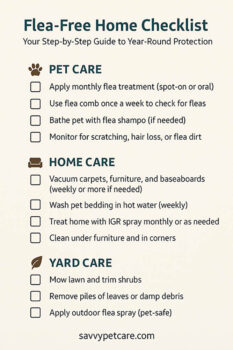
Consult your veterinarian about appropriate flea prevention for your pets, as untreated animals will continuously reintroduce fleas to your home. Apply monthly topical treatments or oral medications as recommended, treating all pets in your household regardless of visible symptoms. Wash pet bedding weekly in hot water and vacuum areas where pets sleep or spend time.
Extend your prevention efforts throughout your home with regular vacuuming of carpets, rugs, and upholstery. Dispose of vacuum contents immediately in outdoor trash containers. Consider using flea traps in pet areas—these sticky traps with light attract and capture adult fleas. Outdoor perimeter treatments can prevent fleas from entering your home on shoes or pet fur, breaking the infestation cycle at its source.
Create a Mattress Maintenance Routine
Implement weekly vacuuming of your mattress surface and surrounding floor area to remove potential flea eggs before they hatch. Monthly washing of all bedding in hot water provides ongoing protection against reinfestation. Consider investing in a high-quality mattress protector with a secure zipper closure to create a physical barrier that prevents fleas from entering or escaping your mattress.
Check your mattress protector regularly for tears or damage that could compromise its effectiveness. Combine this with monthly inspections of your pets for early detection of any returning fleas. During warmer months when flea activity peaks, increase your vigilance with additional vacuuming and inspections to catch problems before they escalate.
Protect Your Household During Flea Treatment
Throughout the elimination process, prioritize the safety of children, pets, and sensitive individuals in your home. Some treatments require temporary relocation or special precautions to avoid adverse reactions.
Follow Critical Safety Protocols
Keep children and pets away from treated areas until surfaces are completely dry—typically 2-4 hours for sprays. Store all flea treatment products in their original containers out of reach of children. When applying treatments, wear gloves and ensure adequate ventilation through open windows and fans. For natural treatments like diatomaceous earth, wear a mask to avoid inhaling fine particles.
If using essential oils, be aware that some oils (particularly tea tree and citrus oils) can be toxic to cats. Research pet-safe options and consult your veterinarian if unsure. After treatment, thoroughly air out your bedroom before allowing sensitive individuals to return. Should anyone experience unusual symptoms after treatment, seek medical attention immediately and provide healthcare providers with product information.
By following these comprehensive steps—confirming the infestation, preparing properly, vacuuming thoroughly, applying targeted treatments, steam cleaning, and implementing prevention protocols—you’ll eliminate fleas from your mattress and protect your home from future invasions. Remember that persistence is key, as fleas can survive for months without a blood meal and their eggs may continue hatching for weeks. With consistent effort across all these areas, you’ll reclaim your peaceful sleeping environment and enjoy bite-free nights once again.