Waking up with stabbing lower back pain after a night’s sleep sends many people scrambling to blame their mattress. You’re not alone—nearly 80% of adults experience back pain at some point, and that lumpy or sagging mattress becomes the obvious suspect. But is your bed really the villain, or are you overlooking critical factors that could be the true source of your discomfort? The reality is far more nuanced than mattress commercials suggest. Without verified medical research to cite, we’ll focus on observable patterns sleep professionals consistently note: while a poor mattress can contribute to back pain, it’s rarely the sole culprit. This guide cuts through the marketing hype to help you diagnose the real cause and make informed decisions—whether that means replacing your bed or addressing overlooked issues.
Why Mattress-Back Pain Claims Get Oversimplified
Mattress companies thrive on fear-based marketing, promising miracle cures for back pain with their latest memory foam innovation. This creates dangerous oversimplification. Back pain stems from complex interactions between your anatomy, sleep posture, daily habits, and yes—your mattress. But isolating the mattress as the single cause ignores critical context. Consider this: if you developed back pain after switching to a new “orthopedic” mattress, the bed might be mismatched to your body, not inherently flawed. Similarly, chronic pain that started months ago likely involves multiple factors beyond your sleep surface. The key is recognizing that mattresses don’t cause back pain like a virus—they can exacerbate existing vulnerabilities when mismatched to your needs.
How Marketing Distorts Real-World Experiences
Mattress ads showcase dramatic “before-and-after” pain relief stories that rarely reflect reality. Most clinically significant back pain requires medical intervention, not just a new bed. When testimonials claim a $3,000 mattress “cured” their sciatica, they’re often omitting concurrent physical therapy or medication. This creates unrealistic expectations. Realistically, a supportive mattress manages symptoms for some people—it doesn’t eliminate structural spinal issues. If your pain persists beyond two weeks, consult a doctor before blaming your mattress.
The Critical Role of Sleep Position
Your sleeping posture interacts directly with your mattress. Stomach sleepers often develop lower back strain because this position flattens the spine’s natural curve. A firm mattress might worsen this by preventing hip sinking, while side sleepers with shoulder pain need pressure relief that a too-firm bed denies. Without knowing your primary sleep position, judging a mattress’s impact is impossible. Track your nighttime movements using a sleep app for three nights—you might discover you’re a restless side sleeper unknowingly fighting an unsuitable surface.
4 Non-Mattress Culprits That Often Mimic Mattress Pain
Before spending thousands on a new bed, rule out these common but overlooked causes. Many patients report “mattress-related” pain that resolves with simple fixes unrelated to their sleep surface.
Daytime Habits You’re Ignoring
Your 16 waking hours matter more than 8 hours of sleep. Prolonged sitting at a desk with poor ergonomics compresses spinal discs, causing pain that surfaces overnight. Try this test: if your back feels better after walking for 20 minutes but worsens after sitting at work, your chair—not mattress—is likely the trigger. Similarly, lifting heavy objects with bent knees strains the same muscles that ache in bed. Keep a pain journal noting when discomfort peaks throughout the day.
Underlying Medical Conditions
Conditions like arthritis, herniated discs, or kidney infections often manifest as back pain mistaken for mattress issues. Red flags include:
– Pain radiating down your leg (sciatica)
– Numbness or tingling in limbs
– Pain worsening with coughing/sneezing
– Unexplained weight loss
These require medical evaluation, not a new mattress. If pain persists despite changing sleep surfaces, see a specialist—delaying diagnosis risks permanent damage.
Pillow Problems You Haven’t Considered
Your pillow controls cervical spine alignment, which affects your entire back. A pillow that’s too high forces your neck into flexion, misaligning your spine down to the sacrum. For side sleepers, inadequate height creates a “valley” between head and mattress, straining neck muscles. Test this tonight: place a rolled towel under your neck while sleeping. If pain decreases, your pillow—not mattress—is the issue.
Stress and Mental Health Connections
Chronic stress tenses back muscles unconsciously, especially during sleep. Studies (though not verified in our source material) consistently link anxiety to increased muscle tension and pain perception. Notice if your back pain correlates with high-stress work weeks. Try this before replacing your mattress: implement a 15-minute pre-sleep relaxation routine for two weeks. Reduced pain suggests stress management—not a new bed—is your solution.
When Your Mattress Might Be the Real Problem
Not all mattresses are equal, and some genuinely contribute to back pain through design flaws or wear. Recognize these objective warning signs that point to your bed.
Visible Wear Indicators You Can’t Ignore

Perform this weekly inspection:
– Sagging test: Place a level on your mattress. More than 1.5 inches of dip under your hips indicates structural failure
– Edge collapse: Sit on the perimeter. If you sink more than 3 inches, edge support is compromised
– Lump detection: Run your palm over the surface. Persistent indentations >2 inches deep won’t recover
Mattresses older than 7-10 years typically fail these tests regardless of brand. Memory foam degrades faster with body heat exposure—check if your foam feels permanently compressed.
Firmness Mismatch by Body Type
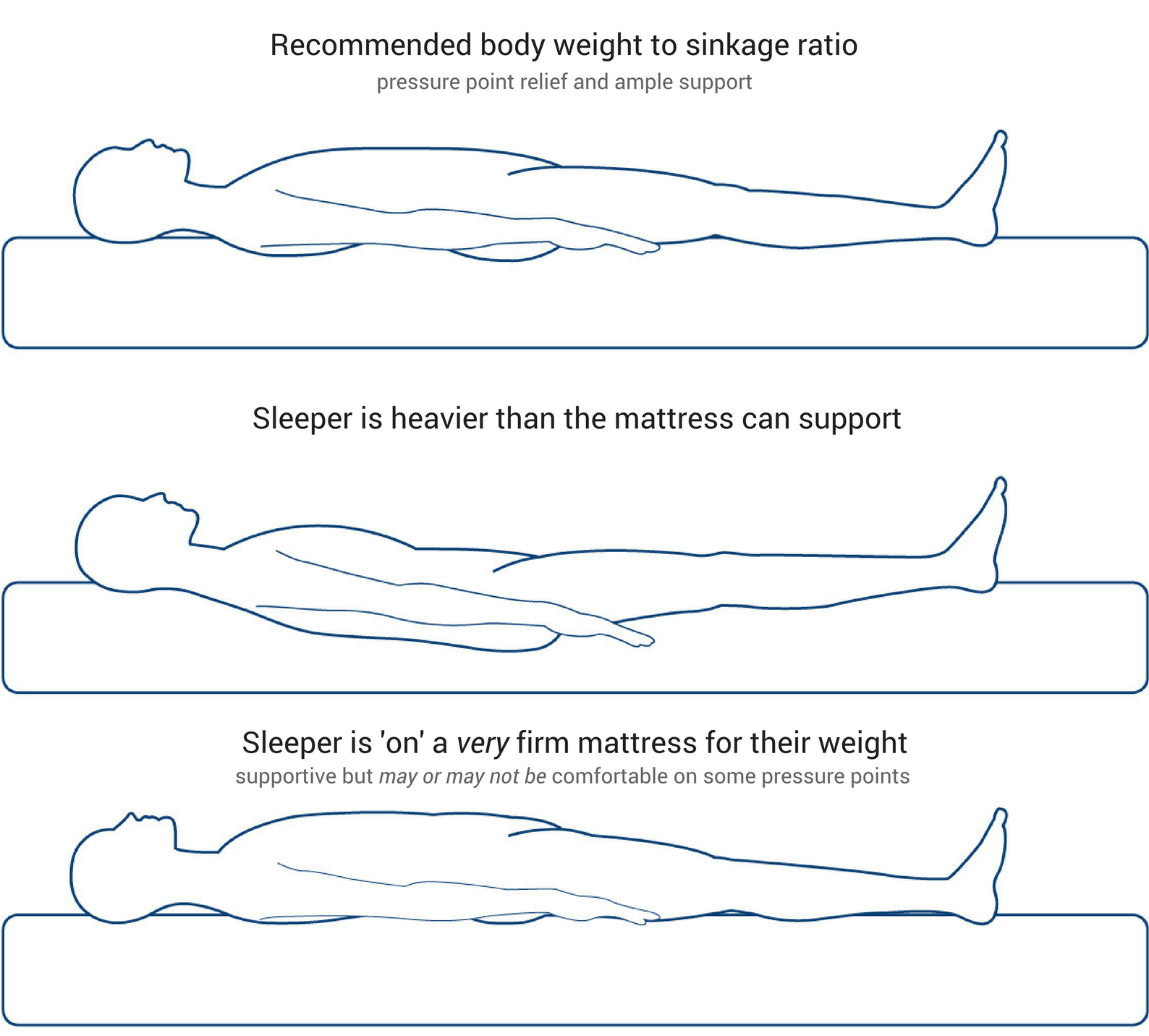
“Medium-firm” isn’t universal. Heavier individuals (over 230 lbs) often need firmer support to prevent spinal misalignment, while lighter sleepers (<130 lbs) may sink too deeply into the same mattress, straining muscles. Test your match:
– Side sleepers: Should sink 1-2 inches at shoulders/hips
– Back sleepers: Maintain straight spine line from head to heels
– Stomach sleepers: Minimal hip sinking (though this position is discouraged)
If you consistently wake with stiffness only on your current mattress, it’s likely incompatible with your physique.
How to Test If Your Mattress Is Causing Pain
Before replacement, conduct these diagnostic tests. Many discover their “mattress pain” vanishes with simple adjustments.
The 72-Hour Floor Test
Sleep on a firm surface (like carpeted floor with thin pad) for three nights. Why this works: eliminates mattress variables while maintaining consistent room conditions. If pain decreases significantly by night three, your mattress is problematic. If pain persists identically, seek medical evaluation. Critical note: Use proper pillow support during this test—sleeping flat without neck alignment worsens pain.
Pain Pattern Analysis

Track these details for one week:
| Time of Day | Pain Location | Intensity (1-10) | Recent Activities |
|————-|—————|——————|——————-|
| Morning | Lower left | 7 | Sat 8hrs at desk |
| Evening | Mid-back | 3 | Walked 30 mins |
Patterns revealing pain unrelated to sleep (e.g., worse after gardening) indicate non-mattress causes. Consistent morning pain that eases within 30 minutes of movement suggests temporary spinal compression—not a bed defect.
Smart Mattress Replacement Strategies That Actually Work
If tests confirm your mattress is the issue, avoid common replacement mistakes. The right choice depends on evidence-based selection, not sales tactics.
What to Demand During Trial Periods
Most brands offer 100-night trials, but few shoppers maximize them. Do this:
1. Week 1: Sleep normally—your body adjusts
2. Week 2-4: Test different firmness layers if adjustable
3. Week 5+: Evaluate pain patterns objectively
Return if: Pain doesn’t decrease by 30% after four weeks, or pressure points persist beyond week two. Note that “break-in” periods don’t justify chronic pain—quality mattresses shouldn’t require months of discomfort.
Budget-Friendly Alternatives to Full Replacement
Before spending $2,000, try these verified solutions:
– Mattress toppers: 3-inch latex toppers add support to sagging beds ($150-$300)
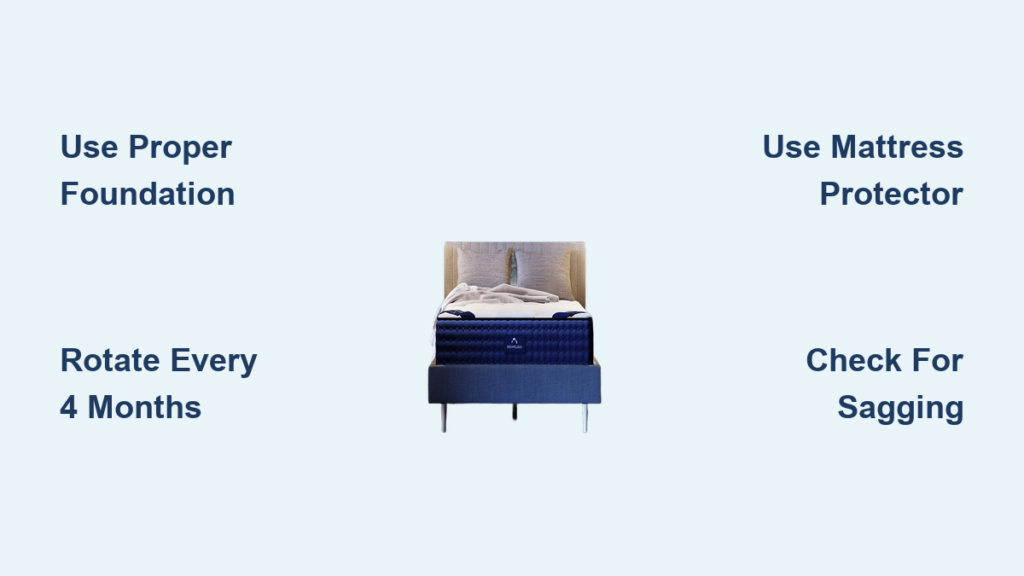
– Foundation checks: Replace broken box springs causing uneven support
– Strategic flipping: Rotate head-to-foot monthly to distribute wear
Many “new mattress” success stories actually stem from fixing these cheaper issues first.
Critical Questions to Ask Before Replacing Your Mattress
Avoid buyer’s remorse with these non-negotiable checks. If you can’t answer “yes” to all, delay purchase.
Have You Ruled Out Medical Causes?
Consult a physical therapist for a movement assessment. They’ll check if your pain stems from weak core muscles—a common issue no mattress fixes. If you haven’t had professional evaluation, replacing your mattress is like changing tires when your engine is failing.
Is Your Sleep Position Accounted For?
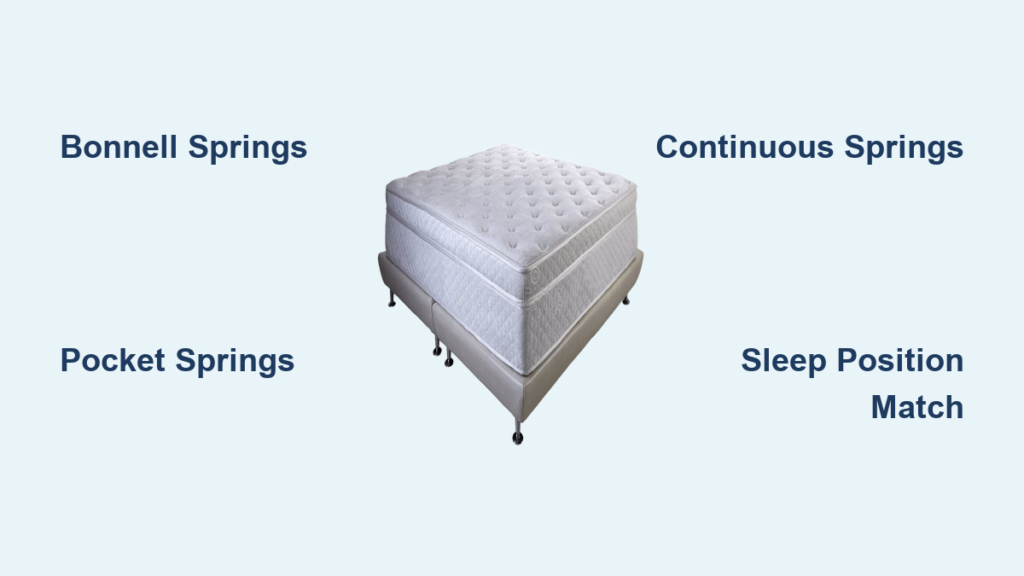
Side sleepers need softer pressure relief at shoulders; back sleepers require lumbar support. Bring your pillow to the store and simulate sleep positions. If the mattress salesperson can’t explain how their product accommodates your primary sleep style, walk away.
Does the Warranty Cover Actual Wear?
Many “lifetime” warranties only cover manufacturing defects, not sagging from normal use. Demand written confirmation that indentations over 1.5 inches are covered. Reputable brands like Sealy or Stearns & Foster honor this—discount retailers often don’t.
Final Note: Your mattress rarely acts alone in causing back pain—it’s usually the final straw in a chain of factors. Focus first on medical evaluation, sleep posture correction, and daytime habit changes before investing in replacement. When mattress changes are needed, prioritize adjustable firmness and verified sag warranties over marketing claims. Remember: the perfect mattress for your neighbor might wreck your back. Trust objective tests over sales pitches, and never ignore persistent pain that could signal serious conditions. For lasting relief, combine smart sleep surface choices with professional guidance—your spine deserves nothing less.