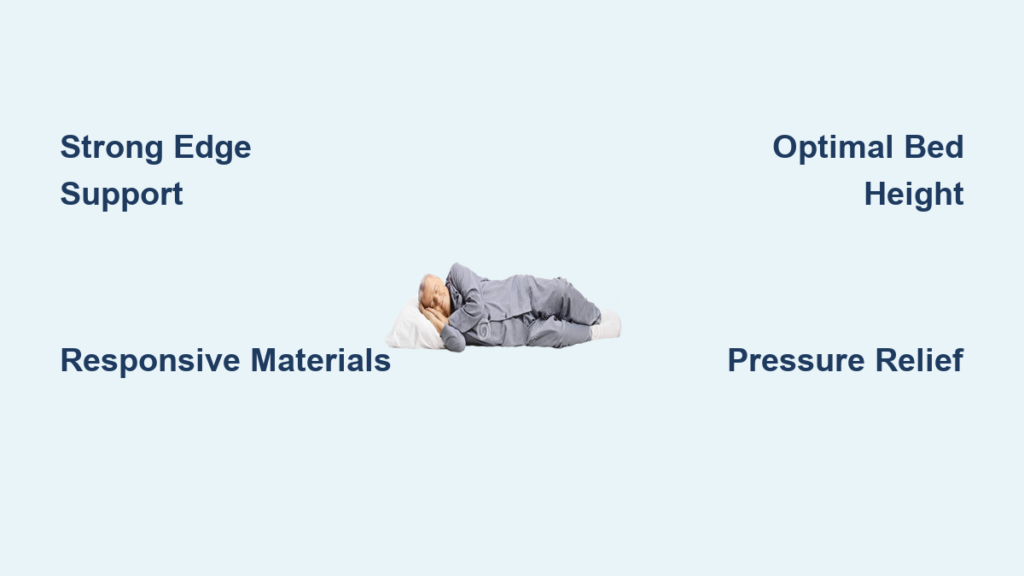
Finding the right mattress isn’t just about comfort—it’s a health decision that impacts daily mobility, pain levels, and overall quality of life for seniors. As we age, our bodies become more sensitive to poor support, and an unsuitable mattress can transform restful sleep into a nightly struggle with pain and discomfort. Research shows 40-70% of seniors experience chronic sleep issues, yet many don’t realize their mattress could be worsening these problems. The right mattress actively addresses age-related challenges like joint pain, temperature sensitivity, and mobility limitations—making how to choose mattress for elderly a critical skill for maintaining independence and well-being.
Unlike younger sleepers, seniors face unique physical changes that demand specialized mattress features. Reduced muscle mass, decreased joint flexibility, and increased bone fragility mean proper support becomes non-negotiable for pain-free mornings. When you’re selecting a mattress at 65+, you’re not just buying a sleep surface—you’re investing in your ability to move comfortably throughout the day. This guide cuts through the overwhelming options to deliver actionable steps for finding a mattress that supports restorative sleep while addressing the specific safety and comfort needs that come with aging.
Why Your Current Mattress Might Be Causing Morning Pain
Old or inappropriate mattresses create a vicious cycle of discomfort that worsens with age. As your body loses cushioning and becomes more sensitive to pressure points, an unsupportive surface can compress nerves and strain joints throughout the night. This explains why 50% of seniors wake with increased stiffness—they’re sleeping on surfaces that misalign their spine rather than supporting natural curvature. The consequences extend beyond nighttime, affecting daytime energy, cognitive function, and even fall risk. Research indicates that falls from bed account for 20-30% of falls among people age 65+, often linked to unstable edges or difficulty getting out of bed.
Your mattress should actively combat these challenges by maintaining proper spinal alignment while cushioning sensitive areas. When your ears, shoulders, and hips stay in a relatively straight line during sleep, muscles can fully relax and recover. Without this alignment, you wake with stiffness that makes simple tasks like standing or bending more difficult. For seniors managing chronic conditions like arthritis or osteoporosis, the right mattress becomes a therapeutic tool that reduces pain and supports mobility throughout the day.
Top 3 Safety Features That Prevent Bed-Related Injuries
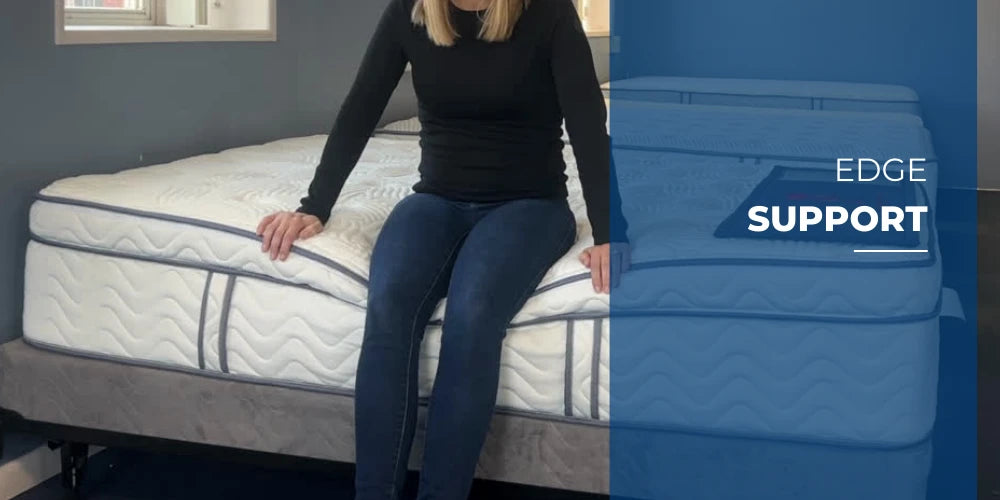
Strong Edge Support Stops Dangerous Falls
Weak mattress edges create hazardous instability when sitting on the bed’s perimeter—a daily activity that becomes increasingly risky with age. Look for reinforced foam encasement or heavy-duty perimeter coils that prevent excessive sagging when weight is applied. When you sit on the edge, you should feel stable—not like you’re about to roll off. Test this by sitting near the edge and noting whether your feet remain flat on the floor without sinking. Strong edges provide crucial support when putting on shoes or rising from bed, significantly reducing fall risks during these vulnerable moments.
Responsive Materials Make Movement Effortless
That “stuck” feeling in slow-responding memory foam can be dangerous for seniors who need to reposition frequently or make nighttime bathroom trips. Latex and hybrid mattresses excel here with their natural bounce, allowing you to change positions with minimal effort. When testing mattresses, roll from side to side and sit up—your movement should feel assisted, not restricted. For seniors with limited mobility, this responsiveness isn’t just comfortable; it’s essential for maintaining independence and preventing strain injuries when getting in and out of bed.
Optimal Height Prevents Strain Injuries
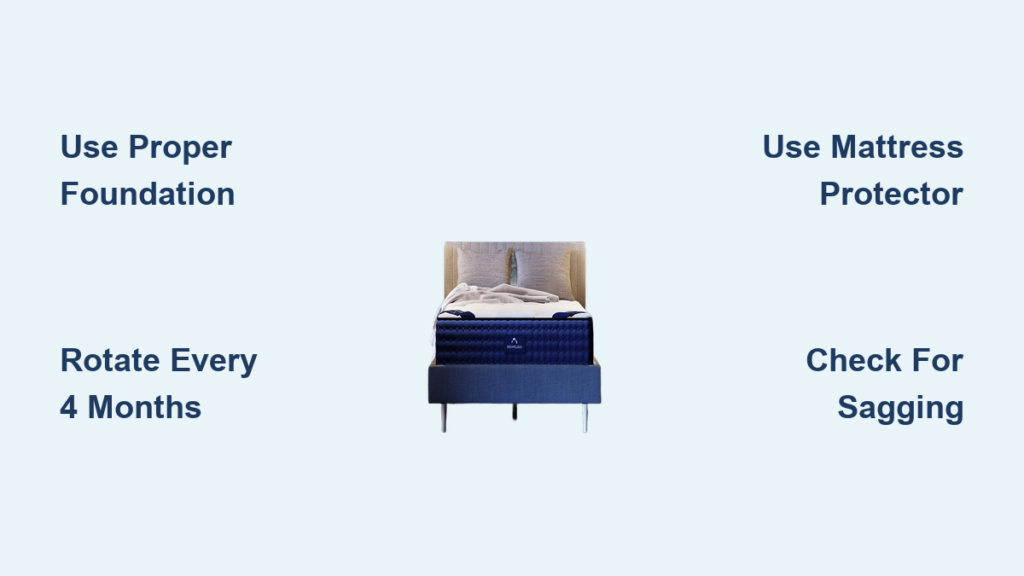
Bed height dramatically impacts safety—too high increases fall risk when getting in, while too low strains knees and hips when rising. The ideal height allows your knees to bend at 90 degrees with feet flat on the floor when seated on the edge. If your current bed forces you to use your hands excessively to get up or requires awkward bending to get in, it’s compromising your safety. Consider low-profile mattress options or adjustable bases that mechanically assist sitting up, especially if you have hip or knee issues that make bending painful.
Critical Pain-Relief Features for Common Senior Conditions
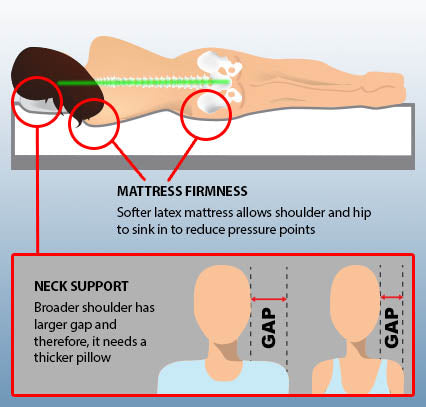
Arthritis-Friendly Pressure Distribution
Arthritis sufferers need mattresses that distribute weight evenly to prevent painful pressure points on sensitive joints. Memory foam and latex contour closely to your body’s shape, cushioning hips and shoulders without creating new pain points. When lying on your side, your shoulder and hip should feel cradled—not compressed. Avoid mattresses that are either too soft (causing misalignment) or too firm (creating pressure points). The sweet spot is medium-soft to medium-firm, allowing just enough sink for joint relief while maintaining spinal support.
Back Pain Solutions Through Zoned Support
For back pain and sciatica, look for mattresses with zoned support systems that provide firmer lumbar reinforcement while softening shoulder and hip areas. This targeted approach maintains natural spinal curvature without allowing lower back sagging. Medium-firm hybrids often work best, combining contouring foam layers with supportive coils that prevent excessive sinking. When lying on your back, check that your lower back isn’t creating a visible gap between your body and the mattress—that’s a sign of inadequate support.
Hip Pain Relief Through Strategic Cushioning
Hip pain requires precise balance: enough cushioning to relieve pressure but sufficient support to maintain alignment. Side sleepers with hip pain need mattresses that allow hips to sink just enough to keep the spine straight without compressing the joint. Memory foam and hybrid constructions work well here, with thicker comfort layers (3+ inches) providing the necessary give. Test by lying on your side—if your hip feels like it’s pressing into a hard surface, the mattress lacks adequate pressure relief for your needs.
Smart Shopping Strategies That Prevent Costly Mistakes
In-Store Testing Protocol for Seniors
Skip the online guesswork—spend 10-15 minutes testing mattresses in person using this method: Bring your favorite pillow, wear comfortable clothing, and test in your typical sleep position. Pay special attention to edge stability when sitting, pressure points in shoulder/hip areas when lying down, and ease of rolling over. Bring a partner if you share the bed to test motion isolation. Most importantly, simulate getting in and out of bed to assess how the mattress responds to your movement patterns.
Trial Periods That Actually Work for Seniors
Don’t trust a mattress until you’ve slept on it for 30+ nights—your body needs time to adjust to new support levels. Look for brands offering 100+ night trials with free pickup, as many seniors discover issues only after consistent use. Understand the break-in period (typically 30 days) before returns are accepted, and confirm whether they’ll remove your old mattress during pickup. Some companies charge exorbitant return fees, so read the fine print before purchasing.
Your Final Mattress Selection Checklist
Before purchasing, verify these critical features:
- Edge stability that prevents excessive sinking when sitting
- Medium-firm support (5-7/10) that maintains spinal alignment
- Responsive materials that allow easy movement without feeling stuck
- Pressure relief that cushions hips and shoulders without misalignment
- Cooling features like gel infusions or breathable coils if you sleep hot
- Appropriate height that allows safe, strain-free entry/exit
- 100+ night trial with reasonable return terms
Making Your Decision With Confidence
Choosing the right mattress for elderly sleepers isn’t about finding the softest or most expensive option—it’s about selecting a surface that actively supports your changing body while addressing specific safety concerns. The best choice typically combines medium-firm support with responsive materials and strong edge stability, with hybrids often providing the ideal balance for most seniors. Remember that quality sleep isn’t a luxury—it’s foundational to healthy aging. By prioritizing these critical features, you’re not just buying a mattress; you’re investing in pain-free mornings, safer mobility, and the energy to fully enjoy your golden years. Take advantage of trial periods, trust your body’s feedback during testing, and don’t compromise on the safety features that protect you night after night.