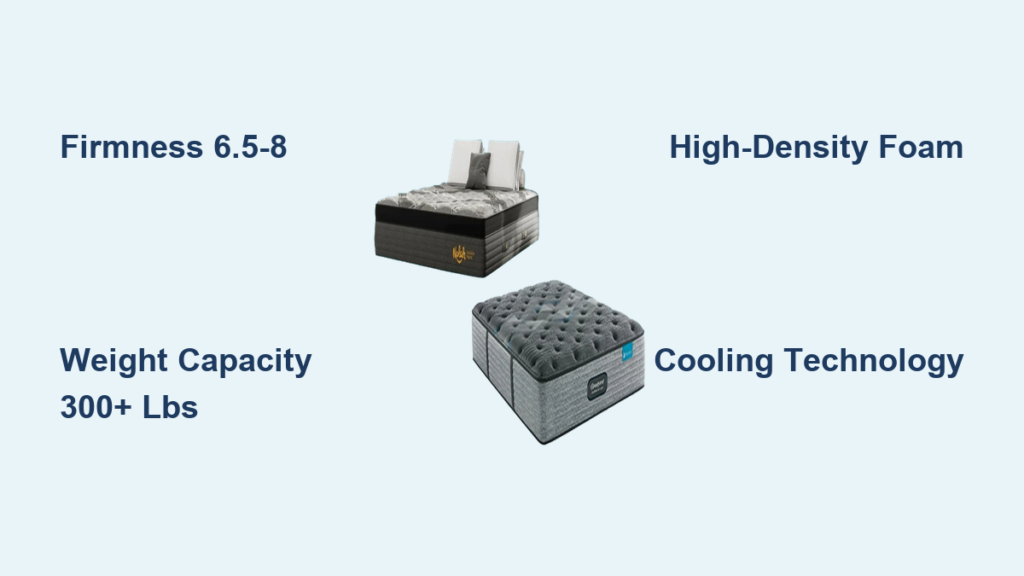
Finding the right mattress when you weigh more than 230 pounds feels like searching for a needle in a haystack. Standard mattresses simply weren’t built to handle the increased pressure and support requirements that heavier bodies demand, leading to premature sagging, uncomfortable nights, and mornings filled with aches you shouldn’t have to tolerate. The truth is that mattresses designed for average-weight sleepers often fail within just a few years when used by heavier individuals, leaving you frustrated and searching for solutions before your investment has truly paid off. Understanding what separates a genuinely supportive mattress from one that merely claims to work for plus-size sleepers transforms this overwhelming shopping experience into a targeted mission to find your perfect sleep surface.
This comprehensive guide breaks down everything you need to know about selecting a mattress that supports your body correctly, keeps you cool throughout the night, and stands the test of time. From essential firmness guidelines to specific product recommendations tested by professionals, you’ll gain the knowledge to make an informed purchase that improves your sleep quality for years to come.
Why Standard Mattresses Fail Heavy Sleepers (Over 230 Pounds)

Standard mattresses typically have weight limits around 500 pounds total (250 pounds per side), which means heavier individuals may quickly exceed manufacturer recommendations, accelerating wear and potentially voiding warranties. When you weigh more than 230 pounds, your body applies concentrated pressure that can compress inferior materials beyond their recovery point, creating permanent impressions that compromise spinal alignment and comfort. This isn’t about quality differences—it’s about fundamentally different engineering requirements for heavier body types.
Warning: Exceeding a mattress’s weight capacity voids most warranties and leads to sagging within months rather than years. Always verify that a mattress’s stated weight capacity meets or exceeds your needs, accounting for both current weight and any potential changes.
The Physics of Pressure Distribution on Sleep Surfaces
Heavier bodies distribute pressure differently across sleep surfaces, with significantly more force concentrated at key points like hips and shoulders. A mattress that serves a 150-pound person admirably may fail completely for someone weighing 250 pounds because the support core can’t maintain structural integrity under increased load. This results in excessive sinkage that throws your spine into unnatural curves, causing chronic pain and disrupted sleep.
How Sagging Develops Faster Under Increased Weight
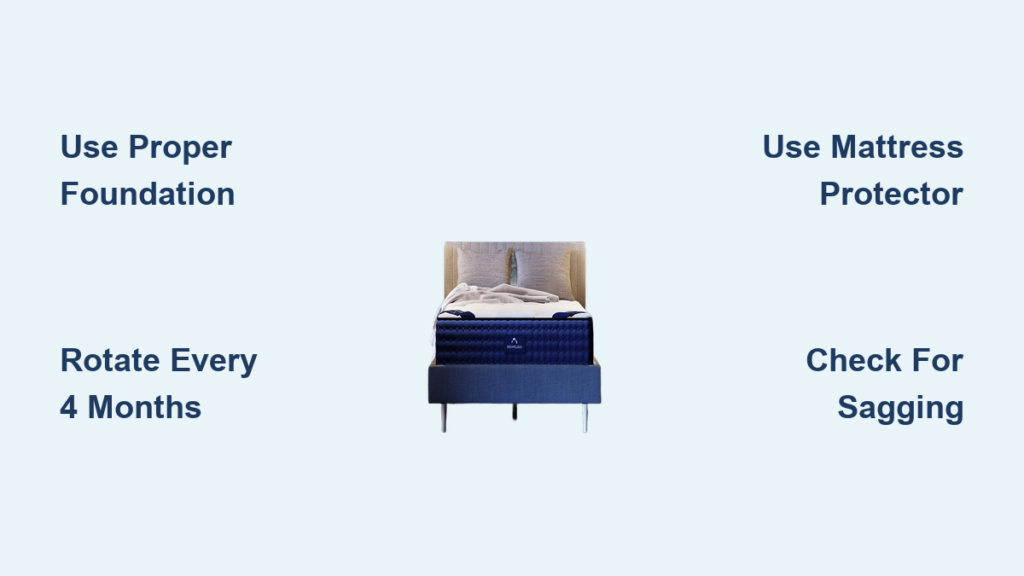
Premature sagging occurs when the support materials compress beyond their elastic limit. For heavier individuals, this process accelerates dramatically—what might take 8-10 years in an average-weight sleeper can happen in 2-3 years with inadequate support. Look for mattresses with high-density foams (5.0 PCF or higher) and lower-gauge coils (12.5-14) that resist deformation under sustained pressure.
Firmness Guidelines That Actually Work for Heavy Bodies
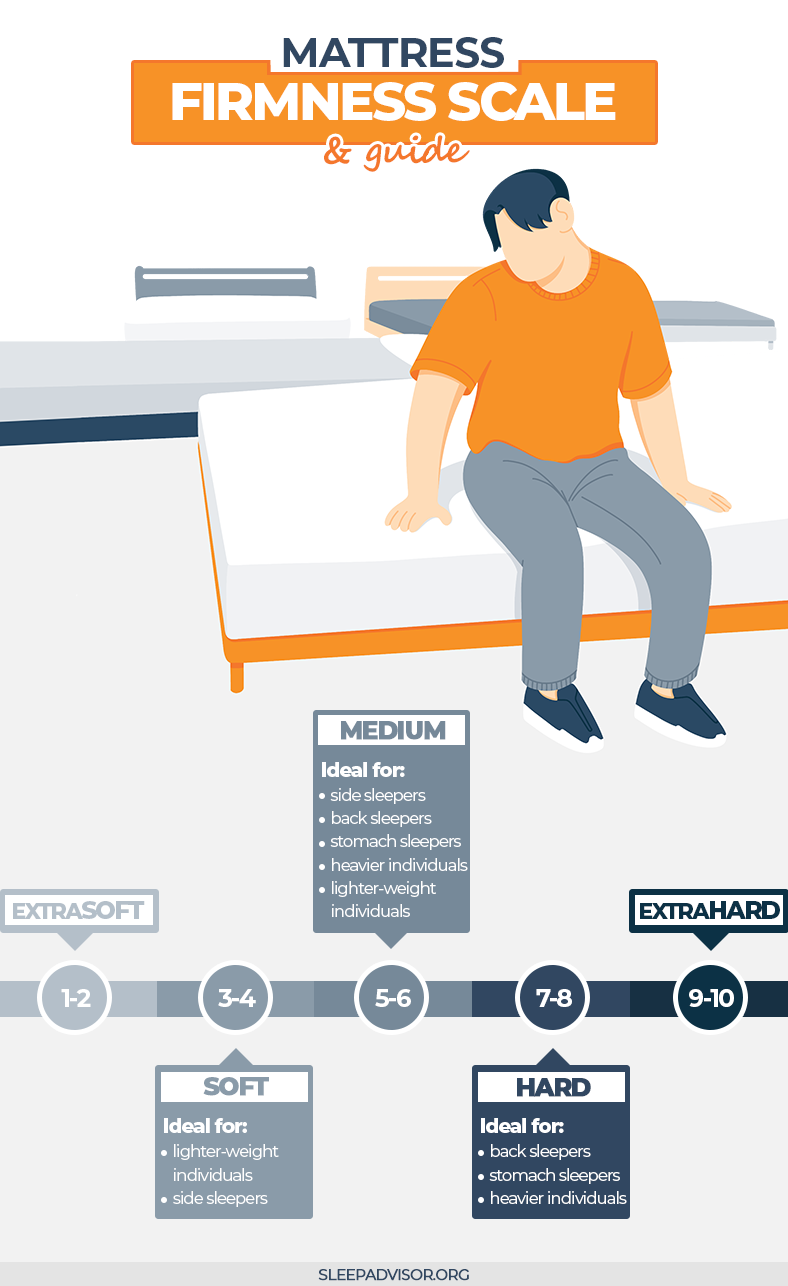
Firmness sits at the top of the priority list when learning how to choose a mattress for heavy person, and the ideal range typically falls between medium-firm (around 6 to 6.5 on a 10-point scale) and firm (7 to 8), though your sleeping position influences the optimal choice significantly. A mattress that’s too soft causes your body to sink excessively, particularly at the hips, which throws your spine into an awkward curve that leads to morning stiffness and chronic pain.
Back Sleepers: Finding the 6.5-7.5 Firmness Sweet Spot
Heavy back sleepers generally require medium-firm to firm support that keeps the hips from sinking too deeply while still providing cushioning for the lumbar region. The DreamCloud Original earned the highest marks for heavy back sleepers, with testers reporting “nice cushioning for the lumbar region and enough support for neutral spinal alignment” across multiple nights of testing. The responsive surface makes position changes throughout the night effortless without compromising spinal support.
Stomach Sleepers: Why You Need 7-9 Firmness Ratings
Heavy stomach sleepers need the firmest support options available to prevent the hips from dipping below shoulder level, which creates excessive curvature in the lower spine. The Titan Plus Core, an exceptionally firm mattress measuring approximately 8 out of 10 on the firmness scale, received stellar ratings from testers over 230 pounds who sleep primarily on their stomachs. The firm surface maintains a flat, even profile even under heavier weights, with minimal compression during rigorous edge support testing.
Side Sleepers: Balancing Shoulder Relief With Spinal Alignment
Heavy side sleepers require a carefully calibrated balance of cushioning at the shoulders and hips with underlying support that prevents the torso from sinking too deeply. The Nectar Premier Hybrid received the highest ratings for heavier side sleepers, with testers reporting “no pressure at all on the hips and shoulders, and good support in the lower back” region. Most heavier side sleepers find optimal comfort between 6 and 7 on the firmness scale, though those with broader shoulders or wider hips may prefer slightly softer surfaces.
Weight Capacity Ratings That Matter (Not Marketing Hype)
Understanding weight capacity specifications indicates the maximum load a mattress can support while maintaining its designed performance characteristics, and interpreting these numbers correctly prevents costly mistakes. The minimum weight capacity threshold for inclusion in “best for heavy people” lists typically sits at 300 pounds per side, ensuring adequate support for individuals up to approximately 250 pounds.
Decoding Manufacturer Weight Limits vs. Real-World Performance
When evaluating weight capacity, consider both individual and combined weights if sleeping with a partner. The Titan Plus Luxe, Helix Plus, and Nolah Evolution Comfort+ all offer weight capacities of 1,000 pounds total (500 pounds per side), while the Bear Elite Hybrid boasts an impressive 1,500-pound capacity. These generous ratings provide substantial margin for safety and ensure the mattress maintains its supportive properties even as materials naturally soften slightly over years of use.
Minimum 300 Pounds Per Side: The Non-Negotiable Threshold
For heavier individuals, selecting a mattress with at least 300 pounds per side capacity is essential. Budget mattresses often lack the reinforced construction needed to support higher weights consistently over time. While quality mattresses for heavier individuals may cost more upfront, their enhanced durability typically makes them more cost-effective over a 7 to 10-year lifespan compared to cheaper alternatives requiring earlier replacement.
Cooling Technology That Prevents Nightly Overheating
Temperature regulation deserves special attention when learning how to choose a mattress for heavy person, since higher body mass naturally generates more heat during sleep. Mattresses that trap heat lead to constant sleep disruptions and discomfort, making cooling features particularly important for heavier individuals who may already struggle with temperature management.
Why Heavy Sleepers Generate 30% More Body Heat
Heavier individuals have more body mass that generates heat, and the pressure of that mass on the mattress creates warmth-trapping compression. This physiological reality makes cooling features non-negotiable for quality sleep. Look for breathable covers made from materials like Tencel, organic cotton, or phase change materials that dissipate heat on contact.
Top 3 Cooling Features That Actually Work
- Coil systems that promote continuous airflow throughout the mattress interior, carrying heat away from your body
- Gel infusions that absorb and distribute body heat without creating pressure points
- Open-cell foam construction that allows airflow within foam layers rather than trapping heat
The Helix Plus earned top marks for cooling performance among mattresses tested for heavier sleepers, with testers confirming the mattress stayed cool throughout the night due to its breathable Tencel cover and airflow-promoting coil system.
Edge Support That Makes Getting In/Out of Bed Easier
Strong edge support dramatically impacts the usable sleep surface on your mattress and makes getting in and out of bed considerably easier for heavier individuals. Mattresses featuring reinforced perimeters allow you to utilize the entire surface area without feeling like you might roll off, eliminating that compressed sensation that occurs when sitting or lying near the edges.
Testing Edge Support: What 1+ Inch of Sinkage Really Means
Testing protocols for edge support involve sitting and lying along the mattress perimeter while measuring sinkage depth. Mattresses scoring 3.5 or higher on edge support tests receive recommendation for heavier sleepers, with the Saatva Classic earning a perfect 5.0 out of 5 due to its reinforced perimeter coils and high-density foam encasement. For heavier couples, this feature becomes even more critical since it maximizes usable sleep surface on both sides.
Top 3 Mattresses That Pass Heavy Sleeper Testing
After extensive testing and analysis, certain mattresses consistently rise to the top for heavier sleepers across multiple evaluation criteria. These recommendations reflect real-world performance rather than marketing claims.
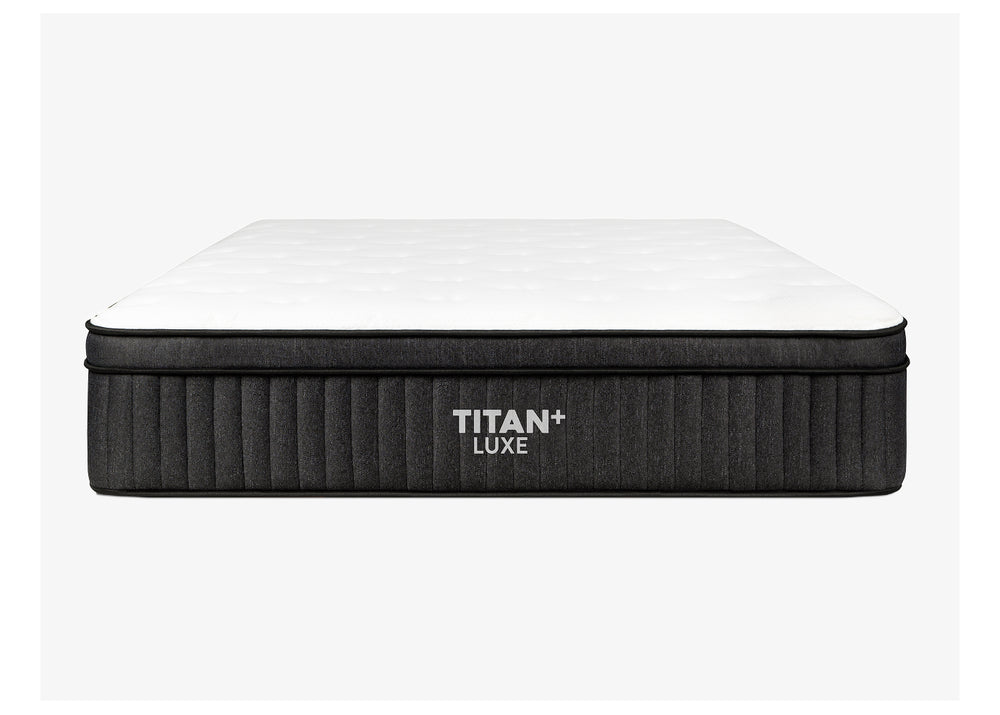
Brooklyn Bedding Titan Plus Luxe: The Overall Winner
This hybrid mattress combines proprietary TitanFlex foam with a tall layer of pocketed coils to create a medium-firm feel that testers rated as approximately 7 out of 10 on the firmness scale. The mattress earned perfect scores for back support in pressure mapping tests and ranked among the top three for edge-to-edge support. Its high-density foam construction and reinforced coil system provide exceptional durability, supporting up to 1,000 pounds total (500 pounds per side).
Helix Plus: Best for Temperature Control
The Helix Plus stands out as the best cooling mattress for heavier sleepers, combining a breathable Tencel cover with a coil system that promotes continuous airflow throughout the interior. In temperature control testing, the Helix Plus earned a 4 out of 5 cooling score, with testers confirming the surface stayed comfortable throughout the night without heat buildup. The mattress supports up to 1,000 pounds (500 pounds per side) and comes with a 15-year warranty.
Big Fig: Premium Motion Isolation for Couples
The Big Fig mattress earns particular recognition as the best value for heavier couples, featuring reinforced perimeter coils, high-density foam layers, and a weight capacity of 1,100 pounds total. The mattress earned perfect scores for both motion isolation and edge support in laboratory testing, making it ideal for couples where movement disturbance and edge stability are priorities.
Common Mistakes That Shorten Mattress Lifespan
Learning from others’ mistakes helps you sidestep expensive errors when selecting your mattress. Understanding these pitfalls ensures your investment delivers years of quality sleep rather than months of discomfort.
Ignoring Density Ratings for Foam Layers
High-density foams (4.0 to 5.0 PCF) maintain their structure and supportive properties far longer than standard foams (1.5 to 2.5 PCF) that compact quickly under heavier weights. Testing data reveals that the best mattresses for heavy people score 4 or higher on 5-point durability scales, with the WinkBed Plus earning a perfect 5 out of 5 due to its tempered steel springs and high-density foam construction.
Overlooking Coil Gauge Numbers in Hybrid Mattresses
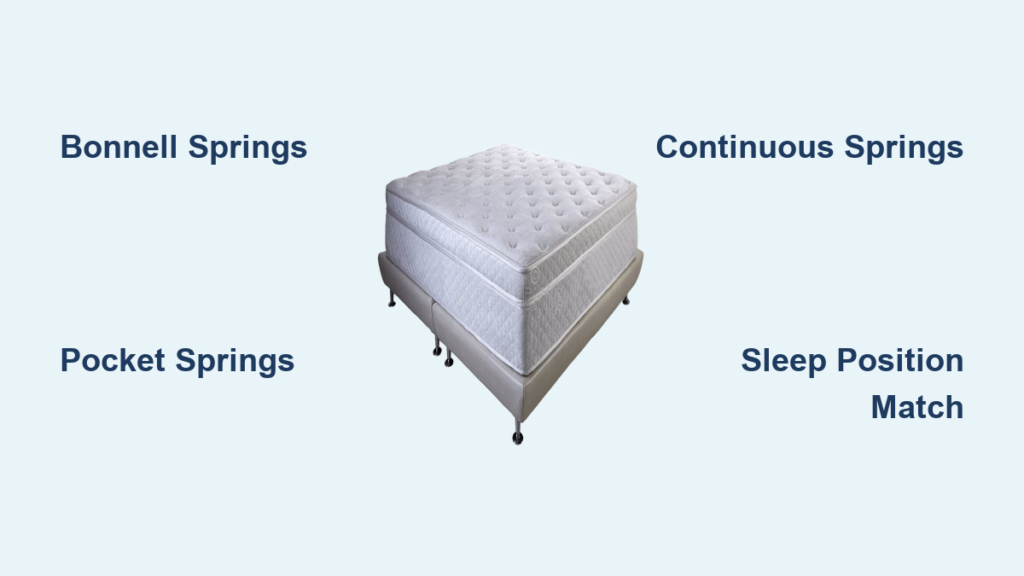
Lower-gauge coils (12.5 to 14) indicate thicker, more supportive wires that resist deformation better than higher-gauge alternatives. When evaluating hybrid mattresses, prioritize models with higher coil counts (typically 800 to 1,200 for queen size) and reinforced perimeter coils that maintain edge stability under heavier weights.
Choosing the right mattress as a heavier person requires careful attention to firmness, support, weight capacity, and cooling features. By understanding what your body needs and which specifications indicate genuine quality, you can navigate the marketplace confidently and find a mattress that provides restful, restorative sleep for years to come. Remember that the best mattress for you balances adequate support with proper pressure relief while keeping you cool throughout the night—don’t compromise on these essential elements when making your selection.