
Sharing a bed with your partner should be peaceful and restful, yet many couples find themselves battling over blanket space, temperature preferences, and movement disturbances. When learning how to choose a mattress for couples, you quickly realize it’s not just about comfort—it’s about finding a sleep solution that accommodates two different bodies, sleep styles, and needs. The reality is that 60% of couples report sleep issues affecting their relationship, often stemming from incompatible mattresses that fail to address both partners’ requirements. The good news? You don’t have to settle for restless nights or constant compromise. With the right approach to how to choose a mattress for couples, you can discover a sleep surface that works for both of you while actually improving your relationship through better rest.
Your mattress must now support combined weight, minimize motion transfer, and accommodate potentially different firmness preferences—all while maintaining proper spinal alignment for both sleepers. This guide cuts through the overwhelming options to give you a practical, step-by-step approach to selecting the perfect shared mattress. You’ll learn exactly what features matter most for couples, how to test mattresses effectively together, and which specific models deliver on the promise of compatible sleep. By the end, you’ll have the knowledge to make a confident decision that transforms your shared sleep experience.
Diagnose Your Combined Sleep Compatibility Issues
Before visiting stores or browsing online, identify your specific compatibility challenges to narrow your search effectively.
Pinpoint Your Sleep Position Conflicts
Your sleeping position significantly impacts what mattress characteristics will work best for your shared bed. If you’re a side sleeper while your partner prefers their back, you’ll need a mattress that balances cushioning with structural support. Side sleepers generally need softer surfaces that cushion shoulders and hips, allowing natural spinal alignment without excessive sinkage that makes position changes difficult. Back sleepers typically require medium-firm support that keeps the spine properly aligned without allowing hips to sink too deeply, which creates lower back strain over time.
When sleep positions differ significantly, look for mattresses with balanced support that accommodates multiple styles. Medium to medium-firm mattresses (5-7 on the 10-point firmness scale) often work best for mixed sleep positions, providing enough give for side sleepers while maintaining necessary support for back and stomach sleepers. If one partner sleeps on their stomach, prioritize models with reinforced lumbar support to prevent the hips from dropping below shoulder level—a position that strains the lower back and neck.
Address Temperature Discrepancies Immediately

Temperature conflicts are among the most common sources of bedtime frustration between partners. If you’re constantly kicking off blankets while your partner shivers under multiple layers, cooling technologies become essential considerations when learning how to choose a mattress for couples. Modern solutions include breathable Tencel covers that actively wick heat away, gel-infused foams that absorb and dissipate body heat, copper or graphite infusions that conduct heat away from the body, and open-cell foam structures that increase airflow.
Prioritize mattresses combining multiple temperature-regulation technologies rather than relying on a single approach. The Leesa Sapira Chill Hybrid and Nolah Evolution consistently rank among the best options for hot sleepers, featuring cool-to-the-touch covers paired with graphite or gel-infused comfort layers and breathable coil systems. For significant temperature differences, consider using separate blankets or dual-tog duvets alongside your mattress selection.
Select the Best Motion Isolation Technology for Your Sleep Schedule
If you’ve ever been jolted awake by your partner getting out of bed or shifting positions, you understand why motion isolation ranks as critical when learning how to choose a mattress for couples.
Test Motion Transfer Before Buying
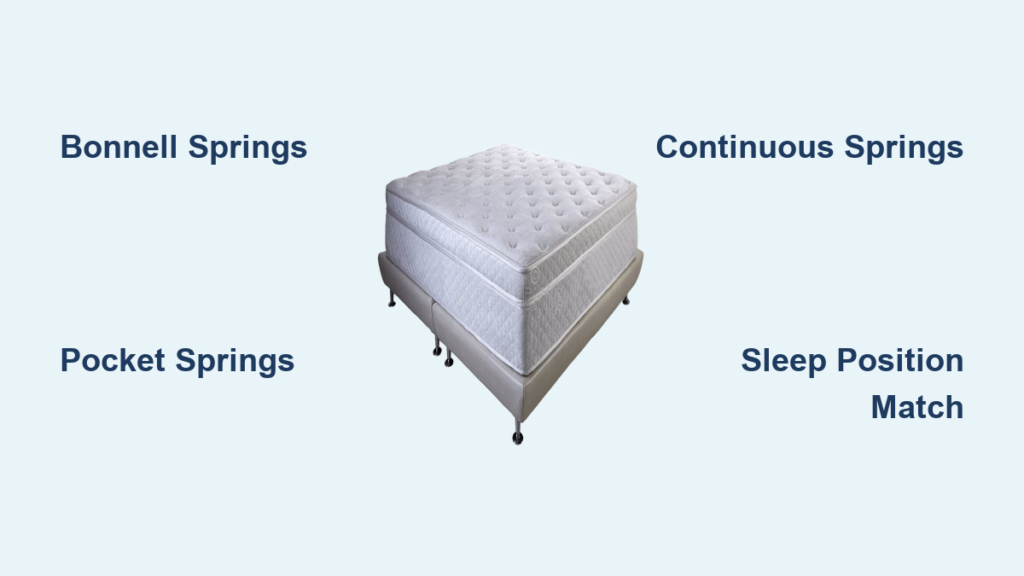
Light sleepers should make motion isolation a top priority, as even small movements can disrupt rest. Memory foam mattresses excel here because the material conforms to pressure points without transmitting movement across the surface. When one partner moves, the foam absorbs that energy rather than transmitting it to the other side. Hybrid mattresses with individually wrapped pocket coils also perform well, as each coil responds independently to pressure.
Before purchasing, conduct this simple test: have your partner lie on one side while you lie on the other, then ask them to shift positions dramatically or get up. Pay attention to how much you feel on your side. The Nectar Luxe and Brooklyn Bedding CopperFlex Memory Foam consistently receive top marks for motion isolation, with testers reporting minimal disturbance even during vigorous movement.
Identify Your Must-Have Couple-Specific Features
Certain features deserve priority attention when selecting a mattress for two people, regardless of your preferred mattress type.
Prioritize Edge Support for Maximum Usable Space
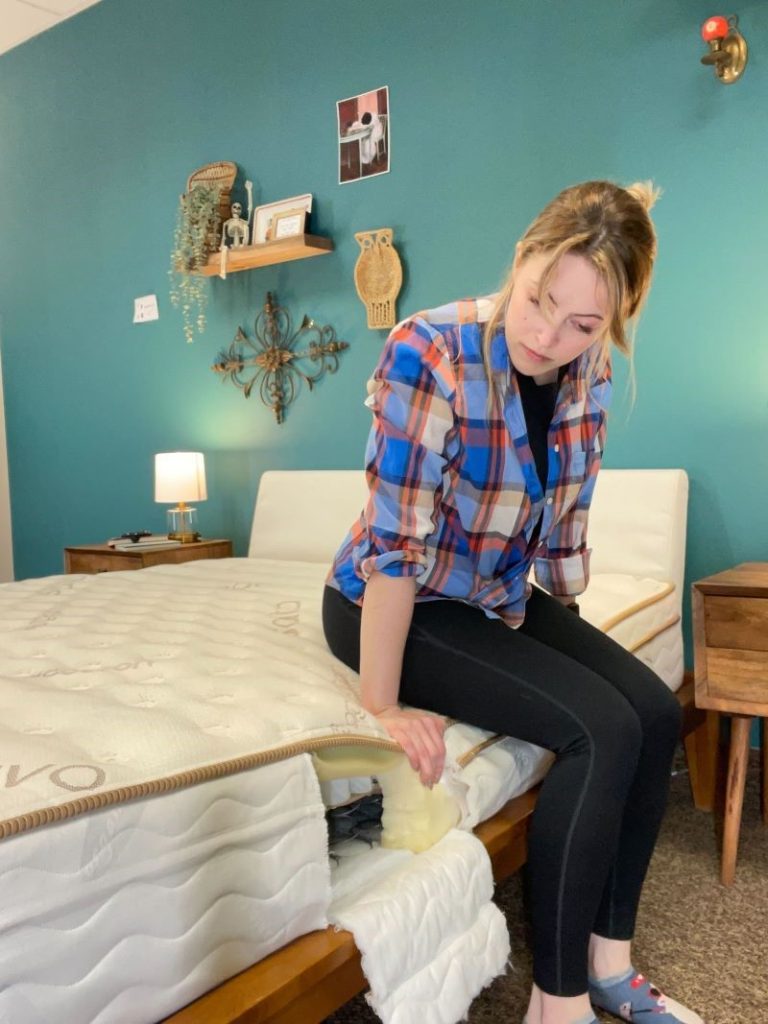
Strong edge support effectively increases your usable sleep surface by preventing the feeling of rolling off when either partner migrates to the side. This reinforced perimeter allows both people to spread out comfortably and makes getting in and out of bed easier. The WinkBed and Saatva Classic consistently receive high marks for edge support, making them excellent choices for couples who want to utilize the entire mattress surface without feeling cramped.
Balance Firmness Preferences Without Compromise
Finding balanced firmness typically falls in the medium to medium-firm range (5-7 on the 10-point scale) and represents a good starting point for most couples. However, if you and your partner have significantly different firmness preferences, explore split-firmness options where each side can be customized. The WinkBed offers four firmness options (Soft, Luxury Firm, Firm, and Plus), allowing you to choose the level that works best for your combined needs.
Choose the Right Mattress Size for Your Bedroom and Sleep Style
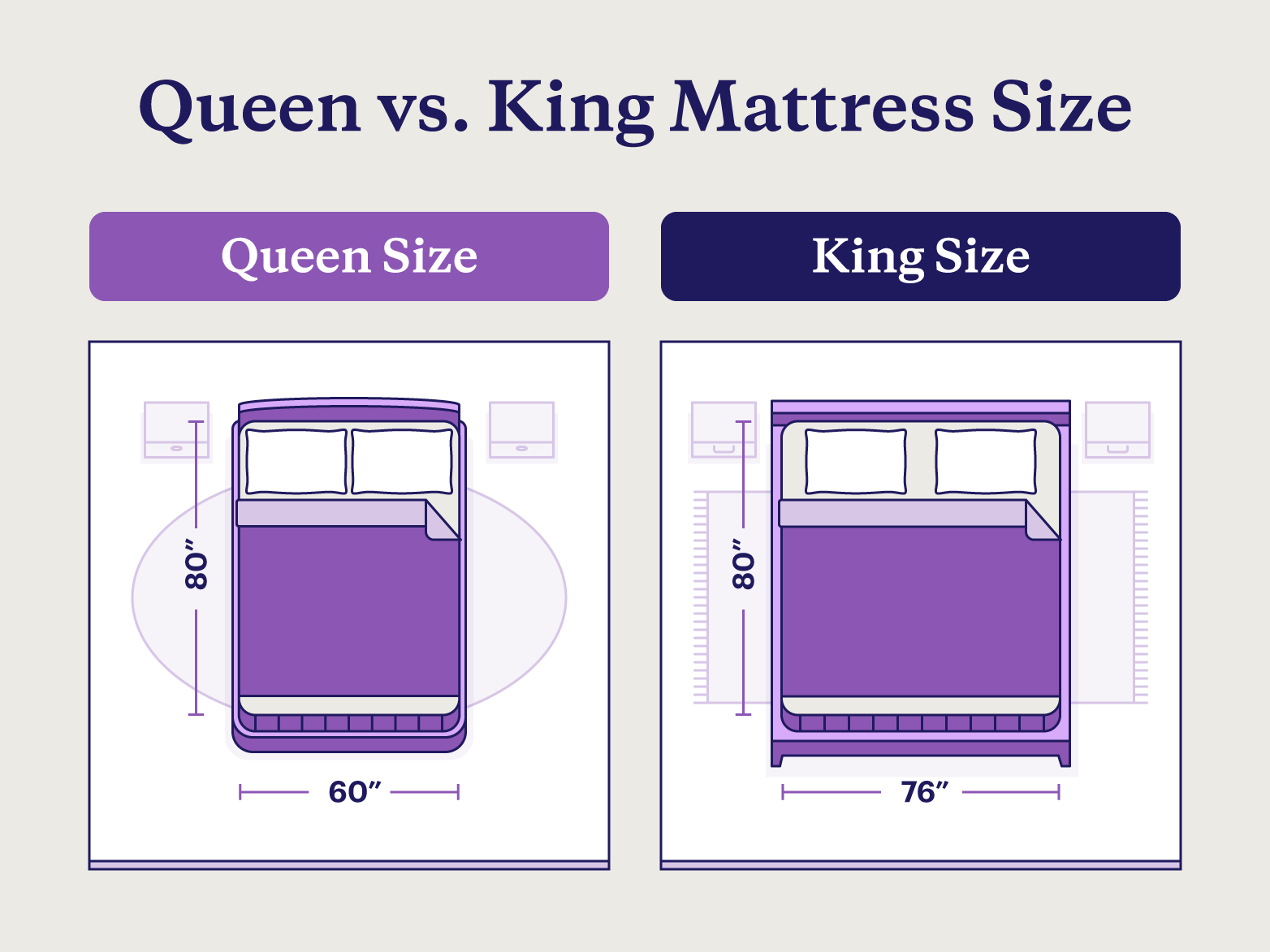
Selecting appropriate size matters significantly for couples who value personal space or have specific physical requirements.
Queen vs. King: The Space Calculation
Queen size mattresses (60×80 inches) remain popular but provide only 30 inches of width per person—often insufficient if either partner is tall, restless, or simply needs more room. King size mattresses (76×80 inches) give couples an additional 16 inches of width compared to a queen, making them ideal for those who value personal space or have children/pets that occasionally join them. The trade-off is higher cost and the need for a larger bedroom.
Consider Split King for Maximum Customization
Split king mattresses (two twin XLs side by side) offer standard king dimensions with significant advantages for couples with different preferences. Each partner can select their preferred firmness level, and the split design works with adjustable bed frames that raise each side independently. This setup is perfect for couples where one person prefers firm support while the other needs plush comfort, or where health concerns require different sleeping positions.
Implement Smart Shopping Strategies That Work
Follow these proven approaches to avoid mattress shopping frustration and make a confident decision.
Test Together Using the Right Technique
When testing mattresses, spend at least 10-15 minutes on each option lying in your typical sleeping positions. Bring your pajamas to feel more comfortable during testing. Sit on the edges to evaluate support, and have your partner simulate getting up from bed to assess motion transfer. If shopping online, take advantage of sleep trials—Nectar, DreamCloud Premier, and Saatva Classic all offer 365-night trials, giving you ample time to evaluate performance in your home environment.
Create a Priority Checklist Before Shopping
Before visiting stores, make a list of absolute must-haves versus nice-to-haves. Essential features might include motion isolation for a light sleeper partner or cooling technology for someone who sleeps hot. Being clear about priorities prevents decision paralysis among countless options. Rate each feature on importance (1-5 scale) so you know where you can compromise and where you cannot.
Top Mattress Recommendations for Specific Couple Challenges
Best Overall Choice: WinkBed
The WinkBed earns recognition as a top overall choice due to its excellent combination of features across multiple categories. This versatile hybrid offers four firmness options, excels in temperature control with its breathable Tencel cover, and provides zoned support for targeted pressure relief. Motion isolation performs best in softer models, while firmer options deliver excellent responsiveness for intimacy. It includes a 120-night sleep trial and lifetime warranty.
Best for Motion Isolation: Nectar Luxe
For couples where one partner is a light sleeper, the Nectar Luxe’s all-foam construction absorbs movement effectively, keeping disturbances to a minimum. Testers report minimal transfer even when one partner moves vigorously, making it ideal for partners with different sleep schedules.
Best Value Option: Brooklyn Bedding Signature Hybrid
This hybrid mattress delivers exceptional performance across key couple metrics at a competitive price point. Available in three firmness options, it features breathable construction, good motion isolation, and excellent pressure relief without the premium price tag of luxury brands.
Extend Your Mattress Lifespan with Proper Maintenance
Once you’ve found the perfect mattress, protect your investment with these essential maintenance steps:
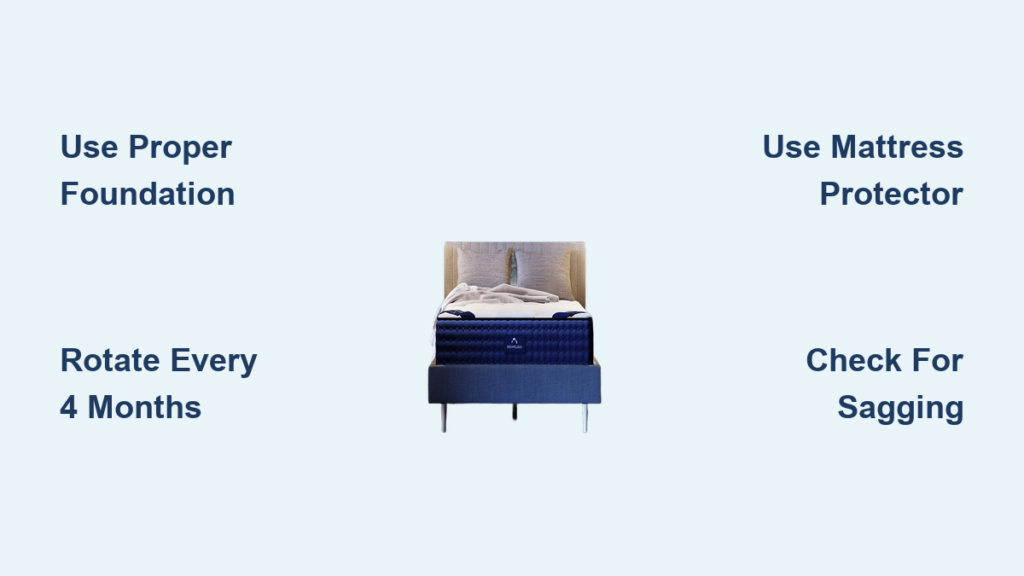
- Use a high-quality, breathable mattress protector to guard against spills and allergens
- Rotate your mattress 180 degrees every 3-6 months (follow manufacturer guidelines)
- Address body impressions early with targeted spot rotation
- Replace your mattress every 6-8 years, as couples’ combined weight accelerates wear
The right mattress for couples doesn’t have to end in compromise that leaves both partners unsatisfied. With today’s advanced mattress technologies and specialized designs, you can find options that accommodate different sleep preferences while providing a comfortable shared surface. Start by identifying your combined needs, prioritize features that address your specific challenges, and take advantage of sleep trials to test options in your home environment. By following this practical approach to how to choose a mattress for couples, you’re well-equipped to make an informed decision that helps you and your partner enjoy restful, uninterrupted sleep for years to come—strengthening both your sleep quality and your relationship.