Choosing a new mattress means navigating dozens of specifications, but firmness remains the factor that most directly determines whether you’ll sleep comfortably or spend nights tossing and turning. Casper has built its reputation on offering balanced, medium-firm mattresses that work for the majority of sleepers, yet their product line spans a notable range from plush softness to supportive firmness. Understanding exactly how firm each Casper mattress feels—and how that firmness will interact with your body type and sleeping position—can mean the difference between a purchase you’ll love and one you’ll struggle to tolerate for the next decade.
This guide breaks down every Casper mattress model, explaining precisely where each falls on the firmness scale and which sleepers will find each option most comfortable. You’ll learn how Casper measures firmness, why the same mattress can feel different to different people, and what to expect during the break-in period. Whether you’re a side sleeper seeking plush cushioning or a stomach sleeper who needs firm support, this article will help you identify exactly which Casper mattress matches your firmness preferences.
Casper Mattress Firmness Scale Decoded
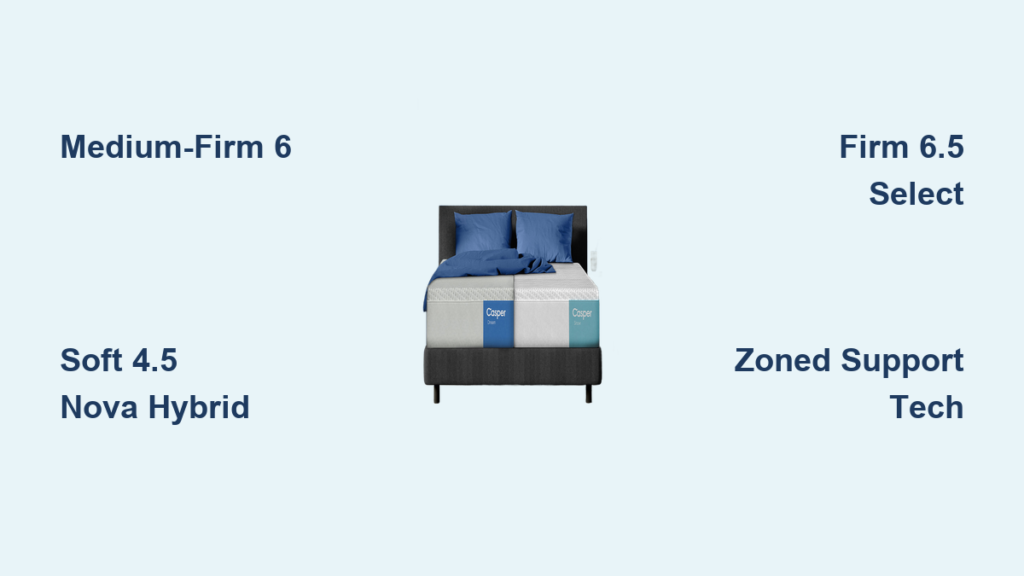
Casper rates their mattresses on a unique 10-point firmness scale where lower numbers indicate softer surfaces and higher numbers represent firmer feels. Their current lineup spans from 4.5 to 6.5 on this scale, meaning every Casper mattress falls somewhere between medium-soft and medium-firm rather than extremes of either category. This strategic positioning reflects Casper’s understanding that most sleepers prefer surfaces that balance comfort with support rather than mattresses that lean heavily toward either extreme.
The Nova Hybrid holds the distinction of being Casper’s softest option at 4.5 out of 10, designed specifically for lightweight side sleepers who need deep pressure relief. At the opposite end, the Casper Select reaches 6.5 out of 10 as the firmest mattress in the collection, catering to back and stomach sleepers who require enhanced support. Most Casper models cluster in the middle range, with the Casper Original, Casper One, and Casper Hybrid all rated at 6 out of 10 for that versatile medium-firm feel that works across multiple sleeping positions.
Why Casper’s Scale Runs Backward
What many shoppers don’t realize is that Casper’s firmness scale runs in reverse from what most American consumers expect. Casper defines 1-3 as firm, 3-5 as medium firm, 5-7 as medium, 7-8 as medium-soft, and 9-10 as soft. This technical nuance matters when comparing Casper ratings to other manufacturers who may use different scales or terminology. The company determines these ratings through standardized testing methods, primarily the EN1957 European standard which measures firmness by pressing into the mattress at three specific forces and analyzing the load-deflection curve.
Casper Original Firmness Breakdown
The Casper Original earns a medium-firm rating of 6 out of 10, making it the benchmark against which most other Casper mattresses are compared. Independent testing reveals that this mattress provides minimal sinkage with moderately high bounce, creating a sensation where you float on top of the surface rather than sinking deeply into the foam. This balanced construction means the Original accommodates back sleepers and combination sleepers particularly well, though stomach sleepers over 250 pounds may find it lacks the firm support their bodies require.
Why the Original Feels Medium-Firm
What makes the Original feel medium-firm rather than truly firm is its three-layer foam construction that combines pressure-relieving comfort layers with a supportive base. The zoned memory foam in the transition layer helps align the spine by providing firmer support under the hips while offering softer cushioning at the shoulders. This zoning prevents the common problem of hips sinking too deeply, which throws off spinal alignment for back sleepers. The result is a surface that contours to your body without embracing you so tightly that movement becomes difficult.
Casper Nova Hybrid Softness Level
The Casper Nova Hybrid stands alone as Casper’s softest mattress at 4.5 out of 10, occupying the medium-soft category that specifically serves lightweight side sleepers. This hybrid construction combines foam layers with supportive coils to deliver deep pressure relief exactly where side sleepers need it most—at the shoulders and hips. If you’ve ever woken with numb shoulders or hip pain, the Nova Hybrid’s plush construction addresses these issues by allowing sensitive body parts to sink meaningfully into the comfort layers.
Who Should Avoid the Nova Hybrid
However, this softness becomes a limitation for heavier sleepers. Anyone over 230 pounds will find the Nova Hybrid allows excessive sinking that can pull the spine out of alignment, leading to morning back pain rather than relief. The same plush construction that makes this mattress exceptional for lightweight side sleepers makes it inappropriate for stomach sleepers of any weight, as the soft surface allows the midsection to sink too deeply. Pro tip: If you’re unsure whether the Nova Hybrid’s softness will work for you, consider your body weight and primary sleeping position before committing.
Casper Wave Hybrid’s Smart Firmness
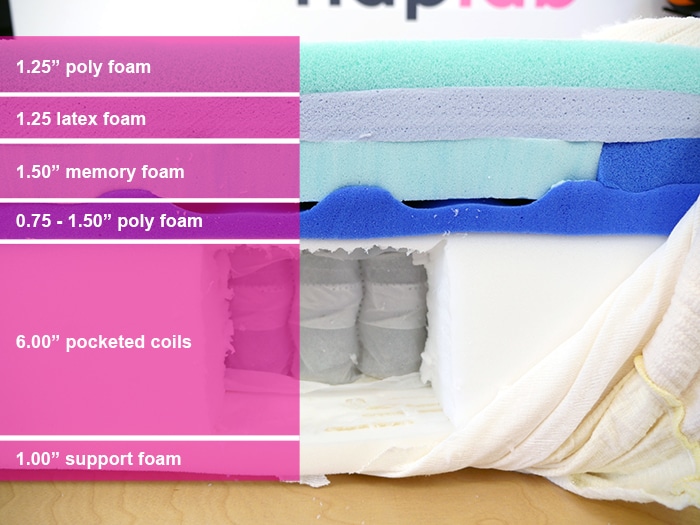
The Casper Wave Hybrid carries a firmness rating of 5.5 out of 10, placing it in the medium-soft category while offering significantly more sophisticated construction than the Nova Hybrid. This luxury mattress features a five-layer construction with gel pods that provide active, targeted support—zoning so advanced that the mattress actually lifts your hips upward to promote optimal spinal alignment. The result is a gentle surface that feels soft to the touch yet supports your body intelligently across multiple dimensions.
Advanced Support for Back Pain
What distinguishes the Wave Hybrid from softer mattresses is its ability to accommodate heavier sleepers who need support without sacrificing pressure relief. Sleepers over 250 pounds appreciate how the gel pod technology prevents them from sinking too far into the mattress, maintaining neutral spine positioning that smaller sleepers might not require. The Zoned Support Max system combines firmer center foam with precisely cut channels that cradle the body’s natural curves, making this mattress particularly suitable for back pain sufferers who need enhanced pressure relief without the excessive softness that makes their pain worse.
Casper Select Maximum Firmness

The Casper Select claims the title of firmest Casper mattress at 6.5 out of 10, designed specifically for back and stomach sleepers who need enhanced support to maintain proper spinal alignment. While 6.5 barely qualifies as firm by most manufacturer standards, it represents the upper limit of Casper’s current lineup and provides the hip support that stomach sleepers desperately need. This firmness level prevents the midsection from sinking too deeply—a common problem that pulls the lower spine out of alignment and causes morning back pain for stomach sleepers.
Who Benefits Most from the Select
Back sleepers weighing over 130 pounds particularly benefit from the Select’s firm construction, as the surface prevents the hips from tilting downward while the shoulders remain comfortably positioned. Testing showed that stomach sleepers under 130 pounds found adequate comfort in most Casper models, but those weighing 130 pounds or more experienced problematic sinking in softer models like the Casper One. The Select addresses this issue by providing a substantially firmer surface that keeps the body relatively flat throughout the night.
How Sleep Position Affects Firmness Feel
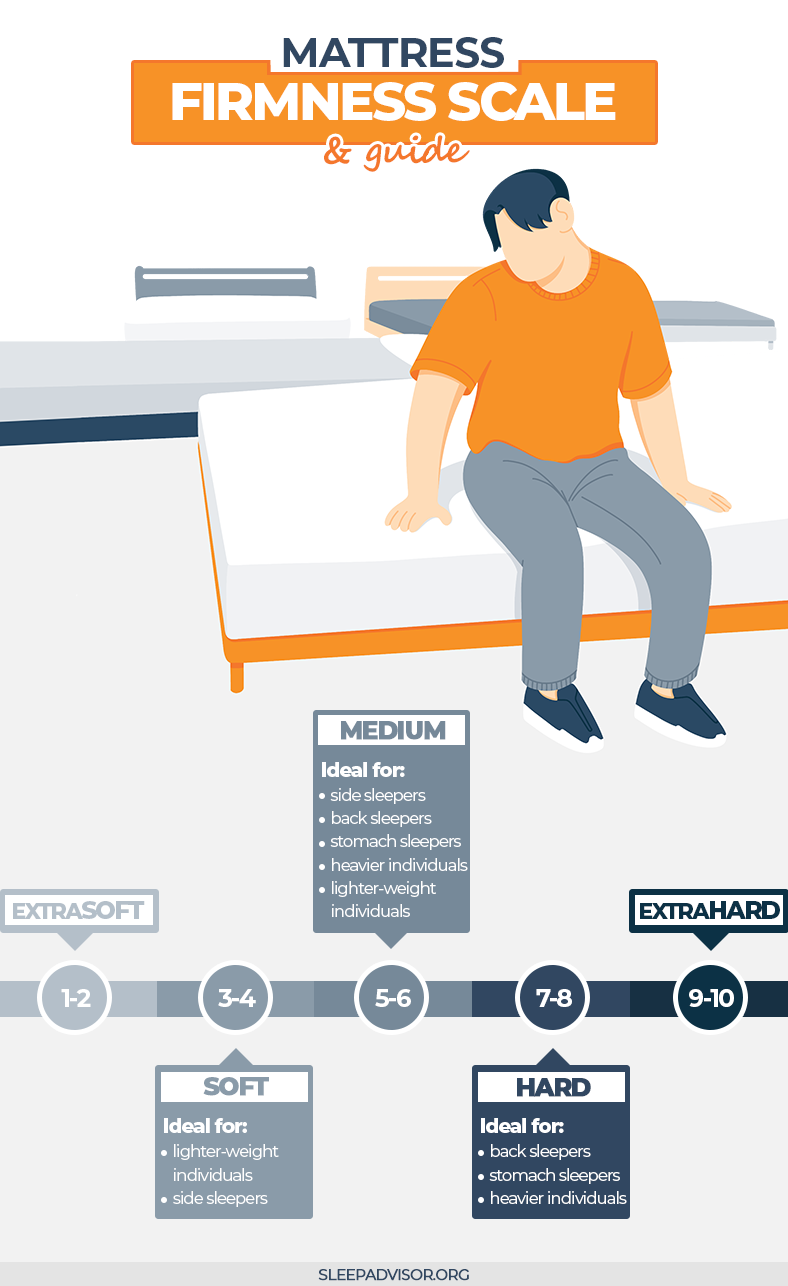
Your sleeping position fundamentally determines which firmness level will feel comfortable, as different positions place pressure on different body parts and require different support structures. Side sleepers need softer surfaces in the medium-soft to medium range (4-6 on the scale) to cushion the shoulders and hips adequately. Without sufficient softness, side sleepers experience pressure buildup at these contact points that can cause numbness, tingling, and morning pain. The Casper Nova Hybrid (4.5/10) and Casper Wave Hybrid (5.5/10) emerge as the top choices for this sleeping position.
Back sleepers typically require medium-firm to firm surfaces (5.5-7 on the scale) that keep the spine properly aligned while providing adequate lumbar support. The Casper Original (6/10), Casper Select (6.5/10), and Casper Hybrid (6/10) work well for this position, with the zoned support technology lifting the hips in line with the shoulders to maintain the spine’s natural curve. Stomach sleepers need the firmest surfaces (6-8 on the scale) to prevent the midsection from sinking too deeply, which creates an arch in the lower back that leads to pain and stiffness. The Casper Select at 6.5 out of 10 provides the best option for this position.
Body Weight Impact on Mattress Firmness
Your body weight dramatically affects how firm a Casper mattress feels, which explains why the same mattress might feel perfect to one person and uncomfortably firm or soft to another. Lightweight sleepers under 130 pounds typically find mattresses firmer than advertised because they don’t exert enough pressure to sink deeply into the comfort layers. A medium-firm Casper Original might feel quite firm to someone weighing 110 pounds, while the same mattress feels appropriately balanced to someone weighing 180 pounds.
Average-weight sleepers between 130 and 230 pounds experience firmness levels closest to manufacturer specifications, making this demographic the primary target for Casper’s medium-firm offerings. Heavyweight sleepers over 230 pounds often perceive mattresses as softer than advertised due to deeper compression into the materials. A medium-firm Casper Original might feel relatively soft to someone weighing 260 pounds, as their greater mass pushes through the comfort layers into the support core.
Break-In Period Expectations
New Casper mattresses require a break-in period of 30 to 90 days before reaching their designed firmness level, and understanding this process prevents premature returns or unnecessary frustration. During the first weeks after delivery, mattress materials expand fully from their compressed shipping state and begin adapting to your body’s unique contours. The mattress might feel firmer initially than it will after this adjustment period, as the materials gradually soften and shape themselves to your body.
Temperature’s Effect on Firmness
Room temperature significantly affects how firm a Casper mattress feels, particularly in models containing memory foam components. Warmer room temperatures around 72 degrees Fahrenheit make memory foam materials softer and more responsive, while cooler temperatures create a firm surface. If your mattress feels unexpectedly firm, try raising the room temperature slightly to see if the materials soften. This temperature sensitivity matters most for Casper’s memory foam models, though their hybrid options experience less dramatic changes.
Zoned Support Technology Explained
Casper’s Zoned Support Technology represents a signature innovation that creates varying firmness levels within a single mattress surface, providing firmer support where your body needs it most and softer cushioning where pressure relief matters most. The system places firmer foam under the hips, waist, and lower back while providing softer support under the shoulders. This strategic zoning eliminates the need to choose between support and comfort—you get both in the same mattress, targeted to different areas of your body.
Advanced Zoning in Premium Models
The most advanced zoning system, Zoned Support Max, appears in premium models like the Casper Wave Hybrid and combines firmer center foam with precisely cut channels that cradle the body’s natural curves. The gel pods integrated into the transitional layer actively lift the hips upward to promote optimal spinal alignment, adjusting support based on body position and weight distribution throughout the night. This dynamic responsiveness means the mattress continues supporting you correctly even as you shift positions during sleep.
Firmness Trial and Return Policy
Casper offers a 100-night risk-free trial period for all mattresses, allowing you to evaluate firmness and comfort in your home environment before committing to the purchase. This trial period begins after a mandatory 30-night adjustment period, giving both your body and the mattress materials time to adapt to each other. During this window, you can initiate returns or exchanges if the firmness doesn’t meet your expectations, with free return shipping provided to make the process hassle-free.
Exchanging for Your Perfect Firmness
If you find your mattress too firm or too soft during the trial period, exchanges provide an opportunity to try a different firmness level within Casper’s lineup. Customers who find their mattress too firm can exchange for a softer model like the Nova Hybrid, while those who need more support can move to firmer options like the Select. This exchange policy eliminates the financial risk of selecting the wrong firmness, making it advisable to start with Casper’s most popular medium-firm options if you’re uncertain about your preferences.
Choosing Your Ideal Casper Firmness
Selecting the right Casper mattress firmness ultimately comes down to matching the mattress characteristics to your body type, sleeping position, and personal comfort preferences. If you’re primarily a side sleeper under 150 pounds, the Nova Hybrid’s 4.5-out-of-10 softness provides the pressure relief your shoulders and hips need. Back and stomach sleepers who weigh over 130 pounds should look toward the Select at 6.5 out of 10 for the firm support that keeps their spine aligned throughout the night.
For the largest group of sleepers—those who sleep on their back, switch positions frequently, or weigh between 130 and 230 pounds—the Casper Original and Casper Hybrid at 6 out of 10 offer the balanced medium-firm feel that works across multiple scenarios. These mattresses provide enough firmness to support proper spinal alignment while offering sufficient comfort to cushion pressure points, making them the safest choice if you’re uncertain about your preferences.
Final Tip: Before making your final decision, take advantage of Casper’s 100-night trial to sleep on your chosen mattress in your home environment. Pay attention to how you feel after the first two weeks once the initial break-in period passes, and note any morning back pain, pressure point discomfort, or difficulty moving on the surface. With options spanning from 4.5 to 6.5 on the firmness scale, Casper offers a solution for virtually every sleep preference—the key is identifying which end of their spectrum matches your body’s needs.