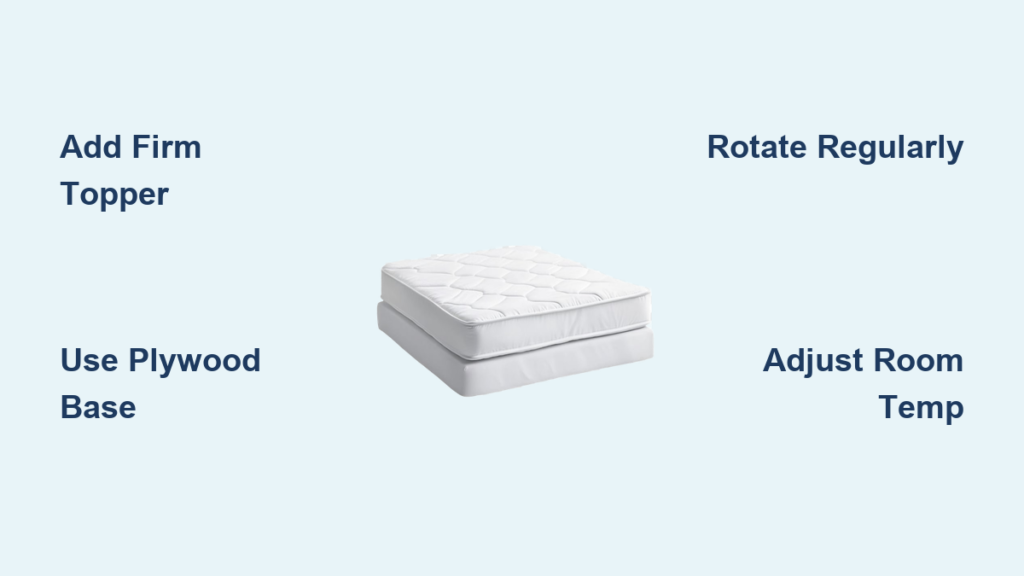
Waking up with a sinking feeling in your mattress—literally—is a common frustration that transforms your bedroom from a restful sanctuary into a source of discomfort. If your mattress has lost its supportive structure over time or you simply prefer a firmer sleep surface, you don’t need to immediately replace your entire bed. Understanding how to make a mattress firm involves exploring several effective strategies that can restore proper support without breaking the bank. The right firmness level keeps your spine aligned while providing necessary pressure relief, directly impacting your sleep quality and morning comfort.
A mattress that’s too soft causes your hips and shoulders to sink too deeply, creating unnatural spinal curves that lead to morning stiffness and chronic pain. This guide reveals practical, proven methods to increase mattress firmness so you can achieve optimal spinal alignment and wake up feeling refreshed. Whether you need a quick fix or a more permanent solution, these techniques will help you transform your overly soft mattress into a supportive sleep surface that meets your specific needs.
Install a Firm Mattress Topper for Immediate Results

Adding a firm mattress topper provides the quickest solution for transforming a soft mattress into a supportive sleep surface. Unlike thin mattress pads, quality toppers range from 2 to 4 inches thick and can dramatically alter your mattress feel without requiring any modifications to your existing setup. For maximum firmness, select toppers made from high-density memory foam (with density ratings of 5 pounds per cubic foot or higher), natural latex, or pocketed coils—materials that resist deep sinking while maintaining structural integrity.
Choose a topper specifically labeled “firm” or “extra firm,” and verify its thickness meets your needs. Thinner 2-inch toppers provide modest firmness increases suitable for slightly soft mattresses, while 3-4 inch options can substantially transform very plush beds. When installing, ensure the topper sits flat without wrinkles that could create pressure points. This solution typically costs between $50-$200 and delivers results immediately—making it the most popular choice for sleepers seeking quick firmness improvements.
Place Plywood Under Your Mattress for Foundation Support
When your mattress sags due to foundation issues rather than mattress degradation, adding a 1/2 to 3/4 inch plywood board beneath it creates immediate, dramatic improvements in firmness. Cut the plywood to match your mattress dimensions exactly, then sand all edges smooth to prevent damage to your mattress cover. This rigid layer eliminates flex in weak box springs or widely spaced slats, distributing your weight evenly across the entire sleep surface.
This solution works particularly well for mattresses that dip in the center while remaining firm at the edges—a classic sign of foundation failure rather than mattress wear. Spend just 15 minutes installing plywood, and you’ll notice reduced sagging immediately. For a more finished appearance, consider purchasing a bunkie board (a purpose-built 1-2 inch rigid foundation alternative) which costs $50-$150 and installs in minutes. Both options provide continuous support that allows your mattress to perform as designed, effectively restoring its original firmness level.
Maintain Tight Bedding to Increase Surface Tension
Pulling your sheets and bedding taut across your mattress every morning creates subtle but meaningful improvements in firmness without any cost or modifications. This simple two-minute routine works because tight bedding adds surface tension that prevents your mattress materials from expanding freely, making the underlying surface feel more supportive. The technique is particularly effective for newer mattresses that have only recently begun to feel slightly soft.
To maximize this effect, start by securing fitted sheets tightly at all corners, then smooth flat sheets with consistent tension across the entire surface. Finish by tucking blankets and comforters snugly around the mattress perimeter. While this method alone won’t transform an extremely soft mattress, it enhances the firmness gains from other solutions like toppers or plywood supports. Many sleepers report noticeably better support within days of adopting this daily habit, making it an essential complementary practice.
Adjust Bedroom Temperature for Memory Foam Mattresses
Memory foam mattresses naturally firm up in cooler environments—a built-in feature you can leverage to increase support without physical modifications. Lower your bedroom temperature to 60-67 degrees Fahrenheit, the ideal range for both optimal sleep and firmer memory foam performance. In this cooler environment, the viscoelastic materials contract and become more resistant to pressure, creating a noticeably firmer sleep surface.
This temperature adjustment works particularly well during colder months when your mattress may already feel firmer due to ambient conditions. For year-round benefits, consider using a cooling mattress pad or adjusting your thermostat specifically during sleep hours. The firming effect becomes noticeable within 30-60 minutes of exposure to cooler temperatures, providing a simple environmental solution that costs nothing beyond minor energy adjustments.
Rotate Your Mattress Every 3-6 Months
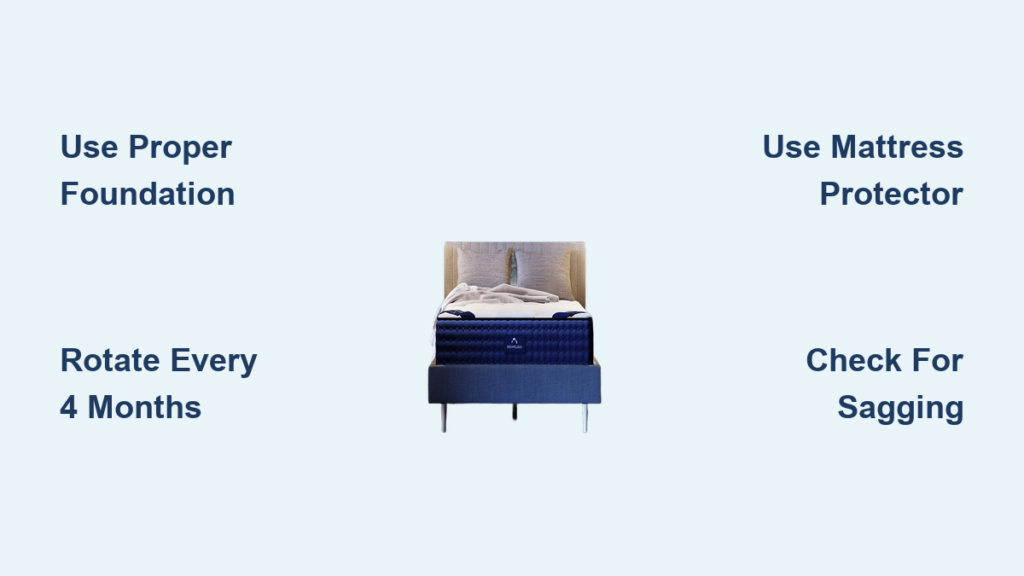
Turning your mattress 180 degrees every 3-6 months distributes wear evenly across all areas, preventing localized softening that creates uncomfortable sagging spots. This simple maintenance practice extends your mattress lifespan while maintaining consistent firmness—especially important if you primarily sleep in one position. When rotating, lift rather than drag your mattress to avoid damaging internal components.
For flippable mattresses (check manufacturer guidelines first), turning the mattress over entirely provides even more dramatic firmness restoration. Some mattresses feature firmer surfaces on one side specifically designed for flipping as a firmness adjustment method. This routine requires just 5 minutes every few months but delivers significant long-term benefits by preventing premature softening in high-pressure zones like the hip area.
Replace Worn Foundation Components

Inspect your bed frame, slats, and box spring every 6 months for signs of wear that compromise mattress support. Broken or widely spaced slats (more than 3 inches apart), sagging box springs, or loose bed frame joints all contribute to a softer mattress feel regardless of the mattress condition. Replacing these components with solid platform alternatives creates immediate firmness improvements.
Look for these warning signs indicating foundation failure:
– Visible sagging in the center of your mattress
– Creaking or shifting when you move in bed
– Uneven firmness across the sleep surface
– Mattress edges feeling less supportive than the center
Replacing a worn box spring with a solid platform base ($100-$300) typically takes less than an hour and provides dramatically improved support. This solution addresses the root cause when foundation issues—not mattress degradation—are responsible for your softness problems.
Create Targeted Lumbar Support for Back Pain Relief
If lower back sinking causes discomfort while other areas feel adequately supported, implement zoned support specifically under your lumbar region. Place a rubber floor runner or welcome mat perpendicular to your mattress length directly beneath your lower back area, then secure it with cotton twill straps passed underneath the mattress. Finish by adding a thin mattress protector to keep everything in place.
This DIY solution works because different body parts require different support levels—your hips need firmness to maintain spinal alignment while shoulders need slight give for pressure relief. Properly implemented, zoned support creates a customized firmness profile that addresses specific problem areas without making your entire mattress uncomfortably hard. Most sleepers notice reduced back pain within the first night of using this technique.
Match Firmness Solutions to Your Sleep Position
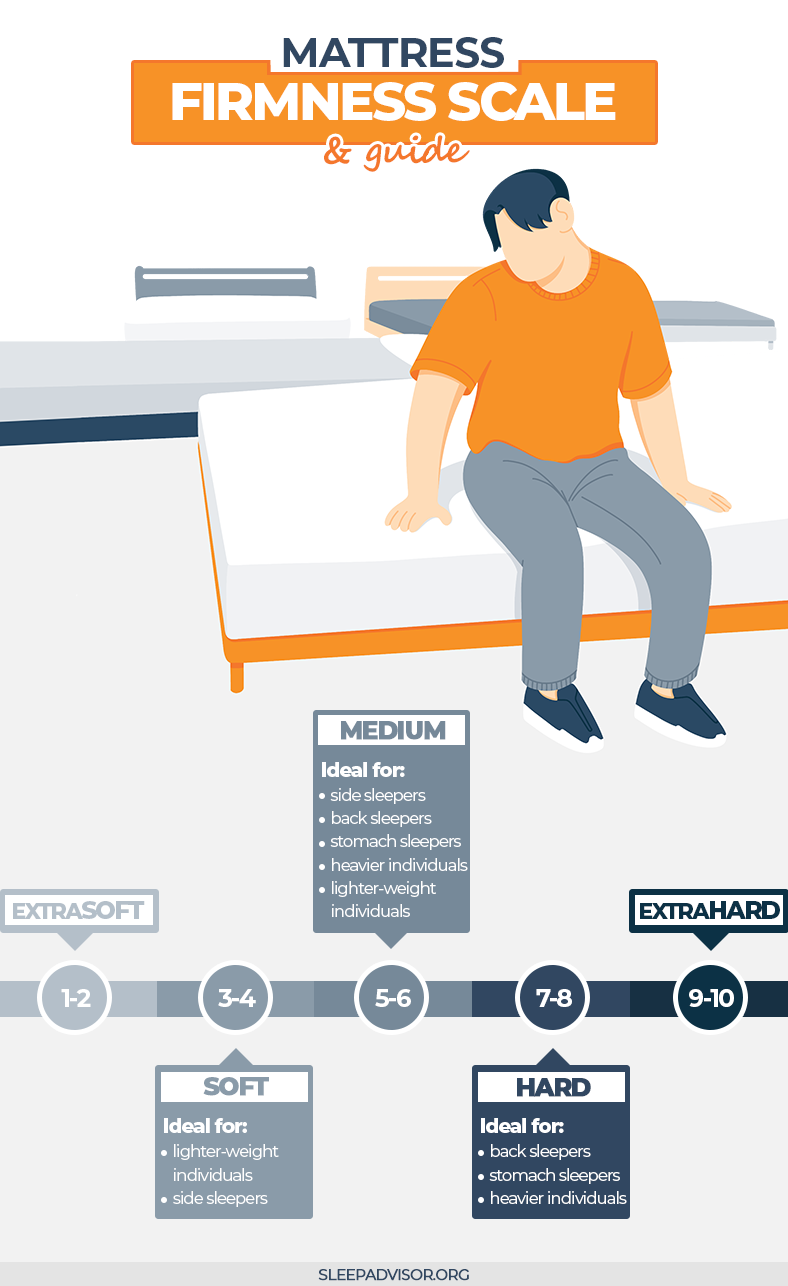
Side Sleepers Need Balanced Firmness
As a side sleeper, you need enough give for shoulder and hip pressure relief while maintaining hip support to prevent spinal misalignment. If your mattress feels too soft, add firmness selectively with a 2-inch latex topper rather than memory foam, which provides deeper contouring that reduces firmness. Avoid solutions that make your entire mattress too rigid, as this creates new pressure points that cause shoulder and hip pain.
Back Sleepers Benefit from Uniform Support
Back sleepers require consistent support across the entire sleep surface to maintain natural spinal curvature. Most firmness-increasing solutions work well for this position without special modifications. Plywood supports, firm toppers, and foundation replacements all effectively address softness issues while helping prevent the hips from sinking lower than the shoulders—a common cause of lower back strain.
Stomach Sleepers Require Maximum Firmness
Stomach sleepers need the firmest surfaces to prevent hip sinking that creates harmful spinal arching. All the solutions in this guide effectively address firmness issues for stomach sleepers, with plywood supports and firm latex toppers delivering particularly noticeable improvements. Prioritize solutions that create uniform support across the entire sleep surface to maintain neutral spinal alignment throughout the night.
When to Replace Your Mattress Instead of Modifying It
Despite these effective solutions, some mattresses have simply exceeded their useful lifespan (typically 7-10 years) and cannot be restored through modifications. Permanent impressions deeper than 1.5 inches, visible material degradation, or widespread sagging indicate internal structure failure that no amount of added support can fix. Before investing in modifications, test your mattress age and condition—if it’s approaching a decade old or shows significant wear, replacement may offer better long-term value than continued fixes.
Check your manufacturer’s warranty before modifying your mattress, as some interventions might void coverage. Many online retailers offer 100+ night sleep trials, allowing you to test a new mattress risk-free before committing. If you’ve tried multiple firmness solutions without success, investing in a new mattress designed to your preferred firmness level often proves more cost-effective than endless modifications to an unsalvageable sleep surface.
Proper mattress firmness delivers significant health benefits beyond comfort—maintaining spinal alignment reduces chronic pain risks while firmer surfaces typically provide better temperature regulation for hot sleepers. By implementing these proven techniques, you’ll transform your overly soft mattress into a supportive sleep foundation that promotes restful, pain-free sleep night after night. Start with the quickest solutions like tight bedding and temperature adjustments, then progress to more substantial modifications as needed—your path to better sleep support begins tonight.