You’ve probably experienced waking up with stiff joints, back pain, or feeling overheated after a restless night. These common sleep struggles lead many to discover the surprising benefits of Japanese floor mattress solutions. Unlike bulky Western beds that dominate bedroom space and often fail to provide proper spinal support, traditional Japanese shikibutons offer an elegant, time-tested alternative that addresses these modern sleep challenges head-on. For centuries, these thin, foldable mattresses have delivered superior spinal alignment, space efficiency, and natural materials that promote healthier sleep—without the environmental toll of conventional mattresses.
The growing popularity of Japanese floor mattresses reflects a global shift toward mindful living and wellness-focused choices. People tired of expensive, chemically-treated bedding, uncomfortable sleeping surfaces, and the environmental impact of traditional mattresses are finding that shikibutons provide compelling solutions. By understanding the specific benefits of Japanese floor mattress systems, you can determine whether this ancient approach might solve your contemporary sleep problems while simplifying your living space and supporting a more intentional lifestyle.
Fix Your Back Pain with Proper Spinal Alignment on Floor Mattresses
Why Firm Support Prevents Morning Stiffness
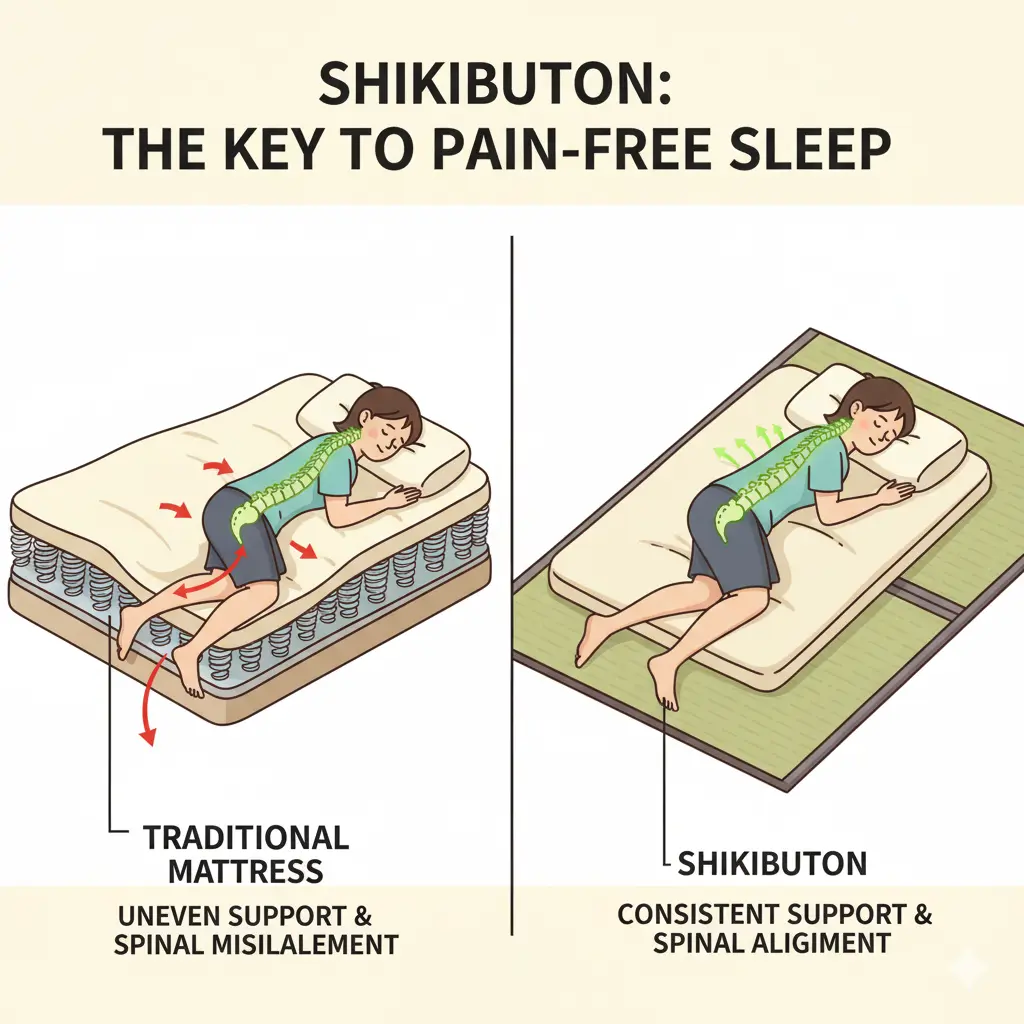
The most celebrated benefit of Japanese floor mattresses lies in their exceptional ability to promote proper spinal alignment. Unlike plush Western mattresses that allow hips and shoulders to sink deeply, creating misalignment throughout the spine, the firm supportive surface of a shikibuton encourages your spine to maintain its natural, healthy curve all night long. This even, head-to-toe support keeps your backbone in neutral alignment from sunset to sunrise.
Individuals suffering from chronic back pain often report transformative results after switching to Japanese floor mattresses. The firm foundation prevents your spine from flattening excessively—a common problem on soft mattresses that contributes to morning stiffness and persistent pain. Chiropractors note that this neutral sleeping position lets your spine rest without creating muscular knots, allowing you to wake up feeling less sore with more mobile joints. Back sleepers and stomach sleepers particularly benefit from this consistent support.
The Science Behind Weight Distribution on Shikibutons
The body divides into four primary weight regions during sleep: head (8%), chest (35%), waist (44%), and feet (13%). Soft mattresses cause the heavier hip and waist regions to sink dramatically, creating misalignment that strains your lower back. Japanese floor mattresses placed directly on firm surfaces like tatami mats or hardwood floors prevent this sinking and maintain proper postural alignment throughout every sleep phase.
This even weight distribution allows your intrinsic spinal muscles to perform necessary stabilization functions during sleep rather than remaining tense in compensation for poor support. The result? Reduced pressure points, less muscle fatigue, and waking up with noticeably improved mobility—especially valuable if you’ve struggled with back pain despite trying multiple conventional mattress solutions.
Eliminate Nighttime Sweating with Natural Temperature Regulation

How Cotton and Wool Fillings Keep You Cool
Japanese floor mattresses promote superior temperature regulation through their natural materials. Traditional shikibutons use cotton or wool fillings that excel at wicking moisture away from your body while allowing excellent airflow. This breathability creates a consistently cooler sleep surface than most conventional mattresses, making them ideal for hot sleepers and those who experience night sweats.
Unlike memory foam or synthetic materials that trap heat, natural fibers in Japanese floor mattresses respond dynamically to your body temperature. Cotton absorbs moisture while maintaining breathability, and wool naturally regulates temperature—keeping you warm in winter and cool in summer. For those who regularly wake up overheated on traditional mattresses, switching to a shikibuton often provides immediate relief from disruptive nighttime temperature fluctuations.
Floor-Level Sleeping for Natural Cooling Benefits
The proximity to the ground further enhances the cooling properties of Japanese floor mattresses. Floor-level sleeping surfaces stay noticeably cooler than elevated beds, particularly during summer months, because heat rises while cooler air remains near the floor. This natural cooling effect complements the breathable materials, creating a consistently comfortable sleep environment without relying on energy-intensive air conditioning.
You’ll notice that morning humidity from your body evaporates more quickly when your mattress isn’t trapped against a box spring or platform bed. The daily ritual of folding and airing your shikibuton ensures complete drying, preventing the musty odors that often develop in continuously-used conventional mattresses—a simple yet effective solution to a common sleep disruptor.
Create More Living Space in Small Apartments
Transform Your Bedroom into a Multi-Functional Room
The exceptional space efficiency of Japanese floor mattresses immediately benefits anyone navigating compact living environments. The thin, foldable design eliminates bulky bed frames, box springs, and the substantial floor area that traditional beds require. Once morning arrives, your mattress rolls or folds and stores in a closet or cabinet, freeing your entire room for daytime activities.
This transformation capability makes Japanese floor mattresses ideal for studio apartments, tiny homes, and any living situation where square footage commands a premium. A room can serve as a living area, dining space, or home office rather than remaining permanently dedicated to sleeping. For urban dwellers where every square foot must serve multiple purposes, the ability to convert your sleeping space in minutes provides remarkable flexibility that conventional beds simply cannot match.
Storage Solutions for Daily Folding and Unfolding
Traditional Japanese oshiire closets provide ideal ventilation for stored futons, but you don’t need specialized storage. Any dry, well-ventilated space works for storing your folded shikibuton during the day. Futon racks designed specifically for this purpose promote airflow beneath and around your mattress, enhancing drying and preventing mustiness.
The investment in proper storage equipment pays dividends in mattress longevity and sleep quality. Unlike conventional mattresses that sit undisturbed for years, the daily folding and airing routine of Japanese floor mattresses naturally disinfects materials and prevents the mold and mildew that develop in continuously-used bedding. This practical system turns what might seem like extra effort into a hygienic advantage that improves your sleep environment.
Save Money on Bedding Without Sacrificing Quality

Lower Initial Cost Compared to Western Mattresses
Japanese floor mattresses typically cost significantly less than traditional Western mattresses, particularly when comparing quality options with natural material content. A high-quality queen-size shikibuton generally ranges from $300 to $500, compared to $1,500 or more for equivalent-quality spring or foam mattresses. This advantage compounds when recognizing that Japanese floor mattresses eliminate the need for additional purchases of bed frames, box springs, or platform bases.
The simpler construction with fewer synthetic components means less degradation over time and fewer replacement cycles. While conventional mattresses often need replacement every 7-10 years, a well-crafted shikibuton maintained with daily folding and weekly airing can provide comfortable, supportive sleep for many years beyond that—reducing your long-term bedding expenses significantly.
Long-Term Value of Durable Natural Materials
The durability of quality Japanese futons enhances their cost effectiveness over time. Traditional construction methods using natural materials like cotton and wool create mattresses that maintain supportive properties for many years with proper care. The daily folding and airing rituals maintain mattress condition in ways that continuously-used conventional mattresses cannot match.
Unlike synthetic foam that breaks down and loses support, natural fibers in Japanese floor mattresses can be refreshed through proper care. When eventually replaced, the natural components break down more readily than synthetic foam and metal spring systems, reducing environmental impact. For eco-conscious consumers, this combination of affordability and sustainability makes Japanese floor mattresses an increasingly attractive option.
Choose Eco-Friendly Materials Free from Harmful Chemicals
Natural Cotton and Wool vs. Synthetic Memory Foam
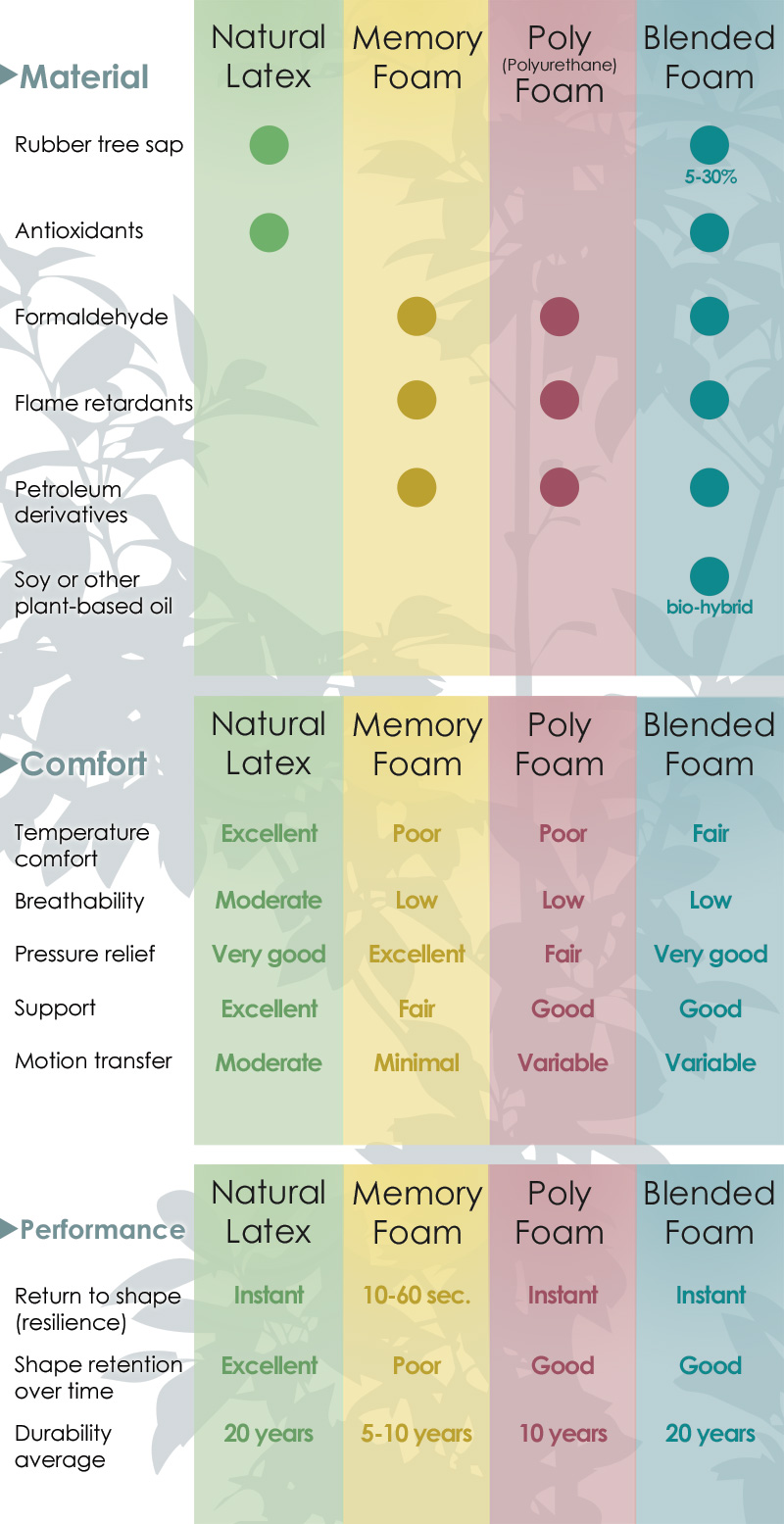
Traditional Japanese floor mattresses are crafted from natural materials that avoid the synthetic chemicals found in many conventional mattresses. Authentic shikibutons are often hand-sewn and stuffed with cotton, free from synthetic materials, flame retardants, plastics, or other chemicals standard in Western mattress production. This natural construction reduces exposure to volatile organic compounds that off-gas from synthetic materials.
For those with allergies or chemical sensitivities, this chemical-free construction offers significant advantages. Organic cotton and wool options further minimize exposure to pesticides. The absence of memory foam, gel infusions, and other synthetic comfort layers means fewer petrochemical-derived materials and less environmental pollution from manufacturing processes.
Reduced Environmental Impact of Simple Construction
Japanese floor mattress construction generates less waste and has lower environmental impact than conventional mattress production. The simple, durable design uses fewer materials overall and avoids the complex layering systems that make conventional mattresses difficult to recycle. When a Japanese futon reaches end of life, its natural components break down more readily than synthetic foam and metal spring systems.
The longevity of quality Japanese futons contributes significantly to environmental benefits. A well-crafted shikibuton provides comfortable, supportive sleep for many years—often a decade or more with proper care—reducing replacement frequency and associated waste. The daily care rituals that extend futon lifespan encourage a more mindful relationship with possessions, reducing the disposable mindset that contributes to environmental degradation.
Final Note: Japanese floor mattresses represent far more than a simple alternative to traditional Western bedding—they embody a comprehensive approach to sleep integrating physical health, mental wellbeing, practical living, and environmental consciousness. From remarkable spinal alignment benefits to space-transforming capabilities and sustainable construction, Japanese futons offer solutions extending well beyond the bedroom. For those seeking better sleep, simpler living spaces, and a more intentional approach to daily life, the Japanese floor mattress provides a time-tested solution refined over centuries of use that can positively impact health, happiness, and home environment for years to come.