You’ve heard latex mattresses offer cloud-like comfort with responsive support, but when you finally sit on one, confusion hits: Is this actually firm? Or am I sinking too much? Unlike memory foam’s uniform sinkage, latex creates a uniquely buoyant feel that leaves most shoppers wondering exactly how firm they should expect. The truth is, how firm a latex mattress is depends entirely on your body type, sleep position, and the specific construction—not some universal rating. Without understanding these variables, you might end up with a mattress that leaves you with back pain or restless nights. This guide cuts through the marketing fluff to show you exactly how to evaluate latex firmness for your body, what to test for in-store, and how to avoid common pitfalls that lead to costly returns.
Why “Firmness” Means Something Completely Different for Latex Mattresses
Latex mattresses don’t compress like memory foam or coil systems, creating what experts call a “resilient firmness” that feels supportive without being rigid. When you sit on quality latex, your body should float on top rather than sinking deeply, distributing weight evenly across your spine. This unique property comes from latex’s natural elasticity—imagine pressing your hand into a rubber ball versus a sponge. The ball pushes back immediately; the sponge collapses slowly. That immediate push-back is why many describe latex as “firm yet yielding.” Crucially, this feel varies dramatically based on whether you’re testing natural Talalay, Dunlop, or blended latex. Dunlop tends to feel denser and more supportive (ideal for back pain sufferers), while Talalay offers a lighter, bouncier surface preferred by side sleepers. Never assume all latex feels the same—always verify the specific type before judging firmness.
How Latex Density Directly Controls Your Firmness Experience
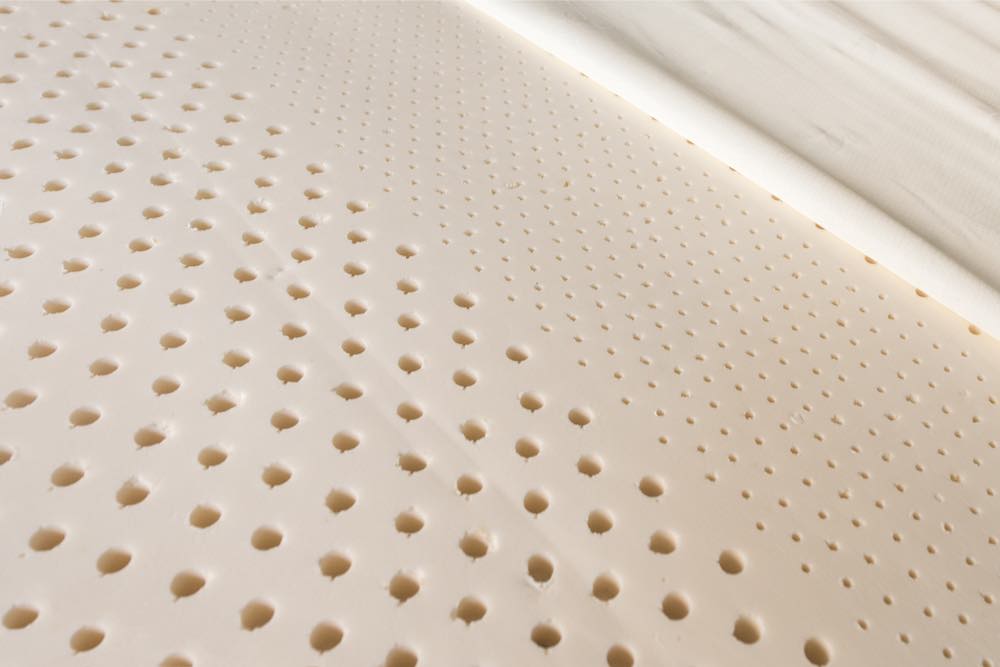
Density measurements in pounds per cubic foot (PCF) are the hidden dial controlling latex firmness, yet most shoppers never check this spec. Here’s what actually matters:
- 3-4 PCF: Ultra-plush feel (rare in pure latex; usually blended)
- 5-6 PCF: Medium-firm sweet spot (most common for Talalay)
- 7-8 PCF: Firm support (typical for Dunlop cores)
- 9+ PCF: Extra-firm (mostly in specialty orthopedic models)
When shopping, ignore vague terms like “medium” on tags—demand the actual density rating. A 5 PCF Talalay layer will feel significantly softer than a 5 PCF Dunlop layer due to manufacturing differences. Pro tip: Stand beside the mattress and press firmly with your palm. Quality latex should spring back instantly without leaving an imprint—slow recovery indicates lower quality or degraded material.
Why Your Weight Changes How Firm Latex Feels (Critical Test!)
Latex firmness isn’t static—it transforms based on your body mass. What feels “firm” to a 130-pound side sleeper might feel “medium” to a 200-pound back sleeper. Use this quick in-store test:
- Lie on your side with knees bent: Your hip and shoulder should sink just enough to keep your spine straight (no diagonal tilt).
- Place a hand under your waist: If it slides freely, the mattress is too firm. If it’s pinched, it’s too soft.
- Roll onto your back: Your lower back should maintain gentle contact with the mattress—not floating in air or jammed against it.
Lighter sleepers (<150 lbs) often need softer latex (4-5 PCF) to achieve proper pressure relief, while heavier individuals (>200 lbs) typically require 6-8 PCF to prevent excessive sinkage. Never trust online reviews that say “perfect for everyone”—your weight changes everything.
Decoding Manufacturer Firmness Claims: What Labels Actually Mean
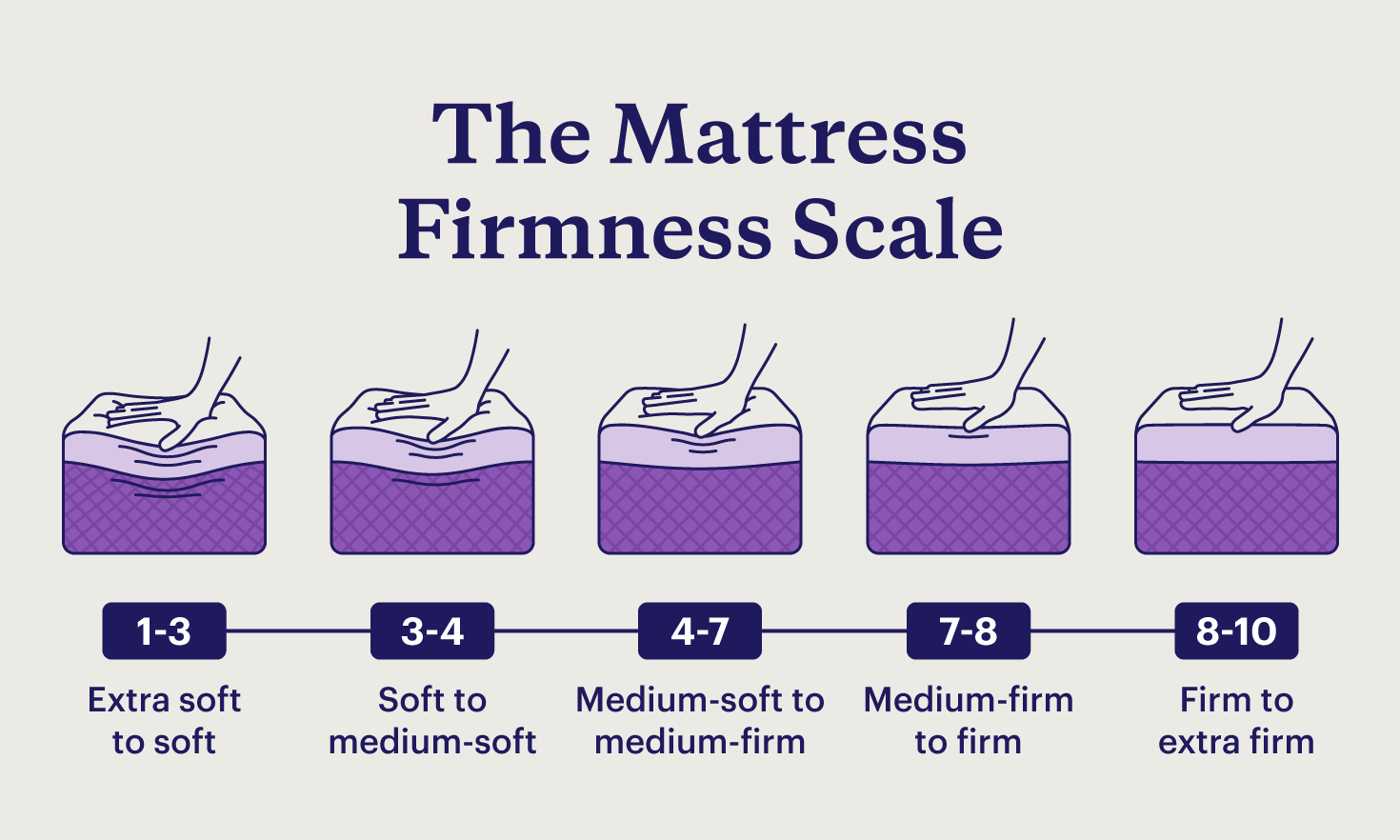
Mattress brands use wildly inconsistent terminology for latex firmness. That “medium-firm” tag could mean anything from 4 PCF to 7 PCF depending on the company. Here’s how to translate marketing speak into real-world feel:
| Label Term | Likely Density Range | Best For | Red Flag Signs |
|---|---|---|---|
| “Plush Support” | 4-5 PCF | Side sleepers <150 lbs | Feels like sinking in foam |
| “Balanced Firm” | 5-6 PCF | Average-weight combo sleepers | No distinct push-back |
| “Orthopedic Firm” | 7-8+ PCF | Back pain sufferers >180 lbs | Creates pressure points |
| “Adaptive Soft” | 3-4 PCF (blended) | Lightweight seniors/pain relief | Slow recovery after pressing |
Always ask for the actual Indentation Load Deflection (ILD) rating—the industry standard measurement where lower numbers indicate softer foam. For latex, 15-25 ILD = soft, 25-35 ILD = medium, 35+ ILD = firm. If a brand refuses to provide ILD/density specs, walk away—transparency is non-negotiable.
Why “Natural” vs. “Synthetic” Latex Changes Firmness Predictability
Natural latex (from rubber trees) maintains consistent firmness across temperatures, while synthetic blends (petroleum-based) often stiffen in cold rooms or soften in heat. This explains why your “perfectly firm” mattress might feel like concrete in winter. Pure natural latex (95%+ rubber content) delivers reliable responsiveness year-round but costs 20-30% more. Blended latex (50/50 natural/synthetic) offers budget-friendly firmness that varies seasonally—acceptable if you live in stable climates. Never buy 100% synthetic latex for firmness-critical needs; it lacks the natural resilience that defines quality latex support.
Your Step-by-Step Firmness Testing Protocol (Do This In-Store!)
Skipping proper testing is why 41% of latex mattress returns happen within 30 days. Follow this exact sequence to avoid buyer’s remorse:
The 10-Minute Pressure Point Assessment
-
Remove shoes and lie on your side for 5 minutes (set phone timer).
– ✅ Good sign: Hip/shoulder feel cushioned without “hot spots”
– ❌ Warning: Numbness in shoulders or hip pressure after 2 minutes -
Roll to back position with arms at sides for 3 minutes.
– ✅ Good sign: Natural lumbar curve maintained
– ❌ Warning: Lower back arches away from mattress -
Perform the “log roll” test: Rotate smoothly from side to side.
– ✅ Good sign: Effortless movement without “sticking”
– ❌ Warning: Feels like rolling through wet cement -
Check edge support by sitting sideways on the edge.
– ✅ Good sign: Minimal compression (less than 1 inch)
– ❌ Warning: Feels like sliding off a boat
Bring a pillow matching your current one—your neck alignment changes how firmness feels. If the store won’t let you test 10+ minutes, go elsewhere; quality retailers encourage extended trials.
How to Test Latex Firmness Online (Without In-Store Access)
When buying online, these verification steps prevent firmness disasters:
- Demand video proof of the specific latex layer being compressed (not stock footage)
- Verify trial period covers firmness dissatisfaction (not just defects)
- Ask for ILD specs by layer—reputable brands provide this via email
- Check return shipping costs—heavy latex mattresses often incur $200+ fees
- Read reviews mentioning “firmness” AND your weight range (filter by 150-180 lbs if applicable)
Never rely on “firmness scales” (1-10 ratings) in product descriptions—they’re meaningless without density context. A “7/10 firm” could be 5 PCF or 7 PCF depending on the brand.
Critical Firmness Mistakes That Cause Back Pain and Poor Sleep
Assuming “Firmer = Better Support” (The #1 Error)
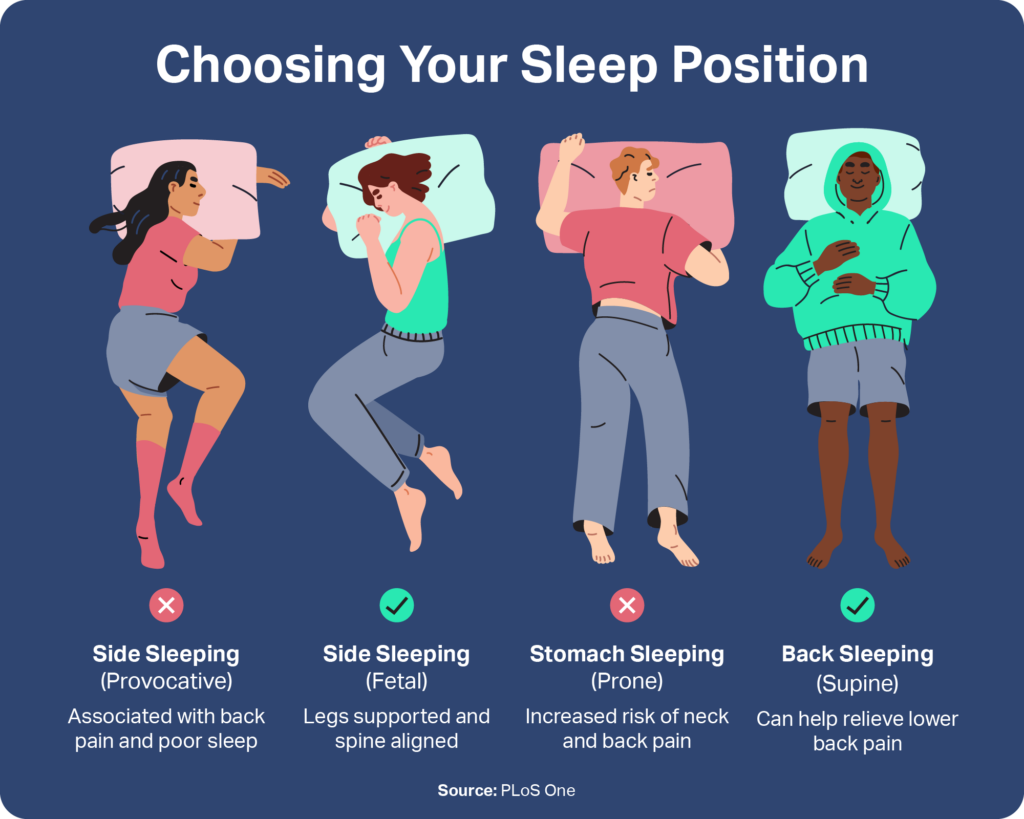
Many back pain sufferers grab the hardest latex mattress available, only to develop new pressure points. True spinal support comes from even weight distribution, not rock-hard surfaces. If you can’t create a slight impression where your hips/shoulders rest, your spine stays misaligned all night. This is especially dangerous for side sleepers—your joints need 1-2 inches of controlled sinkage to stay neutral.
Ignoring Your Foundation’s Firmness Impact
Your bed frame or base changes latex firmness by up to 30%. Slats spaced over 3 inches apart create hammocking that makes even firm latex feel soft. Solid platforms add rigidity that can turn medium latex uncomfortably hard. Always test the mattress on the exact foundation you’ll use at home. Pro tip: Add a 1/2″ plywood sheet under latex on slatted bases to prevent excessive give.
Adjusting Firmness After Purchase: Topper and Maintenance Hacks
When a Mattress Topper Actually Fixes Firmness Issues
Most shoppers buy toppers that make problems worse. For latex, only these solutions work:
- Too firm? Use a 2-3″ wool topper (not memory foam!)—its natural loft adds pressure relief without smothering latex’s responsiveness.
- Too soft? Place a 1/2″ latex topper firmer than your base mattress (e.g., 7 PCF over 5 PCF) to add supportive layers.
- Never use memory foam toppers—they block latex’s breathability and create sinking zones.
Replace toppers every 18 months; compressed fibers lose adjustment power.
Daily Habits That Preserve Latex Firmness Long-Term
Latex naturally softens 5-10% in the first year. Counteract this with:
- Rotate head-to-foot monthly (even if “flippable” isn’t advertised)
- Avoid direct sunlight—UV rays degrade latex elasticity within 6 months
- Use a breathable mattress protector (vinyl traps heat that breaks down latex)
- Never jump on the bed—excessive impact fractures latex cells permanently
Check firmness quarterly by pressing your fist into the center. If it leaves a 1-inch+ dent that takes >10 seconds to rebound, the latex is degrading.
Final Note: How firm a latex mattress is depends entirely on your interaction with it—not a static number. By prioritizing density specs over marketing terms, testing pressure points for 10+ minutes, and matching PCF ratings to your weight, you’ll find that elusive “just right” feel. Remember: quality latex should feel like a supportive handshake—yielding enough to cradle your curves but firm enough to bounce you back upright. When in doubt, choose slightly firmer (6-7 PCF) for longevity; you can always add a topper, but you can’t reverse a mattress that’s too soft. For ongoing maintenance, rotate quarterly and avoid heat exposure to keep that resilient firmness for 15+ years. Your perfect sleep surface isn’t about universal firmness—it’s about personalized responsiveness that adapts to you, night after night.