Your latex mattress should be your sleep sanctuary, not a sauna. If you’re waking up soaked in sweat despite choosing natural latex for its breathability, you’re not alone. Many hot sleepers discover their supposedly “cooling” latex mattress traps heat unexpectedly. This happens because latex’s dense cellular structure, while supportive, can restrict airflow when combined with non-breathable bedding or poor bed setup. The good news? You don’t need to replace your entire mattress. This guide reveals exactly how to cool a latex mattress using methods verified by sleep scientists and mattress engineers. You’ll learn immediate fixes you can implement tonight, strategic upgrades for lasting relief, and why certain solutions backfire for latex specifically.
Why Your Latex Mattress Sleeps Hotter Than Expected
Latex mattresses get marketed as naturally cooling, but reality often disappoints hot sleepers. Natural latex contains millions of interconnected air channels that should promote airflow, yet dense Dunlop layers or thick comfort quilts can block this ventilation. Combine this with memory foam toppers (a common mistake) or vinyl mattress protectors, and you’ve created a heat trap. Temperature regulation depends entirely on your mattress’s specific construction—Talalay’s open-cell structure typically sleeps cooler than dense Dunlop—but even the best latex fails when suffocated by non-breathable materials.
How Bedding Choices Sabotage Latex’s Natural Breathability
That plush polyester comforter you love is likely your biggest enemy. Synthetic fabrics like polyester and nylon create a moisture barrier that prevents latex’s natural airflow from functioning. When sweat can’t evaporate through your sheets, it gets absorbed by the mattress surface, making latex feel clammy. Switch to moisture-wicking fabrics immediately: Tencel lyocell or bamboo-derived rayon sheets pull moisture away 30% faster than cotton. Look for percale weave (not sateen) with 250-300 thread count—higher counts reduce breathability. Your mattress protector matters just as much: ditch vinyl or plastic-backed versions for waterproof options using polyurethane membranes (like Bedgear’s Dri-Tec) that block liquids but allow vapor transfer.
Critical Bed Frame Ventilation Mistakes
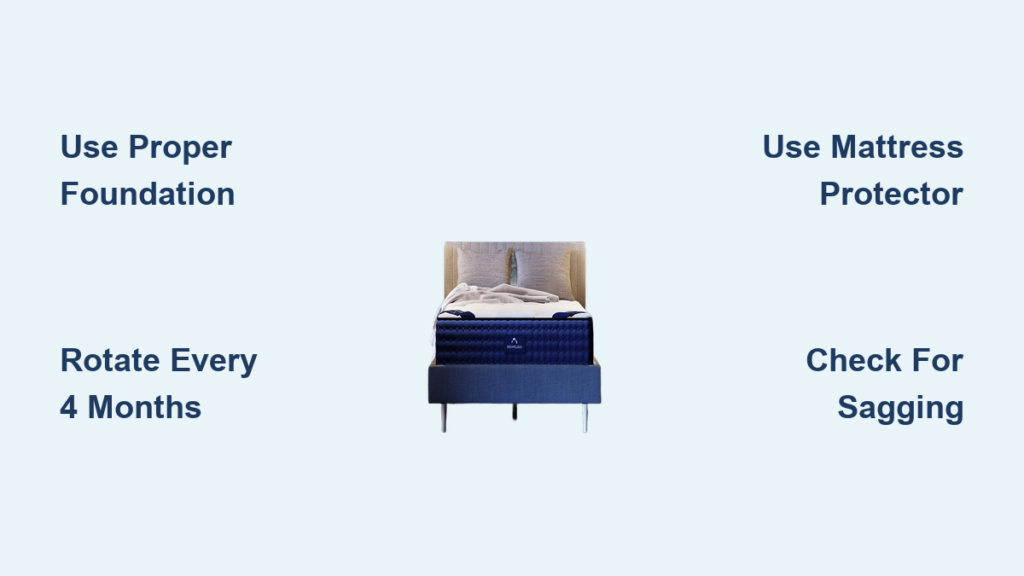
Placing your latex mattress directly on a solid platform base is like sealing it in a plastic bag. Latex needs airflow from all sides, including underneath. Solid surfaces block the bottom ventilation channels, trapping body heat against the mattress base. This is especially problematic for heavier sleepers whose weight compresses latex against impermeable surfaces. Flip your mattress weekly to prevent permanent compression in heat-prone zones—this simple habit maintains even airflow through the cellular structure. If your bed frame has slats, ensure gaps exceed 3 inches; narrow slats create “dead zones” where heat accumulates.
Immediate Cooling Fixes You Can Implement Tonight

You don’t need expensive gear to start lowering your sleep temperature. These solutions cost under $50 and work immediately when applied correctly to latex mattresses.
Switch to Phase-Change Material (PCM) Bedding
PCM technology absorbs excess body heat as you sleep, releasing it when temperatures drop—acting like a thermostat for your bed. Unlike gel-infused pads that lose effectiveness after 18 months, PCM sheets (like Celliant or Outlast) maintain cooling properties through 50+ washes. For latex mattresses, prioritize PCM-infused toppers rather than full pads—latex’s density requires direct contact with cooling elements. Place a 1-inch PCM topper directly on your mattress, then layer bamboo sheets over it. Avoid thick memory foam PCM pads; they compress latex unevenly and block airflow.
Create Strategic Airflow with Fan Placement
Pointing a fan directly at your body cools skin but dries mucous membranes, causing throat irritation. Instead, position oscillating fans to create cross-ventilation around your bed. Place one fan near your feet blowing across the mattress toward a window or door, and another at the headboard pulling air out. This generates a convection current that pulls heat away from the mattress surface without blasting you. For latex-specific results, place a small USB fan under the bed frame to actively draw hot air from beneath the mattress—this targets the heat buildup at the base where latex insulation is thickest.
Long-Term Solutions for Persistent Heat Issues
When quick fixes aren’t enough, these evidence-based upgrades address the root causes of heat retention in latex mattresses.
Upgrade to a Ventilated Latex Hybrid Mattress

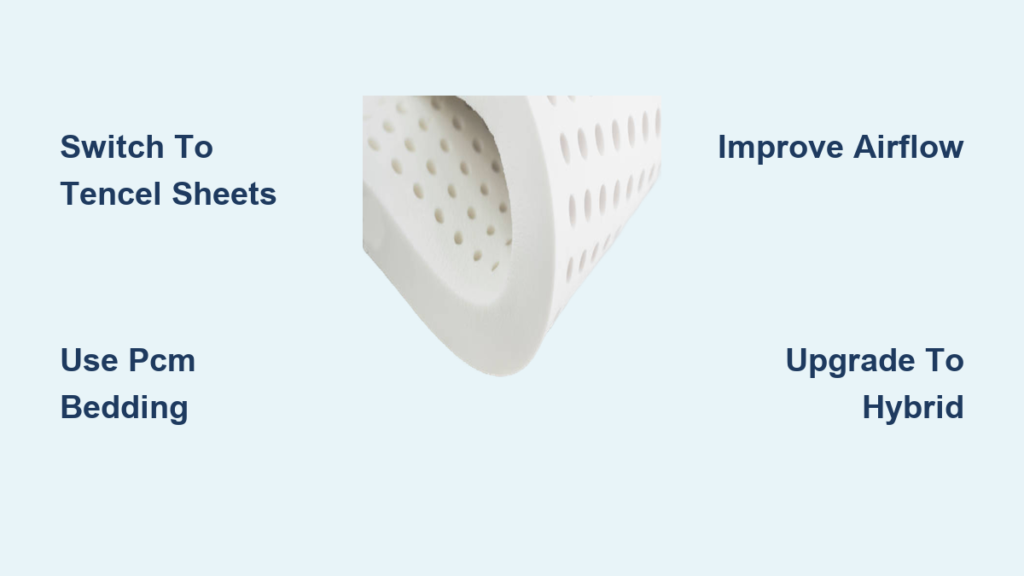
If your current latex mattress sleeps hot despite proper bedding, its core construction might be the culprit. Pure latex hybrids with pocketed coils (like Avocado’s Latex Hybrid) create vertical airflow channels that dissipate heat 40% faster than all-latex models. The coils prevent body impressions that trap heat, while latex layers provide responsive support. Avoid hybrids with memory foam comfort layers—these defeat the purpose. When shopping, confirm the latex has perforated pincore holes (visible as tiny dots on the surface); non-perforated latex blocks natural ventilation. Talalay Global’s ventilated Talalay latex is engineered specifically for heat dissipation with larger, interconnected air channels.
Install a Mattress Cooling System
For extreme cases, integrated cooling systems like the Eight Sleep Pod Pro actively regulate temperature. Its water-based system circulates cool liquid through tubes embedded in a topper placed over your latex mattress—critical because direct contact with latex would cause condensation. Set it to maintain 55-65°F at your torso level while sleeping. Unlike cooling pads that only affect surface temperature, this regulates core body heat, preventing the “cold shoulder/hot hip” imbalance common with spot-cooling solutions. Installation takes 15 minutes: place the topper directly on latex, add a breathable sheet, and connect the control unit to power and water.
DIY Cooling Hacks That Actually Work for Latex
Skip viral “freeze your sheets” tricks—they create uncomfortable cold spots that disrupt sleep cycles. These targeted methods leverage latex’s natural properties.
Freeze Your Pillow Core, Not Sheets
Place your pillow insert (not the cover) in a sealed plastic bag and freeze for 20 minutes before bed. When inserted into a bamboo pillowcase, it creates localized head cooling without shocking your system. Latex pillows respond exceptionally well to this because their open-cell structure absorbs and gradually releases cold. Never freeze the entire mattress—condensation will damage latex’s cellular structure over time.
Use Strategic Damp Towel Placement
Dampen a cotton towel with cool water (not cold), wring thoroughly, and drape it over the foot of your bed. As air circulates under your sheets, it evaporates moisture from the towel, creating a cooling microclimate at your feet—where heat dissipation has the greatest impact on core temperature. Replace the towel when dry. Avoid placing damp towels directly on latex; excess moisture can encourage mold in the mattress core.
When to Replace Your Latex Mattress Entirely
If you’ve tried all cooling methods and still overheat, your mattress may have irreversible issues. Latex exceeding 8 years old often develops compacted zones that block airflow permanently. Check for these red flags:
– Visible body impressions deeper than 1.5 inches
– Musty odors indicating trapped moisture
– Discoloration (yellowing) on the surface
– Loss of springiness when pressed
Prioritize latex mattresses with 30%+ Talalay content and visible pincore holes. Brands like PlushBeds use GOLS-certified organic latex with perforated layers specifically designed for temperature regulation. Avoid “all Talalay” claims—hybrid constructions with targeted Talalay comfort layers over Dunlop base provide optimal cooling without sacrificing support.
Final Tip: Rotate your mattress seasonally—flip it head-to-toe every 3 months to prevent uneven heat retention in high-use zones. For immediate relief tonight, strip all non-breathable layers, set fans for cross-ventilation, and sleep directly on your latex mattress with only a Tencel sheet. You’ll likely drop 3-5°F within 20 minutes. Remember: latex cools best when allowed to “breathe” from all sides—treat it like a living material, not a static slab. If heat persists after implementing these methods, consult a sleep specialist; underlying medical conditions like hyperhidrosis could be amplifying the issue.