
Waking up with back pain or restless sleep can often be traced to an unsupportive mattress. If your bed has lost its cushioning or feels too firm, a foam mattress topper offers an affordable solution without replacing your entire mattress. Millions of sleepers have transformed uncomfortable beds by adding the right foam topper, but improper installation negates these benefits. Many users make critical mistakes that reduce comfort and shorten the topper’s lifespan—like skipping the essential 24-48 hour expansion period or using incompatible bedding. This guide gives you exact steps to properly select, prepare, and maintain your foam mattress topper so you experience maximum pressure relief and temperature regulation from night one. You’ll learn how to avoid common setup errors that cause premature sagging and discover why proper placement determines whether your topper extends your mattress life or creates new sleep problems.
Choosing the Right Foam Topper for Your Sleeping Position

Determine Your Ideal Thickness Based on Mattress Firmness
Side sleepers require 3-4 inches of foam to cushion hips and shoulders, while back and stomach sleepers typically need only 2-3 inches for proper spinal alignment. Measure your existing mattress firmness first—a medium-firm base pairs best with a 3-inch plush topper, whereas a very firm mattress needs at least 4 inches of soft foam. Never place a topper thicker than 4 inches on an already soft mattress, as this creates excessive sinkage that strains your spine. For adjustable beds, select a 2-3 inch topper with convoluted (egg-crate) foam that bends without cracking.
Identify Critical Foam Density Specifications
Check product labels for ILD (Indentation Load Deflection) ratings between 10-15 for soft comfort or 15-25 for firm support—this determines how much your body sinks into the foam. Higher density foam (3-5 pounds per cubic foot) lasts longer but costs more, while budget options under 3 pounds compress within 6-12 months. Avoid “memory foam” labels without CertiPUR-US certification, as these often contain off-gassing chemicals that cause headaches. For temperature control, select open-cell foam with gel infusions if you sleep hot, or traditional memory foam if you get cold at night.
Unboxing and Expansion: Critical First Steps
Execute Proper Unpacking Sequence to Prevent Damage
Cut packing straps horizontally across the box—not vertically—to avoid slicing the vacuum-sealed bag. Remove the topper gently without tugging, then slice the plastic wrap lengthwise with scissors (never knives). Immediately unroll the foam on your bare mattress—never leave it compressed in the box beyond 72 hours, as this causes permanent creasing. If your topper arrives folded, place it seam-side down during unrolling to hide eventual fold marks.
Monitor Expansion Timeline for Optimal Performance
Allow 24 hours for full expansion in rooms above 65°F (18°C)—colder temperatures slow the process to 48-72 hours. Never sleep on the topper before complete expansion, as body weight creates permanent indentations in partially expanded foam. During expansion, you’ll notice a mild chemical smell from off-gassing; ventilate the room for 12 hours but avoid direct sunlight, which degrades foam cells. Check expansion progress by pressing your palm into the center—if it springs back within 5 seconds, it’s ready for use.
Securing Your Topper to Prevent Slippage

Apply Non-Slip Solutions That Won’t Damage Foam
Attach a fitted sheet with elasticized corners over both mattress and topper to anchor them together—never use double-sided tape directly on foam, as adhesive residue ruins the surface. For severe slippage, place a non-slip rug pad (not rubber mats) between mattress and topper, trimming it 2 inches smaller than your bed dimensions. If using a mattress protector, choose one with silicone grip strips along the edges rather than full-backing, which traps moisture against the foam.
Position Topper Correctly for Edge Support
Center the topper so it extends 1-2 inches beyond your mattress edges on all sides—this prevents “roll-off” when sleeping near bed borders. Never tuck the topper under mattress corners, as this strains foam cells and creates uncomfortable pressure points. For split king beds, use two separate toppers instead of one oversized piece to maintain independent movement.
Bedding Adjustments for Topper Compatibility
Select Mattress Protectors That Maintain Breathability
Choose waterproof protectors made of bamboo-derived viscose instead of vinyl, which traps heat against the foam. Ensure protector seams run parallel to bed length—perpendicular seams create uncomfortable ridges under the topper. Test protector compatibility by placing it under your palm on the topper; if you feel stitching texture, it’s too thin and will compress foam unevenly.
Adjust Sheet Tension to Avoid Topper Distortion
Use deep-pocket sheets (18+ inches) designed for mattress toppers—standard sheets stretch tightly over the added height, pulling the topper out of alignment nightly. When making your bed, smooth sheets from head to foot in one direction only; crisscross tugging shifts the topper beneath. Replace old elasticized sheets annually, as weakened bands create constant shifting that misaligns the foam layer.
Maintenance Routine to Extend Topper Lifespan

Implement Weekly Rotation Protocol
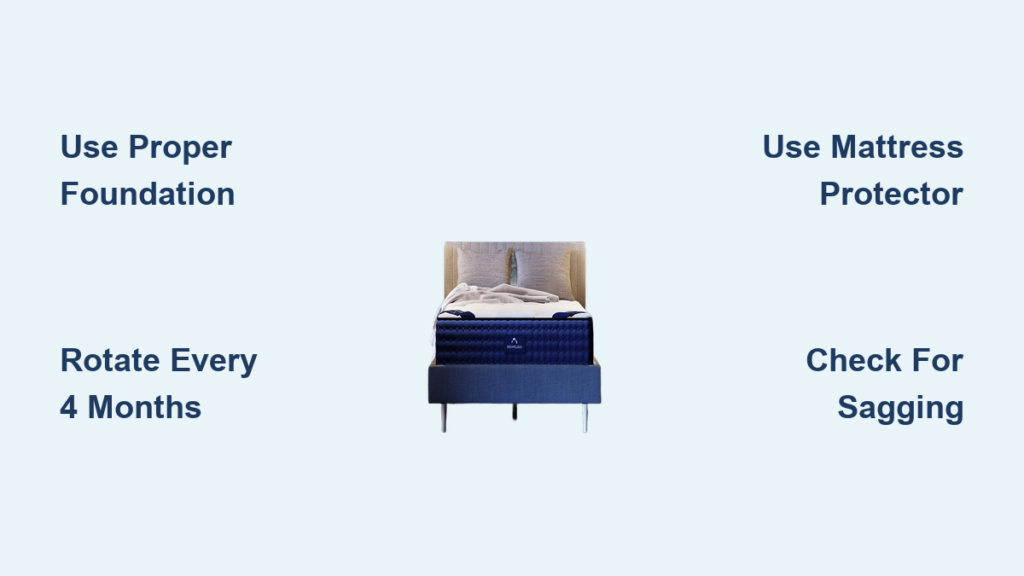
Rotate your topper 180 degrees every Sunday to distribute body impressions evenly—never flip it, as the comfort layer isn’t designed for bottom-side use. For queen/king sizes, also swap head-to-foot positioning monthly to prevent permanent shoulder/hip indentations. Always lift the topper rather than dragging it during rotation to avoid tearing foam cells.
Address Stains Without Damaging Foam Structure
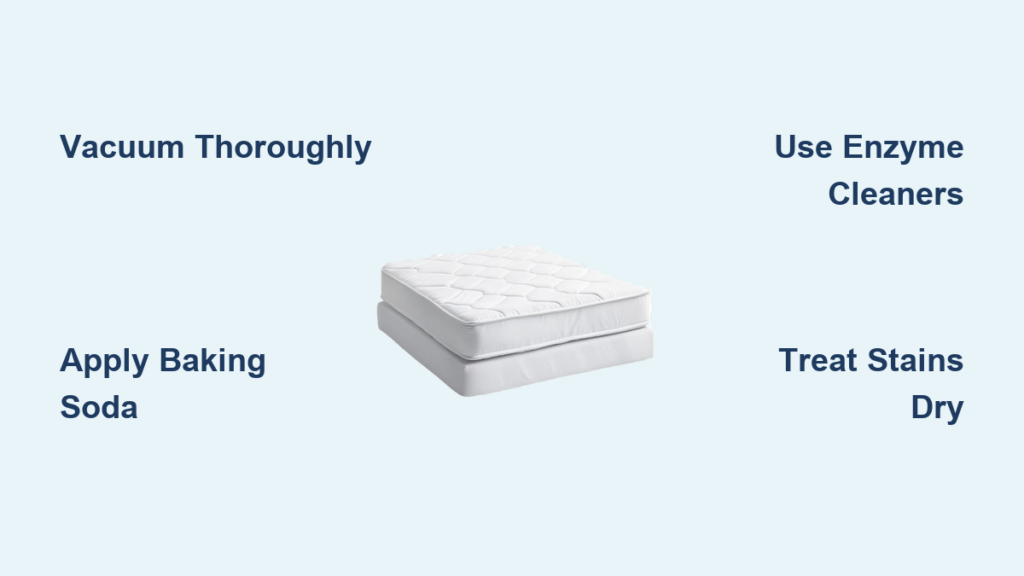
Blot spills immediately with a microfiber cloth—never rub, as this pushes liquids deeper. For protein stains (sweat, urine), mix 1 tbsp enzyme cleaner with 2 cups cold water and dab gently. Avoid steam cleaners or soaking, which degrade foam integrity. After cleaning, place the topper vertically against a wall for 12 hours to dry completely before reuse.
Troubleshooting Common Topper Issues
Fix Sudden Firmness Changes Within 30 Days
If your topper feels harder after initial use, check room temperature—foam naturally firms below 65°F. Place a heating pad on LOW under the topper for 20 minutes before bed during colder months. For persistent hardness, your body weight may be too light for the foam density; exchange for a lower ILD rating within the store’s trial period.
Resolve Persistent Body Impressions After 6 Months
Rotate the topper more frequently (every 3 days) and place plywood boards under the mattress to reinforce sagging areas. For impressions deeper than 1.5 inches, flip your mattress if it’s double-sided, or replace the base mattress if indentations exceed 2 inches—no topper can compensate for severe foundation failure.
When Your Topper Needs Replacement
Recognize Irreversible Wear Indicators
Replace your topper when permanent body impressions exceed 50% of its original thickness, or when foam feels lumpy with broken cell structure. Most quality toppers last 3-5 years; if you notice increased motion transfer or wake with more aches than before, it’s time for a new one. Never attempt to “refresh” degraded foam with baking soda treatments—they accelerate breakdown by drying out the material.
Final Note: Proper foam mattress topper usage transforms uncomfortable sleep surfaces while extending your mattress lifespan by 2-3 years. By following these precise setup protocols and maintenance routines, you’ll maximize pressure point relief and avoid common pitfalls that shorten topper effectiveness. Remember to rotate weekly, use compatible bedding, and allow full expansion before use—these simple steps ensure consistent comfort night after night. For optimal results, pair your topper with breathable bamboo sheets and a supportive pillow that maintains spinal alignment with your new sleep surface.