You’ve noticed your wool mattress topper has lost its plush, airy quality and settled into a flat, compressed state. This common issue affects many wool bedding owners who wonder why their once-cushy topper no longer provides that luxurious feel. Without proper maintenance, wool fibers naturally compress over time from regular use, diminishing both comfort and the material’s natural temperature-regulating properties. This guide addresses the specific challenge of restoring volume to your wool mattress topper using appropriate techniques that respect the delicate nature of wool fibers.
Unlike synthetic materials, wool requires special care approaches that account for its unique structure and properties. Standard fluffing methods suitable for down or polyester fillings could potentially damage wool fibers if applied incorrectly. When done properly, restoring your wool topper’s loft extends its lifespan, maintains breathability, and preserves its natural moisture-wicking capabilities. By the end of this guide, you’ll understand the appropriate techniques to safely revitalize your wool mattress topper without causing fiber damage or felting.
Why Wool Mattress Toppers Lose Their Fluffiness Over Time
Wool mattress toppers naturally compress from consistent body weight and pressure during sleep. Unlike memory foam that slowly rebounds, wool fibers require intentional intervention to restore their original springiness. The interlocking scales on wool fibers can gradually mat together when subjected to prolonged compression, reducing air pockets that create that desirable lofty feel. This compression becomes more pronounced if the topper remains undisturbed for extended periods or experiences high humidity conditions that affect fiber resilience.
How Wool Fiber Structure Affects Compression
Wool fibers have a natural crimp that creates tiny air pockets essential for temperature regulation and cushioning. When these fibers become compressed, the air pockets diminish, reducing the topper’s insulating properties. Unlike synthetic fibers that may permanently lose shape, wool can typically recover its structure with proper care techniques that work with the fiber’s natural elasticity rather than against it. Understanding this unique property is crucial before attempting any restoration methods.
Environmental Factors That Accelerate Flatness
High humidity environments cause wool fibers to absorb moisture, making them heavier and more prone to compression. Similarly, storing your topper folded rather than rolled creates permanent creases that resist fluffing efforts. Direct sunlight exposure can also degrade wool fibers over time, reducing their natural spring. Recognizing these environmental factors helps prevent premature flattening and informs your maintenance approach.
Proper Manual Techniques for Restoring Wool Topper Volume
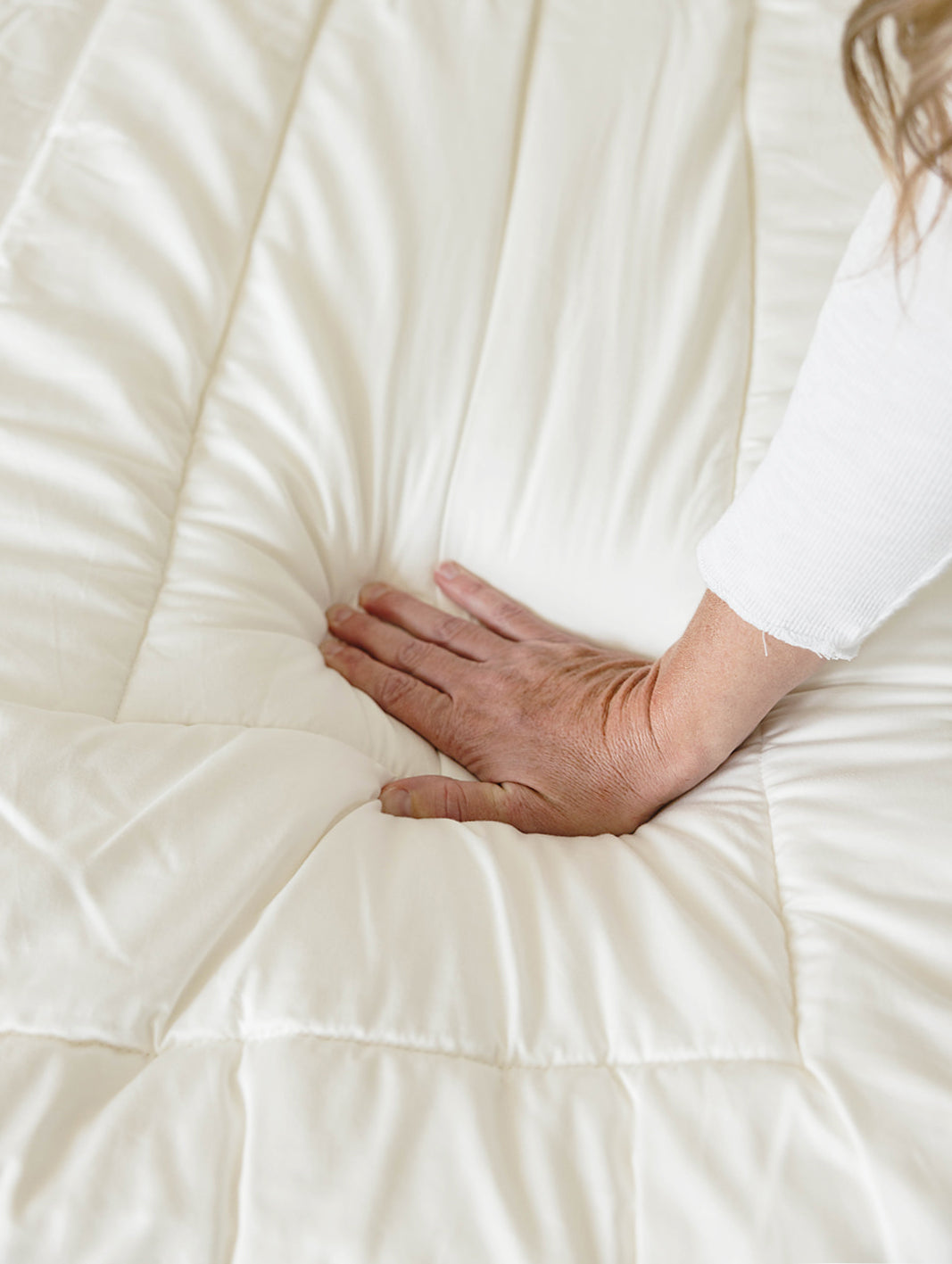
Hand Fluffing Methods That Work With Wool’s Natural Properties
Begin by removing all bedding and laying your topper flat on a clean surface. Using both hands, gently grasp opposite edges and slowly shake the topper in a side-to-side motion for 2-3 minutes. This initial shaking helps loosen surface fibers without stressing the material. Next, use a kneading motion with flat palms, working systematically across the entire surface in 12-inch sections. Apply light pressure—just enough to feel the fibers moving beneath your hands. Complete this process by lifting opposite corners and giving the topper a gentle bounce to redistribute fibers.
Critical mistake to avoid: Never use vigorous beating or punching motions, as these can felt the wool fibers together, making matting worse rather than better. Wool responds best to patient, rhythmic movements that mimic natural fiber movement.
Strategic Sun Exposure for Natural Fiber Revitalization

Select a dry, breezy day with indirect sunlight (avoiding harsh midday rays). Lay your topper flat on a clean surface outdoors, ensuring both sides receive equal exposure. Limit initial sessions to 30-60 minutes per side, gradually increasing as you observe the fibers responding. The combination of gentle warmth and airflow helps fibers release trapped moisture while encouraging them to return to their natural crimped state. Bring the topper indoors before evening humidity rises, and immediately perform light hand fluffing to lock in the restored volume.
Tools That Help Without Damaging Wool Fibers

Appropriate Implements for Gentle Fiber Manipulation
A clean, soft-bristled clothes brush works effectively for surface fibers without snagging. Use light, sweeping motions following the natural direction of the fibers (typically head-to-foot on mattress toppers). For deeper compression, a rubber grooming mitt designed for pet hair can provide gentle agitation that loosens matted areas without pulling fibers. In a pinch, crumpled aluminum foil smoothed into a paddle shape offers temporary texture for working stubborn areas—just ensure no sharp edges remain.
Never use: Wire brushes, stiff brooms, or vacuum cleaner attachments with rotating beater bars, as these will felt and damage wool fibers permanently.
Vacuum Techniques That Remove Compression Without Fiber Damage
Set your vacuum to the lowest suction setting and use only the soft brush attachment. Hold the vacuum slightly above the surface rather than pressing directly onto the wool. Move slowly in one direction, then repeat perpendicular to your first pass. This method removes settled dust that contributes to heaviness while encouraging fibers to stand upright. Limit vacuuming to once monthly as part of regular maintenance, not as a primary fluffing technique.
Maintenance Schedule for Long-Term Loft Preservation
Daily and Weekly Practices That Prevent Excessive Compression
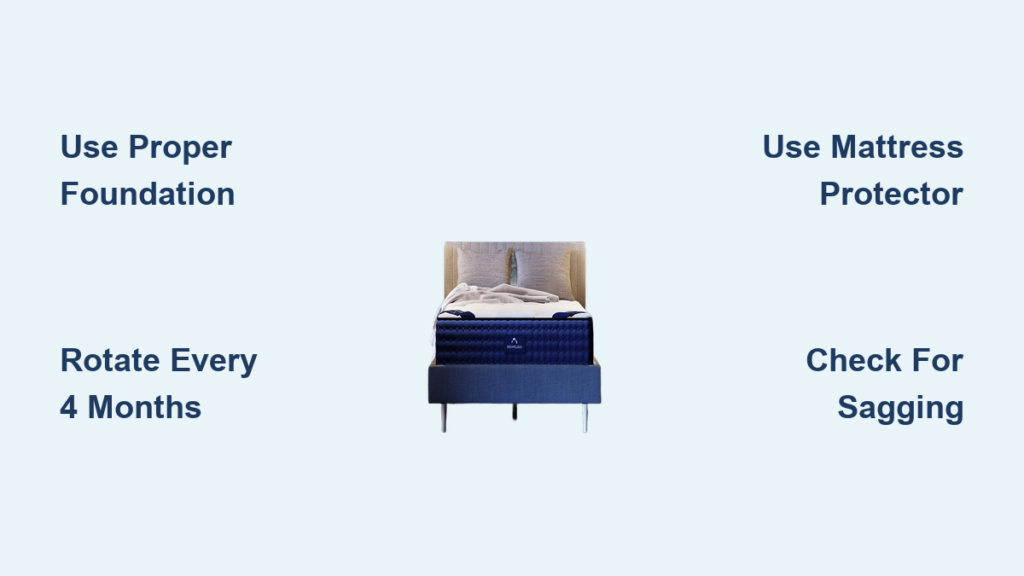
Rotate your topper 180 degrees weekly to distribute compression evenly across the surface. Allow your bed to air out for 15-20 minutes each morning before making it, giving fibers time to expand naturally. When changing sheets, lift rather than drag them across the surface to minimize fiber disturbance. These small habits collectively reduce the need for intensive restoration sessions.
Seasonal Deep Care Routine for Wool Mattress Toppers
Every three months, perform a thorough revitalization session: First, air the topper outdoors as described previously. Then, gently work through the entire surface with your hands, focusing on high-compression areas like hip and shoulder zones. Finish by placing the topper on your mattress without sheets for 24 hours to allow complete fiber recovery before resuming regular use. This seasonal rhythm maintains consistent loft without overwhelming the fibers.
Troubleshooting Common Wool Topper Issues
Addressing Persistent Flat Spots That Resist Standard Methods
For stubborn compressed areas, create a moisture chamber by placing a damp (not wet) towel over the problem spot for 10-15 minutes. The controlled humidity relaxes wool fibers, making them more responsive to gentle manipulation. After removing the towel, immediately work the area with your hands using light circular motions. Follow with brief air exposure to set the restored structure. This technique leverages wool’s hygroscopic properties without introducing damaging moisture levels.
Preventing and Correcting Fiber Felting During Fluffing
If fibers begin to felt (mat together into a solid mass), stop all manipulation immediately. Lightly mist the area with distilled water and place a clean cotton cloth over the spot. Gently rub with your fingers until fibers loosen. Allow to air dry completely before attempting further fluffing. Prevention is key—always use minimal moisture and avoid aggressive rubbing that causes fibers to interlock permanently.
When to Seek Professional Wool Care Services
While most compression issues can be resolved with proper home techniques, certain situations require professional attention. If your topper shows signs of permanent matting across more than 30% of its surface, or if fibers feel brittle and break easily during gentle handling, professional wool restoration services may be necessary. These specialists use industrial equipment designed specifically for wool fiber care that achieves results impossible with home methods. Investing in professional care every 2-3 years extends your topper’s lifespan significantly compared to attempting aggressive home remedies that could cause irreversible damage.
Long-Term Wool Topper Care Strategies
Establish a consistent rotation schedule where you flip your topper monthly and rotate it seasonally. Store unused toppers rolled (never folded) in breathable cotton bags away from direct light. Keep humidity levels between 40-60% in your bedroom to maintain optimal fiber resilience. With proper care, a high-quality wool mattress topper can maintain its loft and comfort for 5-7 years, providing excellent value through consistent temperature regulation and pressure relief. Regular, gentle maintenance prevents the need for intensive restoration sessions, keeping your sleep surface consistently supportive and comfortable.
Final Note: Wool’s natural properties make it an exceptional material for mattress toppers when cared for properly. By understanding how to work with rather than against wool’s unique fiber structure, you can maintain that luxurious, cloud-like feel for years. Remember that patience yields better results than aggressive techniques—wool responds best to gentle, consistent care that respects its natural characteristics.