Moving a Tempur-Pedic mattress presents unique challenges that differ significantly from moving traditional innerspring mattresses. These premium memory foam mattresses typically weigh between 100-200 pounds depending on size and model, making them extremely difficult to maneuver without proper technique. Their specialized TEMPUR material becomes rigid in cold temperatures and overly soft in heat, increasing vulnerability to permanent damage during transport. Improper handling can compress the foam cells beyond recovery or create permanent indentations that compromise the mattress’s pressure-relieving properties. This guide delivers precise, manufacturer-aligned techniques to safely transport your Tempur-Pedic mattress while preserving its structural integrity and warranty coverage.
Choose the Right Mattress Protection System
Select Premium Memory Foam Mattress Bags Over Standard Plastic
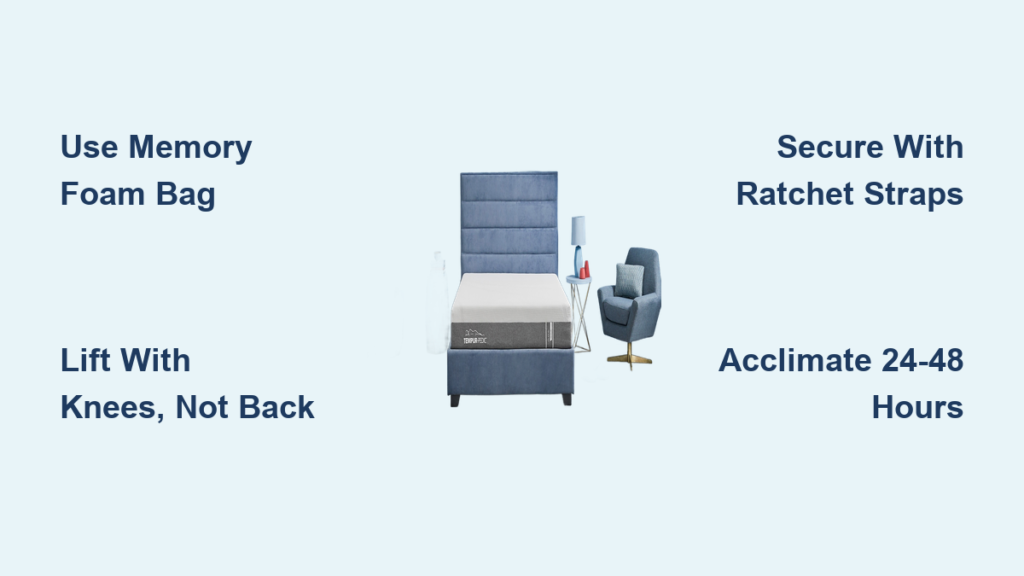
Standard plastic mattress bags designed for innerspring mattresses won’t protect your Tempur-Pedic during relocation. Invest in specialized memory foam mattress bags with reinforced seams and breathable material that prevents moisture buildup while allowing the foam to maintain its cellular structure. These premium bags feature heavy-duty zippers rather than flimsy plastic seals and measure at least 3-4 inches larger than standard bags to accommodate the mattress’s thickness without compression. When securing the bag, use wide packing tape along all seams but avoid wrapping tape directly around the mattress, which can create pressure points in the foam.
Avoid Common Mattress Bagging Mistakes That Damage Foam
Never attempt to roll or fold your Tempur-Pedic mattress to fit into a standard bag—this creates permanent creases in the memory foam that won’t recover. Similarly, don’t use multiple layers of plastic wrap, as this traps moisture against the foam surface, potentially causing mildew growth during transit. If you notice your mattress developing a slight odor after bagging (common with memory foam), leave it unzipped in a well-ventilated room for 24 hours before sealing completely. This allows any residual moisture to evaporate while preventing chemical off-gassing from creating permanent smells trapped inside the bag.
Execute Proper Lifting Techniques for Heavy Mattresses

Position Your Body Correctly to Prevent Injury
With Tempur-Pedic mattresses weighing up to 200 pounds, improper lifting technique risks both back injury and mattress damage. Always bend at your knees rather than your waist, keeping your back straight and core engaged. Position yourself close to the mattress edge with feet shoulder-width apart for stability. When lifting, push upward with your legs while maintaining a firm grip on the mattress edges—never grab the sides where the foam is most vulnerable to compression damage. For mattresses over 150 pounds, use a four-person lift with two people on each side to distribute weight evenly across the foam surface.
Coordinate Team Movements for Complex Transitions
When navigating tight spaces or stairs, establish clear verbal commands before lifting. Designate one person as the “lead spotter” who directs movement with simple phrases like “lift on three,” “step left,” or “pause.” This person should always face the direction of travel while other team members face inward toward the mattress. On stairs, position the heaviest part of the mattress (usually the foot) slightly higher than the head during descent to maintain balance. For ascents, reverse this positioning. Move in slow, synchronized steps—never rush—taking frequent short breaks to prevent fatigue-related accidents.
Navigate Stairs with Professional-Level Precision
Master the Stair Descent Technique for Memory Foam Mattresses
Descending stairs with a Tempur-Pedic requires a specific approach that differs from standard furniture moving. Rather than carrying the mattress flat, tilt it at a 15-20 degree angle with the top edge slightly forward. This creates a natural pivot point that reduces strain on both movers and mattress. The two top carriers should maintain a firm grip on the top corners while the bottom two support the mattress lengthwise. Move down one step at a time with the lead carrier watching for obstacles while calling out each step. Keep the mattress as close to vertical as possible without touching the wall to prevent scuffing.
Handle Tight Corners and Narrow Hallways Without Damage
When encountering 90-degree turns in hallways, rotate the mattress rather than attempting to slide it around the corner. Position the mattress diagonally across the hallway at the turn point, then have your team pivot simultaneously while maintaining even pressure across the entire surface. For particularly tight spaces, temporarily remove door hardware to gain additional clearance—most interior doors provide 2-3 extra inches when removed from hinges. If your mattress still won’t clear a corner, consider disassembling nearby furniture or temporarily removing baseboards rather than forcing the mattress through, which can create permanent foam damage.
Secure Mattress Properly in Moving Vehicles

Position Mattress Flat with Adequate Support During Transit
Never transport your Tempur-Pedic mattress standing upright for extended periods, as this places uneven pressure on the foam that can cause permanent deformation. Lay it flat on the truck floor with the thickest part of the mattress (usually the foot) facing forward to minimize shifting during acceleration. Place furniture pads or moving blankets between the mattress and truck walls to prevent abrasion, and ensure no sharp objects rest nearby that could puncture the protective bag. For long-distance moves exceeding 100 miles, place additional padding beneath the mattress to absorb road vibration that could fatigue the foam structure.
Apply Correct Strapping Techniques to Prevent Transit Damage
Use ratchet straps rather than bungee cords to secure your mattress, as elastic tension can compress the foam unevenly during transit. Position straps horizontally across the mattress at one-third and two-thirds points rather than diagonally, which creates damaging pressure points. Tighten straps just enough to prevent movement but avoid excessive tension that visibly compresses the mattress through its protective bag. For added security, place lightweight furniture in front of the mattress to create a physical barrier against forward movement during braking. Check strap tension periodically during long moves, as temperature changes can affect strap tightness.
Store Temporarily Without Compromising Mattress Integrity
Maintain Optimal Storage Conditions for Memory Foam
If temporary storage becomes necessary, select a climate-controlled unit maintaining 65-75°F with humidity below 50%—extreme temperatures permanently damage TEMPUR material’s cellular structure. Store the mattress flat on a raised platform rather than directly on concrete, which transfers moisture and cold. Never stack items on top of your Tempur-Pedic during storage, as prolonged compression prevents the foam from fully recovering. For storage exceeding two weeks, unseal the mattress bag periodically to allow fresh air circulation and prevent moisture buildup that could lead to mildew.
Avoid Critical Storage Mistakes That Void Warranty
Tempur-Pedic warranties explicitly exclude damage from improper storage conditions. Never store your mattress in attics, garages, or sheds where temperature extremes occur—these environments can make the foam brittle or cause permanent softening. Avoid compressing the mattress for storage; unlike some memory foam brands, Tempur-Pedic mattresses aren’t designed for rolled storage and can develop permanent indentations. If vertical storage becomes unavoidable, rotate the mattress position every 72 hours and never exceed five days in this position. These precautions maintain your warranty coverage while preserving the mattress’s performance characteristics.
Complete Setup and Recovery Protocol After Moving

Allow Proper Acclimation Time Before Use
After transport, unbag your Tempur-Pedic in the room where it will be used and allow 24-48 hours for full recovery before adding bedding. This acclimation period lets the foam cells fully expand after compression during transport, especially crucial if the mattress experienced temperature fluctuations. During this time, inspect the surface for any shipping damage that might qualify for warranty replacement—Tempur-Pedic requires documentation of damage within 30 days of delivery. Never sleep on the mattress immediately after moving, as incomplete recovery compromises pressure relief and accelerates wear in under-expanded areas.
Verify Foundation Compatibility to Maintain Warranty
Tempur-Pedic mattresses require specific foundation types to maintain warranty coverage—using an incompatible base voids protection against sagging and indentations. Confirm your new bed frame has solid support with slats no more than 3 inches apart, or better yet, use an original Tempur-Pedic adjustable base. Avoid using box springs, as their flexible surface creates uneven support that damages memory foam over time. After positioning, rotate the mattress 180 degrees to distribute any minor compression from transport evenly across the surface, then allow another 12 hours before making the bed to ensure complete recovery.
Protect Your Investment Through Proper Maintenance
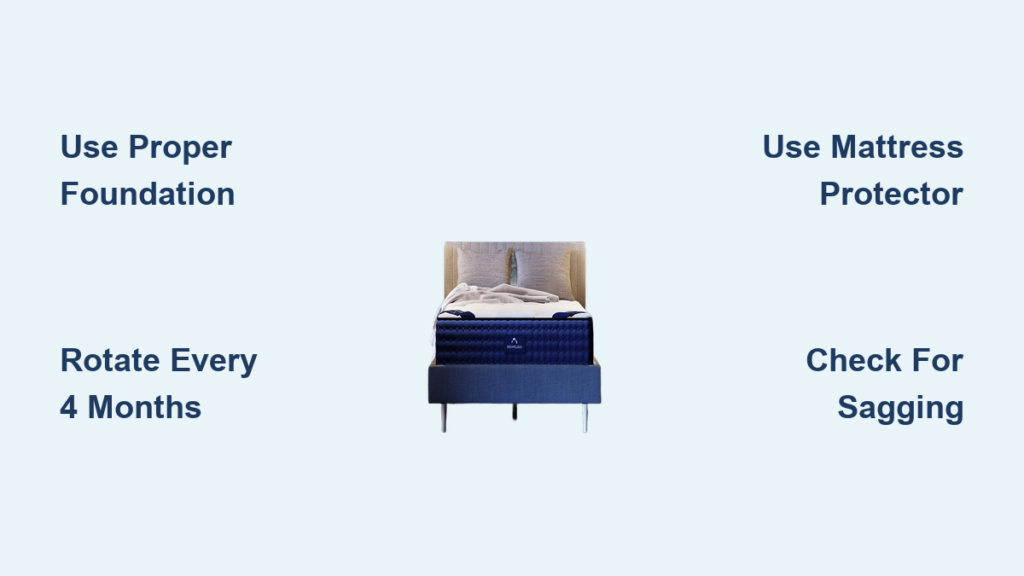
Regularly vacuum your Tempur-Pedic with a soft brush attachment to remove dust without damaging the cover fabric. Use only a Tempur-Pedic-approved mattress protector that allows breathability while preventing stains—impermeable plastic protectors trap moisture against the foam surface. Rotate your mattress head-to-foot every three months to distribute wear patterns evenly across the foam layers. Never jump on or sit excessively on the edges, as this creates permanent compression points that compromise edge support. Following these maintenance protocols extends your mattress’s lifespan while preserving the pressure-relieving properties that make Tempur-Pedic worth the investment.