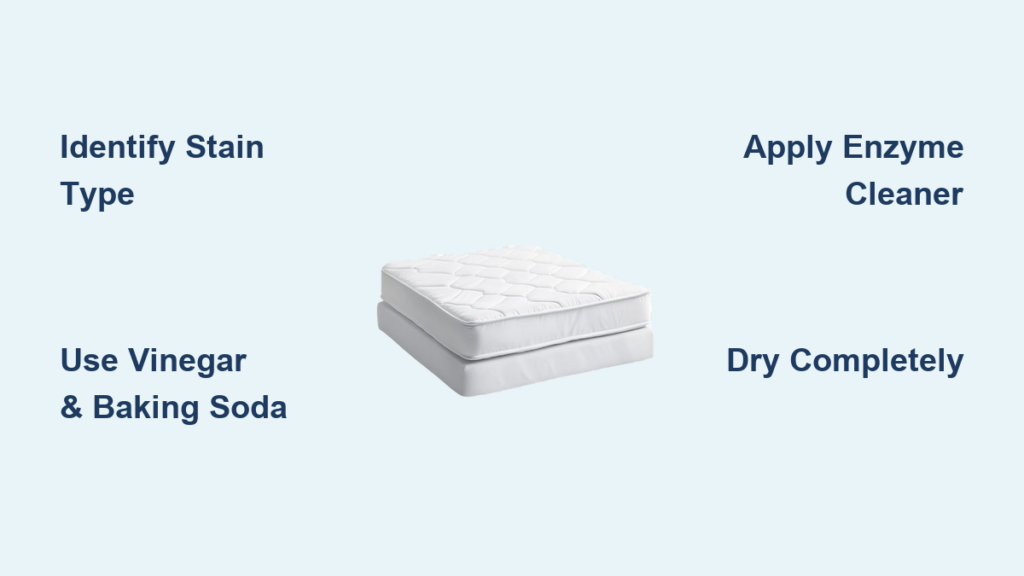
Discovering stubborn yellow-brown discoloration or mysterious spots on your mattress can ruin your morning. Old mattress stains from sweat, body oils, urine, blood, and spills don’t just look unsightly—they can harbor bacteria and create persistent odors that affect your sleep quality. The good news? You don’t need expensive professional cleaning or to replace your entire mattress. With the right approach and common household items, you can successfully remove even years-old stains from your mattress without damaging its structure. This guide reveals proven techniques that address specific stain types, prevent future discoloration, and restore your mattress to a cleaner, fresher condition.
Assemble Your Mattress Stain Removal Toolkit
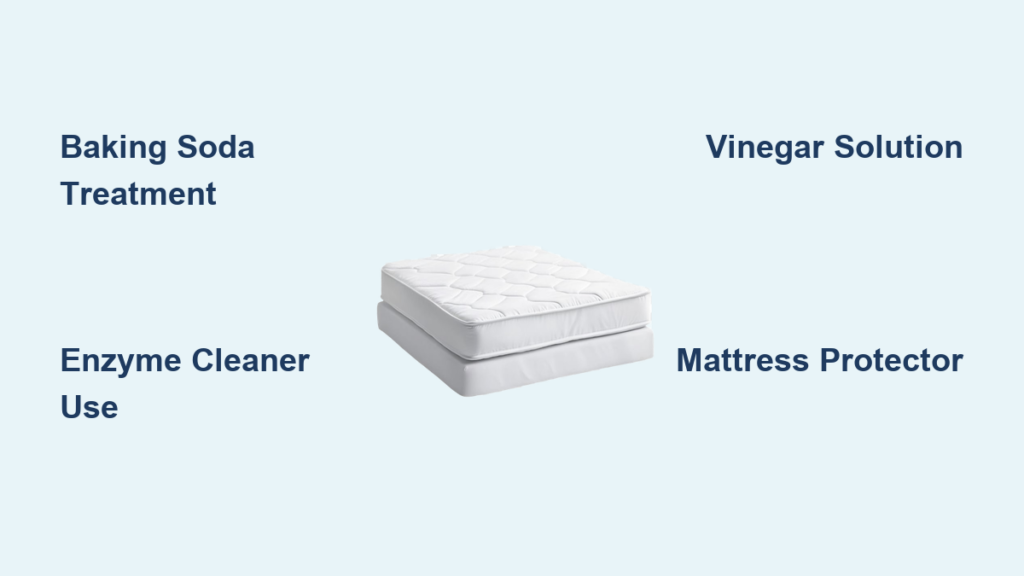
Gathering the proper supplies before starting ensures you won’t interrupt your cleaning process mid-treatment, which could allow stains to set deeper into mattress fibers. The most effective stain fighters for old mattress discoloration include white distilled vinegar (a natural disinfectant that breaks down mineral deposits), baking soda (for absorption and gentle abrasion), and 3% hydrogen peroxide (for oxidizing organic stains).
Don’t forget essential application tools: a spray bottle for controlled solution application, clean white microfiber cloths (colored fabrics may bleed dye onto your mattress), a soft-bristled brush for gentle agitation without fabric damage, and a vacuum with upholstery attachment for thorough drying. Protect yourself with rubber gloves to prevent skin irritation from cleaning solutions. For stubborn stains, consider adding an enzyme-based cleaner specifically formulated for organic stains like urine and blood.
Identify Your Specific Stain Type Before Treatment
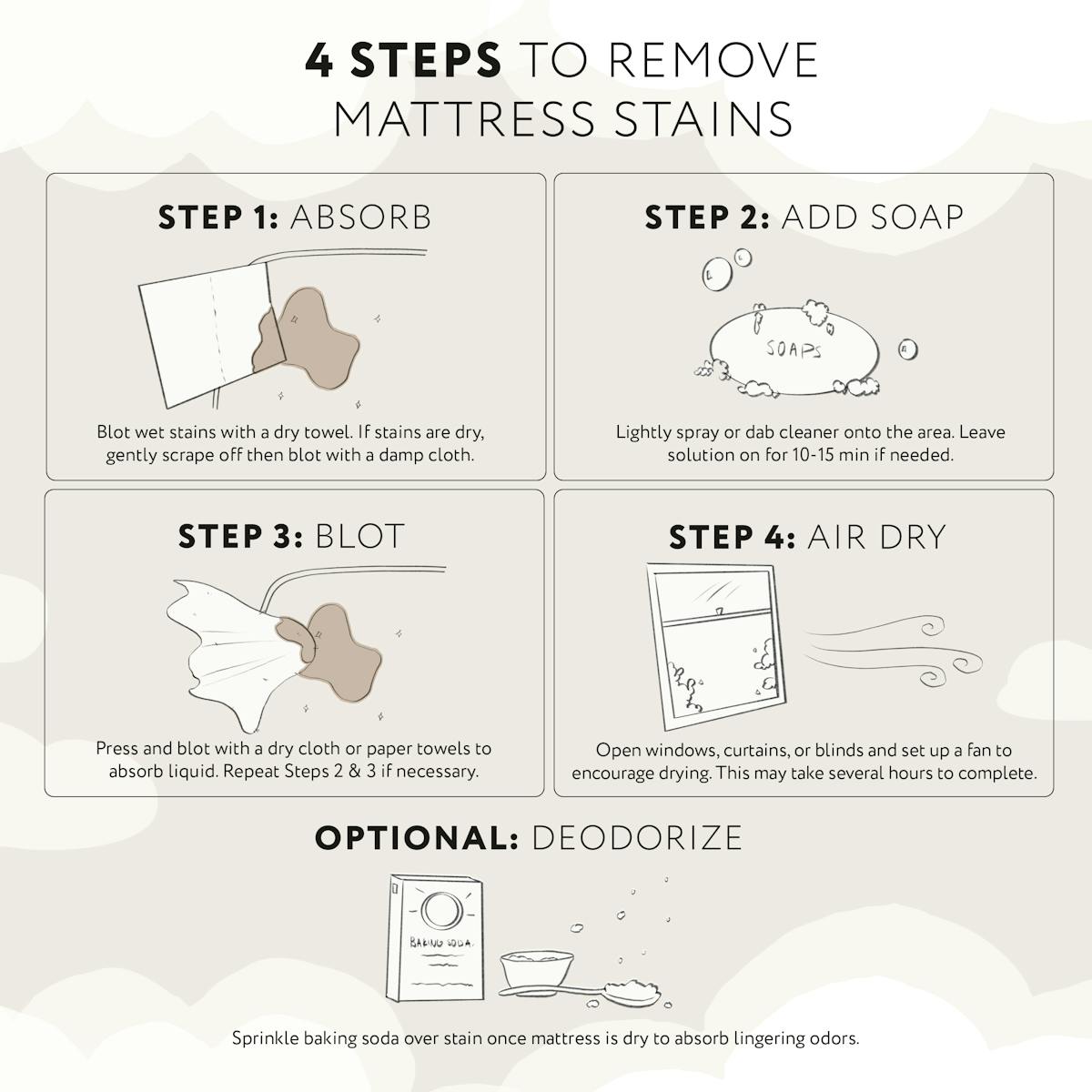
Using the wrong cleaning method for your stain type often wastes time and can set discoloration permanently. Sweat and body oil stains appear as yellow or brown discoloration concentrated where your body contacts the mattress most—typically the center third where your torso rests. These develop gradually over months and have a somewhat uniform appearance rather than distinct spots.
Urine stains present as darker yellow or brown patches, sometimes with persistent odor even when dry. Old urine stains often show a ring pattern where the liquid dried. Blood stains range from reddish to dark brown rust color, becoming more pronounced as they age. Crucially, heat sets blood stains permanently, so cold water treatments are essential. Mold and mildew stains appear as dark green, black, or gray patches with a musty odor that intensifies in humidity—these require addressing underlying moisture issues alongside cleaning.
Prepare Your Mattress for Maximum Cleaning Effectiveness
Proper preparation significantly improves stain removal results and protects your mattress during treatment. Start by removing all bedding, including sheets, mattress pads, and protectors, and wash them separately in hot water. Position your mattress in a well-ventilated area near open windows if possible—adequate airflow is critical for complete drying later.
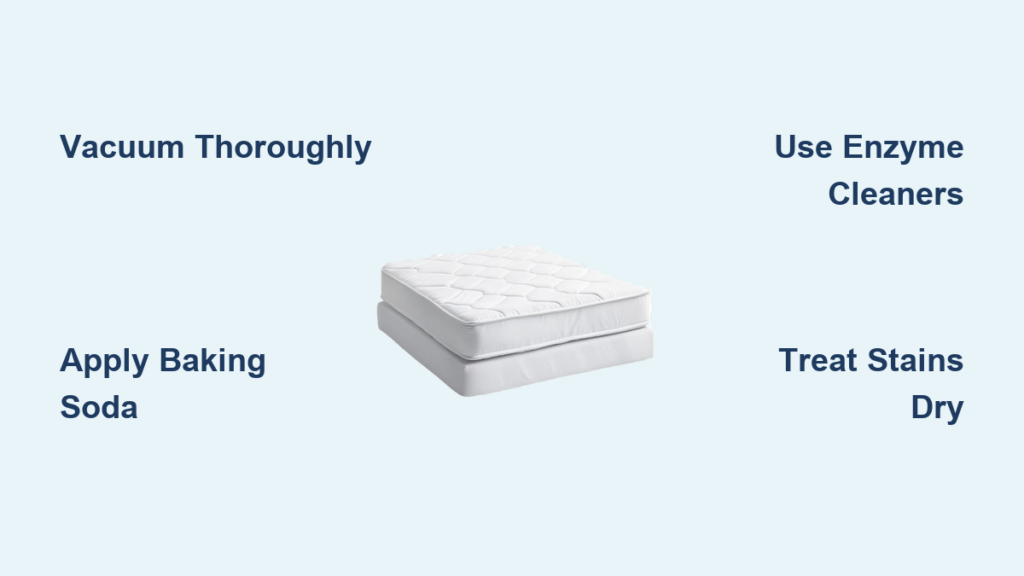
Thoroughly vacuum the entire mattress surface using your upholstery attachment, paying special attention to seams and crevices where dust and debris accumulate. This removes loose particles that could interfere with cleaning solutions. For mattresses with removable covers, launder the cover according to manufacturer instructions before treating the underlying surface. Place old towels beneath the mattress to protect your floor from potential runoff during cleaning.
Eliminate Sweat and Yellowing Stains Permanently
Sweat stains and general yellowing require breaking down both visible discoloration and underlying residue that attracts future soiling. Create a paste using equal parts baking soda and water, or substitute hydrogen peroxide for water on stubborn stains (test first in an inconspicuous area). Apply this paste generously to yellowed areas, working it into the fabric with a soft-bristled brush using gentle circular motions. Let the paste dry completely—typically 2-4 hours depending on humidity.
Once dry, vacuum thoroughly with your upholstery attachment, making multiple passes to ensure complete removal of the dried residue. This process draws out dissolved oils and discoloration from mattress fibers. For severe yellowing, repeat this treatment 2-3 times, allowing the mattress to dry completely between applications. For ongoing protection, use a breathable waterproof mattress protector that prevents sweat and body oils from penetrating mattress fibers.
Neutralize Urine Stains and Eliminate Odors for Good
Urine stains contain uric acid crystals that bond to mattress fibers, causing persistent odors. Enzyme-based cleaners are most effective because they digest these compounds. Apply the enzyme cleaner generously to saturate the entire stained area, ensuring the solution reaches deep into mattress layers. Follow the product’s dwell time instructions (usually 15-30 minutes), but never let enzyme cleaners dry on the mattress—they need moisture to remain active.
For old set-in stains, first apply a 1:1 mixture of white vinegar and cool water, letting it sit 10-15 minutes before blotting thoroughly. Immediately follow with a generous application of baking soda, allowing it to sit overnight if possible. The vinegar breaks down uric acid while baking soda absorbs residual moisture and odor. If odor persists after initial treatment, repeat the enzyme cleaner application—complete breakdown of uric acid compounds often requires multiple treatments.
Remove Set-In Blood Stains Without Setting Them Deeper

Blood stains require cold treatment since heat permanently sets the proteins. For old dried blood stains, mix one tablespoon of ammonia with one cup of cold water (test first in a hidden area and ensure good ventilation). Apply this solution to the stain and let it work 10-15 minutes before blotting thoroughly with cold water. For stubborn stains, hydrogen peroxide applied directly can be effective, but test first as it may bleach some mattress fabrics.
An alternative method combines hydrogen peroxide’s stain-lifting power with cornstarch’s absorbency: make a thick paste with hydrogen peroxide, cornstarch, and a pinch of salt. Apply to the stain, cover with a damp cloth, and let dry completely before brushing off residue and vacuuming. This approach safely lifts set-in blood stains without driving them deeper into mattress fibers.
Guarantee Complete Mattress Drying to Prevent Mold
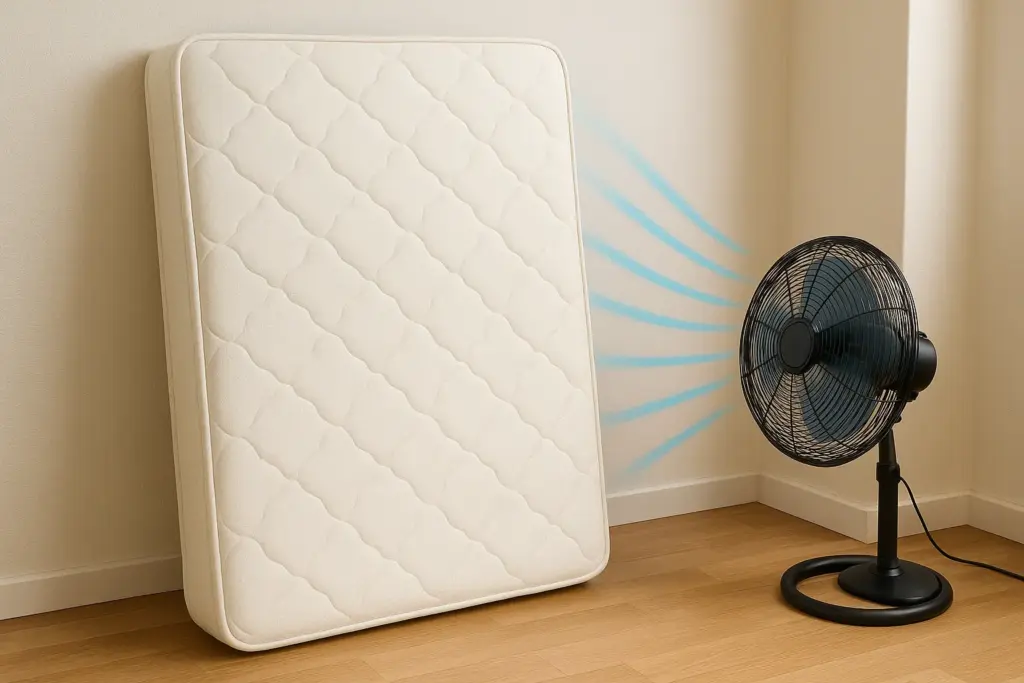
Inadequate drying causes more mattress damage than the original stain. After cleaning, press clean white towels firmly over treated areas to extract maximum moisture, replacing towels as they become damp. Position your mattress in direct sunlight if possible—sunlight provides natural disinfection while accelerating evaporation.
Without sunlight, create optimal drying conditions by running fans directly on the mattress and using a dehumidifier to remove ambient moisture. Flip or rotate the mattress periodically for even drying through all layers. Never sleep on a mattress that still feels cool or damp to the touch—minimum drying time is 24 hours, though 48 hours ensures complete internal drying. Test dryness by pressing your palm firmly against the mattress; no coolness should be detectable.
Prevent Future Stains With Simple Protective Measures
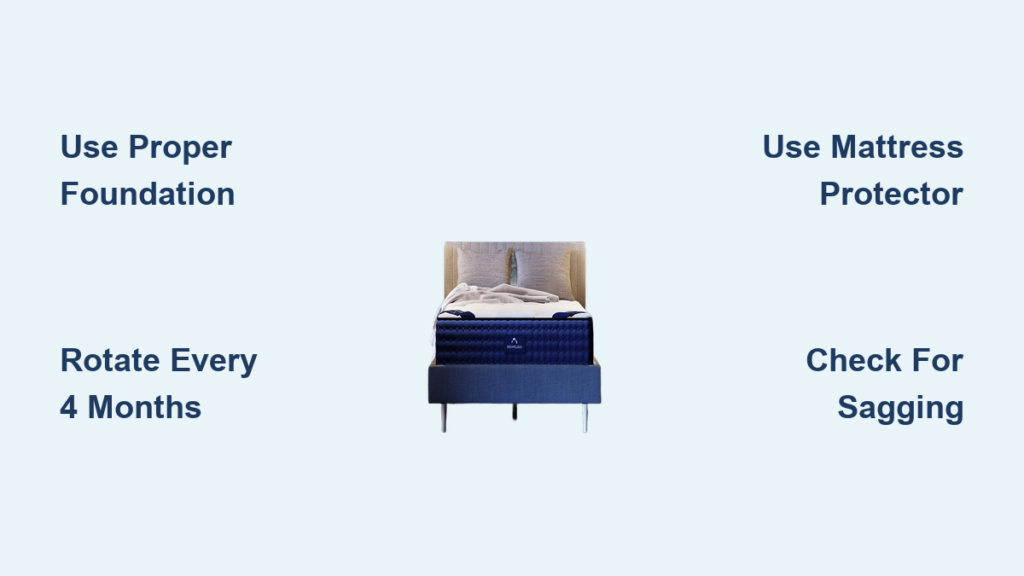
Preventing stains proves far easier than removing them. A quality waterproof mattress protector serves as your first line of defense, creating an impermeable barrier against sweat, oils, spills, and accidents while maintaining comfort. Modern protectors use breathable materials like cotton or bamboo tops with waterproof backing.
Implement regular maintenance by sprinkling baking soda across your entire mattress surface every few months, adding a few drops of essential oil for freshness if desired. Let it sit several hours before vacuuming thoroughly—this absorbs moisture, neutralizes odors, and removes light soiling before it builds up. Ensure your bedroom has adequate ventilation to reduce humidity, and use breathable bedding materials that wick moisture away from your body during sleep.
Know When Professional Cleaning Is Necessary
While most stains respond to home treatment, seek professional help when stains have penetrated deeply into multiple layers, when multiple treatment attempts fail, or when structural damage accompanies staining. Professionals use equipment that extracts moisture more effectively than home methods and access commercial-grade enzyme cleaners that outperform consumer products.
Call professionals immediately if you notice spreading dark discoloration, worsening musty odors in humidity, or visible fungal growth—these indicate mold requiring specialized remediation. Some mattress warranties require professional cleaning documentation for stain-related claims, so review your warranty before beginning any treatment to avoid voiding coverage.
Successfully removing old mattress stains requires matching the right treatment to your specific stain type, thorough application, and complete drying. By following these proven methods, you can restore your mattress to a cleaner, fresher condition without professional intervention. Implementing protective measures like mattress protectors and regular maintenance extends your mattress’s life significantly, saving you money and ensuring better sleep quality in a healthier bedroom environment.