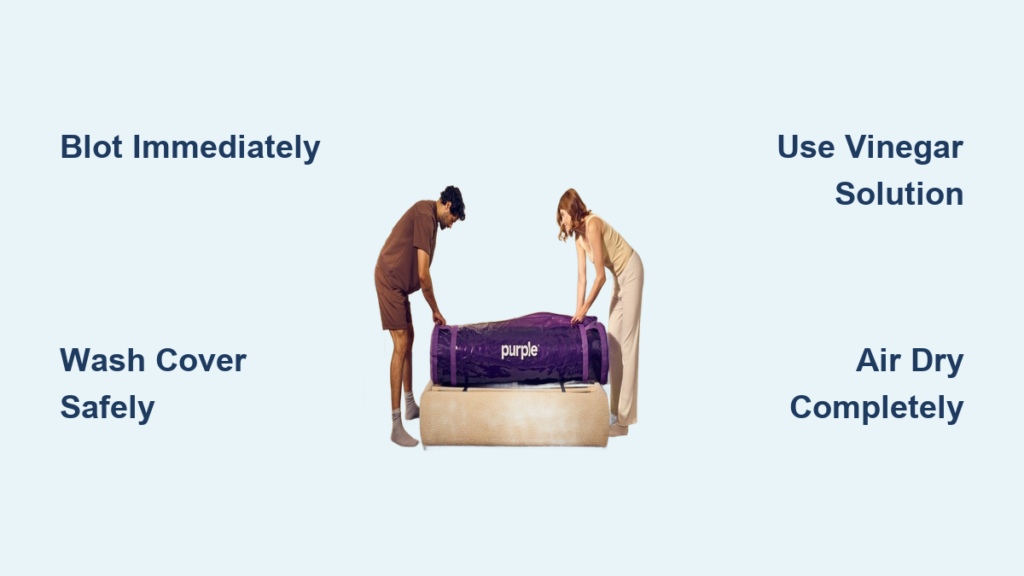
That dreaded moment when coffee splashes across your Purple mattress or your toddler has a nighttime accident doesn’t have to spell disaster. Unlike traditional mattresses where stains become permanent fixtures, Purple’s innovative design gives you a fighting chance to restore your sleep surface to like-new condition. The secret lies in the removable cover and moisture-resistant polymer grid that work together to make how to clean stain off purple mattress concerns far less stressful than with conventional bedding. In this guide, you’ll discover proven techniques that protect your mattress warranty while delivering real cleaning results—no expensive professional services required for most common stains.
Knowing exactly how to respond when accidents happen can mean the difference between a quick cleanup and permanent discoloration. With Purple’s unique construction, you have advantages most mattress owners can only dream of, but you must use the right approach at the right time. Let’s dive into the specific methods that actually work for your Purple mattress.
How Purple’s Removable Cover Makes Stain Removal Simple
Why Your Purple Mattress Is Easier to Clean Than Traditional Models
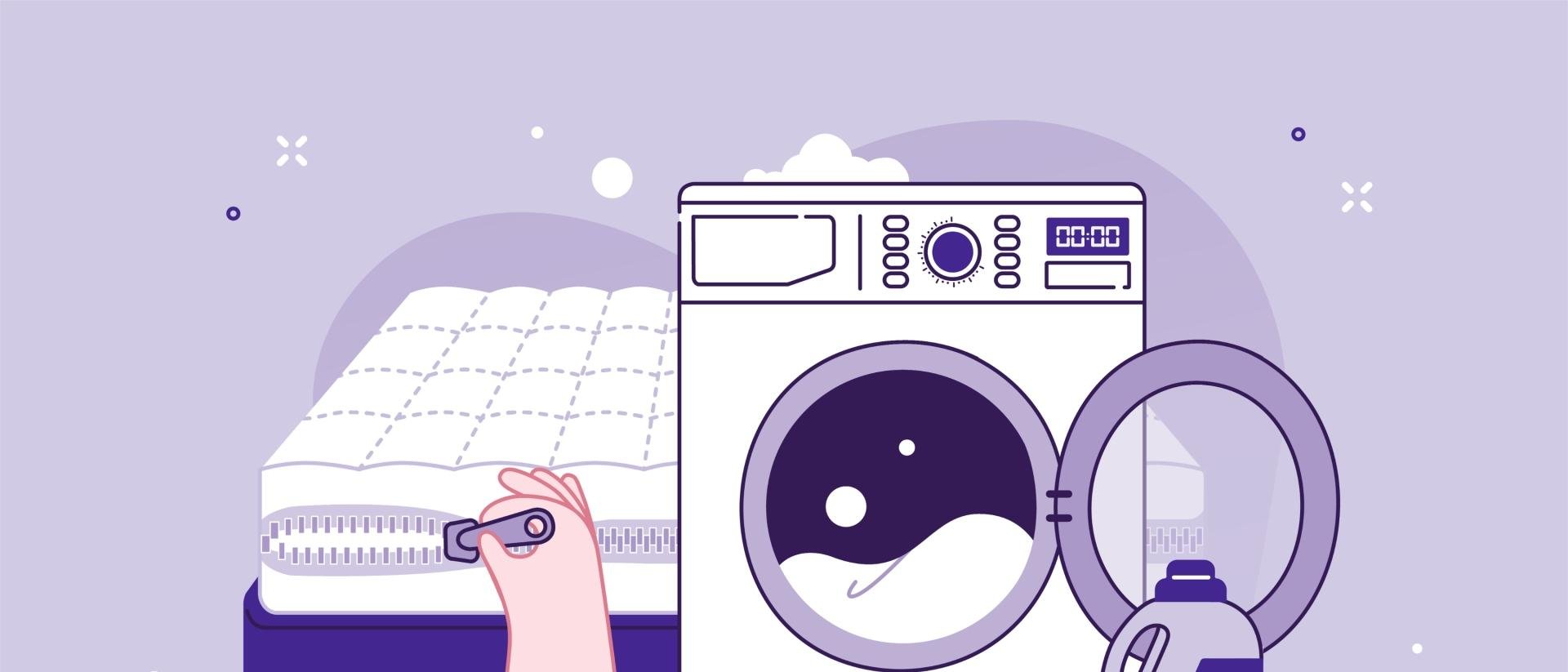
Most mattresses force you to spot-treat stains while the bed remains fully assembled, trapping contaminants between layers where they cause odors and damage. Purple’s game-changing design features a completely removable top layer that zips off in seconds, letting you toss the stained section in your washing machine while the main mattress stays protected. This single feature addresses the #1 complaint about mattress maintenance—impossible deep cleaning—by giving you direct access to the stained surface.
The hyper-elastic polymer grid beneath the cover adds another cleaning advantage you won’t find in memory foam or innerspring mattresses. Instead of absorbing spills like a sponge, the grid’s open-cell structure resists liquid penetration, giving you valuable minutes to respond before stains set in. For most surface spills, you can simply wipe the grid clean without even removing the cover, while more serious stains get handled by washing the entire top layer.
Identifying Your Mattress Components Before Cleaning
Before attempting any stain removal, correctly identify which part of your Purple mattress has been affected. The top fabric cover (typically polyester-spandex blend) handles machine washing but requires gentle detergents. The purple polymer grid underneath resists stains naturally but needs specific wiping techniques. The base foam layer must stay completely dry to prevent mold growth—never apply liquids directly to this section. Knowing exactly where your stain resides determines your cleaning approach and prevents accidental warranty violations from improper methods.
Immediate Action Steps for Fresh Spills
First 5 Minutes: Critical Moves for Coffee or Juice Spills
When liquid spills hit your Purple mattress, your response in the first five minutes determines whether the stain becomes permanent. Grab clean, dry microfiber cloths (not paper towels that leave fibers) and blot firmly from the stain’s outer edge inward—never rub, which grinds the spill deeper. For coffee or juice, immediately sprinkle table salt over the wet area to absorb pigments before they set, wait 2 minutes, then vacuum thoroughly. Follow with a light mist of 1:2 white vinegar to water solution, blot again, and allow to air dry completely before replacing bedding.
Pro Tip: Keep a stain emergency kit beside your bed with microfiber cloths, salt, baking soda, and a small spray bottle of vinegar solution. This ensures you’re ready to act within the critical first minutes when stains are most removable.
Bodily Fluid Accidents: Urine and Blood Stain Response Protocol
For urine accidents, blot excess liquid immediately with dry cloths, then apply a solution of one part white vinegar to two parts cold water using a spray bottle. Let it sit for 5-7 minutes before blotting dry—never use heat on protein-based stains as it sets them permanently. Blood stains require immediate cold water treatment only; apply hydrogen peroxide only after testing in an inconspicuous area first, as it can lighten some fabric dyes. The polymer grid’s non-absorbent nature means most bodily fluids stay on the surface, making complete removal possible when addressed quickly.
Step-by-Step: Machine Washing Your Purple Mattress Cover
Removing the Cover Without Damaging the Zipper System
Start by unzipping the cover completely from the mattress body, working slowly around the entire perimeter. If the zipper sticks, don’t force it—use a soft toothbrush to clean debris from the teeth first. Grasp both sides of the zipper pull firmly and move it in small, gentle motions. Once fully unzipped, carefully lift the cover off the polymer grid, avoiding sharp fingernails that could snag the fabric. Inspect the zipper track for any lint buildup before washing, as trapped debris causes future zipper problems.
Washing Settings That Won’t Shrink or Damage Fabric
Wash your Purple mattress cover on the gentle cycle with cold water and a mild, non-bleach detergent—never use fabric softeners or dryer sheets as their residues attract dirt and reduce breathability. Add ½ cup white vinegar to the rinse cycle to neutralize odors and break down buildup without harming fibers. Skip the spin cycle or set it to low to prevent excessive wrinkling. For stubborn stains, pretreat with a baking soda paste (3 parts baking soda to 1 part water) before washing, letting it sit for 30 minutes.
When to Air Dry vs. Use Low Heat for Fastest Results
Air drying flat delivers the best results for maintaining your cover’s shape and elasticity, but takes 12-24 hours depending on humidity. If using a dryer, select the lowest heat setting and remove the cover while still slightly damp to finish air drying. Never let the cover sit wet for more than 2 hours before drying begins, as trapped moisture promotes mold growth in the underlying foam. Check the cover’s care label for specific drying instructions—most Purple covers require complete dryness before reattachment to prevent warranty issues.
Polymer Grid Stain Removal: Safe Cleaning Techniques
Why the Grid Resists Stains (And How to Work With This Feature)
Purple’s hyper-elastic polymer grid naturally repels liquids thanks to its unique open-cell structure, which prevents absorption that would cause permanent staining in traditional mattresses. When spills occur, the liquid sits on the surface where it’s easily removable with proper technique. This feature means most surface stains wipe away completely with just water and mild soap—no harsh chemicals required. Understanding this physics helps you avoid over-cleaning, which can degrade the grid’s performance over time.
Vinegar Solution Recipe for Polymer Grid Cleaning
For stubborn grid stains, mix equal parts white vinegar and water in a spray bottle. Lightly mist the solution onto a microfiber cloth (never spray directly onto the grid), then gently dab the stained area using minimal pressure. Let the solution sit for 3-5 minutes to break down organic matter, then wipe with a clean damp cloth to remove residue. Finish by blotting dry with a clean towel and allowing 2 hours of air drying time before reapplying the cover. This method safely removes most food, beverage, and bodily fluid stains without compromising the grid’s structural integrity.
Coffee, Urine & Wine: Targeted Stain Removal for Common Spills

Coffee Stain Removal: From Fresh Spills to Set-In Discoloration
For fresh coffee spills, act immediately with the blotting and salt method described earlier. For set-in coffee stains that have dried, create a paste of baking soda and water, apply it to the stain, and let it dry completely before vacuuming. Repeat this process 2-3 times with 24-hour intervals between applications for stubborn discoloration. If yellowing persists, test a 3% hydrogen peroxide solution in an inconspicuous area first, then apply sparingly to the stain with a cotton swab, rinsing thoroughly afterward.
Pet Accident Cleanup: Eliminating Odors From Polymer Grid
Pet urine requires special attention due to its strong odor compounds. After initial blotting and vinegar treatment, sprinkle baking soda generously over the affected grid area and let it sit for 8-12 hours before vacuuming thoroughly. For persistent odors, use an enzyme-based cleaner specifically designed for pet accidents—these biological cleaners break down odor molecules at the source rather than masking them. Never use ammonia-based products, which can actually attract pets to re-mark the same spot.
Wine Spill Emergency Protocol: Salt, Vinegar and Blotting Techniques
Wine demands immediate action: blot excess liquid, then cover the entire stain with table salt to draw out pigments. After 5 minutes, vacuum the salt, then apply club soda with a microfiber cloth to dilute remaining color. Follow with a vinegar-water solution to neutralize tannins, blotting frequently. For red wine specifically, the salt step is critical—delaying beyond 2 minutes significantly reduces your chances of complete removal. Always work from the stain’s edge inward to prevent spreading.
5 Safe Cleaning Solutions That Won’t Damage Your Purple Mattress
Why Dish Soap and Vinegar Beat Commercial Cleaners
A simple solution of 1 teaspoon mild dish soap (like Dawn) mixed with 1 cup cool water outperforms most commercial stain removers on Purple mattresses. The soap lifts oils and residues without harsh chemicals that degrade synthetic fibers over time. When combined with vinegar’s natural deodorizing power, this duo handles 90% of common stains while preserving your mattress’s breathability and warranty coverage. Commercial cleaners often contain solvents that break down polymer grid integrity after repeated use.
Enzyme Cleaners for Organic Stains: When to Use Them
Enzyme-based cleaners become necessary only for stubborn organic stains like pet accidents or vomit that resist basic vinegar treatment. These products contain live bacteria that consume organic matter at a molecular level, eliminating both stains and odors without chemical residues. Apply according to product directions, let sit the recommended time (usually 15-30 minutes), then blot thoroughly. Never use enzyme cleaners as routine maintenance—they’re for specific organic stain emergencies only.
What NOT to Use: 4 Products That Void Your Warranty
Avoid these stain removal products at all costs on your Purple mattress:
– Bleach or chlorine-based cleaners (degrades polymer grid)
– Ammonia solutions (damages fabric elasticity)
– Steam cleaners (forces moisture into foam base)
– Fabric softeners (leaves residue that attracts dirt)
Using any of these products can permanently damage your mattress and void the manufacturer’s warranty. When in doubt, stick with vinegar, baking soda, and mild dish soap—the trifecta that handles most stains safely.
Prevent Mold: Complete Drying Techniques After Stain Removal
Fan Placement Strategy for Maximum Airflow
After any wet cleaning, position oscillating fans to blow air across the mattress surface from multiple angles—never directly into seams where moisture can penetrate deeper. Elevate the mattress on blocks to allow airflow underneath, and open windows if weather permits. In humid climates, run a dehumidifier in the room at 50% humidity or lower. Check moisture levels with a hygrometer; the mattress should read below 15% moisture content before reapplying the cover.
How Long to Wait Before Reapplying Mattress Cover
Most Purple mattress owners make the critical mistake of reapplying the cover too soon. Allow at least 24 hours of drying time after major cleaning, even if the surface feels dry—moisture often remains trapped in grid crevices. Test dryness by pressing a clean white towel against multiple grid sections; if any moisture transfers, continue drying. Rushing this step risks mold growth in the foam base, which creates health hazards and voids your warranty.
Mattress Protector Secrets: Stop Stains Before They Happen
Choosing the Right Protector for Purple’s Unique Surface
Standard mattress protectors often slip on Purple’s grid surface, creating annoying bunching. Choose a fitted protector specifically designed for Purple mattresses with non-slip backing that grips the grid securely. Look for breathable, waterproof materials like Tencel or bamboo-derived fabrics that maintain Purple’s cooling properties while providing a complete liquid barrier. Ensure the protector has a deep pocket design (at least 15 inches) to accommodate Purple’s unique thickness.
Washing Schedule to Prevent Yellowing Under the Cover
Wash your mattress protector every 2-4 weeks using the same gentle cycle as your Purple cover, and always air dry. Have two protectors on hand so one remains in place while the other washes. This routine prevents the gradual yellowing caused by body oils that seep through even the best protectors over time. Monthly protector washing reduces deep cleaning frequency for your actual mattress by up to 70%, extending its lifespan significantly.
Yellowing & Lingering Odors: Fixing Persistent Purple Mattress Stains
Baking Soda Overnight Treatment for Deep Odors
For odors that persist after standard cleaning, apply a generous layer of baking soda across the entire grid surface (¼ inch thick). Let it sit for 8-12 hours—overnight works best—to fully absorb deep-seated odors, then vacuum thoroughly using a brush attachment. For severe cases, repeat this process 2-3 nights in a row. The alkaline nature of baking soda neutralizes acidic odor compounds at their source rather than masking them.
Hydrogen Peroxide Solution for Yellowed Areas (Test First!)
For stubborn yellowing that won’t respond to standard cleaning, mix one part 3% hydrogen peroxide with two parts water in a spray bottle. Always test in an inconspicuous area first and wait 24 hours to check for discoloration. If safe, lightly mist the solution onto yellowed sections, let sit 10 minutes, then blot thoroughly with a clean cloth. Never use full-strength hydrogen peroxide, which can permanently lighten some fabric dyes.
Protect Your Warranty With Proper Cleaning Methods
Documenting Your Maintenance for Future Warranty Claims
Keep a simple log of your cleaning activities including dates, methods used, and products applied. Retain receipts for any professional cleaning services. Should you ever need to file a warranty claim, this documentation proves you’ve maintained the mattress properly according to manufacturer guidelines. Purple’s warranty covers material defects but excludes damage from improper cleaning—your records protect your investment.
When to Call Professionals Instead of DIY Cleaning
Contact a professional mattress cleaner if:
– You’ve attempted 3+ home cleaning methods with no improvement
– The mattress has suffered significant moisture penetration
– You notice any signs of mold growth (musty smell, visible spots)
– The stain covers more than 25% of the mattress surface
Professional services typically cost $100-$200 but can save your $1,000+ mattress from replacement. Choose technicians experienced with Purple’s unique construction—they know how to clean without damaging the polymer grid.
Monthly Maintenance Routine for a Stain-Free Purple Mattress
Weekly Vacuuming Technique for Polymer Grid Surfaces
Use your vacuum’s upholstery attachment with low suction power to remove dust, skin cells, and debris from the grid surface. Move slowly in multiple directions to reach all crevices, paying special attention to seams where contaminants accumulate. Vacuuming weekly prevents the gradual yellowing caused by oxidized body oils and extends time between deep cleanings by up to 50%. Never use a beater bar attachment, which can damage the grid structure.
Quarterly Deep Cleaning Checklist for Long-Term Freshness
Every three months, perform this maintenance sequence:
1. Remove cover and wash according to instructions
2. Vacuum entire grid surface thoroughly
3. Wipe grid with vinegar-water solution
4. Apply baking soda treatment for odor prevention
5. Allow 24 hours drying time before reassembly
6. Rotate mattress 180 degrees to ensure even wear
This routine keeps your Purple mattress looking and performing like new for years, preventing the gradual staining that plagues most mattresses. Consistent maintenance means you’ll rarely face emergency stain situations, preserving both your sleep quality and your investment.