
Your Posturepedic mattress is designed to provide exceptional support and comfort night after night, but without proper care, it can become a breeding ground for dust mites, allergens, and unpleasant odors. Learning how to clean a Posturepedic mattress correctly is essential for preserving its structural integrity while maintaining a hygienic sleep environment. Most homeowners don’t realize that improper cleaning techniques can actually damage the specialized foam layers that make Posturepedic mattresses so effective. This guide provides specific, actionable steps to safely clean your mattress without compromising its supportive properties or voiding your warranty. By following these proven methods, you’ll extend your mattress’s lifespan and ensure it continues delivering the quality sleep you invested in.
Gather Essential Cleaning Supplies Before You Begin
Having the right tools ready prevents mistakes that could damage your mattress during the cleaning process. The specific materials you select matter significantly when working with memory foam construction.
Assemble a high-powered vacuum cleaner with upholstery attachments as your foundational tool for removing surface debris. A soft-bristled brush is necessary for gently working cleaning solutions into stains without tearing the foam structure. Microfiber cloths outperform regular towels for blotting because they absorb moisture without leaving lint behind. Prepare spray bottles for controlled solution application—this prevents over-saturation that could ruin your mattress. Baking soda serves as your primary natural deodorizer, while enzyme-based cleaners specifically target organic stains like sweat or urine. Keep several clean, dry towels nearby for immediate moisture absorption, and position a fan or dehumidifier in the room to accelerate drying. Never substitute harsh chemicals like bleach or ammonia, which can break down memory foam over time.
Perform Initial Vacuuming to Remove Surface Contaminants
Thorough vacuuming before any liquid application prevents debris from being pushed deeper into the foam layers during cleaning. This critical first step eliminates up to 80% of surface contaminants without introducing moisture.
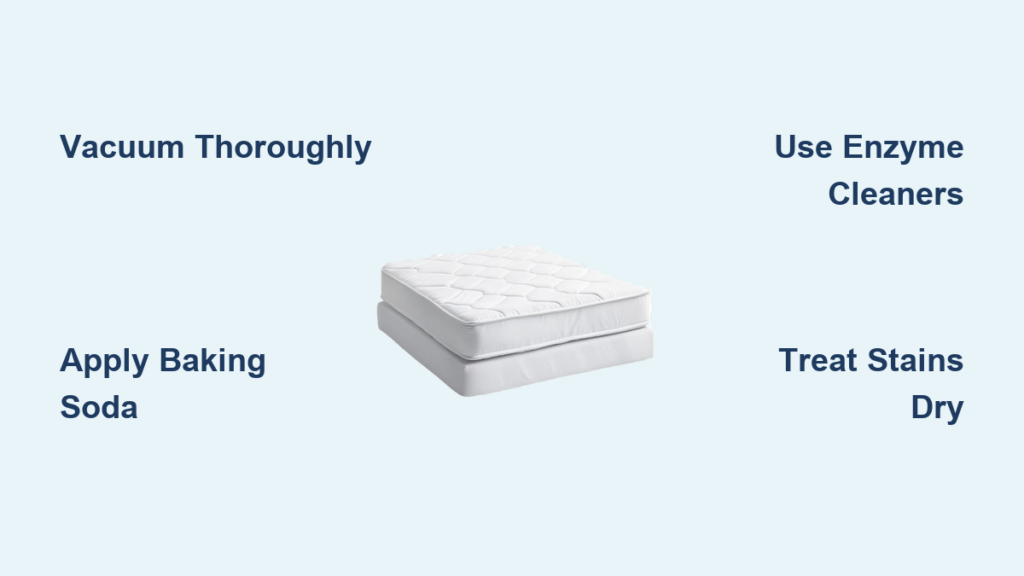
Remove all bedding, including mattress protectors that may have trapped moisture against the mattress surface. Attach the upholstery tool to your vacuum and work in slow, overlapping strokes across the entire mattress surface. Focus extra attention on seams and tufted areas where dust mites and dead skin cells accumulate most heavily. For double-sided Posturepedic models, flip the mattress and repeat the vacuuming process on the opposite side. Spend at least 15 minutes on this step—rushing leads to incomplete cleaning. Check your vacuum bag or canister midway and empty it if necessary to maintain maximum suction power. This preliminary cleaning dramatically improves the effectiveness of subsequent stain treatment by removing loose particles that would otherwise form mud when combined with cleaning solutions.
Spot Clean Stubborn Stains Using Appropriate Methods
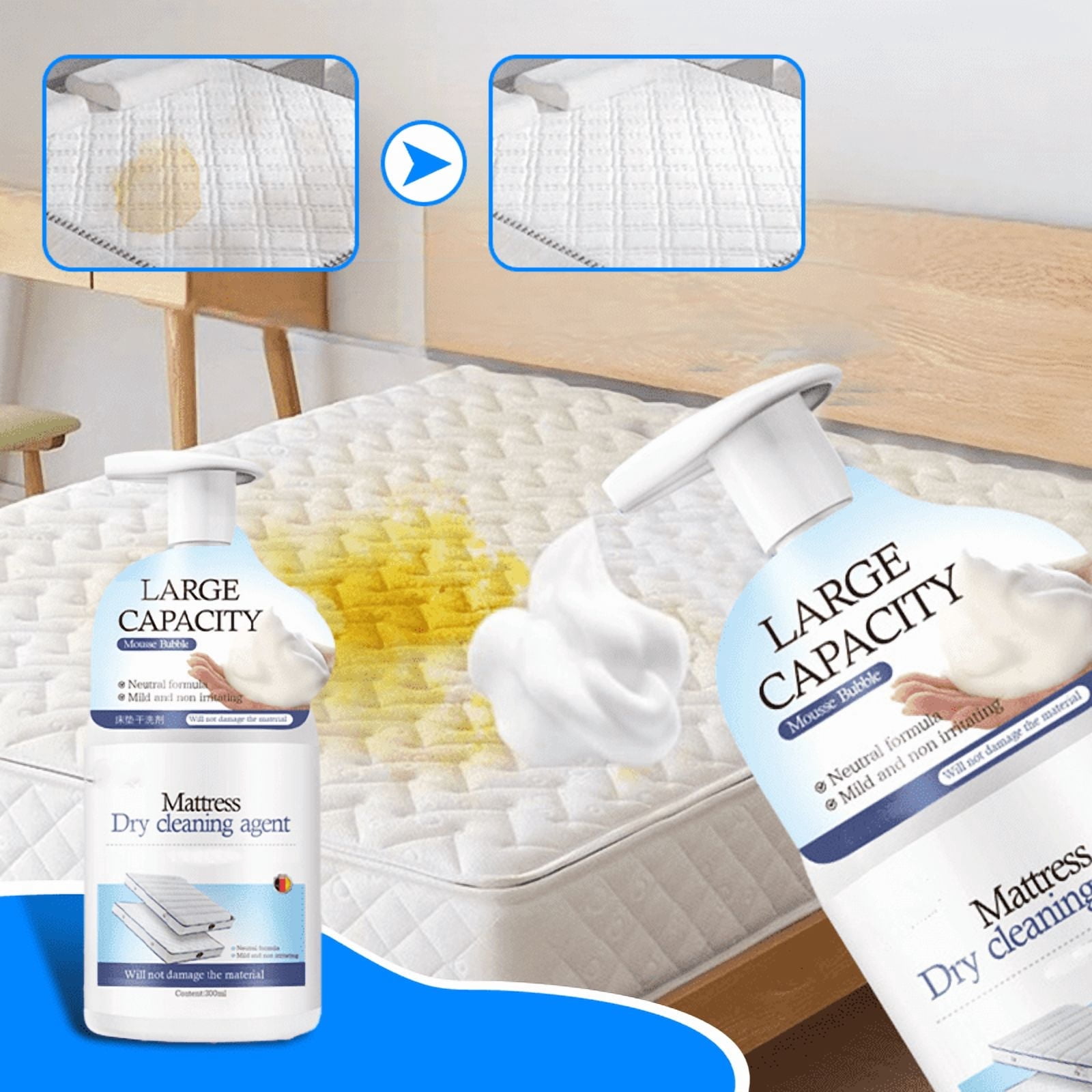
Different stain types require specific approaches to avoid setting discoloration permanently into the memory foam. Immediate treatment prevents stains from bonding with foam molecules, which occurs within 24-48 hours.
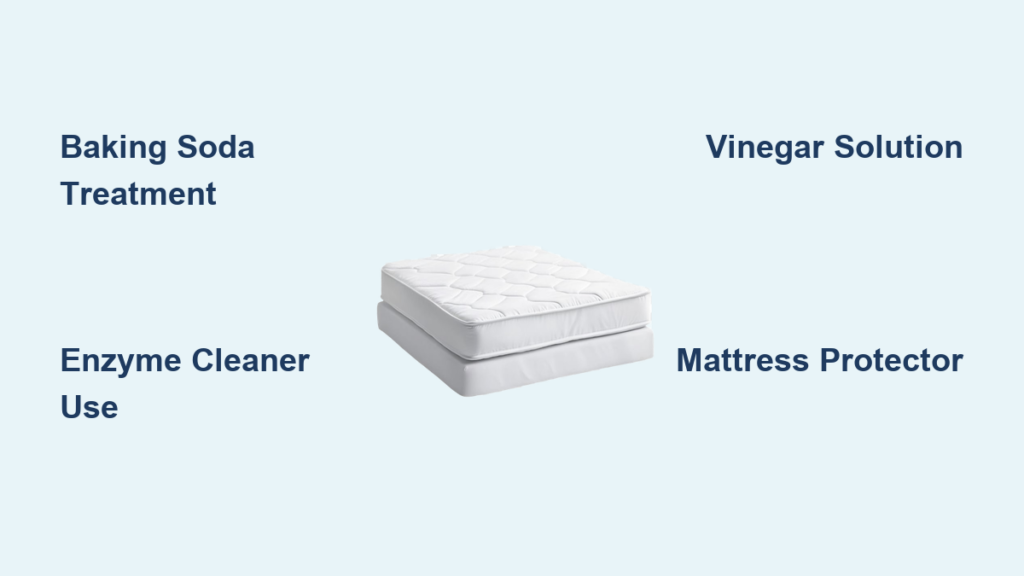
For sweat stains and body oils, mix one teaspoon of mild dish soap with one cup of lukewarm water. Apply this solution sparingly using a microfiber cloth, working in gentle concentric circles from the stain’s outer edge toward the center. Blot repeatedly with dry towels to lift residue without spreading the stain. For urine or blood stains, enzyme cleaners work best because they digest organic matter rather than merely covering odors. Apply the enzyme solution generously but don’t rub—allow it to penetrate the foam for 15-20 minutes before blotting. Never pour cleaning solutions directly onto the mattress; always apply to your cloth first. Test any cleaning solution on an inconspicuous area like the side panel before treating visible stains. Remember that memory foam absorbs liquids like a sponge, so use minimal moisture and maximize blotting pressure.
Deep Clean the Entire Surface Every 3-6 Months
Regular full-surface cleaning refreshes your mattress beyond spot treatment, addressing embedded odors and general discoloration. This maintenance should occur quarterly for allergy sufferers or pet owners, and semi-annually for others.
Create a gentle cleaning mixture by combining one cup of hydrogen peroxide (3%), two tablespoons of baking soda, and five drops of mild dish soap. Shake well in a spray bottle before application. Lightly mist the entire mattress surface from 12 inches away, using just enough solution to dampen—not soak—the fabric. The hydrogen peroxide sanitizes while baking soda lifts odors, and the minimal soap cuts through grime. Allow the solution to work for 45-60 minutes, then blot aggressively with dry towels to extract moisture. For heavily soiled areas, repeat the process after the mattress has completely dried from the first treatment. Never use steam cleaners on memory foam mattresses, as excessive heat and moisture can degrade the foam structure permanently.
Deodorize Thoroughly with Baking Soda Treatment
Baking soda neutralizes odors at the molecular level while drawing out residual moisture trapped deep within foam layers. This simple step eliminates smells that vacuuming alone cannot reach.
After spot cleaning and initial drying, sprinkle an even layer of baking soda across the entire mattress surface. For enhanced effectiveness, mix in 10-15 drops of tea tree or lavender essential oil per cup of baking soda—these provide antimicrobial benefits without harsh chemicals. Work the mixture gently into the fabric using your soft-bristled brush, focusing on areas with noticeable odors. Allow the baking soda to remain for at least 4 hours, but overnight treatment delivers superior results as the powder continues absorbing moisture and odors. Before vacuuming, gently brush the surface again to loosen baking soda crystals embedded in the fabric. Use slow, deliberate strokes with your vacuum’s upholstery attachment to ensure complete removal—residual baking soda can create dust clouds when disturbed during sleep.
Dry the Mattress Completely to Prevent Mold Growth
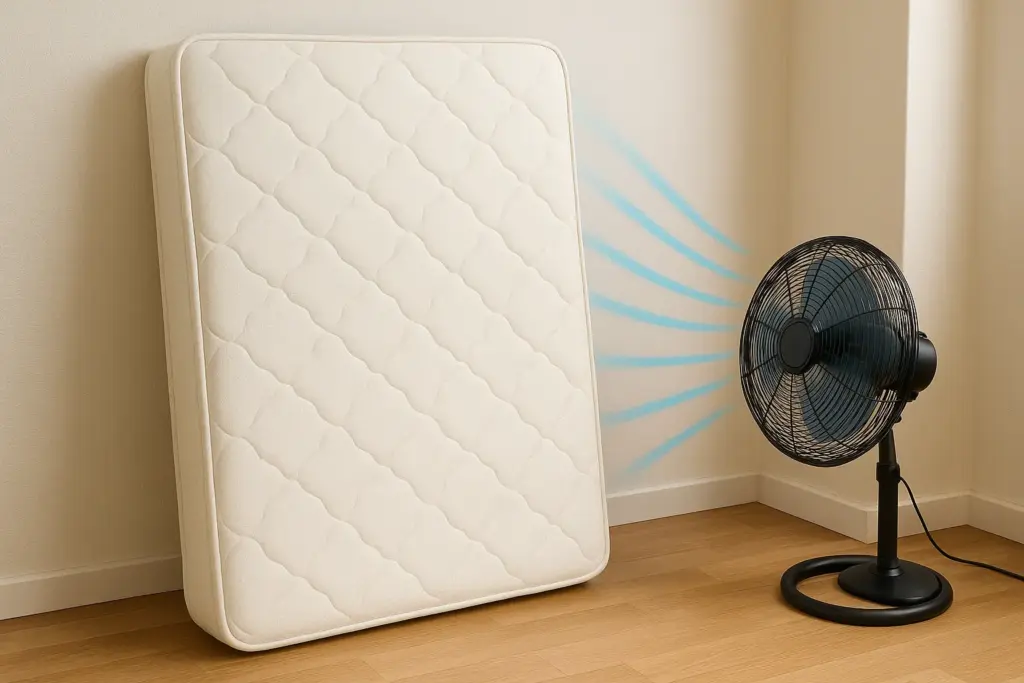
Inadequate drying causes more mattress damage than improper cleaning techniques, as trapped moisture breeds mold within 24-48 hours. Memory foam’s dense structure retains water longer than conventional mattresses.
Position your mattress upright against a wall in a well-ventilated room, or lay it horizontally with space around all edges for air circulation. Place multiple fans to blow across the surface from different angles, and run a dehumidifier to extract moisture from the surrounding air. Rotate the mattress every 2-3 hours to expose all surfaces to airflow. Check moisture levels by pressing a dry towel against various areas—if it picks up dampness, continue drying. Complete drying typically requires 24-48 hours depending on humidity. Never use hair dryers or space heaters, as concentrated heat can melt foam layers. Before returning the mattress to your bed frame, confirm it feels completely dry to the touch and has no musty odor.
Maintain Regular Care Schedule for Longevity
Consistent preventative maintenance reduces deep cleaning frequency while extending your Posturepedic mattress’s lifespan. These simple habits take minimal time but deliver significant long-term benefits.
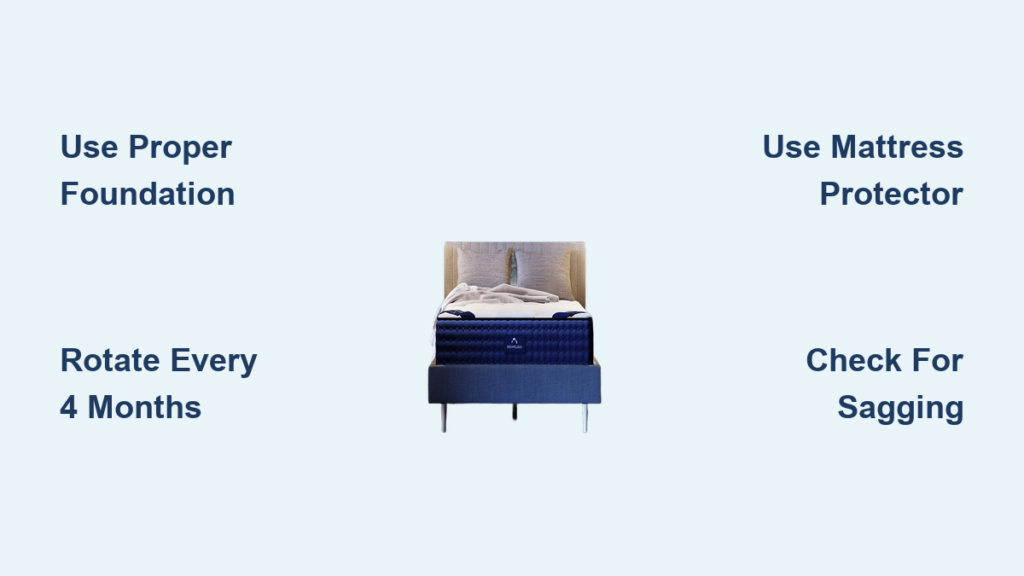
Use a waterproof mattress protector as your first line of defense against spills and bodily fluids. Vacuum the mattress surface monthly to remove dust and skin cells before they become embedded. Rotate your mattress head-to-foot every three months to promote even wear across all foam layers. Air out your bedding daily by pulling back the covers for 20-30 minutes after waking. Wash all bedding weekly in hot water (130°F) to eliminate dust mites. Never eat or drink in bed to prevent accidental spills that could seep into foam layers. These routine practices significantly reduce cleaning demands while maintaining optimal sleep hygiene.
Protect Your Warranty During Cleaning Procedures
Most Posturepedic warranties become void when improper cleaning methods cause damage, making warranty awareness crucial. Manufacturers specifically prohibit certain techniques that consumers commonly use.
Review your warranty documentation before cleaning, as many require professional service for stain removal to maintain coverage. Avoid all steam cleaning methods, which introduce excessive moisture that voids most warranties. Never use petroleum-based solvents or bleach products, which degrade foam materials. Document your cleaning efforts with dates and methods in case warranty claims become necessary. If stains persist after proper home treatment, contact the manufacturer for approved professional cleaning services rather than attempting aggressive DIY solutions. Many warranties cover manufacturing defects but exclude damage from improper care, so following approved procedures protects your investment.
Final Thoughts: Consistent Care Preserves Your Investment
Properly cleaning your Posturepedic mattress requires patience and attention to detail, but the payoff is years of continued support and hygienic sleep. Remember that gentle methods with minimal moisture work best for memory foam construction—aggressive scrubbing or excessive liquids cause irreversible damage. By establishing a regular maintenance routine that includes monthly vacuuming, immediate stain treatment, and complete drying after any cleaning, you’ll significantly extend your mattress’s performance life. Always prioritize manufacturer guidelines over generic cleaning advice, as Posturepedic models have specific care requirements based on their foam composition. Your commitment to proper mattress care translates directly to better sleep quality and a healthier bedroom environment for years to come.