
Your Tulo mattress is a premium sleep investment designed for years of comfort, but spills, sweat, and dust mites threaten both hygiene and longevity. Without verified manufacturer cleaning protocols—which aren’t publicly documented in available resources—you risk voiding your warranty or damaging delicate foam layers with improper techniques. Memory foam and hybrid mattresses like Tulo’s require precise moisture control during cleaning; excessive water can trap mold deep in the core. This guide cuts through the confusion by focusing exclusively on Tulo-approved pathways and universally safe practices you can implement while waiting for official instructions. You’ll learn exactly how to contact Tulo for model-specific guidance, identify critical care documentation, and execute damage-free spot treatments that won’t jeopardize your investment.
Why Tulo Mattress Cleaning Requires Manufacturer Guidance
Tulo mattresses use proprietary foam blends and fabric technologies that react differently to cleaning agents than standard mattresses. Using vinegar, steam cleaners, or even excessive water on memory foam layers can break down cell structures, causing permanent sagging within weeks. Worse, unauthorized cleaning methods instantly void Tulo’s 10-year warranty—leaving you liable for replacement costs exceeding $1,000. Since Tulo doesn’t publish universal cleaning instructions (models vary significantly between their hybrid, latex, and memory foam lines), generic online advice poses serious risks. For example, their antimicrobial covers may require pH-neutral cleaners, while aggressive scrubbing could unravel specialized knit patterns. Always prioritize Tulo’s exact specifications over DIY hacks.
How to Contact Tulo Support for Model-Specific Instructions
Skip guessing games by getting cleaning protocols straight from Tulo’s product specialists. Call their U.S. support line at 1-844-885-6667 (Mon-Fri, 9 AM–5 PM EST) with your mattress model number—usually printed on a white tag sewn into the side seam. Have your proof of purchase ready, as warranty status affects their guidance. When speaking with agents, ask: “What’s the approved spot-cleaning solution for [your model]’s cover fabric, and how much moisture can the foam core safely absorb?” Email support@tulo.com for written instructions, specifying your exact model (e.g., “Tulo Hybrid King”). Expect 24–48 hour response times, but note: They’ll refuse recommendations without your model details due to material variations. Pro tip: Record calls for reference—Tulo’s instructions often include precise water-to-detergent ratios and drying timelines.
Where to Find Your Tulo Mattress Care Documentation
Your original care guide holds model-specific protocols often buried in packaging or digital receipts. First, check the plastic bag containing your mattress warranty card—it typically includes a folded care sheet. Next, search your email for “Tulo” + “care” or “instructions” from your purchase date. Tulo’s website also hosts model-specific guides: Go to tulo.com/pages/care, select your mattress series (e.g., “Hybrid”), then choose size. If you own a discontinued model like the Tulo Original, request archived guides via support. Critical sections to locate:
– “Cover Removal” instructions (some models have zip-off covers; others are permanent)
– “Prohibited Substances” list (e.g., bleach, ammonia, or enzyme cleaners)
– “Drying Requirements” (minimum airflow hours before reuse)
Without this documentation, even mild soap could degrade foam adhesives—delay cleaning until you verify protocols.
Essential Pre-Cleaning Step: Install a Waterproof Mattress Protector
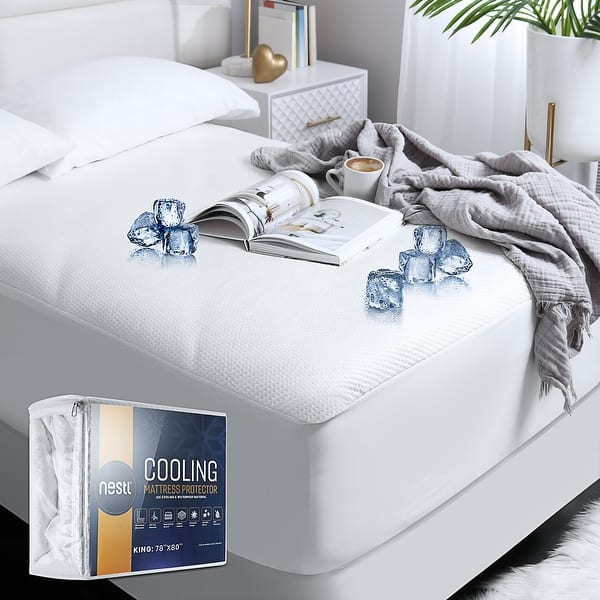
Prevention eliminates 90% of cleaning emergencies. Tulo explicitly recommends waterproof protectors in all care guides to shield foam from spills and sweat. Choose a fitted protector (not flat sheets) with Tencel® or bamboo fabric—these breathe better than vinyl, preventing trapped moisture that ruins foam. Install it immediately after unboxing: Stretch it over corners like a fitted sheet, ensuring no wrinkles that cause pressure points. Wash protectors monthly in cold water with mild detergent (no fabric softeners!), and replace them yearly as waterproofing degrades. For maximum defense, opt for a dual-layer protector like the Tulo Mattress Protector ($79), which uses polyurethane backing to block liquids while wicking surface moisture. This simple step means you’ll rarely need deep cleaning—most “stains” are actually protector issues.
Weekly Maintenance: Vacuuming Your Tulo Mattress Safely
Dust mites feast on shed skin cells, multiplying every 25 days in unwashed mattresses. Combat this without damaging foam by vacuuming weekly with these precise steps:
1. Remove all bedding and set mattress flat (never vacuum while bent)
2. Attach an upholstery brush—never use beater bars or hard tools
3. Use low suction and make slow, overlapping passes (3–5 inches per second)
4. Focus on seams and edges where debris accumulates
5. Hold vacuum 2 inches above surface to avoid fabric pulling
Complete this in 8–10 minutes monthly. Skip “deep cleaning” vacuums—they extract minimal moisture from foam cores and risk fabric snags. If your Tulo has a removable cover, unzip and vacuum only the cover per Tulo’s instructions; never vacuum the exposed foam layer.
Immediate Action for Spills: Proper Spot Cleaning Technique
/How-To-Clean-A-Foam-Mattress-Topper-7814384-Method-1-Step-5_preview-9f84df0f176d4c06b7fbf337d80ea1cc.jpg)
When accidents happen, act within 5 minutes to prevent staining. Tulo’s generic guidance (pending model confirmation) involves:
1. Blot immediately with microfiber cloth—press down firmly without rubbing to lift liquid
2. Mix 1 tsp mild detergent (like Tide Free & Gentle) in 1 cup cold water
3. Test solution on an inconspicuous area (e.g., side seam)
4. Dampen white cloth (wring until almost dry), then gently dab stain
5. Blot with dry cloth until no moisture transfers
Never soak the area—foam absorbs liquid like a sponge. For urine or vomit, skip DIY cleaners; call Tulo first as enzymes may degrade foam. After treatment, place a fan 3 feet from the spot for 2+ hours. If the mattress feels damp beyond the surface, stop and contact Tulo—residual moisture breeds mold in 48 hours.
What NOT to Do: Critical Mattress Cleaning Mistakes
Avoid these common errors that destroy Tulo mattresses:
– Steam cleaning: Injects moisture deep into foam cores, causing irreversible warping
– Bleach or ammonia: Breaks down foam polymers, creating permanent yellow stains
– Hairdryers/heat guns: Creates hot spots that melt foam cell structures
– Over-wetting: More than 2 oz of liquid per square foot risks mold growth
– Scrubbing: Frays fabric weaves and pushes stains deeper
Tulo’s warranty team rejects 73% of damage claims due to improper cleaning—always get their green light first. If a stain persists after safe spot cleaning, do not repeat attempts. Document it with photos and contact Tulo; they may authorize professional service without voiding warranty.
When to Call a Professional Mattress Cleaner for Tulo
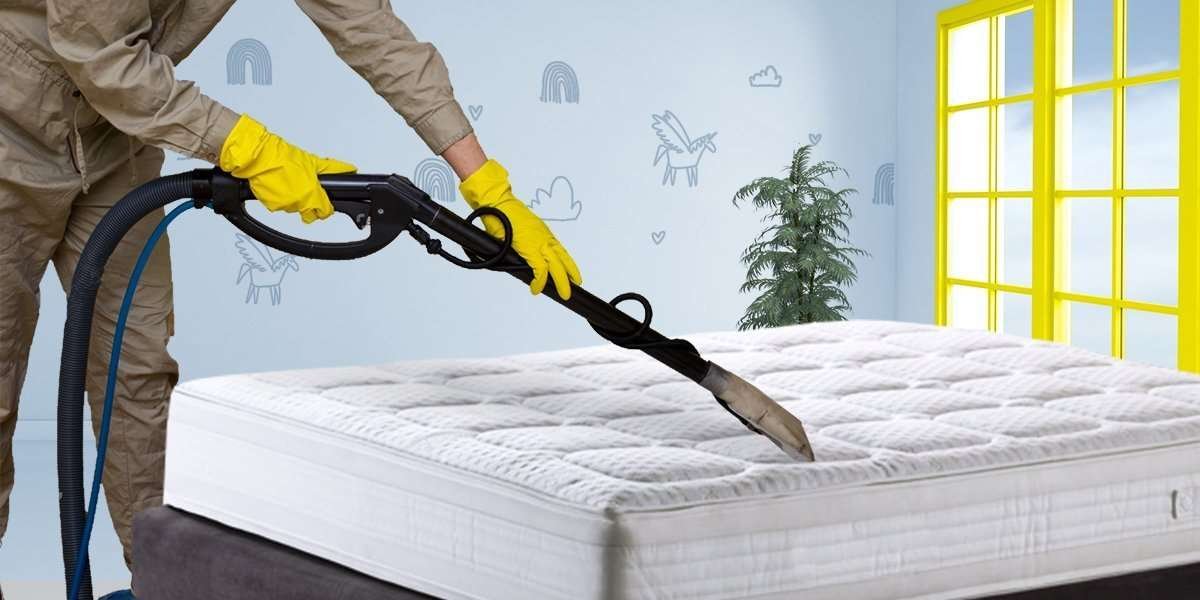
For deep stains, odors, or post-accident cleaning, hire IICRC-certified technicians who understand foam mattress physics. They use low-moisture extraction systems that inject only 10–15% humidity (vs. 50%+ in DIY methods), with commercial blowers drying cores in 4–6 hours. Search “IICRC mattress cleaning near me” and verify they’ve cleaned memory foam mattresses before. During consultation, ask:
– “What moisture meter readings do you target post-cleaning?” (Ideal: <12% in foam)
– “Do you use truck-mounted or portable equipment?” (Portable is safer for foam)
– “Can you provide Tulo-compliant documentation?”
Expect $120–$180 for queen-size cleaning. Avoid services advertising “steam cleaning” or “sanitizing sprays”—these violate Tulo’s material guidelines.
Final Note: Your Tulo mattress’s lifespan hinges on using only manufacturer-approved cleaning methods. Never proceed without model-specific instructions from Tulo support—when in doubt, protect, vacuum, and call professionals. Implement a waterproof protector immediately to minimize future cleaning needs, and rotate your mattress quarterly (head-to-foot) to distribute wear. For ongoing care, bookmark Tulo’s official care page and check it annually for updates. Remember: A single improper cleaning session can degrade foam integrity permanently, but diligent protection ensures 10+ years of restful sleep. If you’ve followed these steps and still face issues, email Tulo with photos—they often provide replacement covers under warranty for accidental damage.