
Your Serta mattress should be a sanctuary for restful sleep, but over time it inevitably collects sweat, dead skin cells, dust mites, and accidental spills that compromise both hygiene and comfort. Learning how to clean a Serta mattress properly is crucial for maintaining a healthy sleep environment and protecting your significant investment. Unlike other household surfaces, your mattress requires special care that avoids moisture damage while effectively removing contaminants. The good news is you don’t need expensive professional services or harsh chemicals—the most effective Serta-approved cleaning method uses a simple household ingredient you likely already have in your pantry. This guide will walk you through the exact steps to safely refresh your mattress, eliminate odors, and extend its usable life without risking permanent damage to the foam structure.
Many well-intentioned homeowners reach for steam cleaners or spray solutions when tackling mattress stains, only to discover they’ve caused irreversible damage to their Serta mattress. Liquid cleaning methods pose serious risks to the specialized foam materials that provide your mattress’s comfort and support. By following the precise dry-cleaning techniques outlined in this guide, you’ll learn how to clean a Serta mattress effectively while preserving its structural integrity. We’ll cover why baking soda is the only safe cleaning agent, exactly how to apply it for maximum effectiveness, and most importantly—what cleaning mistakes could void your warranty and destroy your mattress in just one attempt.
Apply Baking Soda Directly to Stained Areas

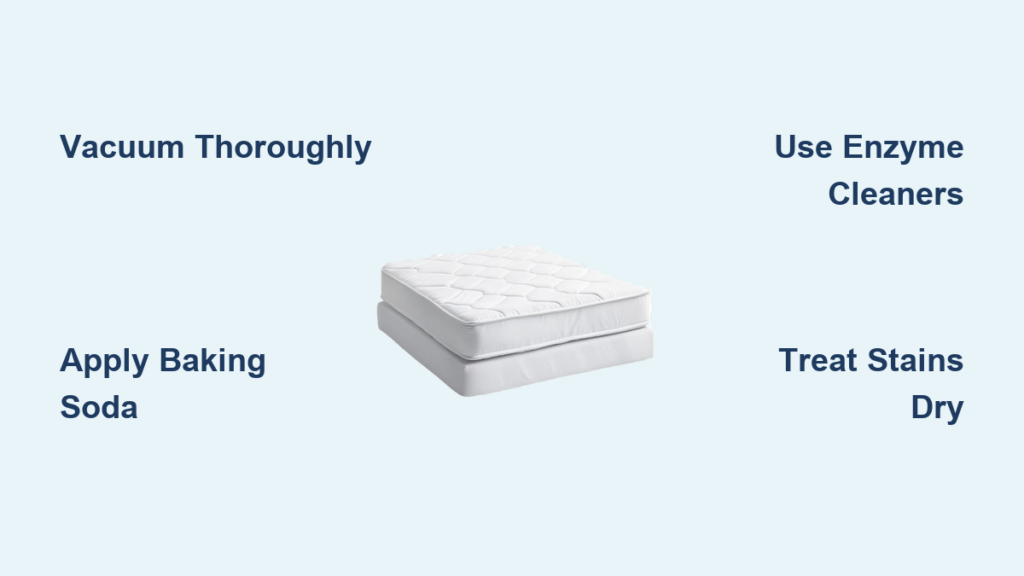
Baking soda stands as the only recommended cleaning agent for Serta mattresses because it works effectively without introducing moisture that could damage foam layers. This simple kitchen staple naturally absorbs odors, draws out surface contaminants, and neutralizes acids from body sweat—all while keeping your mattress completely dry during the cleaning process.
Sprinkle Generously on Problem Zones
Identify any visibly soiled areas or sections where odors seem concentrated, then liberally sprinkle baking soda directly onto these spots. You need enough coverage to create a visible white layer over the affected fabric—typically about ¼ cup per square foot of stained area. Don’t worry about creating a paste or adding water; the dry application is precisely what makes this method safe for your Serta mattress’s delicate materials. For stubborn stains that have penetrated deeper, consider gently working the baking soda into the fabric using a soft-bristled brush with light circular motions.
Enhance with Essential Oils (Optional)
If you prefer a light fragrance after cleaning, add 5-10 drops of essential oil to your baking soda before application. Lavender, tea tree, or eucalyptus oils not only provide pleasant scents but also offer natural antibacterial properties that help eliminate odor-causing bacteria. Mix the oils thoroughly with the baking soda and let it sit for 5 minutes to allow absorption before applying to your mattress. This optional step enhances freshness without compromising the dry-cleaning method essential for Serta mattress safety.
Wait Exactly 15 Minutes for Maximum Absorption
Timing proves critical in the baking soda cleaning process—too short and contaminants won’t fully absorb; too long and the powder becomes difficult to remove completely. The 15-minute waiting period allows baking soda to penetrate fabric fibers and begin neutralizing odors at a molecular level while safely drawing out moisture and oils without damaging foam layers.
Why Timing Matters for Serta Mattresses
Serta’s specialized foam materials respond optimally to this specific timeframe. During these 15 minutes, the alkaline nature of baking soda neutralizes acidic compounds from sweat and body oils while its porous structure captures volatile organic compounds responsible for unpleasant odors. Waiting less than 15 minutes means incomplete absorption, while exceeding 30 minutes risks baking soda becoming embedded in fabric weaves, making complete vacuuming more difficult and potentially leaving residue that could irritate sensitive skin.
Vacuum Every Trace of Baking Soda Completely
Thorough vacuuming represents the most crucial step in the process—any remaining baking soda can create a gritty sleeping surface and potentially damage fabric over time. Use your vacuum cleaner’s upholstery attachment with the suction set to medium-high to ensure complete powder removal without risking fabric damage.
Target Hidden Residue in Seams and Crevices
Pay special attention to mattress seams, tufting details, and any decorative stitching where baking soda accumulates. These areas often harbor the most contaminants and require multiple passes with your vacuum. Tilt the upholstery attachment at different angles to effectively extract powder from between fabric layers. For mattresses with deep quilting, use a soft brush to gently loosen baking soda from crevices before vacuuming to ensure no residue remains trapped near the foam layers.
Never Use Liquid Cleaners on Serta Mattresses

Liquid cleaning solutions pose three distinct threats to your Serta mattress that make them completely unsuitable for regular maintenance. Understanding these risks helps explain why Serta specifically recommends dry cleaning methods and why steam cleaning services often do more harm than good.
How Moisture Damages Foam Structure Permanently
When liquids penetrate Serta’s foam layers, they disrupt the cellular structure responsible for the mattress’s support and comfort characteristics. Moisture causes foam cells to collapse and clump together, creating permanent indentations and uneven surfaces that compromise sleep quality. Unlike fabrics that can dry completely, foam retains moisture internally where it fosters mold growth and accelerates material breakdown—problems that often don’t become visible until significant damage has already occurred.
Why Stains Spread with Liquid Application
Applying liquid to a stain on your Serta mattress often works the contamination deeper into the fabric and foam layers rather than removing it. The moisture acts as a carrier that spreads stain particles across a wider area, making the problem larger and more difficult to address. What begins as a small spot can quickly become a widespread discoloration that penetrates to the foam core, where it becomes impossible to remove without causing additional damage.
Replace Steam Cleaning with Proper Ventilation
After completing the baking soda treatment, proper ventilation becomes essential for eliminating any residual odors and ensuring your mattress returns to optimal condition. Opening windows and using fans creates air movement that accelerates the natural off-gassing process without introducing damaging moisture.
Optimal Drying Environment for Serta Mattresses
Position your mattress upright against a wall in a well-ventilated room for 2-4 hours after cleaning. This vertical position allows air to circulate around all surfaces simultaneously, reaching areas that would remain trapped against the bed frame if left flat. Avoid direct sunlight during this process, as UV exposure can degrade fabric materials over time. For faster results in humid climates, run a dehumidifier in the same room to reduce ambient moisture that could slow the drying process.
Install a Waterproof Mattress Protector Immediately

The single most effective preventative measure for maintaining a clean Serta mattress involves installing a high-quality protector immediately after cleaning. This simple addition creates a barrier that prevents future contamination while allowing the mattress to breathe properly.
Features to Look for in Serta-Compatible Protectors
Choose a protector specifically designed for memory foam or hybrid mattresses that offers complete waterproof protection without compromising breathability. Look for models with deep pockets (at least 18 inches) to accommodate Serta’s thicker profiles and secure elastic corners that won’t slip during use. Opt for protectors with antimicrobial treatment to inhibit dust mites and allergens, and select machine-washable options that can be cleaned weekly along with your sheets.
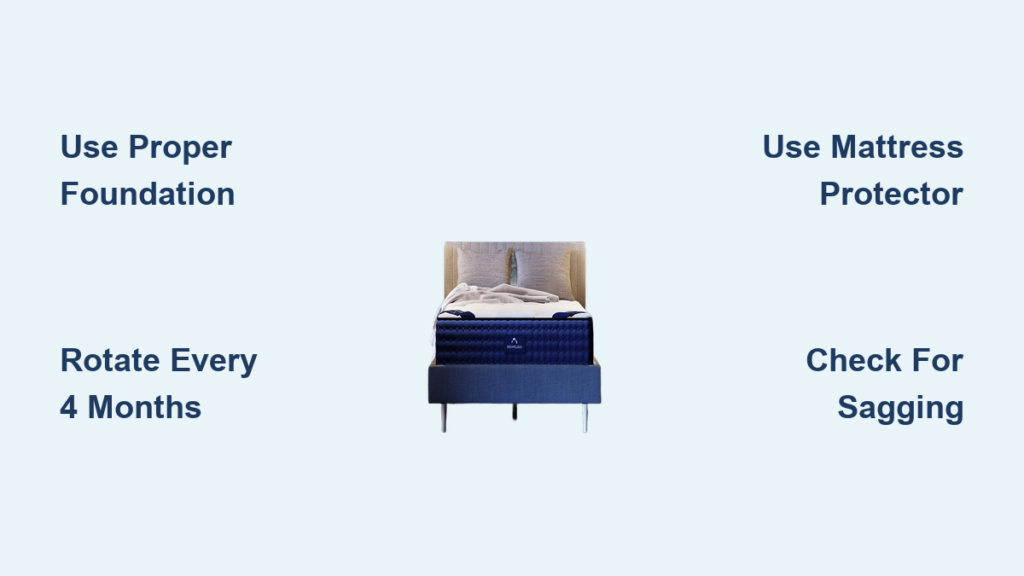
Rotate Your Mattress Monthly for Even Wear
Regular rotation helps distribute body impressions and wear patterns evenly across your Serta mattress surface, extending its usable life and maintaining consistent support. Most Serta models require rotation every 3-6 months, but monthly rotation provides optimal results for maintaining surface cleanliness.
Proper Rotation Technique for Serta Mattresses
For one-sided mattresses (most modern Serta models), rotate 180 degrees so the foot becomes the head. For flippable models, rotate and flip the mattress to utilize both sleeping surfaces. Always lift rather than drag the mattress to avoid damaging internal components, and enlist help for larger sizes to prevent strain or accidental drops that could compromise the foam structure.
Follow This Monthly Mattress Maintenance Routine
Establishing a simple monthly cleaning routine prevents contaminants from accumulating to problematic levels. This proactive approach keeps your Serta mattress fresher between deep cleaning sessions and reduces the need for intensive treatments.
Five-Minute Weekly Refresh Protocol
Vacuum the mattress surface with your upholstery attachment for 2-3 minutes to remove surface dust and dead skin cells. Sprinkle a light dusting of baking soda over the entire surface, let sit for 5 minutes, then vacuum thoroughly. This quick maintenance step prevents odor buildup and reduces the frequency of deep cleaning sessions while keeping your mattress feeling consistently fresh.
Final Verification Before Restoring Bedding
Before putting your sheets back on the freshly cleaned mattress, conduct a final inspection to ensure complete cleanliness and dryness. Run your hand across all surfaces to check for any remaining baking soda residue, and verify there are no damp spots that could indicate moisture penetration.
Quality Assurance Checklist
Confirm all seams and edges are free of powder buildup, check that no discoloration remains in previously stained areas, and ensure the mattress feels completely dry to the touch. If you detect any lingering odors, repeat the baking soda treatment before restoring your bedding. This final verification step guarantees you’re sleeping on a truly clean surface that meets Serta’s care requirements.
By following these precise steps for how to clean a Serta mattress, you’ll maintain a hygienic sleep environment while protecting your investment from premature wear. Remember that baking soda remains your only safe cleaning agent—never compromise by using liquid solutions that risk permanent foam damage. Implementing a monthly maintenance routine combined with a quality protector creates the optimal conditions for mattress longevity. Most importantly, recognize that proper cleaning isn’t just about appearance; it directly impacts your sleep quality, allergy symptoms, and overall bedroom hygiene. With these techniques, your Serta mattress will provide consistent comfort and support for years beyond its expected lifespan, delivering maximum value from your sleep investment.