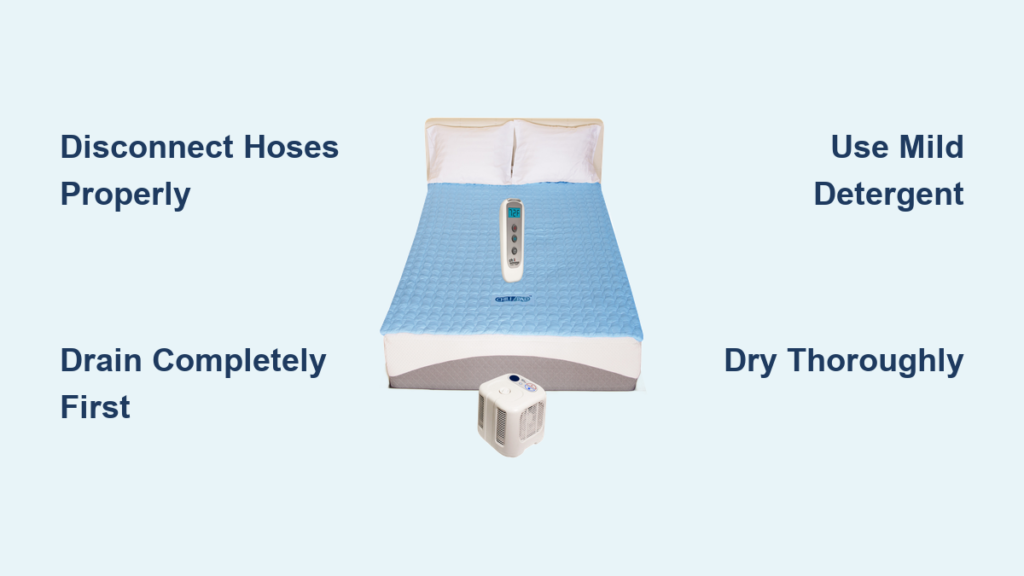
Your Chilipad Pro Mattress Topper represents a significant investment in better sleep, and keeping it clean is essential for both hygiene and optimal performance. Body oils, sweat, dead skin cells, and allergens accumulate nightly, creating an environment where bacteria and odors can thrive. Regular cleaning not only maintains the freshness of your temperature regulation system but also extends its lifespan significantly. The good news is that the Chilipad Pro is designed to be fully machine washable—when you follow the correct procedure. This comprehensive guide walks you through every step, from initial preparation through post-wash care, ensuring your Chilipad continues delivering restful, temperature-controlled sleep for years to come.
Neglecting proper cleaning techniques can lead to mold growth inside the internal chambers, unpleasant odors that permeate your bedroom, and ultimately premature failure of the temperature regulation components. By mastering the correct washing and drying process, you protect both your investment and your health. Let’s dive into the complete care instructions that will keep your Chilipad performing at its best.
Disconnect Hose Assembly Without Damaging Connectors

Improper disconnection is the #1 cause of Chilipad malfunctions during cleaning. Taking 5 extra minutes to disconnect properly protects your $500+ investment and prevents frustrating leaks when you reconnect.
Locate and Release Connector Lock Mechanism
Your Chilipad Pro features a specialized locking mechanism at each hose connection point that must be properly released before separation. Never pull directly on the hoses—this stresses the internal tubing and can cause permanent damage. Instead, locate the small lever or button on the connector housing (typically colored red or blue for hot/cold sides) and press it firmly while gently twisting the connector counterclockwise. You should feel a slight release click before the hose assembly separates cleanly from the pad. If resistance feels excessive, double-check that you’ve fully depressed the release mechanism—forcing it could crack the plastic housing.
Drain Hose Assembly Separately
After disconnecting, don’t forget to drain the hose assembly itself. Prop the hose vertically in your sink with the pump end up, then press the drain key into the pump connection to allow residual water to flow out. This prevents water from dripping onto your floor during storage and ensures no moisture remains to develop odors in the hose lines. Most users overlook this step, only to discover unpleasant smells when they reconnect the system weeks later.
Remove All Internal Water With Proper Drainage Technique
Incomplete drainage causes 90% of washing problems with Chilipad systems. Residual water adds unnecessary weight, dilutes cleaning solution, and creates breeding grounds for mold in hidden chambers.
Insert Drain Key Correctly to Open All Chambers
The Chilipad drain key must be inserted fully into both connector ports to create a complete drainage path. Many users make the mistake of only inserting it partially, which blocks optimal water flow. Push the key firmly until you feel it seat completely—there should be no gaps between the key and the connector housing. For larger queen or king-sized pads, you may need to gently manipulate different sections of the pad to help water move toward the drainage points. Think of it like draining a swimming pool—you want to create the most direct path possible for water to exit.
Verify Complete Drainage by Weight and Sound
Don’t rely solely on visual cues to determine when drainage is complete. Experienced Chilipad owners use two reliable methods: First, lift the pad periodically—when fully drained, it should feel significantly lighter (about 20-30% of its wet weight). Second, gently shake the pad near your ear—you’ll hear water sloshing in any chambers that still contain moisture. Continue draining until both tests confirm complete water evacuation. This typically takes 10-15 minutes for queen-sized pads and up to 20 minutes for king sizes.
Execute Perfect Machine Wash Cycle for Temperature Control Pad

Your washing machine settings make the difference between a refreshed Chilipad and one that develops leaks or odors after cleaning. Getting this phase right protects your investment and ensures thorough sanitation.
Load Machine Properly to Avoid Imbalance
Place your Chilipad Pro in the washing machine with care—never cram it in when it’s still partially wet from drainage. An overloaded or improperly balanced machine can damage both your appliance and the mattress pad. For best results, wash the Chilipad alone without other bedding or clothing, as additional items create friction that can abrade the waterproof membrane. If your machine has a “bedding” or “bulky items” setting, use it to ensure proper water distribution throughout the cycle.
Optimize Detergent Amount for Deep Cleaning
Most users make the critical error of using too much detergent, which leaves residue in hard-to-reach internal chambers. For a standard queen-sized Chilipad, use only ½ the recommended amount for a regular load—typically 15-20ml of mild, free-and-clear detergent. Pour the detergent directly into the drum before adding the pad to ensure even distribution. If you live in a hard water area, consider adding ¼ cup of white vinegar to the rinse cycle to help remove mineral deposits that can accumulate in the tubing over time.
Achieve Complete Drying to Prevent Mold Growth
This is where most Chilipad owners fail—improper drying leads to hidden moisture that causes mold, mildew, and musty odors within weeks. Follow these precise steps to ensure 100% dryness.
Use Tennis Balls to Maintain Pad Structure During Drying
Add 2-3 clean tennis balls to the dryer with your Chilipad to help maintain the pad’s structure and promote even airflow. As the pad tumbles, the balls gently beat against the surface, preventing the internal chambers from sticking together and creating moisture traps. Never skip this step—without agitation, certain areas (especially near the connectors) can remain damp while the rest of the pad dries completely. Check the pad every 20 minutes during drying, fluffing any sections that appear flattened.
Perform Final Moisture Check Before Reconnecting
Before reassembling your Chilipad system, conduct a thorough moisture inspection. Press firmly on multiple areas of the pad, focusing on seams and connector regions—any cool sensation indicates residual moisture. Place a clean white towel against the surface and press down; if the towel shows any dampness, return the pad to the dryer for another 15-20 minutes. This final check prevents 95% of post-wash problems—when in doubt, dry it out. Your Chilipad should feel uniformly warm and dry to the touch across its entire surface.
Implement Smart Protection Strategies for Long-Term Performance
Proper cleaning is only half the battle—strategic protection measures between washes dramatically extend your Chilipad’s lifespan and reduce how often you need to wash chilipad mattress pad.
Choose the Right Mattress Protector for Temperature Regulation
Not all mattress protectors work with temperature control systems. Select a breathable, waterproof protector specifically designed for use with heated or cooled bedding—standard vinyl-backed protectors trap heat and interfere with your Chilipad’s performance. Look for products labeled “cooling,” “temperature neutral,” or “compatible with temperature-regulated bedding.” These specialized protectors feature advanced moisture-wicking technology that transfers body heat effectively while blocking contaminants from reaching your Chilipad surface.
Create a Cleaning Schedule Based on Your Sleep Patterns
Rather than washing on a fixed calendar schedule, tailor your cleaning frequency to your actual usage. Heavy sweaters or allergy sufferers should wash their Chilipad every 4-6 weeks, while average users can typically go 8-12 weeks between cleanings. Keep a small notebook by your bed to track how quickly odors develop or how often you notice visible stains on your sheets—these personal indicators provide the most accurate guidance for when it’s time to wash chilipad mattress pad. Remember that prevention is easier than remediation—addressing minor issues promptly prevents deep-set stains and odors that require more aggressive (and potentially damaging) cleaning methods.
By following these precise washing instructions and implementing smart protection strategies, you’ll maintain your Chilipad Pro in peak condition for years. Proper care ensures you continue enjoying the temperature-regulated sleep experience you invested in, while protecting your health from mold, bacteria, and allergens that accumulate in improperly maintained systems. Your Chilipad represents a significant investment in better sleep—treat it with the care it deserves, and it will reward you with cool, comfortable nights for many years to come.