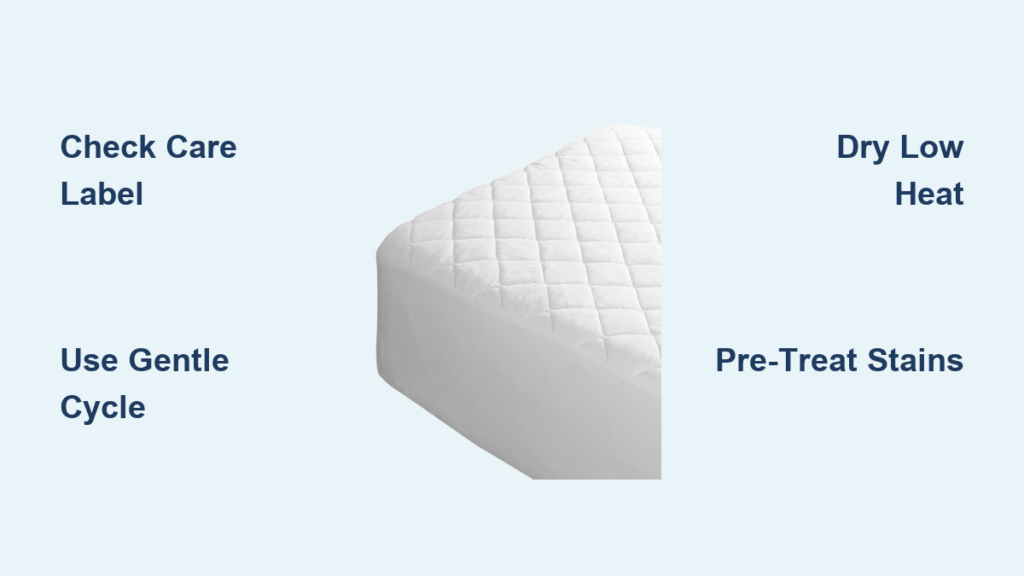
Your mattress cover works tirelessly as your bed’s invisible shield, protecting your investment from sweat, dead skin cells, dust mites, allergens, and accidental spills. Yet these protective layers accumulate everything they ward off, creating a hidden reservoir of debris that affects both your sleep quality and health. Knowing how to wash mattress cover in washing machine properly isn’t just about maintaining bedding—it’s about preserving the barrier that keeps your mattress clean and extending its usable life by years.
This guide walks you through every step of the washing process, from initial inspection through final drying, with specific instructions for different cover types. You’ll learn exactly how to select the right settings, avoid common mistakes that damage waterproof membranes, and establish a maintenance routine that keeps your mattress cover functioning effectively for years to come.
Prepare Mattress Cover for Washing
Before loading your mattress cover into the washing machine, proper preparation prevents damage and ensures thorough cleaning. Taking a few minutes to inspect and pretreat the cover pays dividends in the final results.
Inspect Cover for Damage and Stains
Unfold the mattress cover completely and examine every surface carefully. Check seams, corners, and edges for tears, holes, or weakened fabric that could worsen during the agitation cycle. Pay special attention to the underside, where body oils and sweat accumulate most heavily. If your cover has a waterproof layer, inspect this coating for any peeling, cracking, or separation from the fabric backing—damage here compromises the protective function significantly. Identify any visible stains, discoloration, or problem areas that will require pre-treatment before the main wash cycle.
Check Manufacturer’s Care Labels
Every mattress cover comes with care instructions specifically designed by the manufacturer to preserve the fabric’s integrity and any specialized treatments. Decode the symbols on the label: a wash tub with a number indicates maximum water temperature, a hand symbol means hand washing only, and a circle signals that dry cleaning is acceptable. Ignoring these instructions can void warranties and cause shrinkage, damage waterproof membranes, or degrade flame-retardant treatments. Thirty seconds spent reading these symbols prevents costly mistakes and significantly extends your cover’s lifespan.
Pre-Treat Visible Stains and Spots
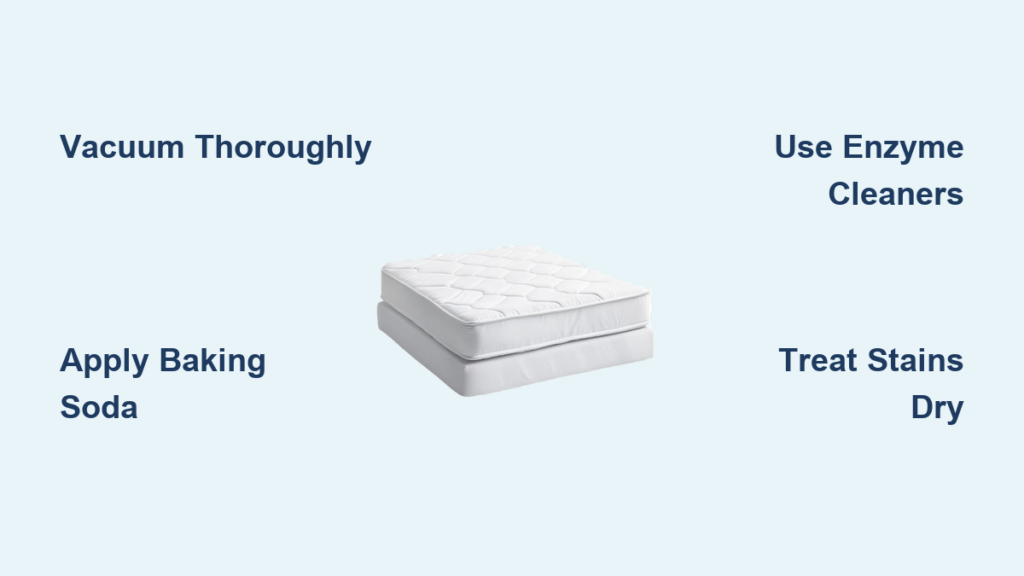
Address stains before the main wash cycle for the best chance of complete removal. For protein-based stains like sweat, blood, or bodily fluids, apply an enzyme-based cleaner directly to the affected area and let it sit for fifteen to twenty minutes to break down organic matter. For urine stains, a mixture of white vinegar and water helps neutralize odors and lift discoloration. General body oils respond well to a baking soda paste applied with a soft brush. Allow all pre-treatment products to work fully before washing, and avoid harsh chemicals or abrasive cleaners that could damage fabric fibers or waterproof coatings.
Choose Correct Wash Settings
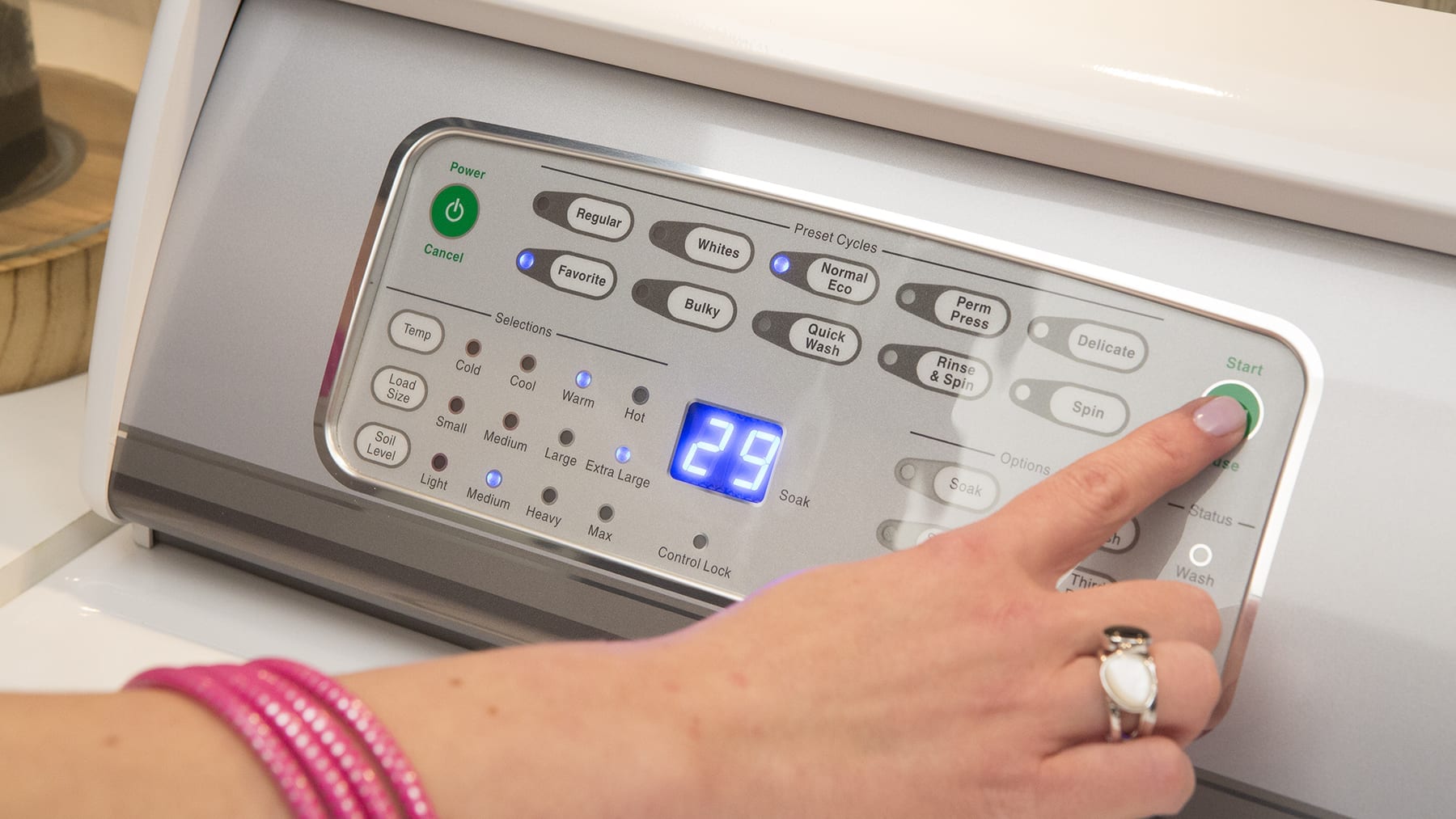
Selecting the right water temperature and machine cycle protects your cover’s materials while ensuring effective cleaning. These settings vary based on fabric type, so matching them to your specific mattress cover makes the difference between successful cleaning and accidental damage.
Temperature Guidelines by Material Type
Water temperature selection directly impacts both cleaning effectiveness and fabric preservation. Cotton and natural fiber mattress covers tolerate higher temperatures well, with warm water between 105-120°F ideal for sanitizing and removing dust mites and allergens. Hot water above 130°F works for periodic deep sanitization but may cause some shrinkage in cotton blends. Synthetic materials like polyester and nylon require cooler temperatures around 90-105°F to protect elastic components and maintain the snug fit. Bamboo and Tencel blends preserve their antimicrobial properties when washed in cool water below 90°F. When uncertain, always err toward cooler temperatures, as repeated heat exposure degrades fibers and waterproof membranes over time.
Select Appropriate Machine Cycle
The washing machine cycle determines agitation intensity during cleaning. For most mattress covers, a gentle or delicate cycle provides sufficient cleaning action while minimizing stress on seams, elastic bands, and waterproof membranes. This reduced agitation prevents the waterproof layer from separating from the fabric backing and protects elastic from stretching out of shape. Heavily soiled covers may need a normal cycle with an extra rinse to remove accumulated debris and detergent residue. Avoid cycles with built-in soak features unless specifically recommended, as prolonged submersion weakens adhesives in waterproof layers. For quilted or padded covers, gentle cycle’s reduced spinning speed also prevents padding from bunching.
Set Water Level Correctly
Proper water level ensures adequate coverage and movement of the mattress cover during washing. These bulky items need sufficient water to move freely through the drum without bunching into tight balls that prevent thorough cleaning. Select the appropriate water level for a large or extra-large load, even if washing only the mattress cover. Adding a few clean bath towels provides additional agitation and helps balance the load, preventing machine imbalance during the spin cycle. However, avoid overloading, as this prevents proper water circulation and causes inadequate cleaning. The cover should move freely when you push it aside during the wash cycle, with water visible above and below the fabric.
Select Right Detergent
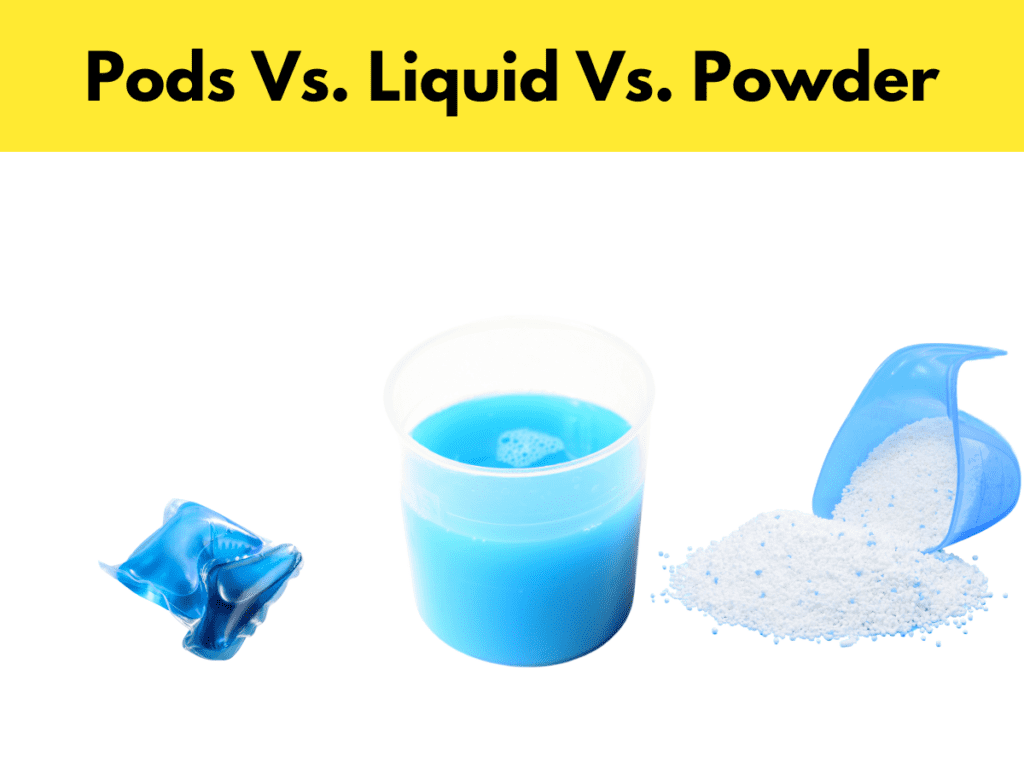
The detergent you choose affects both cleaning results and the preservation of your mattress cover’s materials and treatments. Selecting appropriately ensures effective cleaning without residue or damage.
Choose Detergent Type
For standard cotton and synthetic mattress covers without specialized treatments, regular powdered or liquid laundry detergent removes dirt, oils, and allergens effectively. Liquid detergents dissolve more quickly and help prevent residue buildup, which matters particularly for allergy sufferers. If your cover has a waterproof membrane, avoid detergents with fabric softeners or excessive additives that can coat the waterproof layer and reduce effectiveness over time. For covers treated with flame retardants or technical finishes, use dye-free and fragrance-free detergent to prevent chemical reactions that degrade these treatments. Enzyme-based detergents excel on mattress covers due to their ability to break down protein-based stains and odors from sweat and bodily fluids.
Measure Detergent Properly
Proper measurement ensures effective cleaning without residue that attracts dirt or irritates sensitive skin. Measure detergent according to package directions for heavily soiled loads—mattress covers qualify due to accumulated body oils, dead skin, and debris. For front-loading machines, reduce detergent by about one-third compared to top-loaders, as these use less water and oversuds more easily. Add detergent to the dispenser or directly into the drum before loading the cover, never on top where it could cause localized staining. Using a second rinse cycle helps ensure all detergent residue removes from the cover before drying, particularly important for those with sensitive skin.
Wash Mattress Cover Properly
With preparation complete and settings selected, proper loading and cycle execution ensure your mattress cover receives thorough, safe cleaning.
Load Machine Correctly
Proper loading technique ensures effective cleaning without damage to fabric or machine. First, verify the washing machine drum is clean and free from residue that could transfer to your mattress cover. Unfold the cover completely and drape it loosely through the center of the drum rather than bunching it into a tight ball. If your machine has an agitator, position the cover so it can move freely around this component without wrapping around it during the cycle. Close the lid and select wash settings before starting, as some machines begin filling immediately. Confirm the cover is fully submerged and can move freely by gently pushing it aside before the cycle begins, repositioning if necessary for even water coverage.
Run Complete Wash Cycle
Once loaded and settings confirmed, start the machine and allow the full cycle to run without interruption. Monitor during the first few minutes to ensure proper agitation without bunching or climbing. The wash cycle should run its full duration, typically thirty minutes to an hour depending on the selected program. For heavily soiled covers, stop the machine halfway through to manually agitate and redistribute for more even cleaning. If your machine offers an extra rinse option, select it to ensure thorough detergent removal from fabric and any waterproof layers. Resist adding more detergent mid-cycle, which causes oversudsing and incomplete rinsing.
Dry Mattress Cover Correctly
Drying is just as critical as washing—improper drying causes mildew, damages materials, and undermines all your cleaning efforts.
Use Appropriate Machine Drying Settings
Machine drying offers convenience, but proper settings prevent damage. Select low heat or tumble dry rather than high heat, as excessive temperatures shrink fibers, damage elastic, and degrade waterproof membranes. Cotton covers tolerate medium heat well and dry more quickly while maintaining integrity. Synthetic materials and waterproof covers require low heat or air fluff settings to prevent membrane damage. Add clean tennis balls or dryer balls to fluff the cover and prevent padding bunching, especially important for quilted designs. Remove the cover while slightly damp and allow final air drying to ensure interior layers and waterproof membranes dry completely.
Ensure Complete Dryness Before Reassembly
Complete drying is absolutely essential before returning the cover to your mattress—any trapped moisture causes mildew, mold, and potential damage to both cover and mattress. Check all areas including seams, corners, and padded sections by touch to confirm no dampness remains. Waterproof layers need particular attention as the membrane traps moisture against fabric. If machine drying, use moisture sensor settings or add a fifteen-minute extension. For air-dried covers, allow extra time beyond surface dryness, as padding and inner layers retain moisture longer. Test by folding in half and pressing firmly for hidden moisture, or compare weight to original as a moisture indicator.
Care for Different Cover Types

Mattress covers come in various constructions, each requiring specific care approaches to maintain their unique features and functions.
Waterproof and Water-Resistant Covers
Waterproof covers feature a polyurethane membrane creating a liquid barrier while allowing breathability. This membrane is vulnerable to high heat, harsh chemicals, and excessive agitation, requiring gentler washing and drying practices. Avoid fabric softeners, bleach, and additive-heavy detergents that coat the membrane and reduce waterproof effectiveness over time. Many waterproof covers require cold water on gentle cycles to preserve membrane integrity. Dry on low heat or air fluff only—high temperatures cause cracking, peeling, or brittleness. Even with proper care, waterproof membranes degrade naturally over time; covers showing peeling or reduced water resistance need replacement to maintain effective mattress protection.
Elastic-Edged Versus Zippered Covers
Elastic-edged covers stretch over mattresses and rely on elastic tension to stay in place, requiring care that prevents stretching out or deterioration. Wash in cool to warm water on gentle cycles, dry on low heat to preserve elastic life. Avoid overloading, which causes excessive stretching during movement. Zippered encasements that completely surround the mattress need closed zippers during washing to prevent catching on machine components and to protect the zipper mechanism. Partially unzip after washing to allow pooled water to drain, and only fully zip when completely dry to trap moisture inside.
How Often to Wash Mattress Cover
Washing frequency depends on your household circumstances, health considerations, and lifestyle factors.
Standard Household Guidelines
For typical households without specific health concerns, washing mattress covers monthly provides adequate maintenance. This schedule removes accumulated sweat and dead skin before they become problematic while preventing significant wear from prolonged dirt accumulation. Seasonal adjustments may help—summer months need more frequent washing due to increased sweating, while winter allows slightly extended intervals. Households with teenagers or multiple occupants may need increased frequency due to higher sweat and oil production. Calendar reminders or phone alerts help establish consistent habits.
Special Circumstance Adjustments
Allergy sufferers should wash covers weekly in hot water above 130°F to effectively remove dust mites, pollen, and reaction triggers. Households with pets need washing every one to two weeks, particularly if pets sleep on the bed—pet dander, fur, and accidents require more attention. Families with young children may need bi-weekly or weekly washing due to nighttime accidents and general messiness. Individuals with night sweats should wash weekly regardless of other practices to prevent odor and bacterial buildup. Post-illness situations warrant immediate washing to prevent reinfection or spread.
Quick Reference Care Summary
Washing a mattress cover properly requires attention to preparation, settings, and drying—but the process becomes straightforward with consistent practice. Always check care labels first, pretreat stains, and select gentle cycles with appropriate temperatures for your specific material. Use minimal detergent and add extra rinses to prevent residue. Dry on low heat or air dry completely before reassembly. Waterproof and quilted covers need extra attention to preserve their specialized features. Monthly washing suits most households, with adjustments for allergies, pets, children, or heavy sweating. Regular vacuuming and prompt spot cleaning extend time between thorough washings while maintaining sleep hygiene.
With proper care, your mattress cover protects your mattress effectively for years, preserving your investment and ensuring cleaner, healthier sleep. The small effort required for correct washing pays dividends in extended cover life, better mattress protection, and improved bedroom hygiene.