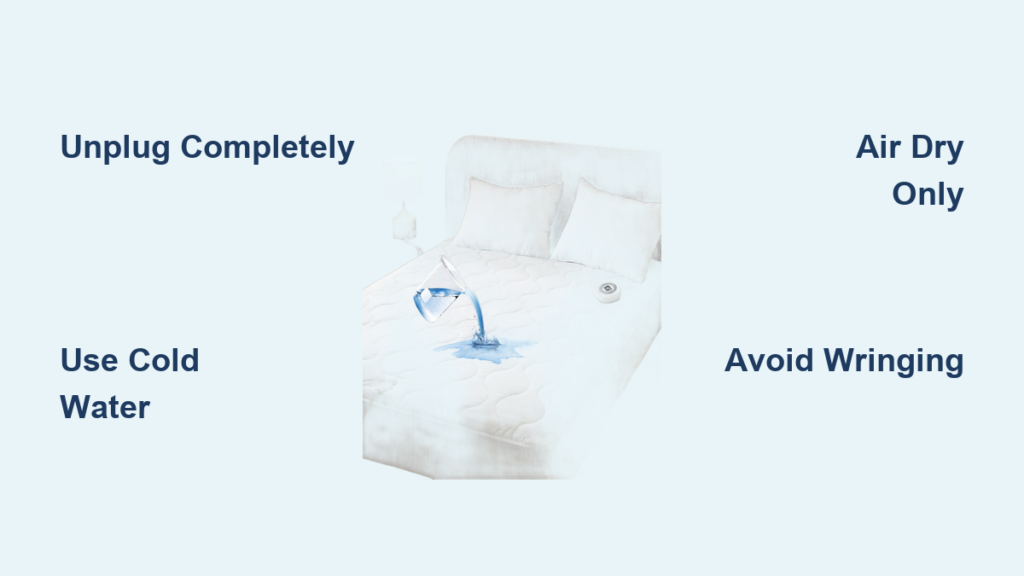
Discovering your electric mattress cover needs cleaning can trigger anxiety—after all, it’s not just regular bedding but a sophisticated heating system designed for comfort. Many users mistakenly treat these specialized covers like standard bedding, risking costly damage to the internal wiring that provides cozy warmth throughout cold nights. If your heated mattress pad shows signs of stains, odors, or general wear, knowing the correct cleaning process becomes essential for maintaining both hygiene and functionality. This guide delivers precise, manufacturer-aligned instructions for safely washing your electric mattress cover while protecting its delicate heating elements.
Unlike conventional bedding, electric mattress covers contain integrated wiring networks that require special handling to prevent electrical damage or safety hazards. Washing these covers improperly can lead to short circuits, reduced heating performance, or complete system failure. By following the specific steps outlined here, you’ll extend your investment’s lifespan while ensuring continued safe operation. Let’s dive into the exact process that keeps your electric mattress cover clean without compromising its heating capabilities.
Disconnect Electrical Components Before Any Cleaning

Before touching water or detergent, completely isolate all electrical elements from your mattress cover. Start by unplugging the control unit from the wall outlet—never attempt cleaning while any component remains connected to power. Locate the detachable cord connection point, typically found near the corner of the cover, and press release tabs while gently pulling the plug straight out. Avoid twisting or bending connectors at sharp angles, as this stresses internal wiring that’s vulnerable to damage.
Remove the control module if your model features a detachable design, which most modern electric mattress covers do. Some units snap off easily while others require unscrewing protective covers—consult your owner’s manual for specifics. Place all electrical components in a dry location away from your cleaning area, preferably in their original storage containers. Never submerge control modules, cords, or any component with visible wiring in water, as even brief exposure can cause electrical shorts that void your warranty and create fire hazards.
Verify Complete Disconnection
Before proceeding, double-check that no electrical components remain attached. Run your fingers along the cover’s edges to confirm all connection points are empty. If you encounter resistance when detaching components, stop immediately—forcing connections can damage delicate wiring. For models with permanently attached cords, take extra care to keep these sections completely dry during cleaning.
Remove Stains Without Damaging Heating Elements
Address visible stains before washing using targeted spot treatment that protects embedded wiring. Examine the entire cover surface, focusing on high-contact areas like where feet rest or near the headboard where body oils accumulate. For fresh spills, gently blot (never rub) with a clean microfiber cloth to absorb liquids without pushing them deeper toward heating elements.
Create a cleaning solution of one tablespoon mild detergent mixed with one cup cool water. Apply this mixture directly to stained areas using a soft sponge, working outward from the stain’s center to prevent spreading. Let it sit for 5-10 minutes before gently rinsing with a damp cloth. For stubborn stains, repeat the process rather than using harsh chemicals that could degrade wire insulation. Always test any cleaning solution on a hidden corner first to check for fabric discoloration.
Set Washing Machine for Electric Bedding Safety
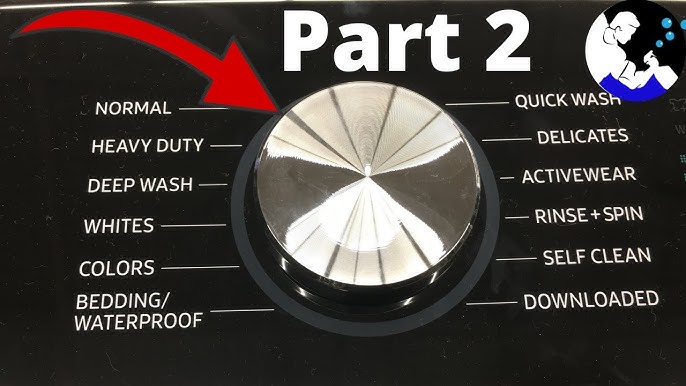
Configure your washing machine with settings specifically designed for electric mattress covers to avoid damaging internal components. Always select the gentle or delicate cycle with cold water (below 86°F/30°C)—higher temperatures can melt wire insulation and warp plastic connectors. Use liquid detergent only (powder may not dissolve completely in cold water), applying half your normal amount to prevent residue buildup around heating elements.
Critical Settings to Avoid
- Hot water cycles – Can permanently damage temperature sensors
- Extended spin cycles – May displace embedded wiring
- Bleach or fabric softeners – Degrade protective coatings on wires
- Heavy laundry companions – Wash alone to prevent snagging
Choose Hand Washing for Maximum Protection
While many electric mattress covers tolerate machine washing, hand washing provides superior control when dealing with delicate components. Opt for hand washing if your cover shows any signs of wear, has non-detachable controls, or if the care label specifies “hand wash only.” Fill a clean bathtub with cool water and mild detergent, then gently submerge your cover without twisting or wringing.
Agitate the water with your hands to create suds, focusing extra attention on stained areas while avoiding vigorous scrubbing. Drain the tub and refill with clean water for thorough rinsing—repeat until water runs clear. To remove excess moisture, gently press the cover against the tub walls without twisting. Hand washing takes 20-30 minutes longer than machine washing but significantly reduces stress on heating elements.
Dry Electric Mattress Cover Without Heat Damage
Air drying represents the safest method for removing moisture from electric mattress covers. Lay your clean cover flat on a drying rack or clean towels in a well-ventilated room away from direct sunlight and heat sources. Flip the cover every few hours to ensure even drying of both sides, which typically takes 24-48 hours depending on humidity levels.
If machine drying is unavoidable, use only the “air fluff” or “no heat” setting for maximum 30 minutes. Add clean tennis balls to maintain loft and prevent heating element clumping. Remove the cover while still slightly damp and finish air drying to minimize heat exposure. Never use dryer sheets, high heat settings, or direct sunlight for drying—these can melt wire insulation within minutes.
Protect Heating Wires During Cleaning Process
Throughout the entire cleaning procedure, handle your electric mattress cover with awareness of its internal wiring layout. Most models feature heating elements concentrated in horizontal or vertical bands across the surface—avoid folding the cover sharply along these lines. When moving the cover, support its full weight evenly to prevent wire displacement that creates cold spots.
Never twist, wring, or stretch the fabric during washing or drying, as these actions can break delicate connections between heating elements. Keep the cover submerged during hand washing to maintain even water distribution that prevents stress points. For machine washing, ensure the drum has adequate space—overloading creates excessive friction that damages wire insulation over time.
Maintain Your Cover Between Deep Cleanings
Extend time between full washings with simple weekly maintenance that preserves both fabric and electronics. Place a standard mattress protector over your electric cover to create a washable barrier against body oils and spills. Vacuum the cover monthly using your vacuum’s upholstery attachment with low suction to remove dust without stressing wiring.
Spot clean minor stains immediately using the gentle detergent solution described earlier, rather than waiting for full wash cycles. Allow your cover to air out for 2-3 hours weekly by removing bed linens and opening bedroom windows—this dissipates moisture from normal use that can lead to mold growth between deep cleanings.
Troubleshoot Post-Wash Heating Issues

After washing and reconnecting your electric mattress cover, address common issues before assuming permanent damage. If sections fail to heat, check all connection points for proper seating—washing can sometimes loosen these critical junctions. Verify the control module displays power indicators and confirm you’ve selected an appropriate heat setting.
For complete failure to heat, inspect connection points for moisture using a magnifying glass. Even invisible moisture can prevent electrical flow—allow 24 additional hours of drying time with connections separated. If problems persist after thorough drying, contact the manufacturer before attempting repairs, as unauthorized servicing typically voids warranties on electric bedding products.
Store Electric Mattress Cover for Long-Term Protection
Prepare your electric mattress cover for seasonal storage with these critical steps. Ensure complete dryness by air drying an additional 12 hours beyond when the fabric feels dry to the touch—trapped moisture causes corrosion during storage. Store electrical components separately in anti-static bags with silica gel packets to prevent moisture damage.
Fold the cover loosely with acid-free tissue paper between layers to prevent creasing along heating element pathways. Never compress the cover tightly in storage containers, as this stresses wire insulation over time. Store in a breathable cotton bag within a climate-controlled space—avoid attics, basements, or garages where temperature fluctuations occur.
By following these precise cleaning procedures, you’ll maintain both the comfort and safety of your electric mattress cover for years beyond typical product lifespans. Proper care prevents the most common causes of premature failure in heated bedding while keeping your sleeping environment fresh and hygienic. When in doubt about any cleaning step, always consult your specific model’s manual before proceeding—your manufacturer’s instructions override general guidelines when discrepancies exist.