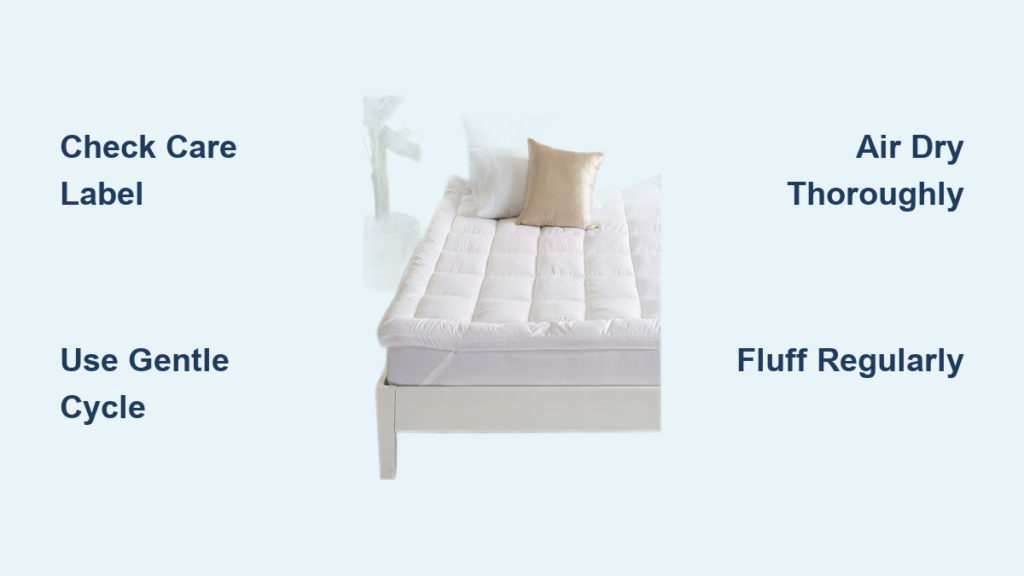
A thick mattress topper transforms your sleep experience by adding luxurious comfort and pressure relief to an aging mattress. Yet over time, these essential sleep accessories accumulate sweat, dead skin cells, dust mites, and occasional spills—making regular cleaning crucial for both hygiene and longevity. Washing a thick mattress topper presents unique challenges that differ significantly from laundering smaller bedding items. The added bulk, specialized materials, and extended drying requirements demand a strategic approach to prevent damage while achieving a thorough clean.
Knowing how to properly wash your thick mattress topper protects your investment and ensures you continue enjoying restful, allergen-free sleep. Many owners avoid cleaning theirs entirely, fearing they’ll ruin the foam or struggle with drying times that stretch into days. Others attempt washing only to discover their topper has lost shape, developed mold, or absorbed unpleasant odors. This guide walks you through proven methods for cleaning thick mattress toppers safely, regardless of your specific material type, and helps you avoid the common mistakes that lead to costly replacements.
Before you begin, assess your topper’s material composition, check the manufacturer’s care label for specific cleaning instructions, and evaluate whether your washing machine can accommodate the bulk. Thick mattress toppers often weigh 20 to 50 pounds when saturated with water—far exceeding what most residential machines handle comfortably. Understanding these foundational considerations prevents costly errors and ensures your cleaning efforts deliver satisfying results rather than disappointment.
Check Manufacturer Guidelines First
Your mattress topper’s care label contains critical information that determines whether machine washing is safe or if alternative cleaning methods are required. These guidelines exist because different materials respond dramatically differently to the same cleaning approaches. Memory foam requires gentle handling that would unnecessarily prolong cleaning for more resilient cotton toppers, while latex cannot tolerate the heat that works perfectly for polyester fills. Ignoring these specifications voids warranties and risks irreversible damage.
Locate the sewn-in care label or printed hang tag, which typically indicates whether machine washing is approved, specifies water temperature ranges, and identifies prohibited treatments like bleaching or high-heat drying. Pay close attention to symbols indicating “dry clean only” or “spot clean only”—these restrictions often apply to premium materials or toppers with complex constructions that agitation would compromise. When in doubt, contact the manufacturer directly for clarification rather than risking damage through trial and error.
If you’ve discarded the original documentation, search online using your topper’s brand name and product number. Most manufacturers maintain digital care guides that you can reference before proceeding. Document any specific restrictions you discover, as these will shape your entire cleaning approach and help you select appropriate products and methods. Never assume your topper can handle standard washing procedures without verification.
Evaluate Your Washing Machine Capacity
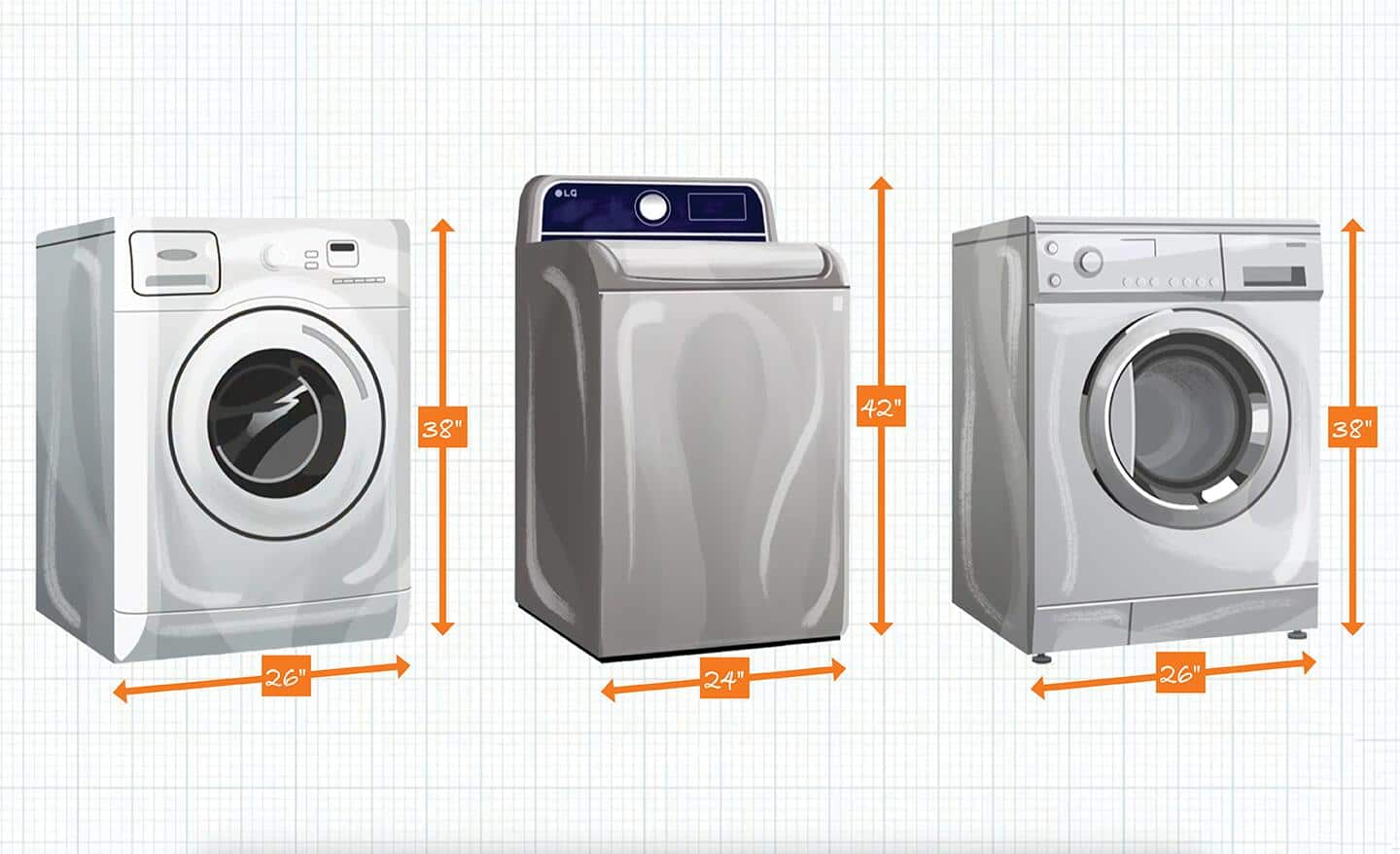
Thick mattress toppers present significant challenges for standard washing machines due to their size and weight when wet. A queen-size memory foam topper saturated with water can easily exceed 60 pounds—well beyond the capacity of most residential washers and a weight that causes imbalance and potential damage during the spin cycle. Before attempting machine washing, honestly assess whether your equipment can handle the load.
Top-loading washers with agitators generally accommodate bulky items better than high-efficiency front-loading models, though the agitator itself can damage delicate foam structures. Front-loading machines provide gentler tumbling action but may struggle to thoroughly saturate dense foam cores. If your topper barely fits with the lid closed or requires forcing to fit, machine washing is likely to prove problematic regardless of your machine type.
For toppers that exceed your washer’s capacity, consider commercial-grade equipment available at laundromats. These industrial machines offer larger drums, more powerful agitation, and faster spin cycles that dramatically reduce drying time. However, even commercial machines may struggle with extremely thick or dense toppers, making alternative cleaning approaches necessary in some cases. Measure your topper dimensions against your machine’s capacity specifications before proceeding.
Choose Between Machine Washing and Hand Cleaning
Deciding whether to machine wash or hand clean your thick mattress topper depends on several interconnected factors: material composition, degree of soiling, available equipment, and your tolerance for effort and time investment. Each approach offers distinct advantages and limitations that suit different situations.
Machine washing provides superior cleaning action and complete saturation, making it ideal for heavily soiled toppers that need thorough cleaning rather than surface maintenance. The agitation and water flow penetrate foam layers to release embedded dirt, sweat residue, and allergens that hand cleaning cannot reach. However, machine washing subjects your topper to mechanical stress that can degrade foam structure over time and requires access to equipment capable of handling the load safely.
Hand cleaning offers gentler treatment that preserves foam integrity while still delivering effective cleaning for moderately soiled toppers. This approach works particularly well for memory foam and latex, which benefit from reduced agitation. Hand cleaning also eliminates the logistics challenges of transporting oversized items to commercial facilities. The tradeoff is significantly more physical effort and longer overall cleaning time, particularly during the rinsing phase where ensuring complete detergent removal demands patience and attention.
Machine Washing Thick Mattress Toppers
When machine washing is appropriate for your topper material and your equipment can handle the load, executing the process correctly determines whether you achieve a thorough clean or cause damage. Follow these steps to maximize cleaning effectiveness while minimizing stress on your topper and washer.
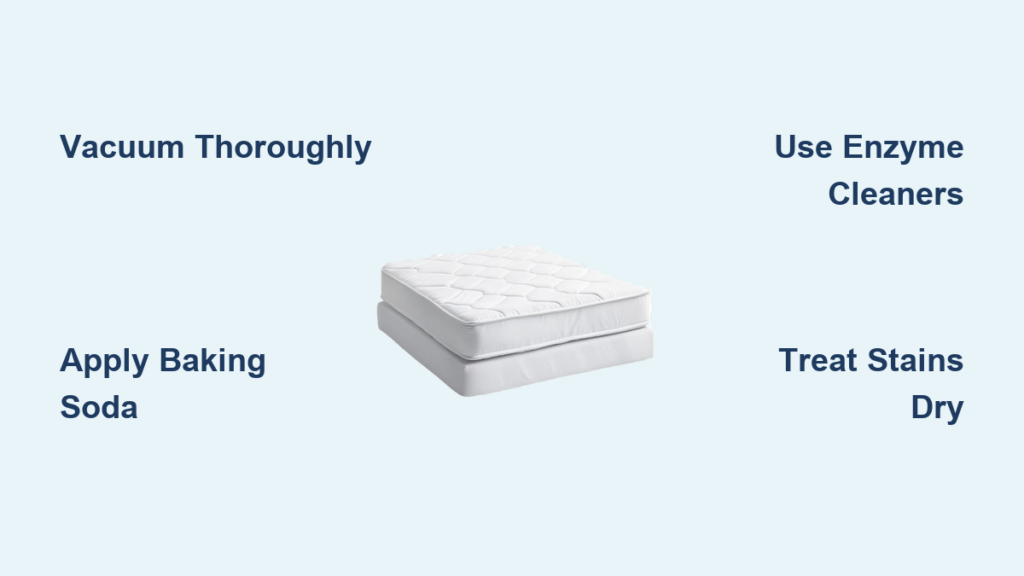
Begin by vacuuming both surfaces of your dry topper using an upholstery attachment to remove loose debris, dust, and hair before introducing water. This preliminary step prevents the washer from redepositing grime onto clean surfaces and reduces the overall soil load your cleaning cycle must address. Pay particular attention to seams and crevices where debris accumulates, as these areas often harbor the most significant contamination.
Select a gentle cycle with cold or lukewarm water—never hot, as heat can degrade foam adhesives and cause deformation. Use a mild detergent formulated for delicate fabrics or technical sportswear, as these products rinse cleanly without leaving residue that attracts future soiling. Avoid standard laundry detergents, fabric softeners, and bleach, all of which can damage foam fibers and leave residues that degrade performance over time.
Run a full wash cycle followed by multiple rinse cycles to ensure complete detergent removal. Residual detergent in foam creates stiffness, attracts dirt, and may trigger allergic reactions for sensitive sleepers. After washing, extract excess water using the slowest spin speed available, then immediately transfer your topper to the drying area. Never leave a wet topper sitting in the washer, as trapped moisture promotes mold and mildew growth that creates persistent odor problems.
Essential Drying Techniques and Timeframes
Drying represents the most critical phase of washing a thick mattress topper, and improper drying causes more failures than any other aspect of the cleaning process. Foam retains enormous quantities of water that evaporate slowly, creating conditions where mold and mildew develop if drying is incomplete or occurs in humid environments. Plan for at least 24 to 48 hours of dedicated drying time, with thicker toppers potentially requiring three to four days.
The safest drying approach combines air drying with periodic fluffing and repositioning. Lay your topper flat in a well-ventilated room with good air circulation and exposure to gentle air movement from fans or open windows. Every few hours, flip the topper, rotate its position, and gently squeeze or press to break up any foam sections that have matted together during drying. This regular intervention ensures even drying throughout and prevents the uneven texture that results when some sections dry faster than others.
Adding low-heat dryer cycles can accelerate drying for machine-washable toppers, but this approach requires careful management to prevent heat damage. Place the topper in a large dryer with several clean tennis balls or dryer balls, which tumble against the foam to prevent clumping and accelerate fluffing. Use the lowest heat setting available and run cycles of 30 to 45 minutes with breaks between cycles to allow the foam to cool and redistribute moisture. Expect to run multiple cycles before complete dryness is achieved, and always verify dryness by pressing firmly across the surface to confirm no cool, damp areas remain.
Material-Specific Cleaning Considerations
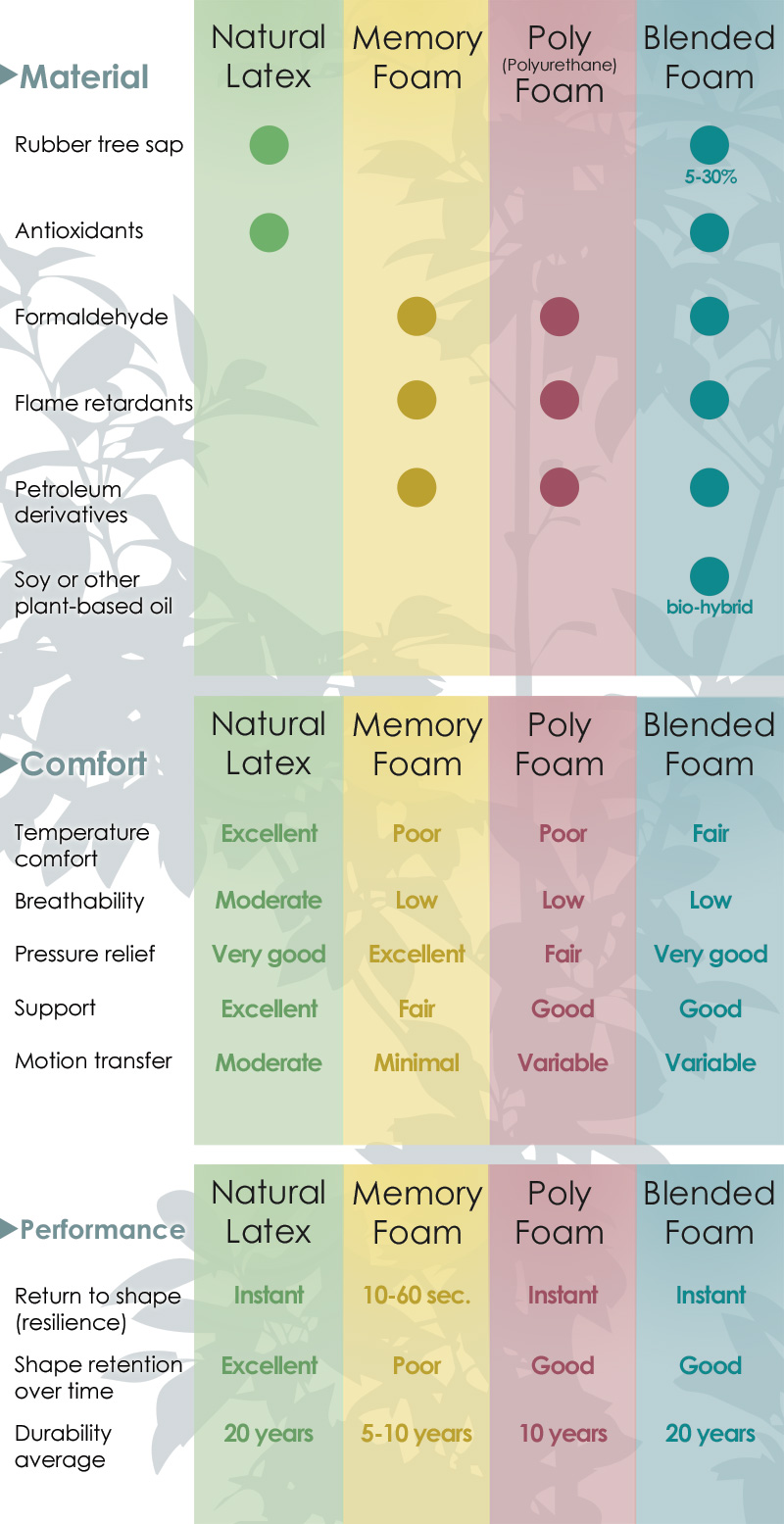
Different topper materials demand distinct cleaning approaches that respect their unique properties and limitations. Memory foam, latex, cotton, and polyester fiberfill each respond differently to water, agitation, heat, and cleaning products. Understanding your topper’s material composition allows you to select methods that clean effectively without causing damage.
Memory foam toppers require the gentlest treatment due to their dense cell structure that tears easily under stress and their sensitivity to heat that causes permanent deformation. Hand cleaning with mild detergent solution, thorough rinsing through pressing rather than wringing, and air drying with frequent repositioning represents the ideal approach. Machine washing is possible for some memory foam toppers but should use gentle cycles with minimal agitation and never employ spin speeds high enough to stress the foam.
Latex toppers offer greater durability than memory foam but cannot tolerate high heat that causes them to become brittle over time. Cleaning follows similar principles to memory foam—mild detergent, gentle handling, air drying—though latex tolerates slightly more vigorous agitation during hand cleaning. Ensure complete drying before returning the topper to service, as trapped moisture trapped within latex creates ideal conditions for mold growth that proves extremely difficult to eliminate.
Maintaining Your Topper Between Deep Cleans
Regular maintenance between comprehensive cleanings extends the intervals between intensive washing and preserves your topper’s appearance and performance. Implementing consistent maintenance habits also makes eventual deep cleaning easier by preventing heavy soil accumulation that demands more aggressive treatment.
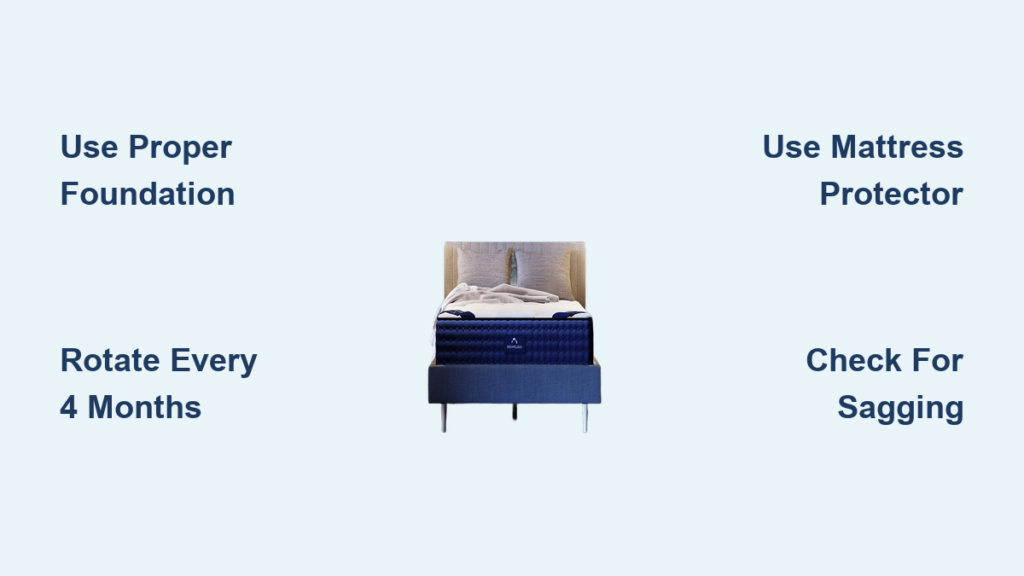
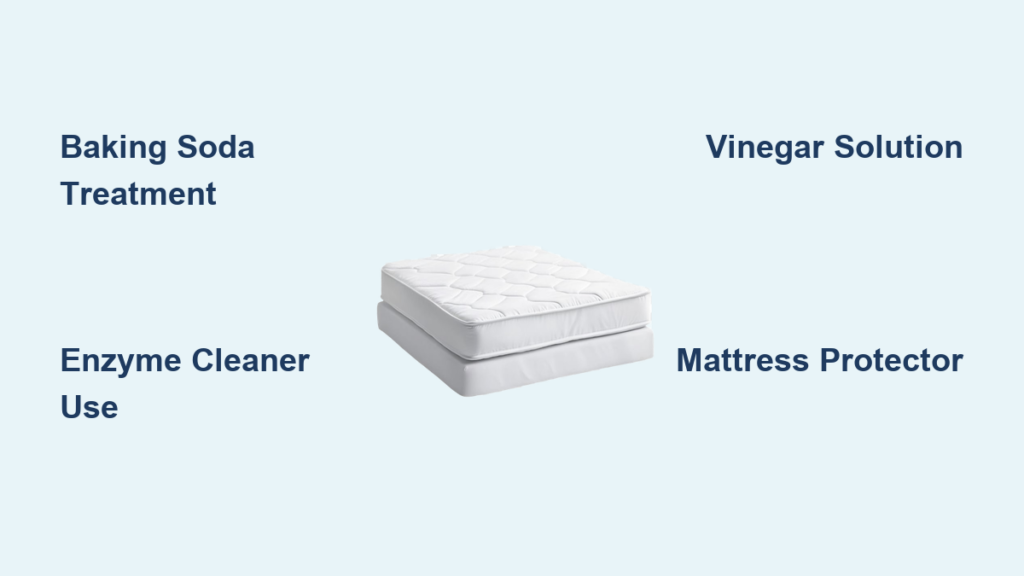
Using a mattress protector creates the first line of defense against the sweat, oils, and spills that ultimately soil your topper. Select a breathable, waterproof protector that blocks liquids while allowing air circulation—vinyl or plastic-backed options trap moisture and create conditions that damage toppers over time. Wash the protector monthly along with your sheets, and replace it annually or sooner if it develops rips or loses waterproofing effectiveness.
Vacuuming your topper monthly removes surface dust, dead skin cells, and allergens before they penetrate the material. Use an upholstery attachment with gentle suction, working systematically across both surfaces to capture loose contamination. Immediately address spills or stains when they occur by blotting with a clean, damp cloth and applying appropriate spot treatment before the stain sets.
Rotating your topper end-to-end and flipping it if construction allows distributes wear evenly across the material, preventing body impressions that create uncomfortable sleeping surfaces and concentrate soiling in specific zones. Perform this rotation monthly along with your vacuuming routine for consistent maintenance that keeps your topper performing optimally throughout its lifespan.
Final Considerations Before You Begin
Successfully washing a thick mattress topper requires planning, appropriate methods for your specific material, and patience during the drying phase that determines ultimate success or failure. Rushing through any stage of the process compromises results and may damage your topper permanently. Block adequate time—typically a full day or two for complete washing and drying—before beginning the process.
Gather all necessary supplies before starting: mild detergent appropriate for your topper’s material, access to adequate drying space with good air circulation, and backup plans for scenarios where machine washing proves inappropriate or drying conditions are unfavorable. Having everything ready prevents mid-process interruptions that leave your topper in vulnerable states of partial cleaning or incomplete drying.
Accept that washing a thick mattress topper requires significant effort and time investment, particularly for hand-cleaned items or those dried without mechanical assistance. This investment pays dividends through extended topper lifespan, improved sleep hygiene, and the satisfaction of maintaining your sleep environment properly. Approach the task as routine maintenance rather than emergency cleaning, and you’ll find the process manageable and worthwhile.