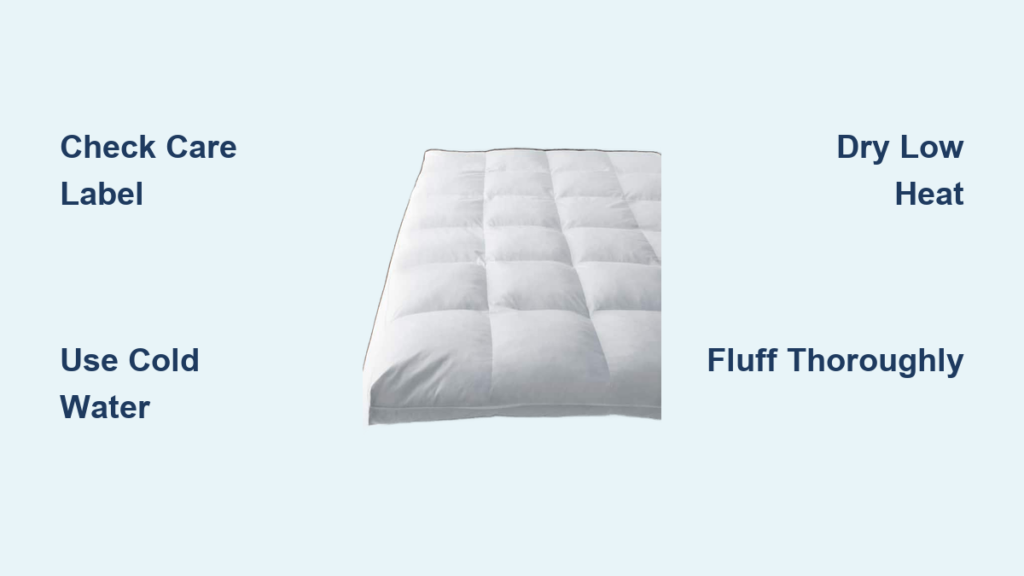
Waking up to a fresh, clean mattress topper makes a noticeable difference in your sleep quality and bedroom environment. Many homeowners struggle with properly cleaning their polyester mattress toppers, fearing shrinkage, matting, or permanent damage if they use the wrong technique. Polyester is actually one of the most resilient and wash-friendly materials for mattress toppers—you just need to follow specific steps to maintain its comfort and longevity. This guide provides the exact process to safely wash your polyester mattress topper at home, avoiding common pitfalls that could ruin your investment.
Incorrect washing techniques cause more damage to mattress toppers than regular use. Using hot water, skipping proper drying, or selecting the wrong detergent can lead to lumpy, matted filling that never regains its original comfort. The good news is that with the right approach, you can extend your topper’s lifespan by several years while keeping it hygienic and fresh. Let’s dive into the complete process that ensures your polyester mattress topper comes out clean, fluffy, and ready for restful sleep.
Verify Your Topper’s Washability First
Before attempting any cleaning, locate and read the care label attached to your mattress topper. This small tag provides critical manufacturer-specific instructions that override general guidelines. Look for symbols indicating machine washability, water temperature limits, and drying restrictions. Some polyester toppers have special treatments or constructions that require professional cleaning only.
If your care label is missing or illegible, search online for your specific brand and model number. Many manufacturers publish care instructions on their websites for products without visible labels. When in doubt, assume your topper needs the gentlest possible treatment. Most polyester mattress toppers tolerate cold water washing on delicate cycles, but never guess when it comes to water temperature or agitation levels.
Pay particular attention to warnings about top-loading machines with central agitators. These can damage the internal structure of your topper during the wash cycle. Front-loading machines or commercial-sized washers at laundromats typically handle bulky bedding better with less risk of damage. Ignoring these specific instructions is the fastest way to ruin an otherwise durable mattress topper.
Pre-Treat Stains Before Washing
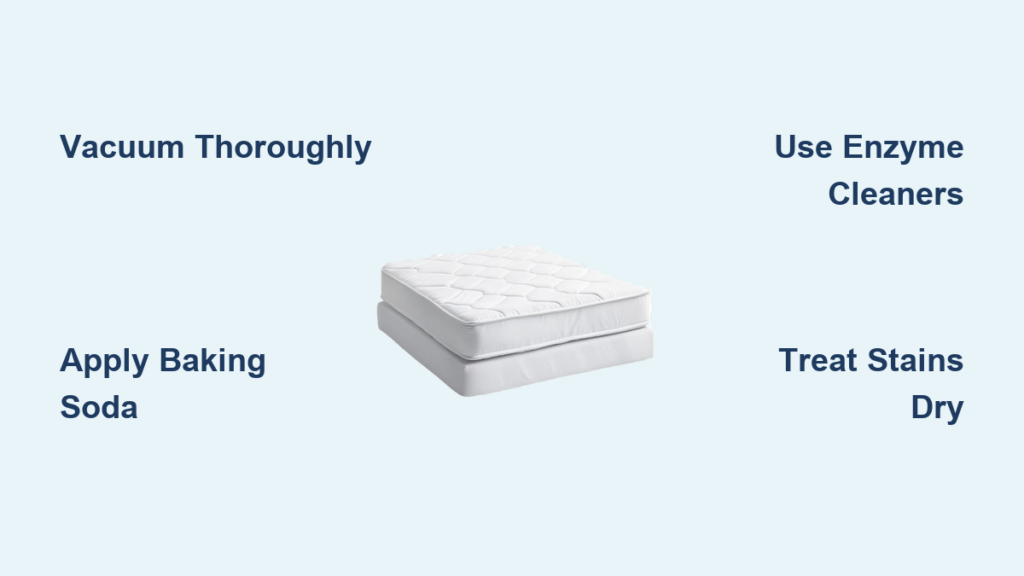
Spot treatment before the main wash cycle dramatically improves your results. Identify any visible stains—yellow sweat marks, food spills, or bodily fluid stains—and apply a targeted solution. Mix one tablespoon of mild liquid detergent with one cup of cool water, then dab this solution onto stains using a clean white cloth. Work from the stain’s outer edge toward the center to prevent spreading.
Allow pre-treatment solutions to dwell for 20-30 minutes before washing. This penetration time breaks down oils and residues trapped deep in the polyester fibers. For stubborn stains like blood or urine, use an enzymatic cleaner designed for synthetic fabrics—these break down organic matter rather than just masking odors. Apply the cleaner, let it work for 15 minutes, then proceed with your regular wash.
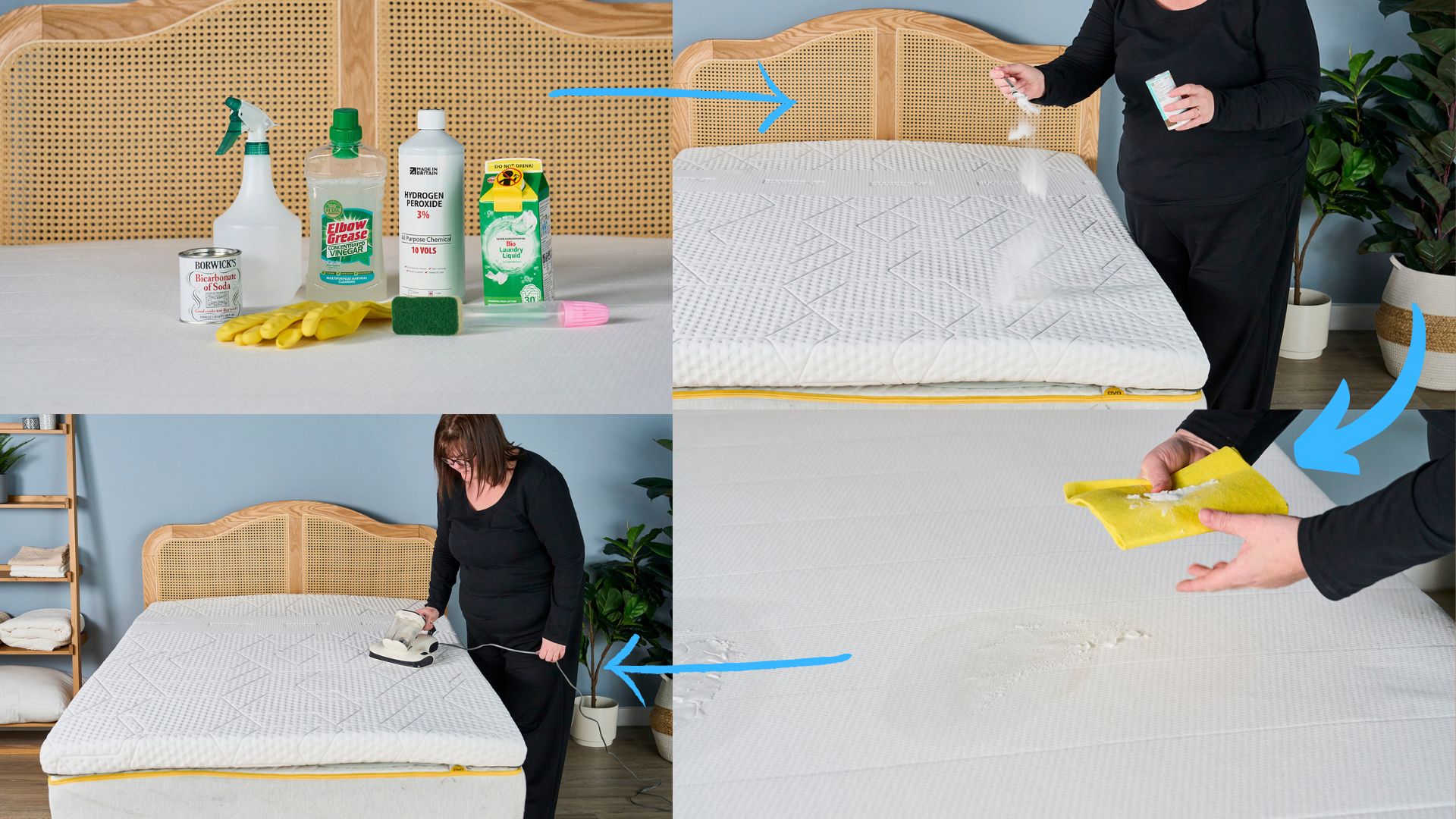
Never use bleach or harsh stain removers on polyester. These chemicals degrade synthetic fibers over time, causing yellowing and weakening the material. For oil-based stains, sprinkle baking soda on the area first to absorb grease before applying your detergent solution. This two-step approach removes more residue than detergent alone and prevents stains from setting permanently during washing.
Select Optimal Washer Settings

Your washing machine settings make or break the cleaning process. Choose the gentle or delicate cycle with minimal agitation—this protects the polyester fill from shifting and clumping. Set water temperature to cold or warm (30-40°C / 85-105°F max)—hot water causes polyester to shrink and lose loft permanently. If your machine has a “bulky items” setting, use this option for better water distribution.
Load size significantly impacts results. Your topper needs room to move freely in the drum—overloading prevents proper cleaning while underloading causes imbalance. If your home washer can’t accommodate the topper comfortably, visit a laundromat with commercial machines. Never force a too-large topper into a small washer, as this strains both the machine and your bedding.
Use half the detergent amount you’d normally apply to a regular load. Excess suds don’t rinse out completely from thick toppers, leaving residue that attracts dirt faster. Add a second rinse cycle if possible—this ensures all detergent washes out, preventing skin irritation and material breakdown. Skipping this step is one of the most common mistakes that ruins otherwise properly washed toppers.
Dry Thoroughly to Prevent Mold
Improper drying causes more damage than incorrect washing. Always dry on low heat or air fluff settings—high heat melts polyester fibers and creates permanent lumps. Add 2-3 clean tennis balls or wool dryer balls to the load; these break up clumps as they tumble, restoring loft while speeding drying time.
Check dryness frequently by squeezing the thickest sections. Polyester retains surprising moisture, and surface-dry toppers often have damp centers that breed mold. Continue drying in 15-minute increments until every part feels completely dry—this typically takes 60-90 minutes in a standard dryer. Never remove a topper that feels even slightly damp; residual moisture causes mildew within hours.
For oversized toppers that won’t fit in home dryers, air drying works but requires vigilance. Lay flat on a clean surface in a well-ventilated room, flipping every 2 hours. This method takes 24-48 hours and only works in low-humidity conditions. Never hang vertically—this stretches the material and creates uneven drying that leads to permanent wrinkles.
Restore Fluffiness After Washing
Freshly dried toppers often appear flat and lumpy—this is normal. Remove immediately from the dryer and vigorously shake to redistribute filling. Work your hands through the material, gently separating clumped fibers while the topper is still warm. Focus on edges and corners where fill typically concentrates during washing.
Allow the topper to rest for 60-90 minutes before placing on your mattress. This cooling period lets fibers fully recover and any residual moisture evaporate. Placing a warm topper directly on your bed traps heat and creates damp conditions perfect for mold growth. Properly restored, your topper should feel uniformly plump across its entire surface.
If stubborn lumps remain after hand-fluffing, lay the topper outside in light shade for 2-3 hours. Gentle air movement helps fibers separate naturally without mechanical stress. Avoid direct sunlight—UV rays degrade polyester over time, causing premature wear and discoloration.
Maintain Cleanliness Between Washes
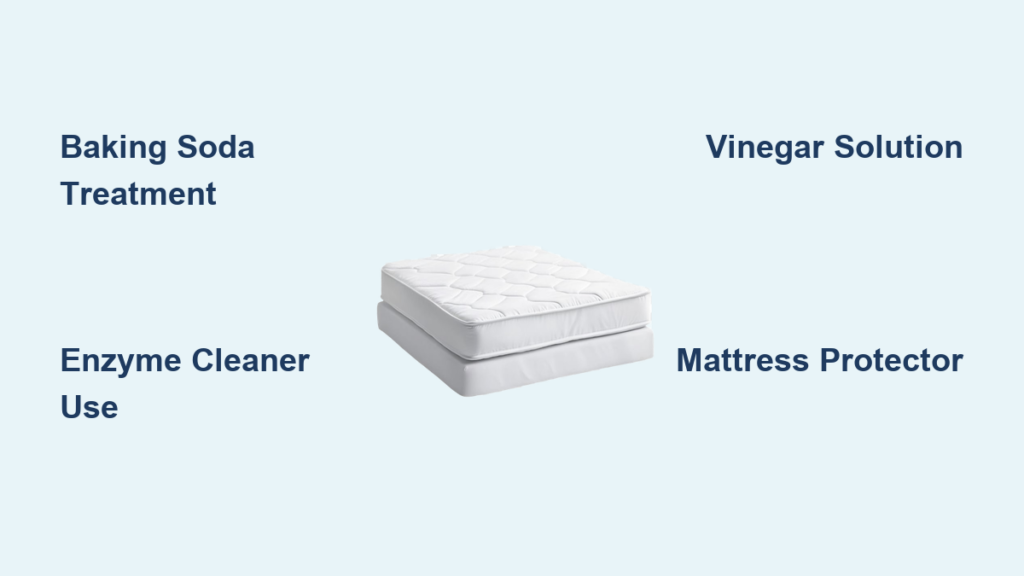
Extend time between full washes with simple maintenance habits. Use a waterproof mattress protector that covers both your mattress and topper—this barrier catches sweat, spills, and dead skin before they penetrate your topper. Wash the protector weekly to maintain hygiene without frequent topper cleaning.
Vacuum your topper monthly using the upholstery attachment. This removes surface dust and allergens without introducing moisture. For spot cleaning, address spills immediately with a damp cloth and mild soap solution, blotting rather than rubbing to prevent stains from setting. Never saturate the material—polyester dries slowly, and excess moisture invites mold.
Air out your topper every 2-3 weeks by removing it from the bed for several hours. This reduces moisture buildup and dissipates odors naturally. Occasional sunlight exposure (limited to 1-2 hours) provides mild disinfection, but prolonged UV exposure damages polyester fibers over time.
Avoid These Costly Washing Mistakes
Several preventable errors ruin polyester mattress toppers during cleaning. Using hot water ranks as the most damaging mistake—temperatures above 40°C cause irreversible shrinkage and fiber damage. Never assume “warmer is better” for cleaning; polyester requires cool temperatures to maintain integrity.
Skipping the second rinse leaves detergent residue that attracts dirt and causes skin irritation. Bulky items like toppers retain more soapy water than regular laundry, requiring extra rinsing. If your machine lacks a programmable second rinse, manually add an extra cycle to ensure thorough cleaning.
Overloading the washer strains both your machine and the topper, resulting in uneven cleaning and potential damage. Your topper should fit loosely with room to tumble freely. Similarly, attempting to dry a soaking-wet topper on regular cycles wastes energy and often leaves damp sections that develop mildew. Always maximize spin speed before drying to remove excess water.
Washing a polyester mattress topper correctly preserves its comfort and extends its lifespan significantly. By verifying care instructions, pre-treating stains properly, using gentle cycles, and ensuring complete drying, you maintain a hygienic sleep surface without risking damage. Remember that patience during drying prevents most problems—rushing this step causes more failures than any other part of the process. With these techniques, your polyester mattress topper stays fresh, supportive, and comfortable for years of restful sleep.