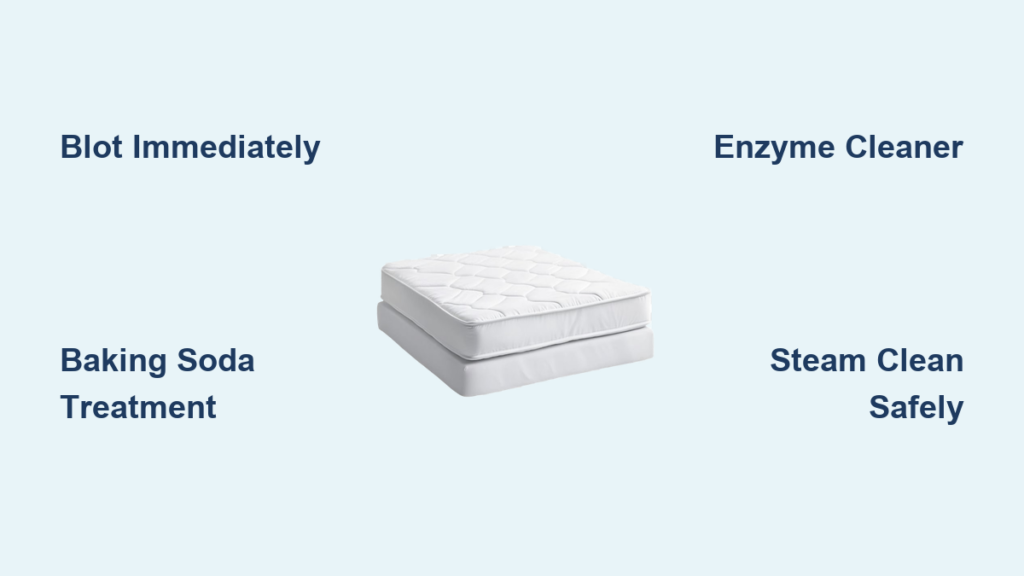
Your mattress shouldn’t smell like your dog’s favorite napping spot. When Fido’s odor seeps deep into your mattress fibers, standard cleaning often fails to eliminate that persistent pet smell. This common problem affects millions of pet owners who share their beds with furry companions. Whether it’s from regular cuddle sessions, occasional accidents, or your dog’s natural scent transferring during sleepovers, dog odor in mattresses creates an uncomfortable sleeping environment that impacts both hygiene and sleep quality. In this guide, you’ll discover scientifically-backed methods to completely eliminate dog odors from your mattress—not just mask them—using solutions you likely already have at home.
Most pet owners make the critical mistake of only treating the surface, leaving odor-causing compounds deep within the mattress layers. Dog odors contain proteins and organic compounds that require specific breakdown processes, not just superficial cleaning. The good news is that with the right approach, you can restore your mattress to fresh, odor-free condition without expensive replacements. I’ll walk you through seven targeted methods that address different odor severity levels, complete with time estimates, difficulty ratings, and professional tips you won’t find in generic cleaning guides.
Why Dog Odor Penetrates Deep Into Your Mattress
Dog odors don’t just sit on the surface—they infiltrate mattress materials at a molecular level. Your mattress contains multiple layers of fabric, foam, and padding that act like a sponge for organic compounds found in dog dander, saliva, urine, and natural oils from your pet’s skin. These substances contain proteins that break down over time, releasing volatile organic compounds responsible for that distinctive “dog smell.” Memory foam mattresses are particularly vulnerable as their dense structure traps odors more effectively than traditional innerspring models.
The Science Behind Pet Odors in Mattress Fibers
When your dog sleeps on your bed, microscopic particles transfer into the mattress with every movement. These include sebaceous gland secretions from your dog’s skin, dead skin cells, and hair follicles. As these organic materials decompose, bacteria feed on them and produce waste products that create persistent odors. Unlike surface stains, these compounds penetrate deep into the mattress core where standard spot cleaning can’t reach. The warm, dark environment inside your mattress provides ideal conditions for odor-causing bacteria to multiply, making the problem progressively worse over time.
Common Situations That Trigger Severe Mattress Odors
Accidents are the most obvious cause of dog odor in mattresses, but regular pet sleeping creates gradual odor buildup that many owners don’t notice until it becomes overwhelming. Dogs with skin conditions or poor grooming habits transfer stronger odors to bedding. Older dogs with incontinence issues present particularly challenging odor problems. Even healthy dogs contribute to odor accumulation through normal shedding and natural body oils. Humid environments accelerate the decomposition process, making odors more potent and difficult to remove.
Immediate Actions to Take When Dog Accidents Happen
Timing determines whether you’ll completely remove dog odors or battle them for weeks. The first 30 minutes after an accident represent your critical window for effective odor elimination. Immediate action prevents liquids from penetrating beyond the surface layer and stops organic compounds from bonding with mattress fibers.
Blotting vs. Rubbing: The Right First Response
Grab clean, absorbent towels and press firmly on the affected area—never rub. Rubbing forces liquids deeper into the mattress and spreads odor compounds across a wider area. Apply steady pressure for 30-60 seconds, replacing towels as they become saturated. For urine accidents, follow with a mixture of 50% cold water and 50% white vinegar using a spray bottle, then blot again. Cold water works better than warm during initial cleanup as heat sets proteins that cause odors.
Why Time Is Critical for Odor Removal Success
Every hour that passes allows more time for bacteria to multiply and break down organic compounds into stronger-smelling byproducts. Within 24 hours, surface-level cleaners become ineffective as odors penetrate to the mattress core. Immediate treatment can reduce your cleanup time from multiple days to just a few hours. Set a timer when accidents occur—your response time directly correlates with how completely you’ll eliminate the odor.
Baking Soda Deep Treatment for Mattress Odors

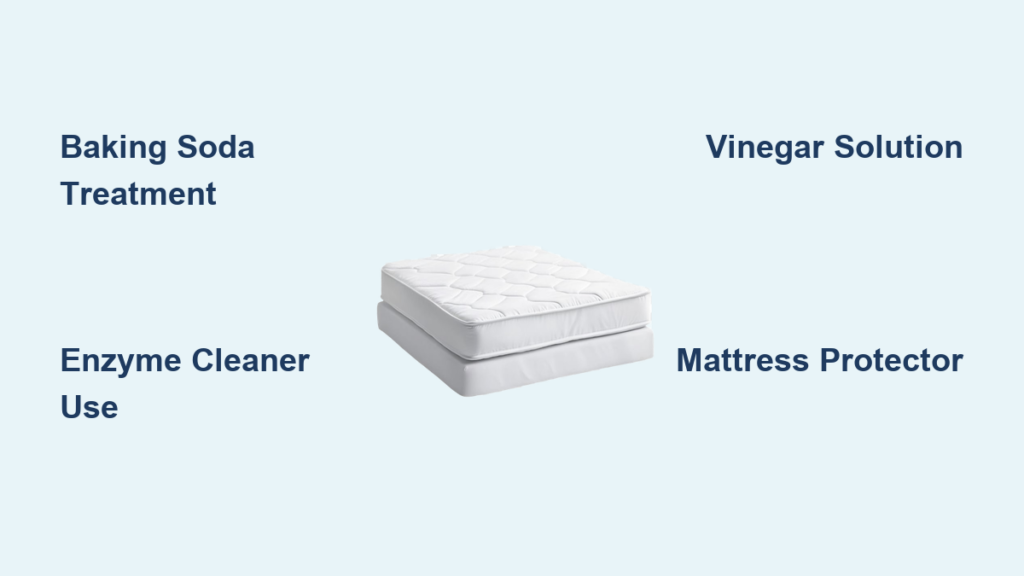
Baking soda remains the most effective natural deodorizer for deep mattress cleaning because it chemically neutralizes odors rather than masking them. Its alkaline properties counteract the acidic compounds in dog odors, breaking them down at a molecular level. Unlike sprays that only affect surface fibers, baking soda penetrates deep into mattress layers where odors originate.
Proper Application Technique for Maximum Absorption
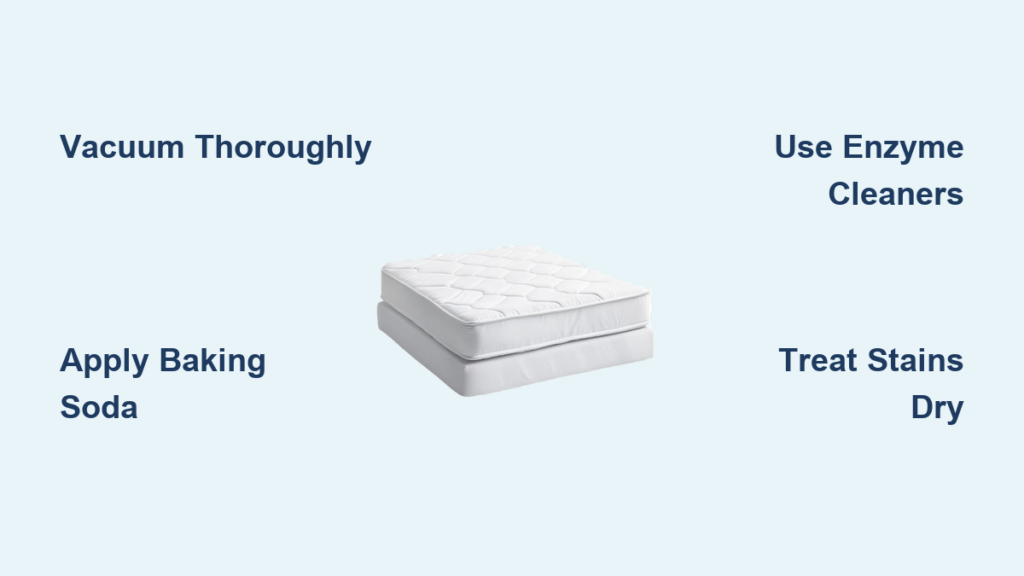
Remove all bedding and thoroughly vacuum the mattress surface to eliminate hair and surface debris. Sprinkle a generous layer of baking soda—about ½ cup per twin-sized mattress—focusing on problem areas. Use a dry toothbrush to gently work the powder into the fabric weave without damaging the material. For severe odors, create a baking soda paste with minimal water for targeted application on stubborn spots, but avoid over-wetting the mattress.
How Long to Leave Baking Soda on Your Mattress
Allow baking soda to work for a minimum of 4 hours, though overnight treatment yields dramatically better results. The extended contact time enables complete chemical neutralization of odor compounds. Set a fan to circulate air over the mattress during treatment to enhance baking soda’s effectiveness. When removing, use an upholstery attachment on your vacuum cleaner and make multiple slow passes in different directions to extract all powder from deep within the mattress.
Enzyme Cleaners: The Secret Weapon Against Pet Odors
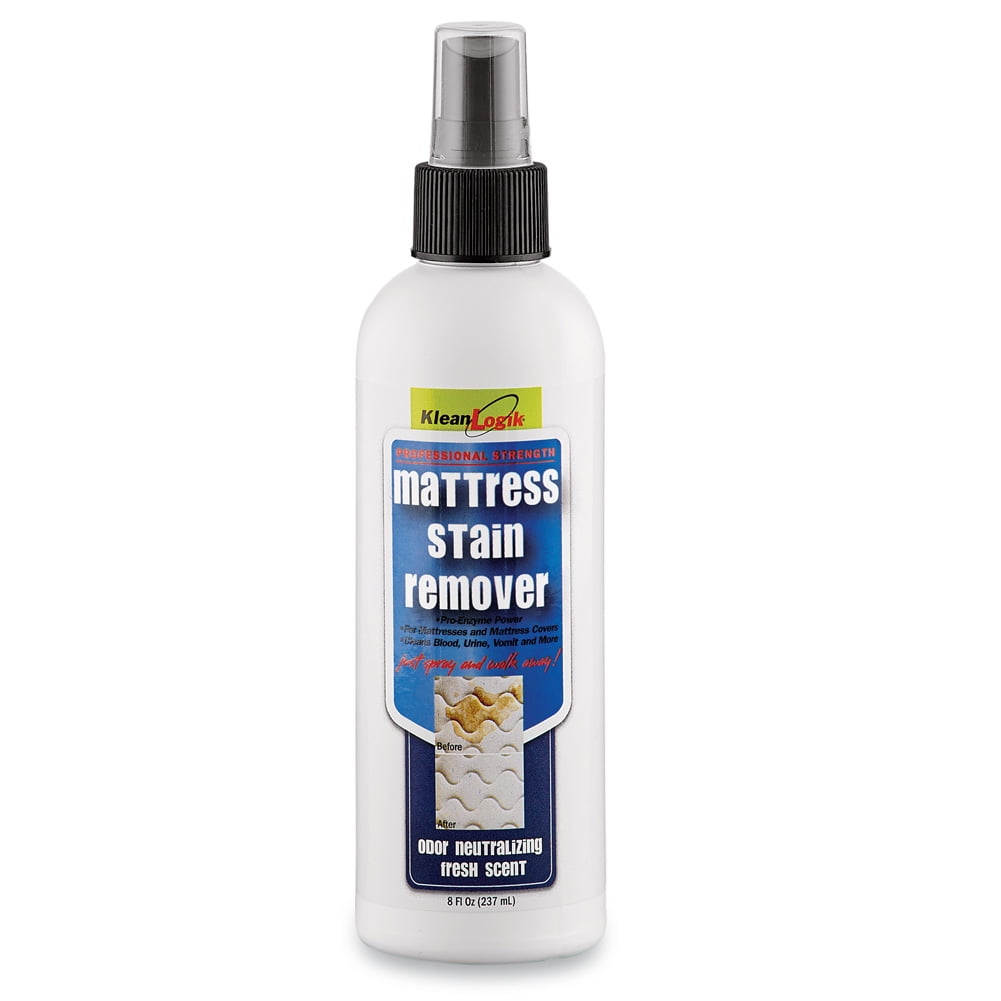
Enzyme-based cleaners outperform traditional cleaners for dog odors because they contain live bacteria that consume the organic compounds causing smells. Unlike masking agents, enzymes break down odor sources at the molecular level, providing permanent elimination rather than temporary coverage. Professional cleaners consider enzyme treatments essential for severe or long-standing dog odors in mattresses.
How Enzyme Cleaners Break Down Odor at the Source
Enzyme cleaners work through biological digestion—the live cultures feed on urine proteins, dander, and other organic materials that cause dog smells. As the bacteria multiply, they completely consume the odor-causing compounds, leaving behind only carbon dioxide and water. This natural process continues for up to 24 hours after application, providing deeper cleaning than chemical alternatives. For best results, choose products specifically formulated for pet odors with high bacterial colony counts.
Top Recommended Enzyme Products for Mattress Cleaning

Look for enzyme cleaners containing protease enzymes that target protein-based stains and odors. Products with at least 100 million CFUs (colony forming units) per ounce provide effective treatment for mattress cleaning. Avoid cleaners with ammonia or vinegar bases when using enzyme products, as these can kill the beneficial bacteria. Always test enzyme cleaners on an inconspicuous area first to check for discoloration, and allow at least 12 hours drying time after application.
Steam Cleaning Your Mattress Safely
Professional steam cleaning effectively removes deep-seated dog odors by combining heat, moisture, and extraction power. The high temperatures kill odor-causing bacteria while the extraction process removes dissolved compounds. However, improper technique can damage your mattress or create mold problems, so follow these specific procedures for safe, effective results.
Preparing Your Mattress for Steam Cleaning
Remove all bedding and thoroughly vacuum both sides of the mattress before steaming. Pre-treat heavily soiled areas with an enzyme cleaner and allow it to work for 15 minutes. Set your steam cleaner to the lowest moisture setting—mattresses require minimal water to avoid saturation. Work in small sections (2×2 feet) and move the steam cleaner slowly to allow proper extraction. Never oversaturate the mattress, as trapped moisture leads to mold growth that creates worse odors than the original problem.
Drying Techniques to Prevent Mold After Steam Cleaning
Position box fans at both ends of the mattress to create cross-ventilation. Place the mattress upright against a wall to expose all surfaces to air circulation. In humid climates, run a dehumidifier in the room during drying. Check moisture levels by pressing your palm against the mattress—if it feels cool, it needs more drying time. Complete drying typically takes 12-24 hours; sleeping on a damp mattress risks mold development that requires professional remediation.
Preventing Future Dog Odors in Your Mattress
The most effective dog odor solution is preventing buildup before it becomes problematic. Establish these protective measures to maintain a fresh mattress while still enjoying bedtime with your pet.
Protective Barriers That Actually Work
Use a waterproof mattress protector specifically designed for pet owners—look for breathable, noiseless materials that don’t feel like plastic. These barriers prevent liquids and dander from penetrating the mattress while allowing airflow. Wash protectors weekly in hot water with enzyme detergent. For dogs that regularly sleep on the bed, consider a dedicated pet bed on top of your mattress with removable, washable covers.
Establishing a Cleaning Routine for Pet Owners
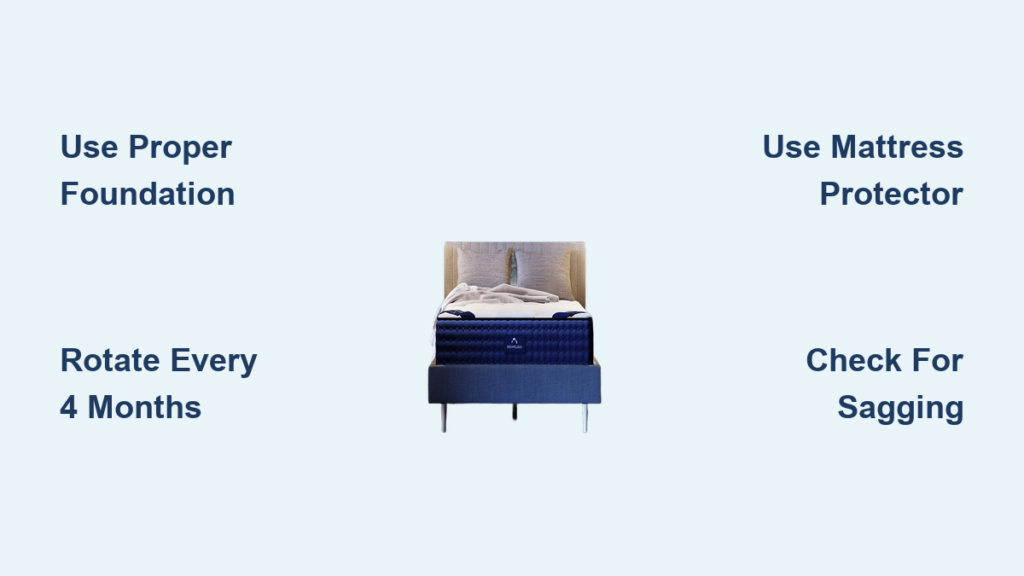
Vacuum your mattress monthly with an upholstery attachment to remove hair and surface debris before odors develop. Sprinkle baking soda quarterly and let it work overnight before vacuuming. Wash all bedding weekly in hot water with odor-neutralizing detergent. Rotate your mattress every three months to distribute wear and prevent odor concentration in specific areas. These simple habits prevent the gradual odor buildup that eventually requires intensive cleaning.
When to Call Professionals for Severe Odor Cases
Some odor situations exceed DIY capabilities. If you’ve tried multiple cleaning methods over several weeks with no improvement, or if your mattress shows visible mold growth, professional remediation becomes necessary. Severe urine saturation that’s penetrated foam layers often requires industrial extraction equipment. Older mattresses with years of accumulated odor may need replacement rather than cleaning. Professionals use hydroxyl generators and ozone treatments that break down odors at a molecular level but require vacating your home during treatment.
Don’t waste money on mattress “freshening” services that only mask odors with perfumes—insist on enzyme-based or oxidation treatments that eliminate odor sources. Get multiple quotes and verify technicians have specific experience with pet odor remediation in mattresses. For valuable mattresses, professional cleaning typically costs 20-30% of replacement value but extends mattress life significantly.
Final Note: Complete dog odor removal requires addressing both surface and deep-seated compounds through a multi-step approach. Start with immediate accident response, follow with baking soda or enzyme treatments, and finish with proper drying techniques. Implement protective barriers and regular maintenance to prevent recurrence. By understanding why dog odors penetrate mattresses and using scientifically-proven removal methods, you can enjoy a fresh sleeping environment while still sharing your bed with your furry friend. Remember that patience is essential—some treatments require multiple applications for complete odor elimination, but the results are worth the effort for a truly fresh, clean mattress.