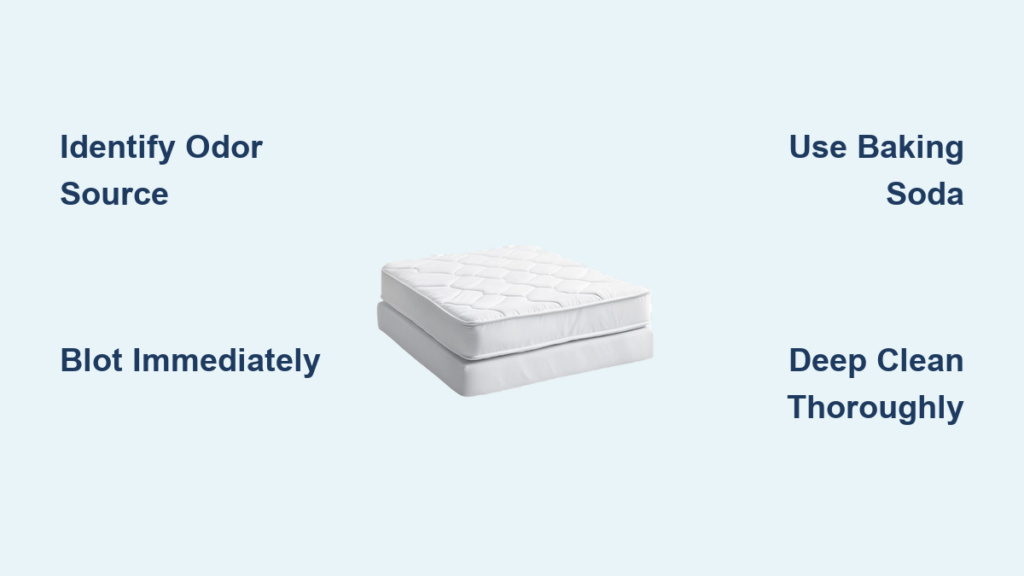
That persistent “sick” smell from your mattress can transform your peaceful sanctuary into a source of daily discomfort. Whether it’s a musty odor that reminds you of damp basements, a sour smell like spoiled milk, or a sharp ammonia-like stench, mattress odors signal that unwanted contaminants have taken up residence in your bedding. The good news is that most sick smells can be eliminated with the right approach and proper techniques. By following this guide on how to get rid of sick smell from mattress, you’ll restore your sleeping surface to freshness and create a healthier environment for restful sleep.
Identifying what’s causing your mattress odor is crucial—different smells require different treatments, and using the wrong method can worsen the problem. An average person produces about one liter of sweat per night, which penetrates deep into mattress materials where it oxidizes and feeds bacteria. These microorganisms release compounds that create that unpleasant “sick” sensation many experience when lying on a contaminated mattress.
Pinpoint Your Mattress Odor Source: Musty, Sour, or Ammonia?

Before treating a smelly mattress, you need to identify what’s causing the unpleasant odor. Different smells indicate different problems requiring specific solutions.
Musty Smells Indicate Moisture Problems
That damp, earthy odor often described as “sick” typically points to moisture retention within your mattress layers. When sweat, humidity, or spills penetrate the mattress and become trapped, they create an ideal breeding ground for mold and mildew. These microorganisms release volatile organic compounds that produce that heavy, unpleasant scent. If you notice the smell worsens during humid weather or in poorly ventilated rooms, moisture is likely the culprit. Never ignore musty odors—they can indicate mold growth that affects indoor air quality and may trigger respiratory issues.
Sour Odors from Body Sweat and Oils
The sour, acidic smell that resembles stale milk comes from accumulated body sweat and skin oils that have oxidized over time. As you sleep, your body produces approximately one liter of sweat nightly, which seeps into mattress materials where bacteria feed on it. The resulting waste compounds manifest as that distinctive sour smell. This odor is especially common in mattresses that haven’t been cleaned thoroughly or in beds where the sleeper exercises regularly. Unlike fresh sweat, sour odors indicate contamination has penetrated deep into the mattress structure.
Ammonia Signs from Urine Accidents
A sharp, pungent ammonia smell is a clear indicator of urine contamination, whether from children, pets, or adults dealing with incontinence. Urine contains urea and uric acid that break down over time, releasing ammonia and other strong-smelling compounds. The longer urine sits untreated, the deeper it penetrates mattress layers and the stronger the odor becomes. What starts as a small accident can eventually affect your entire mattress if not addressed promptly. In severe cases, particularly with ongoing incontinence, the ammonia smell can become overwhelming and may even pose health risks with prolonged exposure.
Immediate Steps for Fresh Mattress Stains and Odors
When accidents happen, your first few minutes of response determine whether you’ll face a lingering odor problem or a quick fix.
Blotting and Absorption Techniques
For fresh spills or accidents, immediately blot the affected area with clean, white microfiber cloths or paper towels, working from the outside edges toward the center to prevent spreading. Avoid rubbing, which forces liquid deeper into mattress fibers. Apply firm, gentle pressure and continue until no more moisture transfers to your cloth. Then generously cover the spot with an absorbent like baking soda, cornstarch, or kitty litter, allowing it to sit for several hours or overnight. Vacuum thoroughly afterward using an upholstery attachment to remove all dried material. This simple process can prevent 90% of future odor problems if done promptly.
DIY Cleaning Solution Recipe
Create an effective odor-fighting spray by combining:
– 8 ounces warm water
– 1 tablespoon white vinegar
– 1 tablespoon hydrogen peroxide (3% solution)
– 1 tablespoon unscented dish soap
– 10-15 drops essential oil (optional)
Shake gently and spray lightly over affected areas. The vinegar neutralizes odors, hydrogen peroxide sanitizes, and dish soap lifts contaminants. This solution works well for mild to moderate odors but may require multiple applications for severe cases.
Allow Proper Drying Time
Never skip this critical step—inadequate drying creates new odor problems. A damp mattress becomes a breeding ground for mold, mildew, and bacteria. After any wet cleaning, ensure your mattress dries completely before remaking the bed. Open windows, use fans, and position a dehumidifier in the room. Drying can take 4-24 hours depending on conditions. Never sleep on a mattress that still feels damp—this guarantees new odor problems.
Deep Cleaning Methods That Actually Remove Mattress Odors
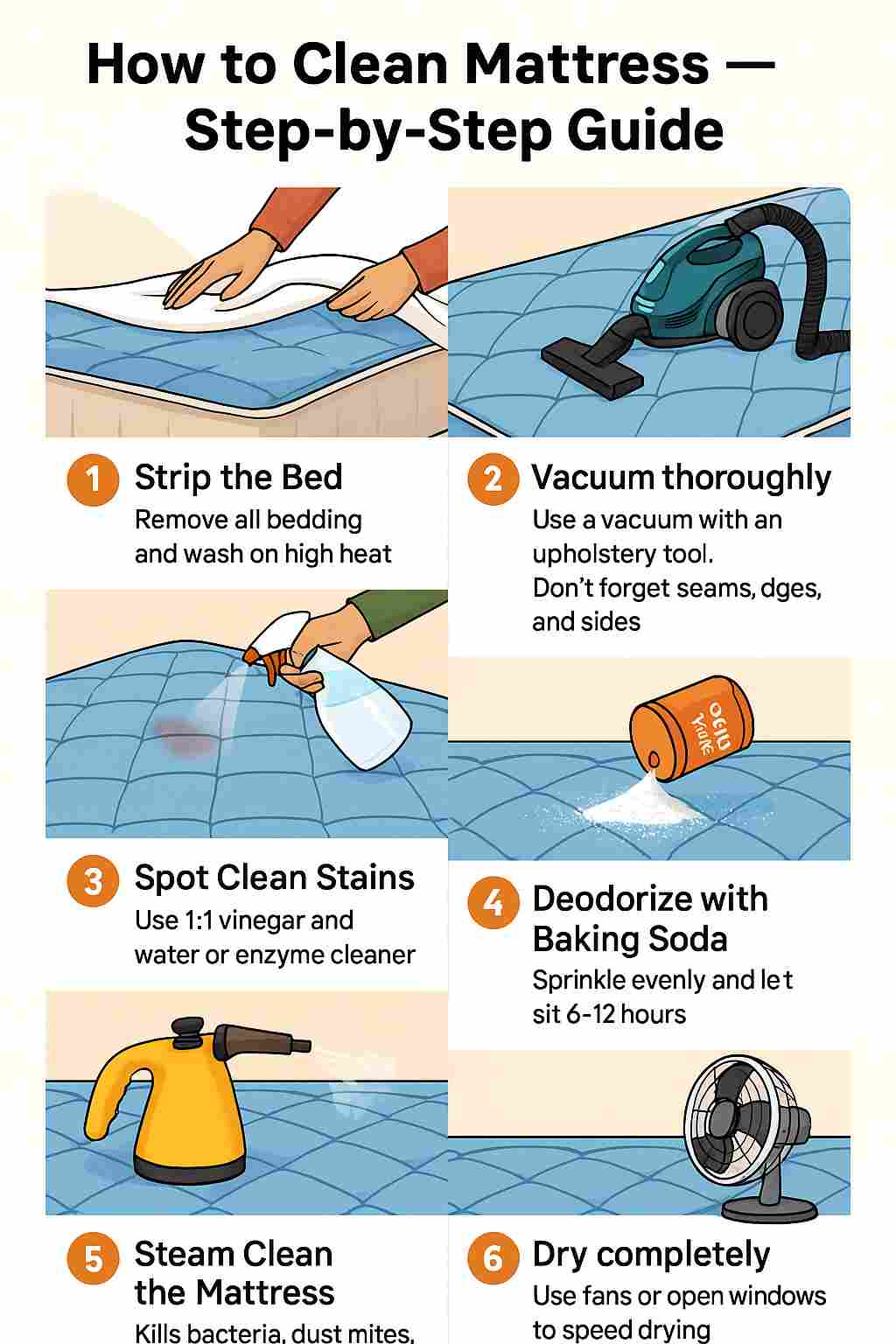
Surface cleaning addresses only visible portions of your mattress, but odors often originate from deeper layers where debris, dust mites, and bacteria accumulate over time.
Vacuum Thoroughly First
Begin deep cleaning by removing all bedding and washing items in hot water (at least 130°F). Then vacuum your mattress systematically using an upholstery attachment with strong suction. Work in slow, overlapping strokes, paying special attention to seams, tufts, and crevices where dead skin cells accumulate. Use crevice tools for edges and around buttons. A HEPA-filtered vacuum is ideal as it captures microscopic particles including dust mite waste and mold spores that standard vacuums redistribute.
Sunlight and Fresh Air Exposure
Natural sunlight provides a free, chemical-free odor elimination method through multiple mechanisms. UV radiation kills bacteria and mold spores while heat evaporates trapped moisture. If weather permits, carry your mattress outdoors to a sunny location for 4-6 hours, flipping halfway through. Place it on a clean surface or raise it on sawhorses for airflow underneath. After sun treatment, vacuum to remove dead organisms and loosened debris. This process can be repeated weekly until the odor disappears.
Natural Odor Elimination Methods That Work
For chemical-free approaches or sensitive individuals, several natural methods effectively eliminate mattress odors.
Baking Soda Treatment
Baking soda (sodium bicarbonate) works through physical adsorption—trapping odor molecules in its porous structure. After vacuuming thoroughly, generously sprinkle baking soda across the entire mattress surface (about one cup for a twin mattress). For enhanced effectiveness, lightly mist with water containing a few drops of essential oil, then allow it to sit for 8+ hours or overnight. Vacuum thoroughly afterward. This treatment can be repeated weekly for ongoing maintenance.
Vinegar Solution Application
White vinegar effectively neutralizes alkaline compounds like ammonia. Mix equal parts white vinegar and distilled water in a spray bottle and lightly mist odor-prone areas while avoiding oversaturation. Allow it to air dry completely (several hours). While you’ll notice a strong vinegar smell initially, this dissipates completely as it dries, taking other odors with it. Test on a small area first to check for colorfastness, and avoid using vinegar on natural latex mattresses.
Specialized Treatments for Stubborn Odors
Some mattress odors resist standard cleaning methods and require targeted interventions.
Enzyme Cleaners for Biological Odors
Enzyme-based cleaners break down organic compounds causing odors at a molecular level. Protease enzymes target protein-based stains, lipase enzymes handle body oils, and amylase enzymes address carbohydrate residues. Apply enzyme cleaner generously to saturate affected areas, allowing it to remain in contact for 15 minutes to several hours. Blot with clean cloths to extract dissolved contaminants, then allow to air dry completely. Severe contamination may require 2-3 treatments.
Hydrogen Peroxide Sanitization
Hydrogen peroxide (3% solution) provides powerful sanitization through oxidation. Mix equal parts hydrogen peroxide and water in a spray bottle, adding a small amount of dish soap. Spray onto affected areas and allow to sit 10-15 minutes before blotting. Hydrogen peroxide kills 99.9% of bacteria while breaking down organic compounds causing odors. Always test first on dark fabrics as it can lighten colors.
Prevent Future Mattress Odors
Prevention is far easier than treatment. Implement these protective measures to keep your mattress fresh.
Invest in Quality Mattress Protectors
Waterproof, breathable mattress protectors represent the single most effective investment for preventing odors. Look for protectors with:
– Complete encasement (zipper-around design)
– Breathable membranes to prevent heat buildup
– Washing capability at high temperatures (at least 130°F)
– Durability to last 2-3 years before replacement
Control Bedroom Environment
Managing bedroom humidity prevents moisture accumulation that leads to mold and dust mites. Keep indoor humidity between 30-50% using a hygrometer to monitor levels. Open windows daily for fresh air circulation, use exhaust fans in attached bathrooms, and position beds away from exterior walls. Allow bedding to air out each morning before making the bed by pulling back covers.
Know When to Replace Your Mattress
Sometimes cleaning isn’t enough. Persistent odors that resist multiple treatments often indicate contamination has penetrated too deeply. Most mattresses require replacement after 7-10 years of regular use. Replace your mattress when you notice:
– Persistent odors despite multiple cleaning attempts
– Visible sagging or body impressions deeper than two inches
– Increased discomfort or pain upon waking
– Visible mold or structural degradation
Your bed should be a sanctuary for restful sleep, not a source of discomfort. By identifying the source of odors, applying appropriate treatments, and implementing prevention strategies, you can restore your mattress to a healthy condition. Remember that routine maintenance—including mattress protectors, regular cleaning, and environmental control—prevents odor problems before they start. With these methods for how to get rid of sick smell from mattress, you can reclaim your peaceful retreat and enjoy the clean, fresh sleep you deserve.