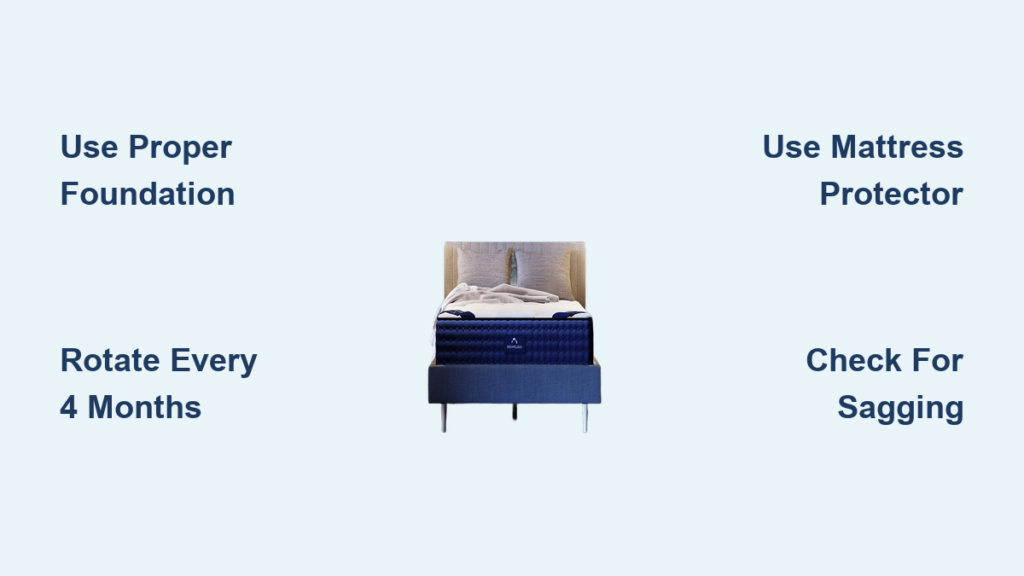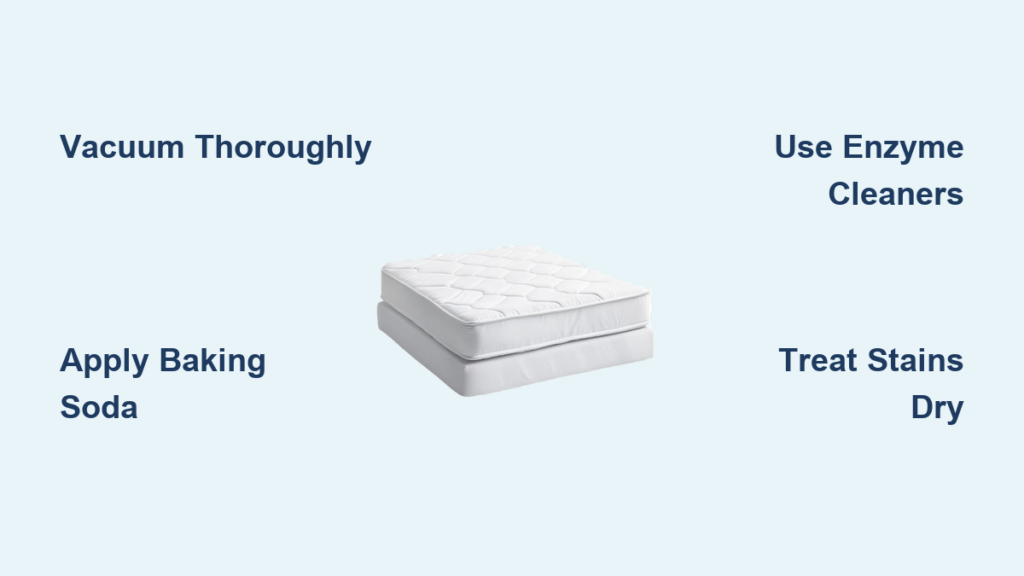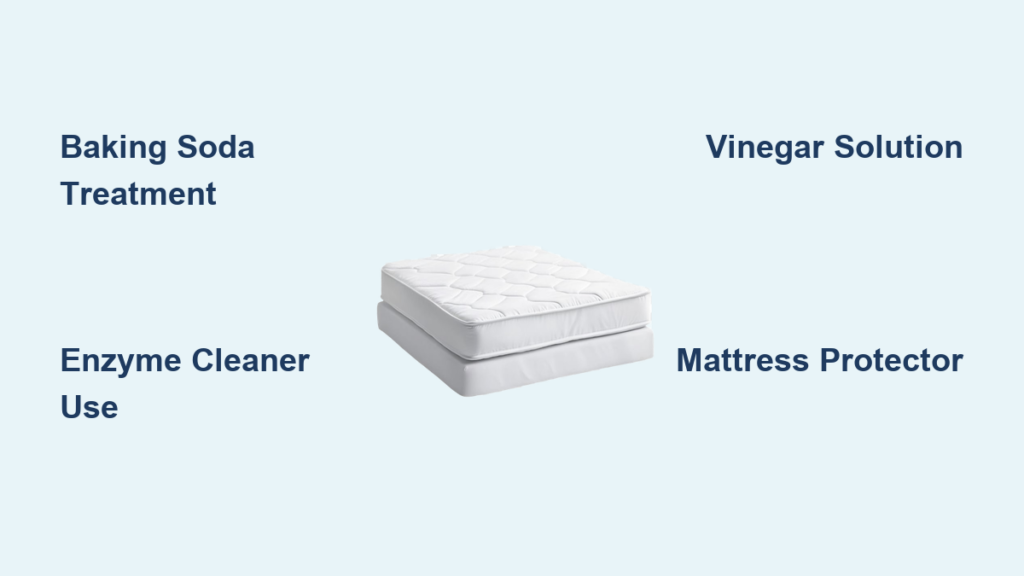

Your mattress protector silently guards your mattress against sweat, spills, stains, dust mites, and allergens every single night. This unassuming barrier absorbs everything your body releases during sleep, protecting your significant mattress investment from damage that could shorten its lifespan by years. But here’s the catch: a dirty mattress protector can’t protect effectively. When body oils, dead skin cells, and moisture accumulate within its fibers, the protector loses its ability to block contaminants from reaching your mattress. Understanding exactly how often to clean mattress protector ensures this essential bedding component continues performing its critical function while maintaining a healthy sleep environment for you and your family.
The question of cleaning frequency isn’t one-size-fits-all. While general guidelines exist, your personal circumstances—whether you have allergies, pets sharing your bed, or children prone to accidents—significantly influence how frequently your protector needs attention. This guide breaks down the optimal washing schedules, the factors that demand more frequent cleaning, proper care techniques, and the signs indicating it’s time for a replacement. By the end, you’ll have a customized plan for keeping your mattress protector—and consequently your mattress—in peak condition.
Wash Your Mattress Protector Monthly: Why Experts Recommend This Schedule
Bedding experts consistently recommend washing your mattress protector once per month as the gold standard for maintaining hygiene and protective function. This monthly schedule strikes the ideal balance between removing accumulated contaminants and preventing excessive wear from over-washing. During a typical month, your protector encounters sweat, skin cells, body oils, and whatever else passes through your sheets—enough buildup to compromise its effectiveness if left unaddressed.
Monthly washing ensures that the protective barrier remains breathable and fully functional. When contaminants accumulate to excessive levels, they can break down the waterproof or allergen-resistant layers that make mattress protectors valuable. By maintaining this regular cleaning rhythm, you prevent deep-set stains and odors that become increasingly difficult to remove over time. The investment of washing your protector monthly pays dividends in extended mattress lifespan and consistently clean sleep conditions.
Why Monthly Beats Every Other Month for Most Households
While some sources suggest washing every 60 days is sufficient, this bi-monthly schedule falls short for optimal protection. The every-other-month approach works acceptably for those with minimal exposure to contaminants but risks allowing significant buildup. If you sleep alone, don’t have pets in the bed, and don’t experience night sweats, monthly washing keeps your protector performing optimally. The key is consistency—marking your calendar or tying the task to another monthly household activity ensures it doesn’t slip through the cracks of your cleaning routine.
The Minimum Washing Frequency You Should Never Exceed
Every two to three months represents the absolute minimum frequency most experts recommend for maintaining any meaningful protective function. Beyond this window, accumulated body fluids, skin cells, and allergens reach levels that can compromise both the protector’s barrier function and your sleep environment’s hygiene. Households with pets or children should consider this their baseline rather than their maximum, as these circumstances typically demand more frequent attention.
Dust Mite Allergies? Wash Your Mattress Protector Every 2 Weeks

Certain health circumstances elevate mattress protector cleaning from a general hygiene practice to a near-medical necessity. Understanding these connections helps allergy sufferers optimize their cleaning schedules for better health outcomes.
Why Dust Mite Sufferers Need Bi-Weekly Washing
Dust mite allergies affect approximately 20 million Americans, and these microscopic pests thrive in mattress environments where they feed on dead skin cells. A clean mattress protector serves as a critical barrier against dust mite infiltration into your mattress, but only if maintained regularly. Those with dust mite allergies should wash their protectors every two to three weeks rather than monthly, dramatically reducing the allergen load in their sleep environment. This increased frequency disrupts the dust mite life cycle and prevents the accumulation that triggers allergic reactions.
Night Sweats and Overheating: Weekly Protector Washing Protocol
Individuals who experience regular night sweats should wash their mattress protectors weekly or bi-weekly, as the combination of moisture and body fluids creates ideal conditions for bacteria and mold proliferation. Beyond the hygiene concerns, frequent washing prevents the musty odors that develop when moisture accumulates in bedding materials over time. If you wake up damp most nights, treat your mattress protector like your sheets—with weekly attention to maintain a healthy sleep environment.
Pet Hair and Spills: Why You Need to Wash Protector Weekly with Animals in Bed

Households with pets sleeping in the bed face distinct challenges that demand modified cleaning schedules. The additional contaminants introduced by these furry family members accelerate the soiling of mattress protectors and increase the importance of regular attention.
Dog and Cat Dander Requires More Frequent Washing
Pet dander, fur, and occasional accidents introduce allergens and moisture that compromise protector performance. Dogs and cats tracked in dirt, pollen, and environmental debris, while their dander can trigger allergies in sensitive sleepers. When pets share your bed, washing your mattress protector every two to three weeks becomes necessary rather than optional. This increased frequency prevents the accumulation of pet-related contaminants that could affect both human family members and the pet-friendly nature of the sleep environment.
Immediate Action After Pet Accidents on Your Mattress
Any instance of spills or accidents—whether from drinks, food, or pet incidents—requires immediate spot cleaning beyond your regular schedule. Even seemingly minor spills can penetrate the protector over hours if not promptly addressed, potentially reaching and staining the mattress beneath. Keep a cleaning kit handy with enzyme-based cleaners for organic stains and always schedule an additional wash cycle after any accident to protect your mattress investment.
Summer Sweating? Adjust Mattress Protector Washing Schedule for Hot Weather
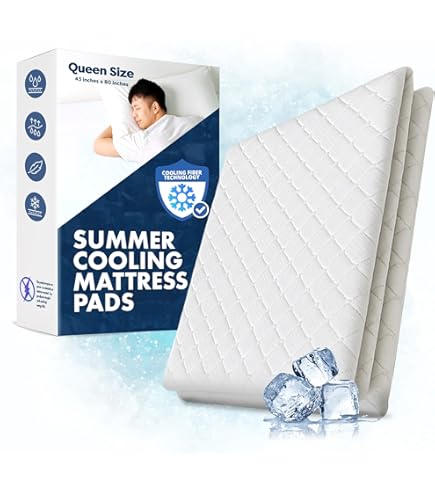
Warmer months and humid climates create conditions that necessitate adjusting your mattress protector cleaning frequency. Understanding how environmental factors affect your protector helps you adapt your routine for consistently clean bedding throughout the year.
Increase Frequency During Humid Months
Summer months bring increased sweating and higher humidity levels, both of which accelerate moisture accumulation in bedding. The additional perspiration that accompanies hot nights means your mattress protector absorbs more body fluids than during cooler months. Moving toward the more frequent end of recommended schedules—washing every two to three weeks rather than monthly—prevents the moisture buildup that promotes bacterial growth and musty odors.
Winter vs Summer Washing Schedule Comparison
| Season | Recommended Frequency | Water Temperature | Additional Tips |
|---|---|---|---|
| Summer | Every 2-3 weeks | Cold water | Air out bedding daily |
| Winter | Monthly | Warm water (if label allows) | Use humidifier to reduce dry skin |
Cold Water vs Warm: Proper Machine Washing for Mattress Protectors
Proper washing technique ensures your mattress protector emerges from each cleaning cycle both clean and structurally intact. Following manufacturer guidelines while employing best practices maximizes cleaning effectiveness while extending your protector’s useful life.
Why Cold Water Preserves Protector Integrity
Most quality mattress protectors are machine washable, though water temperature recommendations vary by material. Cold water settings generally help preserve the protective materials and prevent shrinkage, making them the safest choice for most protectors. When warmer water is necessary—such as for eliminating dust mites or bacteria—following the care label’s specific temperature recommendations prevents damage to sensitive waterproof or allergen-resistant layers.
Gentle Cycle and Detergent Selection Secrets
Using a gentle cycle minimizes the agitation that could damage the protective barriers or waterproof layers embedded in modern mattress protectors. The aggressive agitation of heavy-duty cycles stresses the seams and materials that create your protector’s protective function. Selecting the gentlest cycle available while still achieving thorough cleaning protects the structural integrity that makes your protector valuable.
Detergent choice matters more than many realize. Harsh detergents can break down the protective coatings that give mattress protectors their functionality, while residue left behind by excessive detergent can reduce breathability. Using the recommended amount of a mild, residue-free detergent ensures clean results without compromising your protector’s performance. Avoiding fabric softeners entirely prevents the coating that can reduce both breathability and waterproof effectiveness.
Holes and Stains: 5 Clear Signs Your Mattress Protector Needs Replacement

Even with perfect care, mattress protectors eventually reach the end of their useful life. Recognizing the signs that replacement is necessary ensures your mattress remains protected even when the protector’s effectiveness has degraded.
Visible Damage: When Small Problems Become Big Threats
Visible damage provides the most obvious indicator that replacement is needed. Worn areas, holes, tatters, or thinning materials signal that your protector can no longer provide adequate barrier function. Once the protective fabric is compromised, liquids, allergens, and dust mites can reach your mattress, defeating the purpose of using a protector. Any visible damage warrants immediate replacement regardless of how long you’ve owned the protector.
The 1-2 Year Replacement Rule You Shouldn’t Ignore
Beyond visible damage, experts recommend planning for replacement of your mattress protector every one to two years regardless of apparent condition. This proactive replacement schedule ensures your mattress remains fully protected, as not all damage is immediately visible to casual inspection. High-quality protectors may offer extended durability, but all protective materials eventually break down with repeated washing and exposure to body fluids.
Sync Your Bedding Routine: Mattress Protector Washing with Sheets and Pillows
Understanding how mattress protector cleaning fits into your overall bedding maintenance routine creates a comprehensive approach to sleep hygiene. Coordinating these tasks ensures nothing gets overlooked while maximizing the efficiency of your cleaning efforts.
Complete Bedding Washing Timeline
Sheets and pillowcases require the most frequent attention, with weekly washing (three to four times monthly) recommended for maintaining optimal hygiene. These direct-contact items accumulate the highest concentration of body fluids, skin cells, and allergens, making frequent cleaning essential. Pillows should be washed every other month, while comforters and duvet covers require attention at least four times annually.
By coordinating these various cleaning tasks into a unified schedule, you ensure consistent bedding maintenance without feeling overwhelmed. Tying mattress protector washing to another regular household task—such as monthly sheet washing or seasonal home maintenance—helps establish the habit and prevents the schedule from slipping your mind.
Air Out Your Mattress Protector: Daily Habits That Extend Cleaning Intervals
Beyond regular washing, several practices help your mattress protector perform optimally between cleanings and extend its overall lifespan. These maintenance habits complement your washing routine for consistently fresh bedding.
The Morning Air-Out Technique
Allowing your protector to air out periodically—removing all bedding for a day to expose it to fresh air—helps dissipate accumulated moisture and odors between washes. This simple practice refreshes the fabric and prevents the mustiness that develops in bedding that constantly remains covered. Combined with regular washing, these maintenance habits ensure your mattress protector provides lasting protection for your mattress and healthy sleep for your household.
By following the cleaning schedule that matches your household’s specific circumstances—monthly for most situations, more frequently for those with allergies, pets, or children—and maintaining proper care during and between washes, you ensure your mattress protector continues serving its essential protective function for years to come.