Waking up to discover yellowish stains on your mattress is both unsettling and frustrating. These stubborn body oil stains form gradually as natural oils from your skin seep into mattress fabric night after night, eventually oxidizing when exposed to oxygen. The result? Unattractive yellow or rust-colored discoloration concentrated where your torso rests—typically the center third of your mattress. While these stains seem permanent, most can be completely removed with the right techniques. This guide reveals exactly how to clean body oil from mattress surfaces using household items you already own, plus prevention strategies to keep your mattress fresh for years. You’ll learn immediate response tactics for fresh spills, deep cleaning methods for set-in stains, and the critical drying techniques that prevent mold growth after cleaning.
Why Your Mattress Turns Yellow Overnight
Body oil stains develop through a predictable chemical process that occurs while you sleep. Each night, natural oils from your skin transfer directly to your mattress surface, where they begin oxidizing when exposed to air. This oxidation process transforms clear oils into the yellow or brown discoloration that becomes increasingly difficult to remove over time. The stains concentrate in your sleeping position zone—never randomly across the entire surface—because that’s where your body makes continuous contact with the mattress.
Hot sleepers notice stains appearing faster due to increased oil production, while synthetic bedding that doesn’t absorb moisture effectively allows more oil to reach the mattress. High bedroom humidity accelerates both oil production and oxidation. Understanding this pattern helps you target cleaning efforts precisely where needed while recognizing that prevention must focus on these same high-contact areas.
Fresh oil spills respond well to immediate absorbent treatment since the oil hasn’t bonded with fabric fibers yet. But set-in oxidation stains require different approaches because chemical bonds have strengthened over time. Knowing which type you’re dealing with determines your cleaning success.
Immediate Oil Spill Response: 30-Minute Emergency Protocol
When oil lands on your mattress, swift action prevents permanent staining. Grab clean microfiber cloths immediately and gently blot—not rub—the affected area to absorb maximum oil. Work from the outside edges toward the center to contain the spill and prevent spreading. Replace cloths as they become saturated to continue absorption.
Critical mistake to avoid: Rubbing pushes oil deeper into mattress fibers, creating a much larger stain.
After initial blotting, apply a dry absorbent directly to the spill site. Baking soda, cornstarch, or talcum powder all work effectively. Generously cover the entire stained area and allow it to sit for 15-30 minutes (overnight for larger spills). The powder draws oil out through capillary action, visibly changing color as it absorbs.
Vacuum thoroughly using an upholstery attachment before proceeding to wet cleaning. Residual powder mixed with cleaning solutions creates paste that’s difficult to remove. This emergency protocol removes up to 80% of fresh oil before it penetrates deeply.
Hydrogen Peroxide Deep Clean for Set-In Yellow Stains

For stubborn yellow oxidation stains that have built up over months, hydrogen peroxide provides powerful stain-lifting action. Always test first on an inconspicuous mattress corner and wait 15 minutes to check for fabric damage before treating visible areas.
Combine equal parts hydrogen peroxide (3%) and water in a spray bottle, adding a few drops of clear dish soap for enhanced grease-fighting power. Lightly mist the stained area until damp—not soaked—then wait 10-15 minutes for the solution to penetrate. During this time, mix baking soda with water to create a spreadable paste.
Apply the paste directly over the treated area where you’ll see gentle fizzing as it reacts with hydrogen peroxide. Use a soft-bristled brush to work the paste into fabric with light circular motions—never scrub vigorously. Allow the paste to dry completely (2-4 hours), then vacuum thoroughly.
This dual-action treatment breaks down oxidized oil compounds while the baking soda absorbs residue. For severe stains, repeat the process after 24 hours. Most yellow stains lighten significantly after one treatment, with complete removal typically requiring 2-3 applications.
Baking Soda and Dish Soap Method for Daily Maintenance

This household staple combination offers the safest and most accessible approach for regular body oil removal. Sprinkle baking soda generously over stained areas and allow it to sit overnight—the powder visibly darkens as it draws oil from fabric fibers.
Vacuum thoroughly before mixing one part clear dish soap (Dawn works best) with two parts warm water. Dip a clean white cloth into the solution and wring until damp, then gently blot stains using the edge-to-center technique. Avoid colored cloths that could bleed dye onto your mattress.
Rinse by blotting with clean water to remove soap residue, which attracts dirt if left behind. Finish by pressing dry towels onto the area to absorb moisture. Air dry completely (6-12 hours) with fans circulating air across the surface—never use direct heat that could set remaining stains.
Vinegar Solution for Fresh Sweat and Oil Stains
White vinegar’s natural acidity makes it ideal for fresh body oil and sweat stains. Vacuum the mattress surface first to remove debris, then combine equal parts white vinegar and warm water in a spray bottle.
Lightly mist stained areas (avoid oversaturation) and blot gently with a clean cloth. The vinegar breaks down oil compounds while neutralizing odors. After 5 minutes, apply baking soda to absorb remaining moisture and lift residual stains.
Let the baking soda sit for several hours before vacuuming. The vinegar smell dissipates completely during drying, leaving a fresh surface. This method works best on stains less than 48 hours old and requires only one application for complete removal.
Enzyme Cleaner Protocol for Deeply Penetrated Stains
When body oil has worked deep into mattress foam, enzyme cleaners provide specialized action that breaks down organic compounds. Select an enzyme product designed for upholstery (pet stain removers work equally well).
Apply directly to stained areas until thoroughly saturated and allow 15-30 minutes for enzymes to digest oil molecules. Blot with clean cloths to absorb loosened residue—never rub. Rinse by blotting with clean water to remove enzyme residue.
Finish with a baking soda treatment: sprinkle generously, wait several hours, then vacuum. The baking soda absorbs remaining moisture while neutralizing odors. This two-step process works best for stains that have penetrated beyond surface fabric into foam layers.
Complete Mattress Drying Process: Prevent Mold Growth
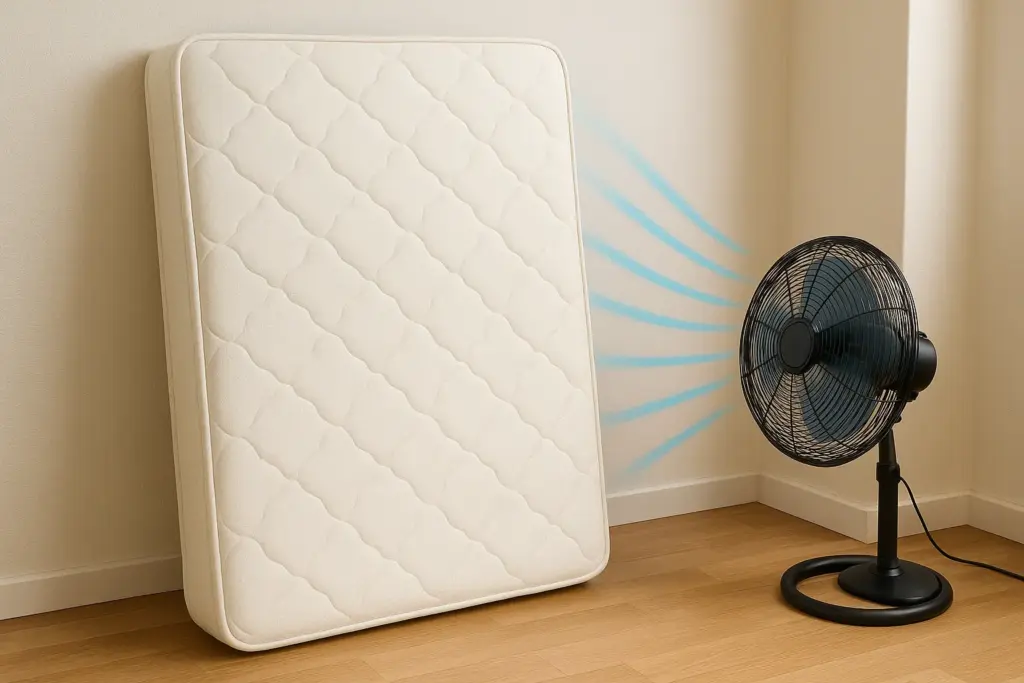
Proper drying is critical to prevent mold and ensure lasting results. Air circulation represents the safest method—position fans blowing across the surface and open windows for cross-ventilation. High humidity rooms benefit from dehumidifiers during drying.
Never skip this step: A hair dryer on cool setting can speed drying but must be kept moving constantly to avoid heat damage. Direct sunlight helps but can fade fabrics—limit exposure to 2-3 hours maximum.
Sprinkle baking soda over the entire surface during drying to absorb residual moisture. Vacuum after 4-6 hours. The mattress must feel completely dry to the touch before remaking the bed—typically 8-12 hours depending on humidity.
Four Mattress Protector Strategies That Actually Prevent Stains
Preventing body oil stains proves far easier than removing them. Implement these protective measures immediately:
- Use a waterproof mattress protector that fits snugly with secure corners (loose protectors shift during sleep)
- Wash bedding weekly in hot water with ½ cup added baking soda for enhanced oil removal
- Maintain bedroom temperature between 15-19°C with humidity below 50% using dehumidifiers if needed
- Vacuum mattress monthly and apply baking soda quarterly for routine maintenance
A quality mattress protector creates an essential barrier while allowing breathability. Replace protectors every 1-2 years as their protective coating degrades with washing.
When to Replace vs. Clean Your Mattress
Certain situations indicate replacement may be more practical than continued cleaning:
- Oil has penetrated deep into foam (press stained area—if foam feels mushy or deteriorated)
- Persistent rancid odors return within days despite thorough cleaning
- Mattress is over seven years old with visible damage in stained areas
- Structural integrity is compromised (lumps, sagging, or loss of support in stained zones)
For mattresses under five years showing early staining, cleaning typically provides excellent results. Older mattresses with deep-set stains often warrant replacement as foam materials break down regardless of cleaning efforts.
Quick Reference Guide: Body Oil Stain Removal Cheat Sheet
For fresh spills:
1. Blot immediately with clean cloths
2. Apply baking soda/cornstarch generously
3. Wait 30+ minutes then vacuum thoroughly
4. Treat with dish soap solution if needed
For yellow oxidation stains:
1. Vacuum surface first
2. Apply hydrogen peroxide/water solution
3. Follow with baking soda paste
4. Allow to dry completely before vacuuming
Critical prevention habits:
– Use mattress protector at all times
– Wash bedding weekly in hot water
– Maintain bedroom temperature 15-19°C
– Vacuum mattress monthly with baking soda treatment
Drying essentials:
– Allow 8-12 hours for complete drying
– Use fans for air circulation
– Never cover until completely dry to touch
– Sprinkle baking soda during drying for moisture absorption
Replace when:
– Oil has penetrated deep into foam
– Persistent odors return after cleaning
– Mattress exceeds seven-year lifespan
– Structural damage appears in stained areas
Implement these methods immediately upon noticing stains for best results. Fresh oil responds dramatically better to treatment than set-in oxidation stains. With proper cleaning and prevention strategies, you can maintain a fresh, stain-free mattress that supports restful sleep for years to come.