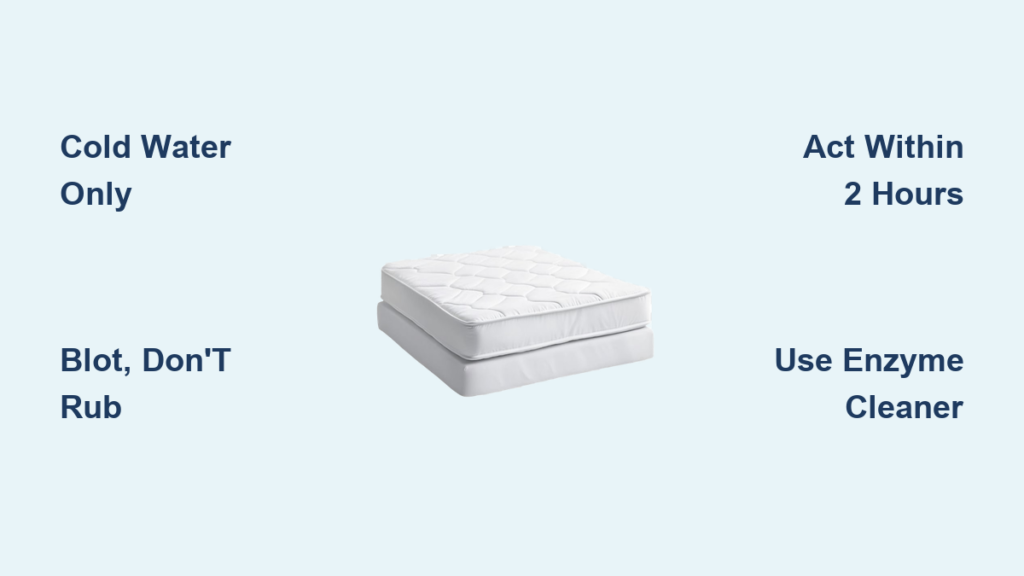
Finding blood on your mattress triggers instant panic—whether it’s from a nosebleed, injury, or menstrual cycle. These protein-based stains bond aggressively with fabric fibers, making how to clean blood out of a mattress one of the most challenging household cleaning tasks. The critical mistake most people make? Using hot water, which “cooks” the hemoglobin proteins into permanent stains. This guide delivers proven methods that actually work because they follow the golden rule: always use cold water. You’ll learn exactly what to do within the crucial first 2-3 hours for maximum stain removal success.
Blood stains become exponentially harder to remove as they dry. Fresh stains (bright red, moist) respond well to basic treatments, while dried stains (dark brown, crusty) require specialized approaches. Acting quickly prevents permanent bonding and addresses biohazard concerns—blood can carry disease-causing microorganisms. Let’s dive into the most effective techniques for every scenario, ensuring your mattress returns to clean, sanitary condition.
Why Blood Stains Bond Permanently to Mattress Fibers
Blood isn’t like other stains—it contains hemoglobin proteins that chemically bond with fabric when exposed to heat. This molecular adhesion explains why blood stains seem impossible to remove after washing with hot water. The proteins essentially get “cooked” into the fibers, creating a permanent discoloration.
How Blood Stain Age Affects Removal Success
Fresh blood stains (less than 2 hours old) appear bright red and retain moisture, making them highly responsive to cold water treatments. Dried blood stains (older than 4 hours) turn dark brown or black as the proteins coagulate and bond with fibers. Research shows stain removal success rates drop from 95% for fresh stains to under 40% for stains older than 24 hours.
The Critical 2-Hour Window for Maximum Stain Removal
Experts universally agree: the first 120 minutes after blood contacts your mattress determine whether removal will be easy or nearly impossible. During this window, proteins haven’t fully bonded with fibers. Beyond this point, you’ll need increasingly aggressive methods. Immediate action also addresses the biohazard risk—blood can harbor pathogens that shouldn’t linger in your sleeping environment.
Blood Stain Removal Kit: Must-Have Supplies for Mattress Cleaning

Gathering these supplies before starting ensures efficient treatment without interruption. Having everything ready lets you complete the process in one session—critical for effective blood removal.
Fresh Stain Essentials (Keep These Handy)
- Cold water (never warm)
- Clean white rags or towels (colored fabrics may bleed)
- Salt (draws blood out through osmosis)
- Baking soda (absorbs stains and odors)
- Meat tenderizer (contains protein-breaking enzymes)
Dried Stain Power Tools (For Set-In Blood)
- Hydrogen peroxide (3% solution)
- White vinegar
- Enzyme-based upholstery cleaner
- Ammonia (fragrance-free)
- OxiClean Versatile Stain Remover
- Soft-bristled toothbrush
Safety Gear You Shouldn’t Skip
- Rubber gloves (protects against biohazards)
- Spray bottle (for controlled application)
- Fan (accelerates drying)
- Vacuum with upholstery attachment
Immediate Action: Removing Fresh Blood Stains in 15 Minutes
Fresh blood stains respond dramatically well to prompt treatment—often requiring nothing more than cold water and proper technique. Your speed directly determines how easily the stain will come out.
Cold Water Blotting Technique That Actually Works
- Grab clean white rags and cold water (no warmer than 60°F)
- Never rub—this pushes blood deeper into fibers
- Blot gently from the stain’s outer edge toward the center
- Switch to clean rags as they become saturated
- Continue until no more blood transfers to the cloth
This simple method removes 80% of fresh stains completely. For stubborn cases, enhance with salt: sprinkle generously over the dampened stain, wait 5 minutes, then blot again with cold water.
The Hydrogen Peroxide Method for Period Stains
Hydrogen peroxide breaks down blood proteins at the molecular level, making it ideal for menstrual stains:
- Mix ½ cup hydrogen peroxide with ½ cup cornstarch and 1 tbsp salt
- Dampen the stain slightly with cold water first
- Apply the paste generously, covering the entire stain
- Watch for bubbling—this indicates protein breakdown
- Pat dry with clean cloth once bubbling stops
Pro tip: Always test hydrogen peroxide on an inconspicuous area first—it can bleach certain fabrics.
How to Remove Dried Blood Stains from Mattress Without Bleaching
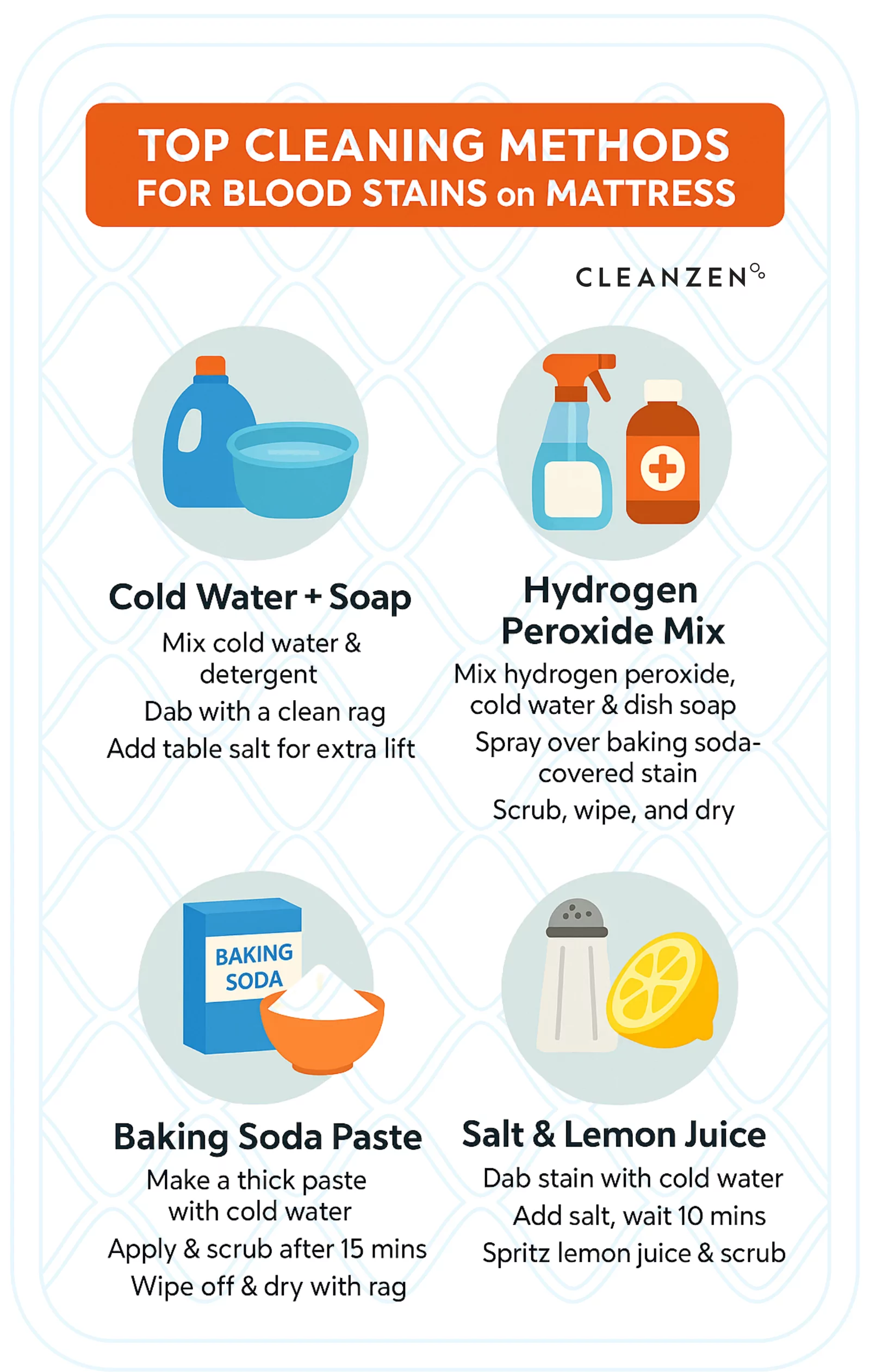
Dried blood requires rehydration before treatment. Experts recommend spending 10-15 minutes dampening the area with cold water before applying stronger solutions. This preliminary step loosens the coagulated proteins.
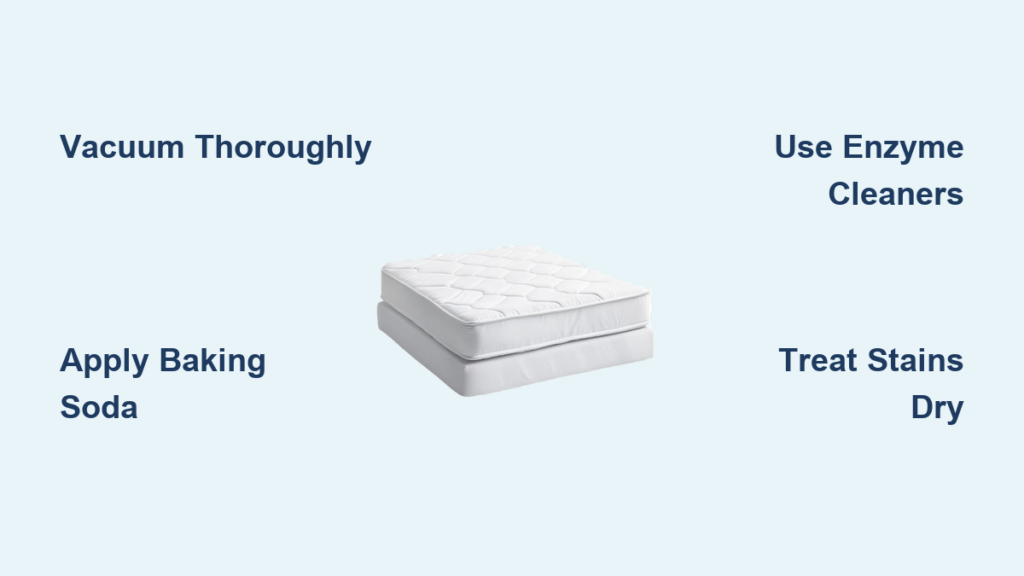
Baking Soda and Vinegar Power Combo
This chemical reaction lifts dried blood without damaging mattress fabric:
- Blot excess particles from the dried stain
- Sprinkle baking soda liberally over the entire stain
- Spray 50/50 vinegar-water solution until saturated
- Let bubble for 30 minutes (don’t let it dry)
- Vacuum residue or blot with cold water
For persistent odors, spray vodka over the area after cleaning—it neutralizes smells without leaving residue.
Meat Tenderizer Enzyme Treatment
The bromelain and papain in meat tenderizer break down blood proteins just like they tenderize meat:
- Mix 1 tbsp unseasoned meat tenderizer with 2 tsp cool water
- Apply paste directly to dried blood stain
- Let dry completely (minimum 1 hour)
- Vacuum residue thoroughly
- Blot with dry cloth to remove particles
This method works especially well on old stains that haven’t responded to other treatments.
Dangerous Mistakes: What NOT to Do When Cleaning Blood from Mattress
Avoid these common errors that permanently set blood stains or damage your mattress:
The Hot Water Trap
Using warm or hot water is the #1 mistake people make when learning how to clean blood out of a mattress. Heat causes hemoglobin proteins to bond irreversibly with fibers—what was a removable stain becomes permanent. Always use cold water exclusively, no exceptions.
Ammonia and Bleach: A Deadly Combination
Never mix ammonia with bleach or other cleaners—this creates toxic chlorine gas. If using ammonia (1 tbsp per cup of cold water), ensure proper ventilation and wear gloves. Avoid ammonia entirely on silk or wool mattress covers.
Rubbing Instead of Blotting
Aggressive rubbing grinds blood deeper into fibers and spreads the stain. Always use gentle dabbing motions with clean rags, working from the outside inward. Replace rags frequently as they absorb blood.
Preventing Mold: Drying Your Mattress After Blood Stain Removal

Improper drying creates mold risks that are worse than the original stain. Never sleep on a damp mattress—trapped moisture breeds harmful microorganisms.
Air Drying Techniques That Work
- Position box fan to circulate air across damp area
- Open windows for cross-ventilation
- Use hair dryer on cool setting (never heat)
- Check for complete dryness by touch (1-24 hours)
- Vacuum surface to remove any residue before remaking bed
Pro tip: Place clean towels over the damp area and change them every 30 minutes to accelerate drying.
Mattress Protector Guide: Stopping Blood Stains Before They Happen
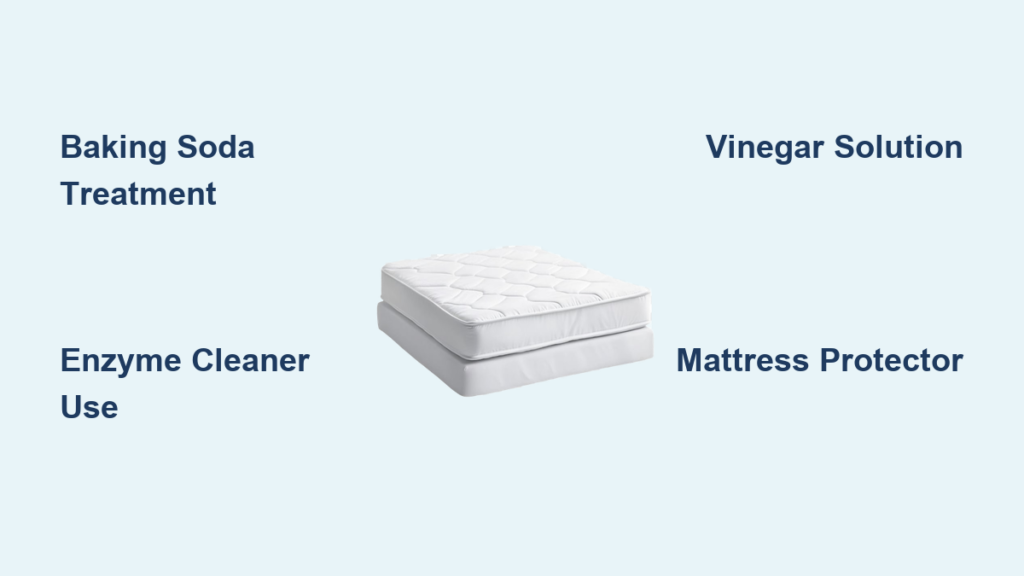
The most effective approach to how to clean blood out of a mattress is preventing stains entirely. Waterproof encasements provide complete protection:
Choosing the Right Mattress Protector
- Full encasements: Zip completely around mattress (best protection)
- Waterproof pads: Less effective but easier to install
- Breathable materials: Look for TPU or polyurethane membranes
- Hypoallergenic options: Essential for sensitive sleepers
Replace protectors every 1-2 years or immediately after major stains. For nosebleed prevention, maintain 40-50% bedroom humidity with a humidifier.
Blood Stain Removal Success Rate: What to Expect Based on Time
Understanding realistic outcomes prevents frustration during the cleaning process:
| Time Since Stain | Success Rate | Recommended Method |
|---|---|---|
| Less than 2 hours | 95%+ | Cold water blotting |
| 2-6 hours | 70-85% | Hydrogen peroxide paste |
| 6-24 hours | 40-60% | Meat tenderizer or enzyme cleaner |
| Over 24 hours | 20-40% | Ammonia solution (carefully) |
If multiple treatments fail, professional upholstery cleaning may be your best option—they use commercial-grade enzyme solutions unavailable to consumers.
Final Steps for Complete Blood Stain Elimination
After treating the stain, follow these steps for complete success:
- Wait 24 hours before assessing final results (some stains reappear)
- Repeat treatment if any discoloration remains
- Apply mattress deodorizer if odors persist
- Use protective cover before remaking bed
- Wash bedding in cold water with enzyme detergent
Remember that how to clean blood out of a mattress successfully hinges on three principles: cold water only, immediate action, and gentle blotting. With these methods, you’ll restore your mattress to clean, hygienic condition—no expensive replacements needed. Keep this guide accessible for quick reference during future accidents, and always act within that critical first two-hour window for maximum effectiveness.